THE WATERMELON WOMAN
CHERYL DUNYE | USA | 1996 | 90 MIN | ENGLISH
CHERYL DUNYE | USA | 1996 | 90 MIN | ENGLISH
Synopsis
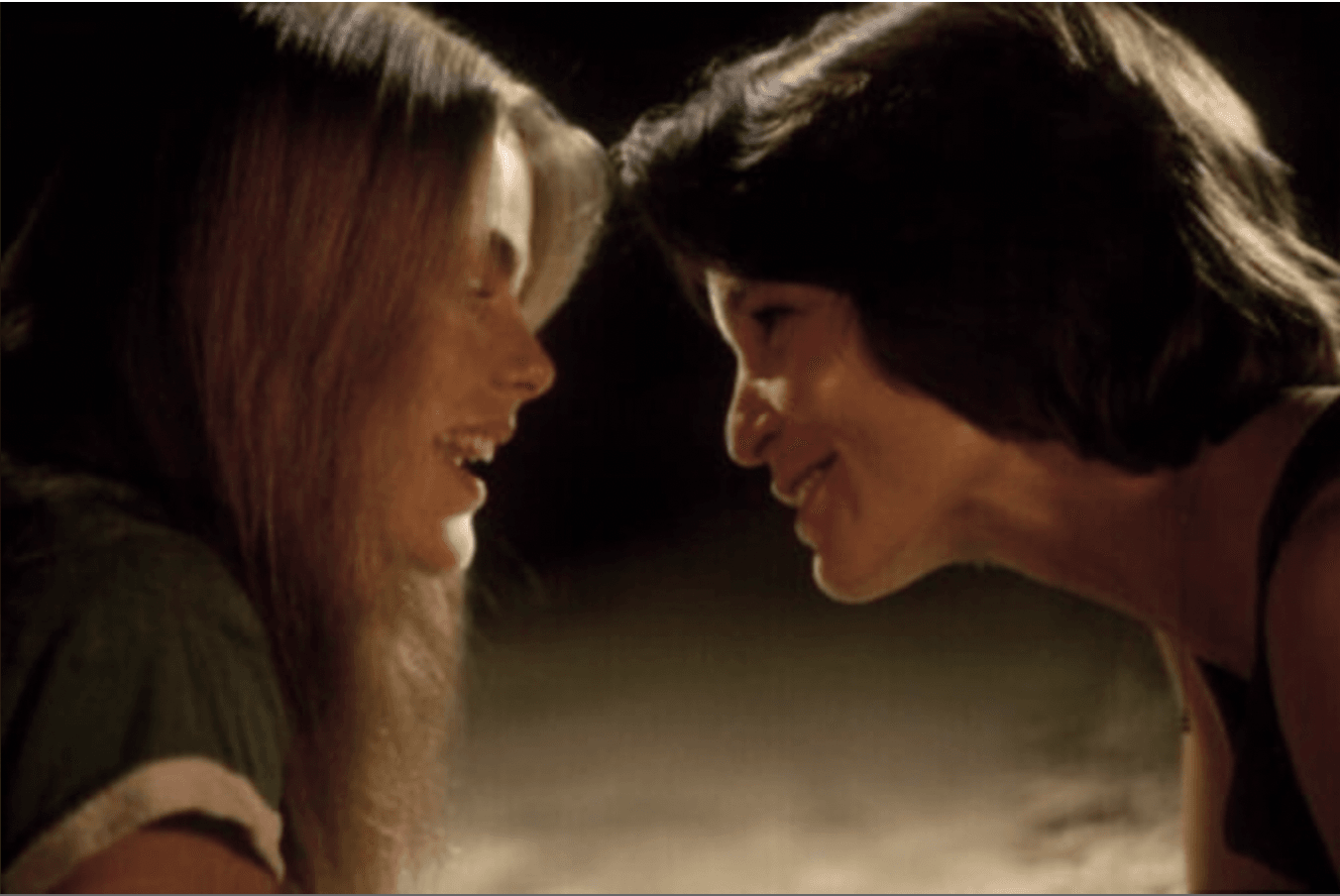
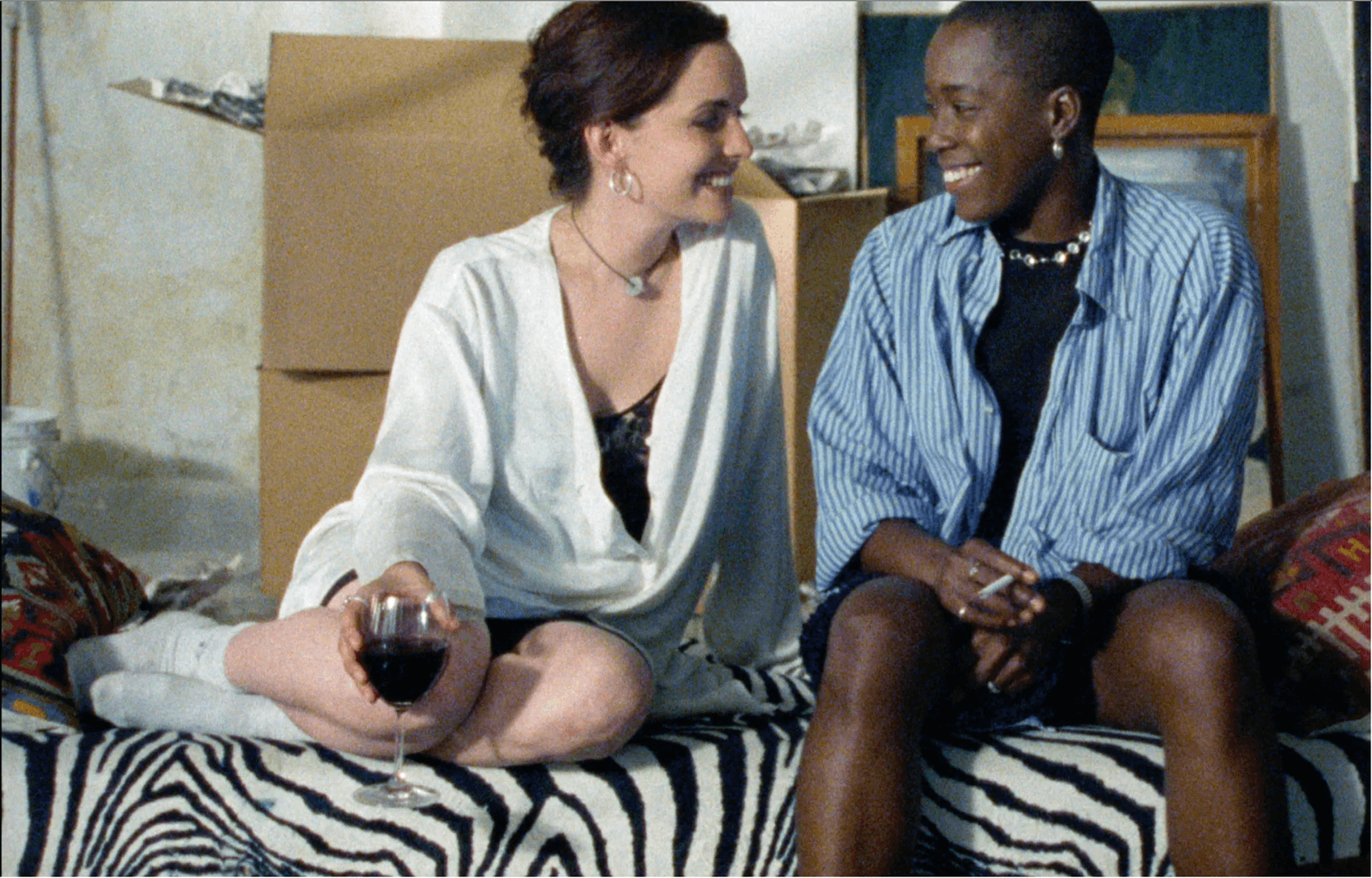
Cheryl Dunye’s groundbreaking The Watermelon Woman blends fiction and documentary to explore the erasure of Black queer women from film history. Funny, incisive, and playfully self-reflexive, this landmark of New Queer Cinema follows a filmmaker determined to uncover the story behind a forgotten face on screen. Cheryl, played by Dunye herself, is a young Black lesbian working at a video store in Philadelphia while pursuing her filmmaking ambitions. Fascinated by a Black actress credited only as “The Watermelon Woman” in a 1930s Hollywood film, Cheryl sets out to discover her name and history. Her research leads her into the intertwined worlds of race, sexuality, representation, and the hidden lives of Black women in cinema. Meanwhile, her budding relationship with Diana, played by queer cinema icon Guinevere Turner, raises questions about desire, privilege, and interracial intimacy. Moving between archival-style footage, interviews, personal video diaries, and fictional storytelling, Dunye blurs the boundaries between fact and invention. With wit and critical insight, The Watermelon Woman challenges histories that exclude queer voices and imagines new ways to reclaim them. Both a personal journey and a radical act of cinematic self-definition, the film remains a defining work of Black lesbian cinema.
Trailer
Filmmaker Bio
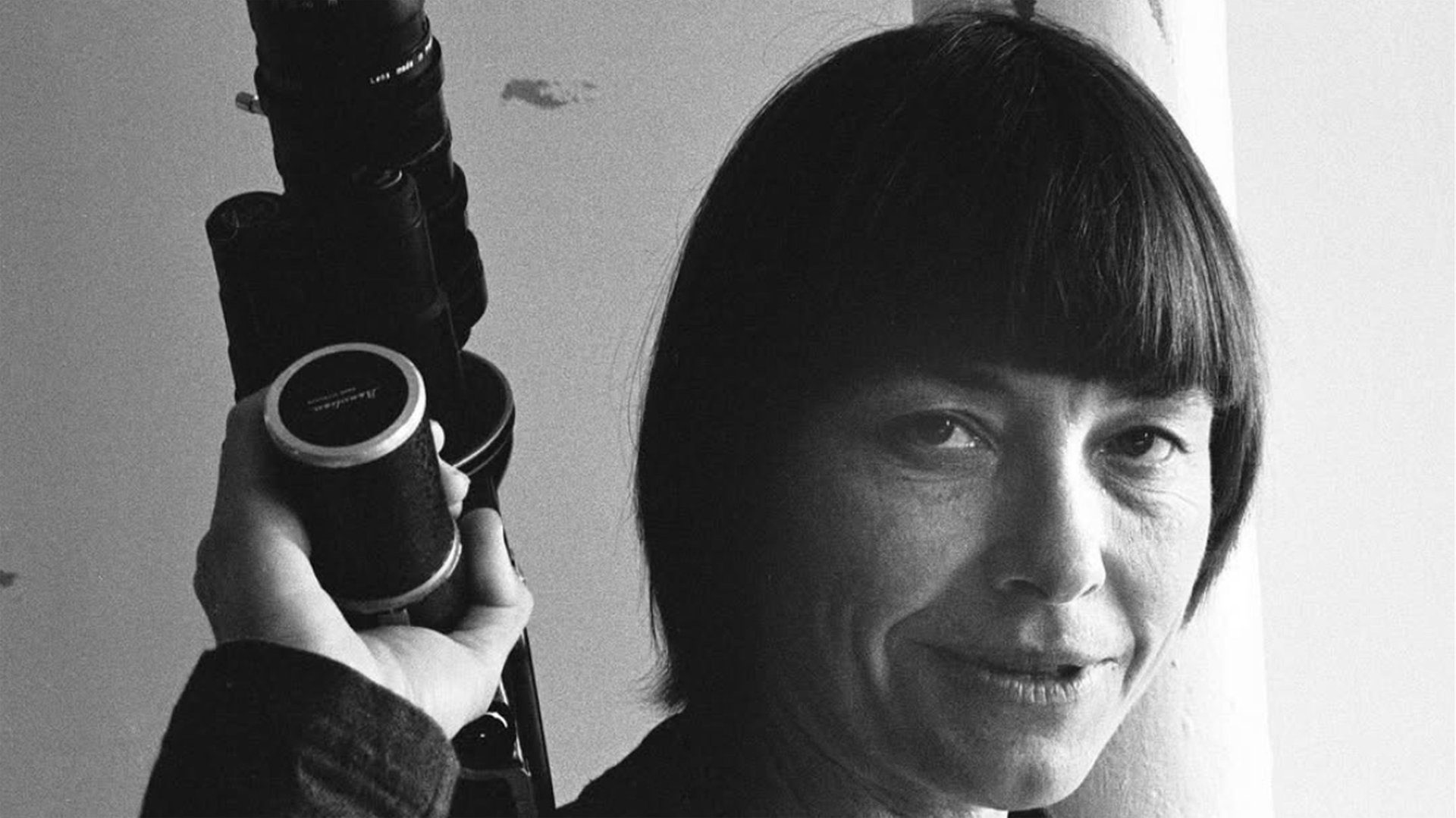
Cheryl Dunye is a Liberian-American filmmaker, screenwriter, producer and actor whose work explores race, sexuality, gender and Black lesbian experience. Her early films blended documentary and fiction in a style she calls “Dunyementaries.” Her feature debut, The Watermelon Woman (1996), made her the first out Black lesbian to direct a narrative feature and won the Teddy Award at the Berlinale. Her films also include Stranger Inside (2001), The Owls (2010) and Mommy Is Coming (2012). She has also directed episodes of Queen Sugar, Dear White People and Lovecraft Country.
Director's Statement
With The Watermelon Woman, Cheryl Dunye wanted to document a Black queer and lesbian culture she felt was not being recorded, drawing directly from her own community while creating a fictional history around Fae Richards. For Dunye, images are powerful because their meaning depends on who makes them and what story is attached to them. She knew the film was breaking new ground because there was little precedent for the stories she wanted to tell, and embraced that freedom to create the history she could not find in existing archives.
Producer
Alexandra Juhasz, Barry Swimar
Writer
Cheryl Dunye
Cast
- Cheryl Dunye
- Guinevere Turner
- Valarie Walker
- Lisa Marie Bronson
- Cheryl Clarke
You might also like