Image+Nation
TEST

TEST

SAM MCCONNELL | USA | 2026 | 108 MIN | ENGLISH

SAM MCCONNELL | USA | 2026 | 108 MIN | ENGLISH

IN-CINEMAFeatureFIRST FILMSGAME ON: QUEER SPORTS
NOV 20 / 21:00Sir George Williams Alumni Auditorium (H110) | Concordia University 1455 Boul. de Maisonneuve O. Montréal, QC H3G 1M8 (métro Guy-Concordia)

Synopsis

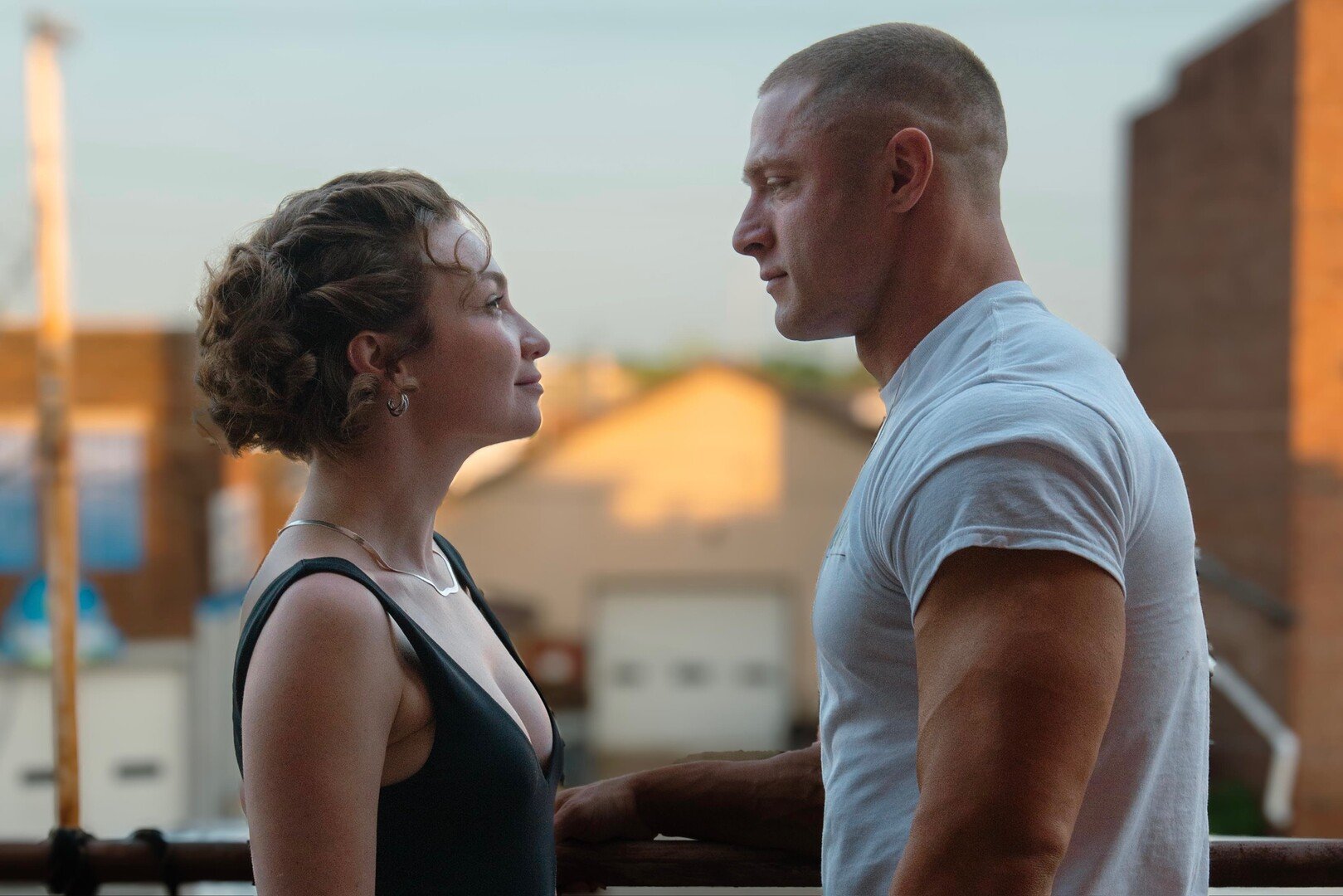
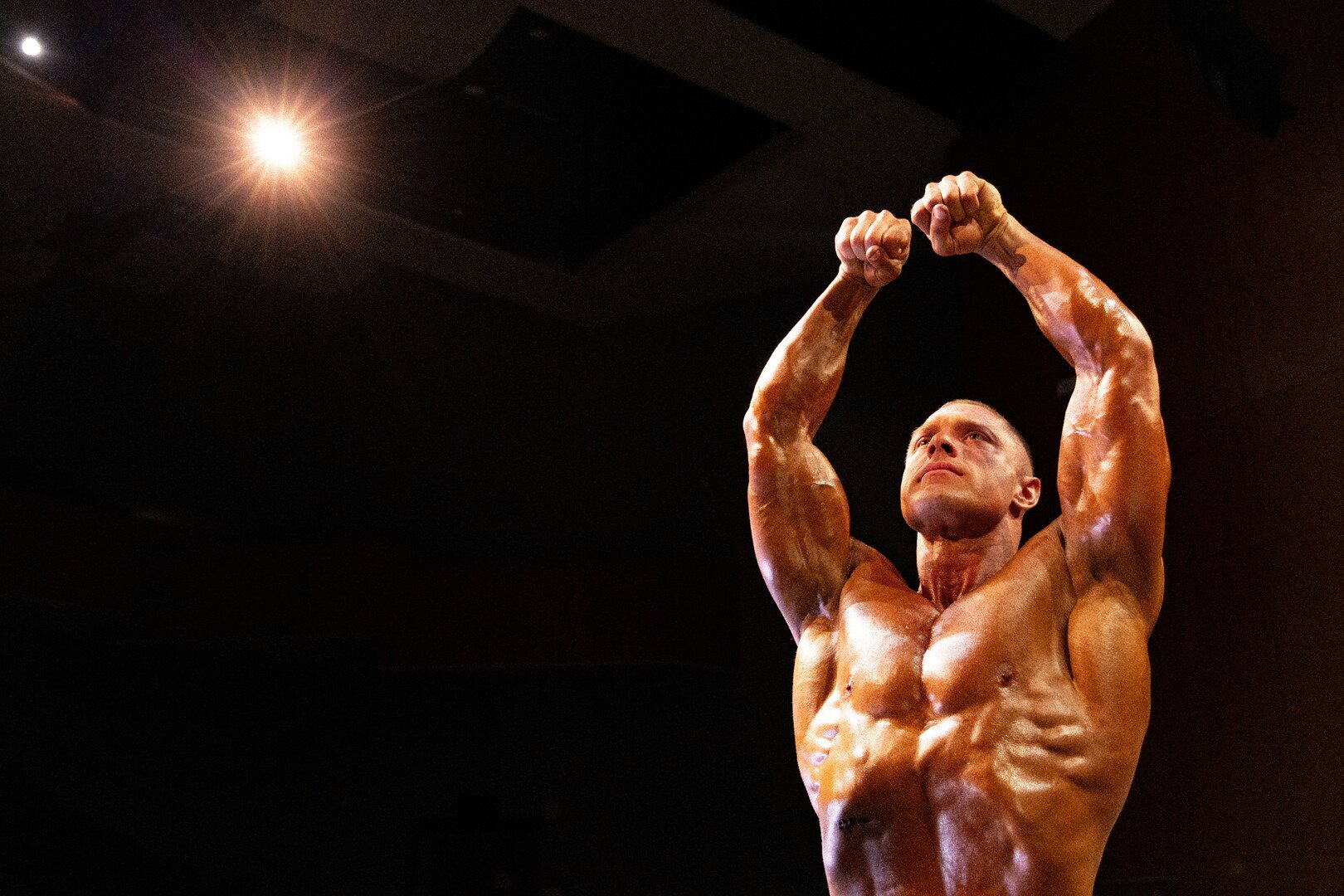
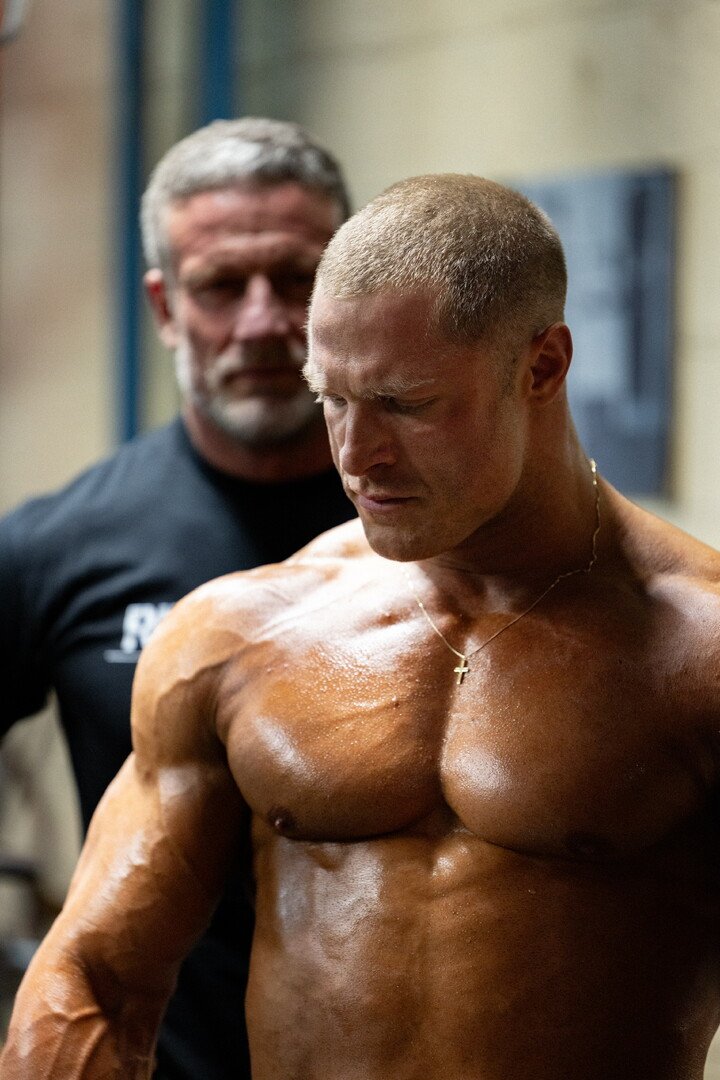
In an Ohio town where “Jesus Is the Answer,” bodybuilder Eddie scrapes by on cam work, determined to go pro backed by the ultimate momager. But when an alluring older coach offers to mould him, Eddie is tempted by success and his nascent bisexuality to shred the ties that bind. Hype woman, tan technician, co-dependent—Eddie’s boozing, pill-popping mom (Tony nominee Tammy Blanchard) fiercely champions her son (Brock Yurich). But she’s never led him to victory. Coach Mike (Mike Edward) guarantees he can. Under his tutelage, Eddie gains confidence, technique, and access to free performance-enhancing drugs, as well as a crush, every muscle graze the prelude to an explosive awakening. Unbeknownst to Mike, Eddie is also mastering finesse through ballet lessons with the ex-girlfriend (Paloma Garcia-Lee) he’s still enamoured with. A combination that may be enough to conquer his cocky rival—the estranged son Mike desperately wants back in his life—or cause Eddie to crucify himself in the process. Featuring Glee’s Matthew Morrison as a dictatorial pastor, Test is fascinating filmmaking unafraid to wrestle with tough conversations and thorny themes, from religion to body image, steroid use to economic desperation.

Trailer

Filmmaker Bio

Sam McConnell is a writer, director and producer, and a partner at the New York- and Los Angeles-based production company McConnell / Hauser. He directed the award-winning documentary Camp RicStar (2024) and produced the HBO documentaries The Out List and The Trans List with director Timothy Greenfield-Sanders. He also directed episodes of Peacock's The Warehouse Phase and the first season of Older Hotter Wiser (2025). McConnell has directed five short films screened at festivals in the U.S. and internationally. He holds a BA and MFA from Columbia University. Test is his narrative feature debut.

Director's Statement

The script resonated with my own struggles growing up in a very religious and conservative Utah where it was dangerous to even be perceived as queer. […] I'm interested in exploring themes of masculinity in this film and specifically how they intersect with intimacy, vulnerability, and the physical body. […] The film I set out to make is an unflinching, raw and honest portrayal of life rooted in the specific location of blue-collar Eastern Ohio. The location lends itself to a tone of poetic realism; free of satire, it isn't interested in judgment, blame, or caricature.

Producer

Julie Christeas, Daryl Freimark

Writer

Brock Yurich

Cast

  • Brock Yurich
  • Tammy Blanchard
  • Matthew Morrison
  • Paloma Garcia-Lee
  • Evan Hall
  • Mike Edward
Image
Image
Image
Image

You might also like

PosterDocumentaryIN-CINEMAVIRTUAL
THE BRITTNEY GRINER STORY[GAME ON: QUEER SPORTS]107 minutesNOV 21 / 12:00

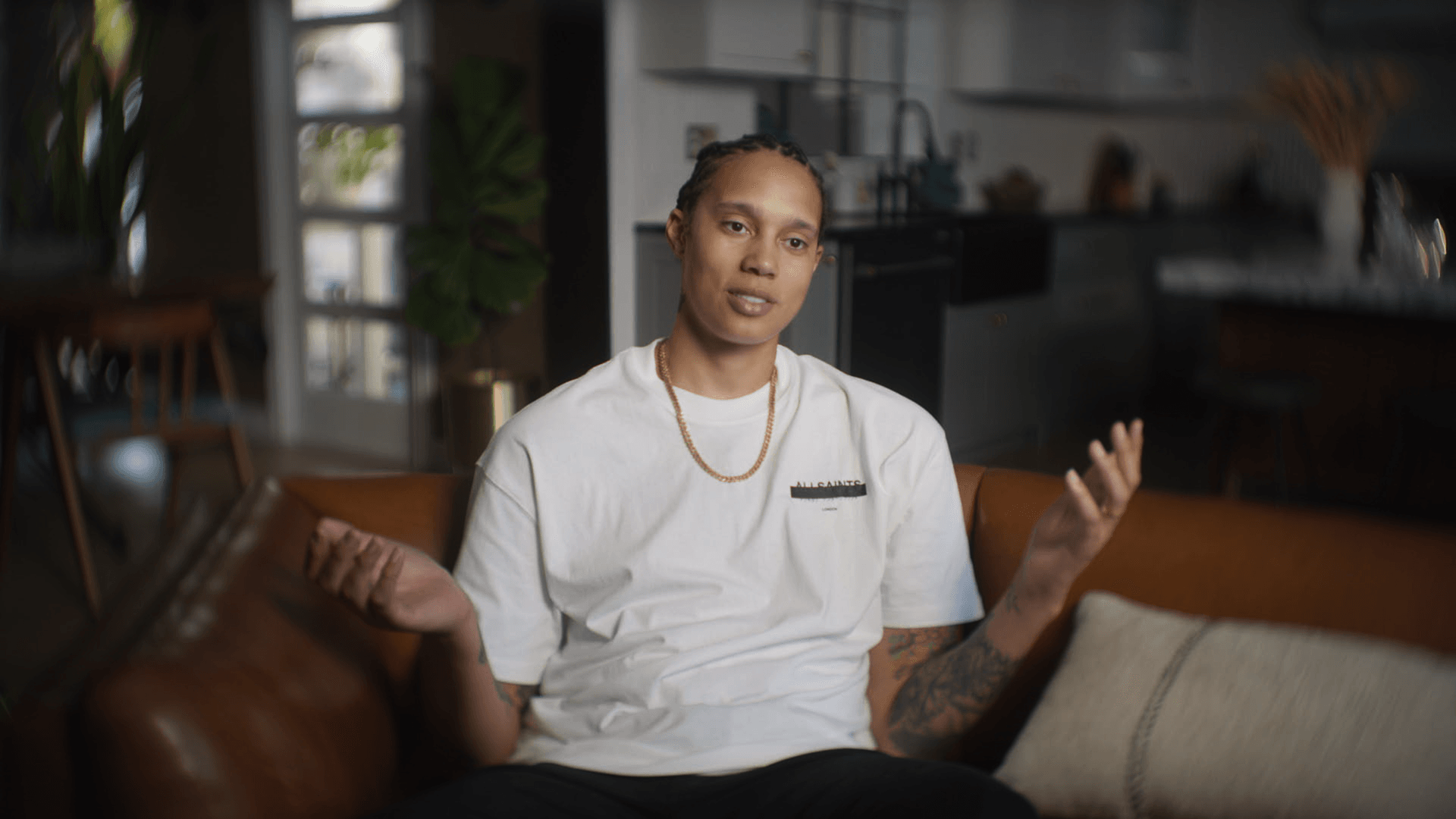
One fateful morning, Brittney Griner’s everyday life went from easy dunks and admiring crowds as a WNBA star and Olympic gold medalist, to unrelenting fear, malnourishment, and dangerous work conditions in a freezing cold Russian penal colony. With less than a gram of cannabis oil found in her luggage, what might be considered careless oversight led to immense repercussions that rocked nations, became a wedge political issue, and would be used as a cudgel against “wokeness.” Captured by director Alexandria Stapleton (Sean Combs: The Reckoning), Griner’s rise to fame, family dynamics, and home life with her wife and baby are interspersed with a play-by-play of the incident. Griner, given the circumstances, comes off as affable and gracious, even as she recounts her harrowing 295 days in custody. It is in the aftermath of this spectacle that we witness the joy of a fresh start through the continuation of her wife’s tireless advocacy for international hostages and a renewed appreciation for her beloved sport.

PosterFeatureIN-CINEMA
THE WATERMELON WOMAN[FIRST FILMS]90 minutesNOV 29 / 13:00

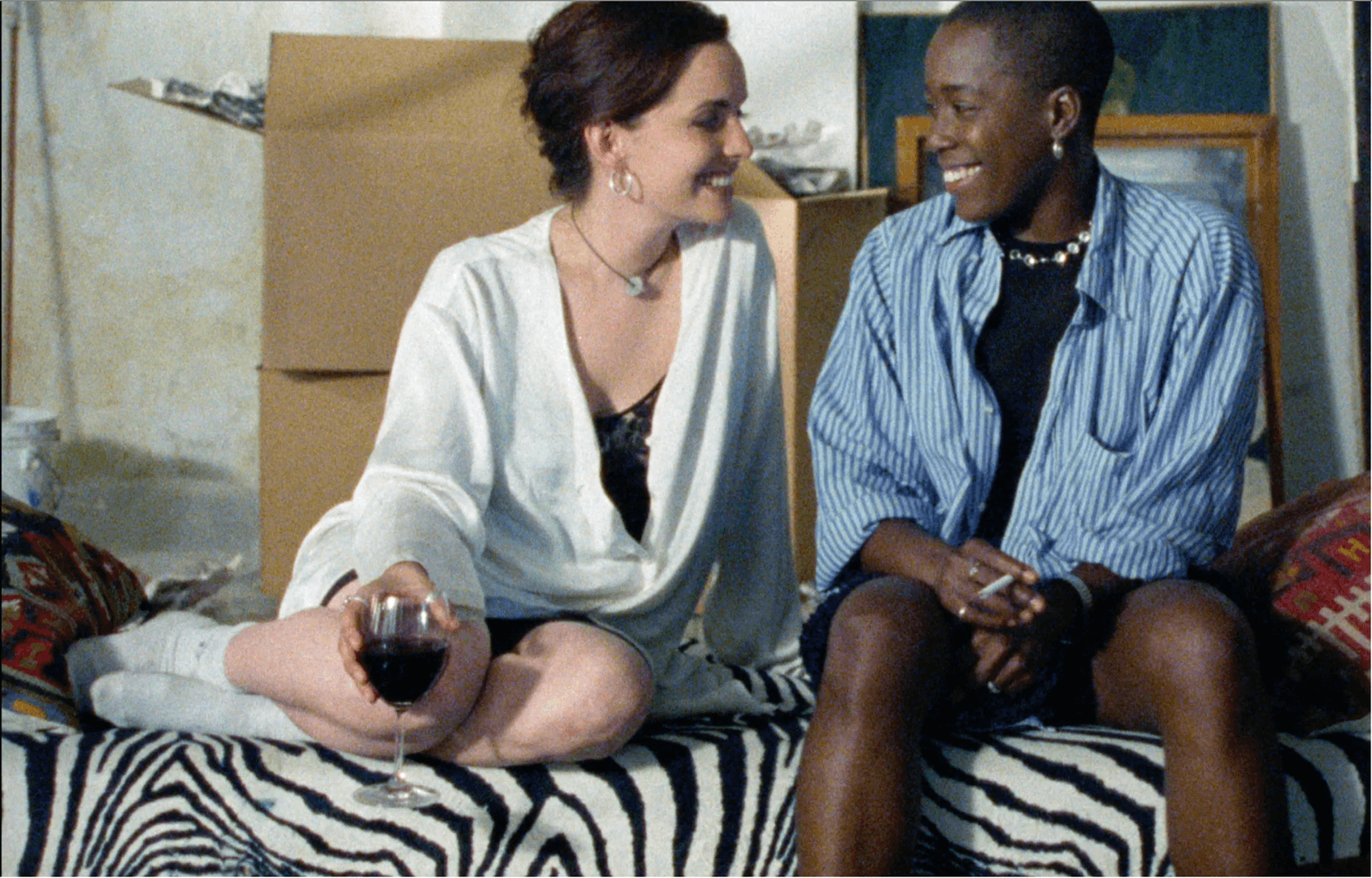
Cheryl Dunye’s groundbreaking The Watermelon Woman blends fiction and documentary to explore the erasure of Black queer women from film history. Funny, incisive, and playfully self-reflexive, this landmark of New Queer Cinema follows a filmmaker determined to uncover the story behind a forgotten face on screen. Cheryl, played by Dunye herself, is a young Black lesbian working at a video store in Philadelphia while pursuing her filmmaking ambitions. Fascinated by a Black actress credited only as “The Watermelon Woman” in a 1930s Hollywood film, Cheryl sets out to discover her name and history. Her research leads her into the intertwined worlds of race, sexuality, representation, and the hidden lives of Black women in cinema. Meanwhile, her budding relationship with Diana, played by queer cinema icon Guinevere Turner, raises questions about desire, privilege, and interracial intimacy. Moving between archival-style footage, interviews, personal video diaries, and fictional storytelling, Dunye blurs the boundaries between fact and invention. With wit and critical insight, The Watermelon Woman challenges histories that exclude queer voices and imagines new ways to reclaim them. Both a personal journey and a radical act of cinematic self-definition, the film remains a defining work of Black lesbian cinema.

PosterDocumentaryIN-CINEMA
JARIPEO[GAME ON: QUEER SPORTS]71 minutesNOV 21 / 13:00

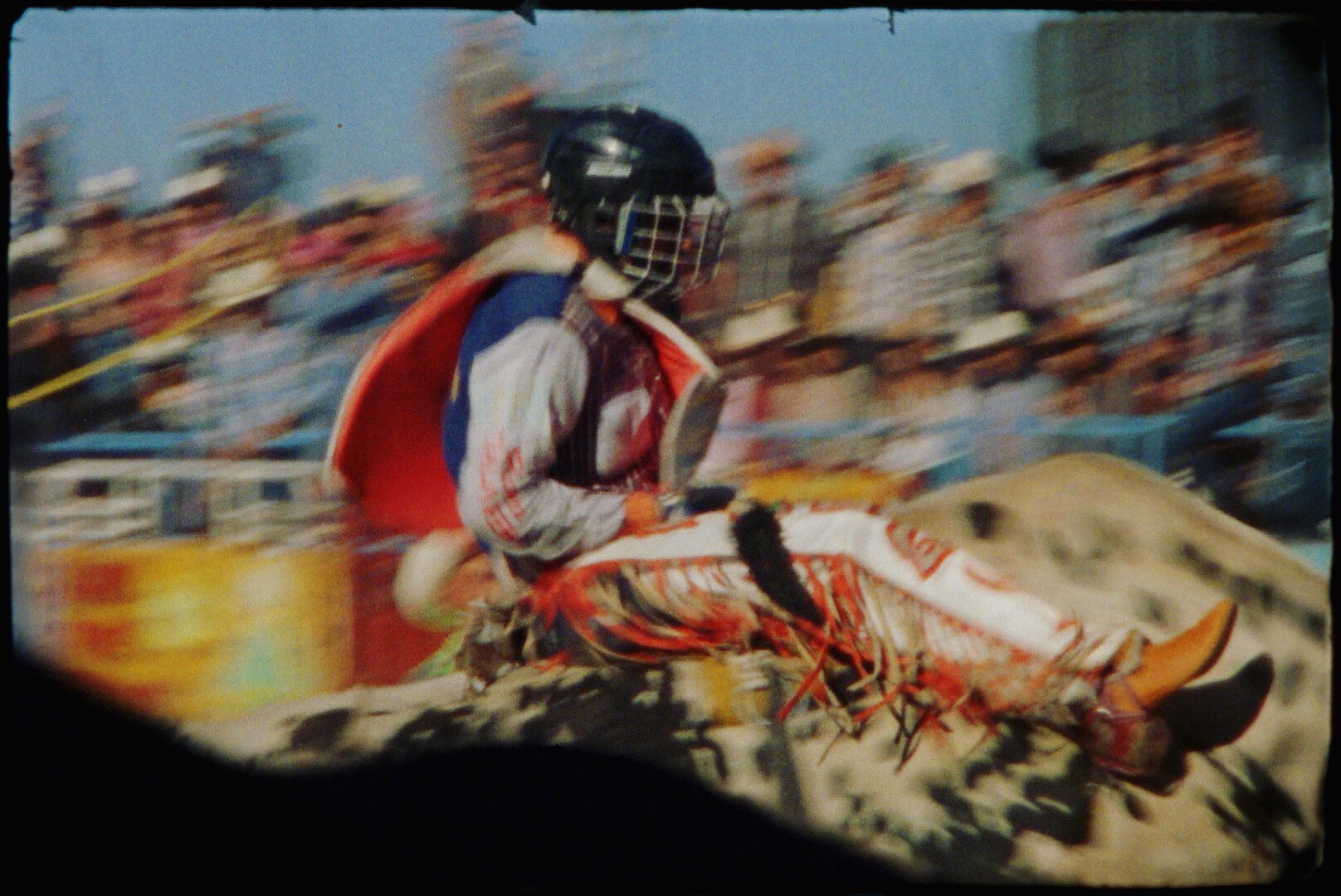
Furtive glances, sexy fashion, the alcohol-fuelled excuse to flirt, dance and sneak past the fences: rodeo culture offers more than bull riding. In intimate profiles of queer Michoacáns—from a free and femme church leader to a hypermasculine cowboy—Efraín Mojica attempts to deconstruct the traditions and contradictions of their roots. For as long as Mojica can remember, Mexico’s jaripeo bull-riding events have been part of their life—from bored childhood trips to teen cowboy fantasies to the present, lost in the packed crowd on a hot Christmas Day. The masculinized events are seeped in religion and booze, but within and often because of the strict codes, queer subcultures flourish. Mojica and Rebecca Zweig’s documentary lassos together these complexities, doing so in kinetic and sensual ways, fingers slipping down ropes, hips bucking on top of a bull. Together, the two directors maximize the filmic medium, combining frank, beautifully lensed conversations with mesmeric Super 8 footage, pulse-pounding music, and dreamy sequences: red lights flashing among dried corn stalks; a red-eyed mechanical bull, nose steaming. The film acting as a bridge between the vivid external and internal lives of a region and its defining rituals.

PosterFeatureIN-CINEMA
DON’T COME OUT (NO SALGAS)[FIRST FILMS]105 minutesNOV 21 / 21:15

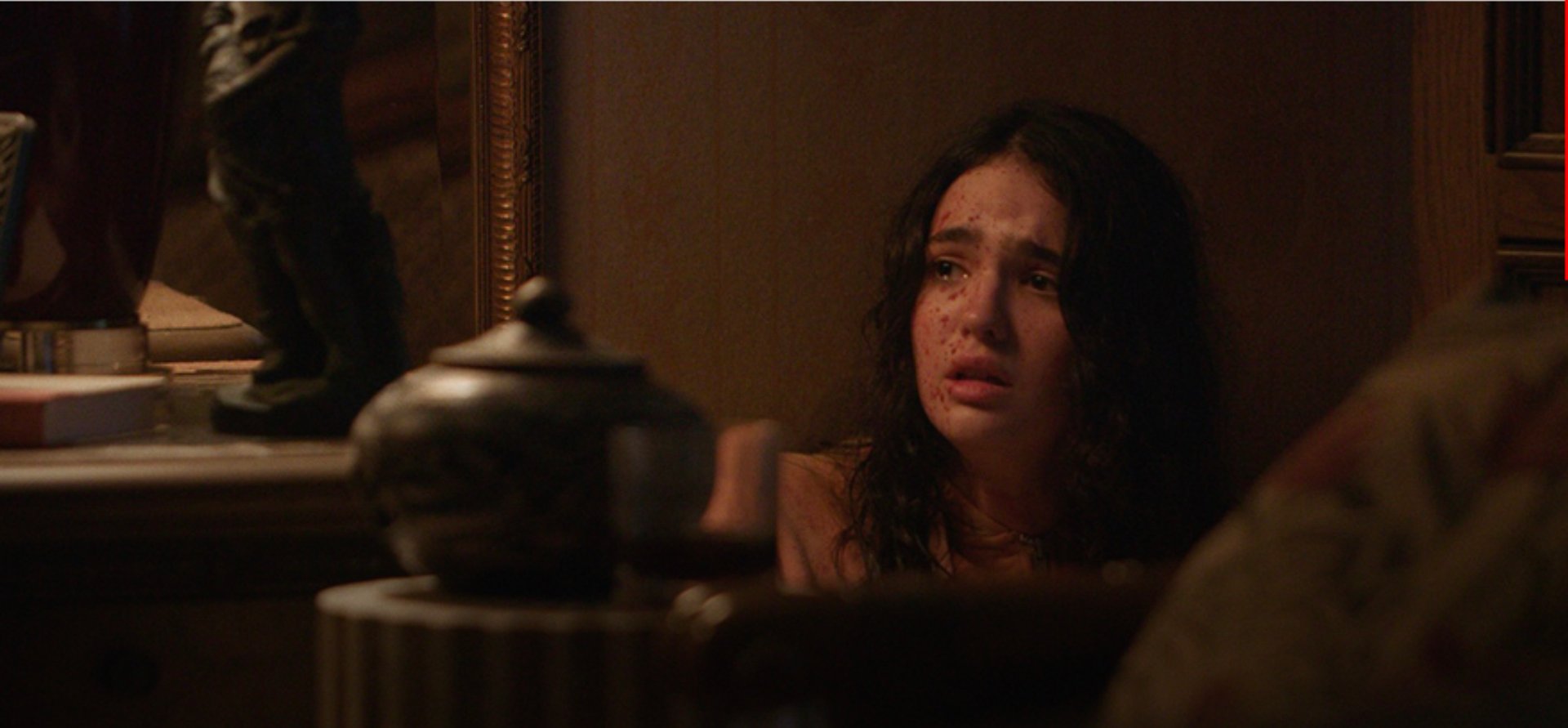
Poignant and powerful, Don’t Come Out is a horror film that brings visibility to queer femme identity, and with a visceral intensity that is impossible to ignore. It spares no detail in the consequences of authenticity in a homophobic and misogynistic environment; particularly, how it permeates and haunts the mind. Medical student Liz lives a seemingly charmed life. As long as she is careful, consequence is only a word. After the sudden and brutal death of her secret girlfriend, Liz keeps up appearances, playing the role of dutiful daughter and passing as straight in her relationship with her doting boyfriend. When she makes a weekend getaway with her best friends, the reality dawns on her that escape is not really an option. As she finds herself enmeshed in sapphic desire again, the horror of breaking social norms ensues, and there is no going back from it. Informed by giallo cinema—blending suspense, eroticism, and stylish cinematography—as well as modernist and grotesque art elements, Don’t Come Out is sure to linger with you long after the credits roll.

PosterFeatureIN-CINEMA
BLACK BURNS FAST[FIRST FILMS]95 minutesNOV 21 / 14:10

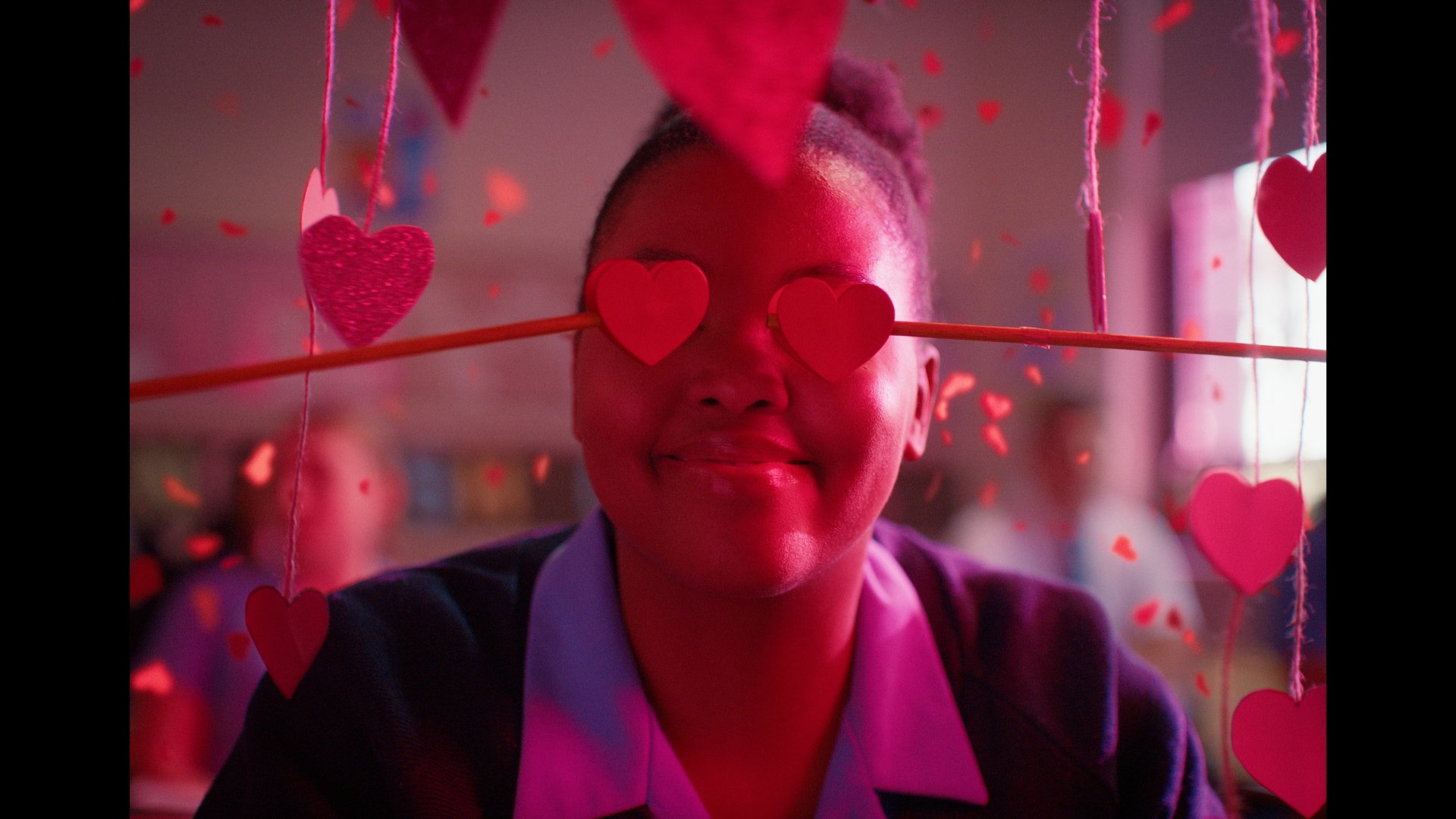
What do you get when you place a teenage scholarship student of modest origins in a religious prep school? Now factor in race, sexuality, and an impossibly cool transfer student who keeps making eye contact from across the room? The answer is a refreshing comedy that never fails to deliver on realism, following Luthando and her entourage as they strike out on their journey of female friendship, teen drama, dating, and social pressure. This light-hearted and engaging romp follows an expansive cast, contrasting the wonder of youth and naivety with the trials of loyalty and betrayal, as well as friendship and romance, but above all else, the tricky nuances of obedience and rebellion. Black Burns Fast explores the transitional pains from adolescence to young adulthood and burgeoning sexuality, with thoughts and ideas processing visually through on-screen animation while text message conversation threads weave subplots throughout the prep school ecosystem as a microcosm for the world that lies ahead–a world of social inequality and double standards: whether for race, sex, or class, and the acts of courage in speaking up for not only yourself, but also for those whom you love.

PosterFeatureIN-CINEMA
DU FIOUL DANS LES ARTÈRES (FLESH AND FUEL)[FIRST FILMS]90 minutesNOV 22 / 19:00

Writer-director Pierre Le Gall’s stealthy masterwork delivers the unexpected: a will-they-won’t-they romance set amidst late capitalist corrosion and the horrible majesty of industrial landscapes. A French, conscientious pro-trucker unusually giddy for his underpaid Polish competition after a thwarted hookup. The two embarking on a tortuous long-distance relationship with profound potential. Étienne (Alexis Manenti) works at a frenetic pace. Endless, back-aching hours with barely time for a sink bath. Contending with soaring gas prices, snarls of traffic, and dirt-cheap labour undercutting his business. His only respites a distant family and friendly dispatcher, and the occasional cruise of the woods near a truck stop—until that, too, is spoiled. Broken up by police. Étienne saved from prison time by the quick thinking of his partner in the shadows, Bartosz (Julian Swiezewski). Étienne finds Bartosz curious, his irreverence endearing. And soon he’s looking for him in every semi. Talking through fantasies with him on FaceTime. Trading eatery recommendations and compliments. Bartosz’s freewheeling spirit upending Étienne’s steady life. Flesh and Fuel puts real, desirous bodies in cramped, working-class spaces, building Étienne’s whole world out of an 18-wheeler cab. Before love begins to reveal its limits.

PosterDocumentaryIN-CINEMAVIRTUAL
GIVE ME THE BALL![GAME ON: QUEER SPORTS]102 minutesNOV 27 / 20:30

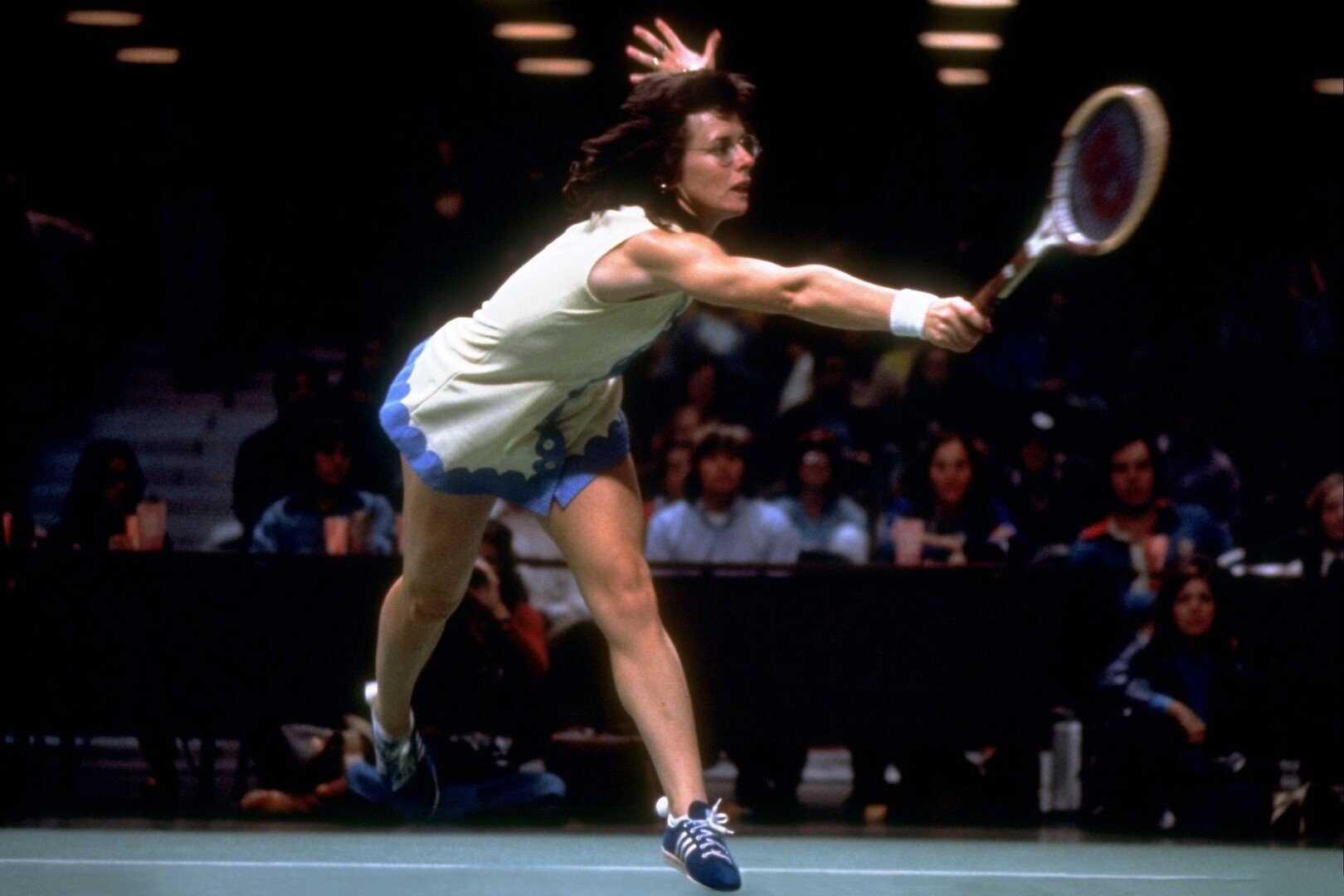
1973 was a pivotal year in tennis, but sports superstar Billie Jean King was an emotional mess. The title of Number One tennis champion would turn out to be an easy win compared to the rights she was about to claim for the next generation. Winner of the women’s singles title at the 1968 Wimbledon Championship, and founder of the Women’s Tennis Association, Billie Jean King made history as a fearless athlete, transcending expectations of what women athletes could achieve. A friend of music legend Elton John, and rival of the self-proclaimed male chauvinist Bobby Riggs, King sits down with Liz Garbus and Elizabeth Wolff to discuss her impressive career, as well as her personal life, amidst second wave feminism and a chaotic double life as a public sports figure questioning her sexual orientation behind the scenes. From King’s humble origins–excluded from a team photo for wearing home-sewn tennis shorts instead of a dress–to her massive success, subsequent downfall, and rise back to a dignified public image, Give Me the Ball! tells a remarkable story for the warrior in us all who refuses to be treated like a second-class citizen.

PosterFeatureIN-CINEMA
TRIAL OF HEIN (DER HEIMATLOSE)[FIRST FILMS]122 minutesNOV 21 / 16:45

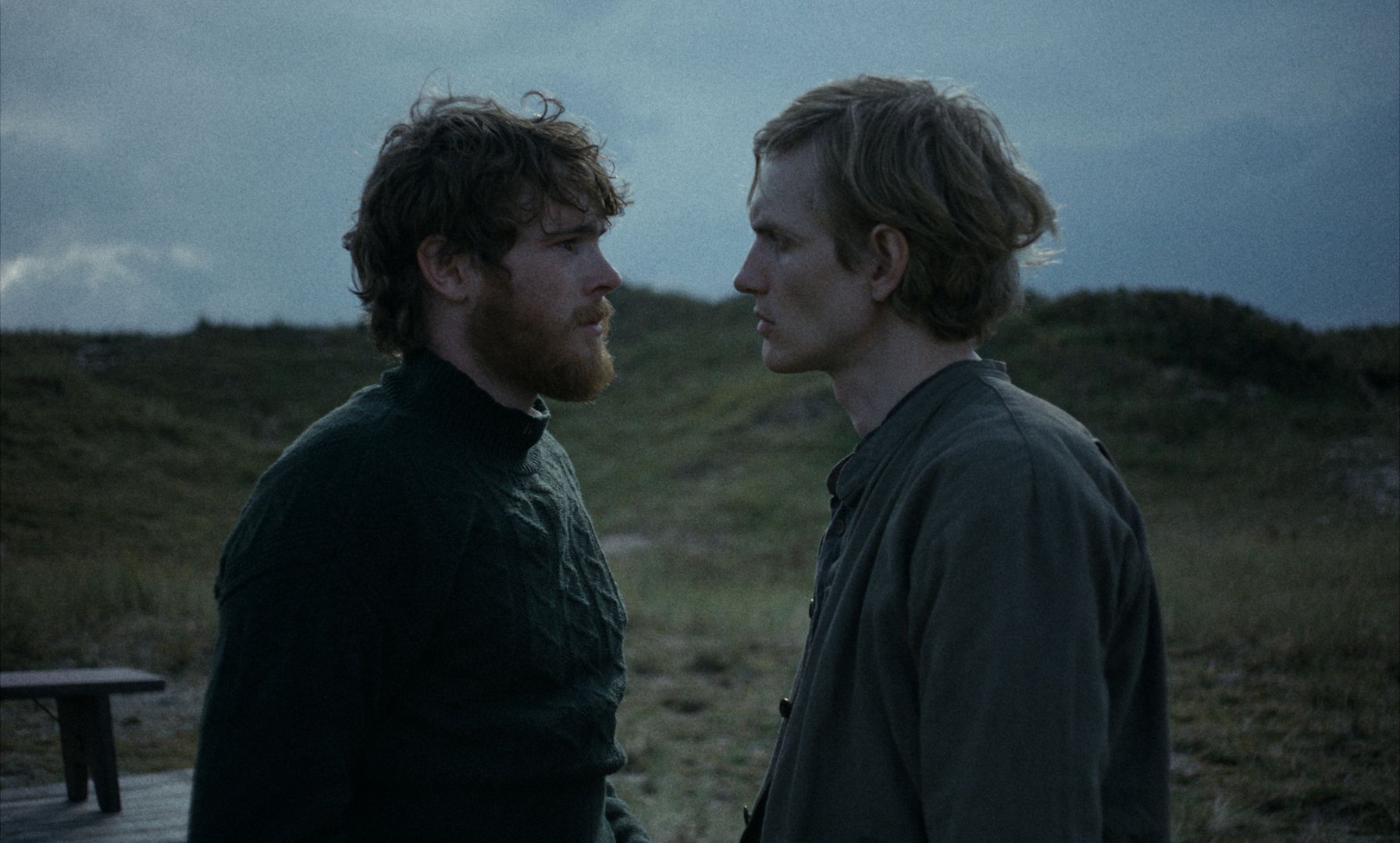
14 years later, Hein returns to a wind-scraped island in the North Sea. Its eerie, Brechtian settlement of half-built houses guarded by a community prone to paranoia. Hein plunged into a dark scheme to prove his identity and the true nature of a once great love. Though he once called the tiny island home, Hein (Paul Boche) is unrecognizable even to his closest confidants, Greta (Emilia Schüle) and the forlorn Friedemann (Philip Froissant). Is Hein as devious as the villagers imply? Or is their ignorance some slippery plot hatched against him? Armed with a locket meant to unseal his relationship with Friedemann, Hein is determined to be taken for who he says he is and to allow others this same grace. His insistence leading to a trial presided over by an imperious leader (Julika Jenkins), the community’s goodwill dependent on its outcome. A trial where competing memories are judged, and Hein and Friedemann are compelled to remaster their childhood game of “Lies.” Writer-director Kai Stänicke’s tense psychodrama is an engaging allegory of how conformity shuns queerness in all its forms, and how one must insist fiercely on one’s own dignity.

PosterFeatureIN-CINEMA
PERSONAL BEST[RE:VISION RETRO QUEER]124 minutesNOV 26 / 20:30

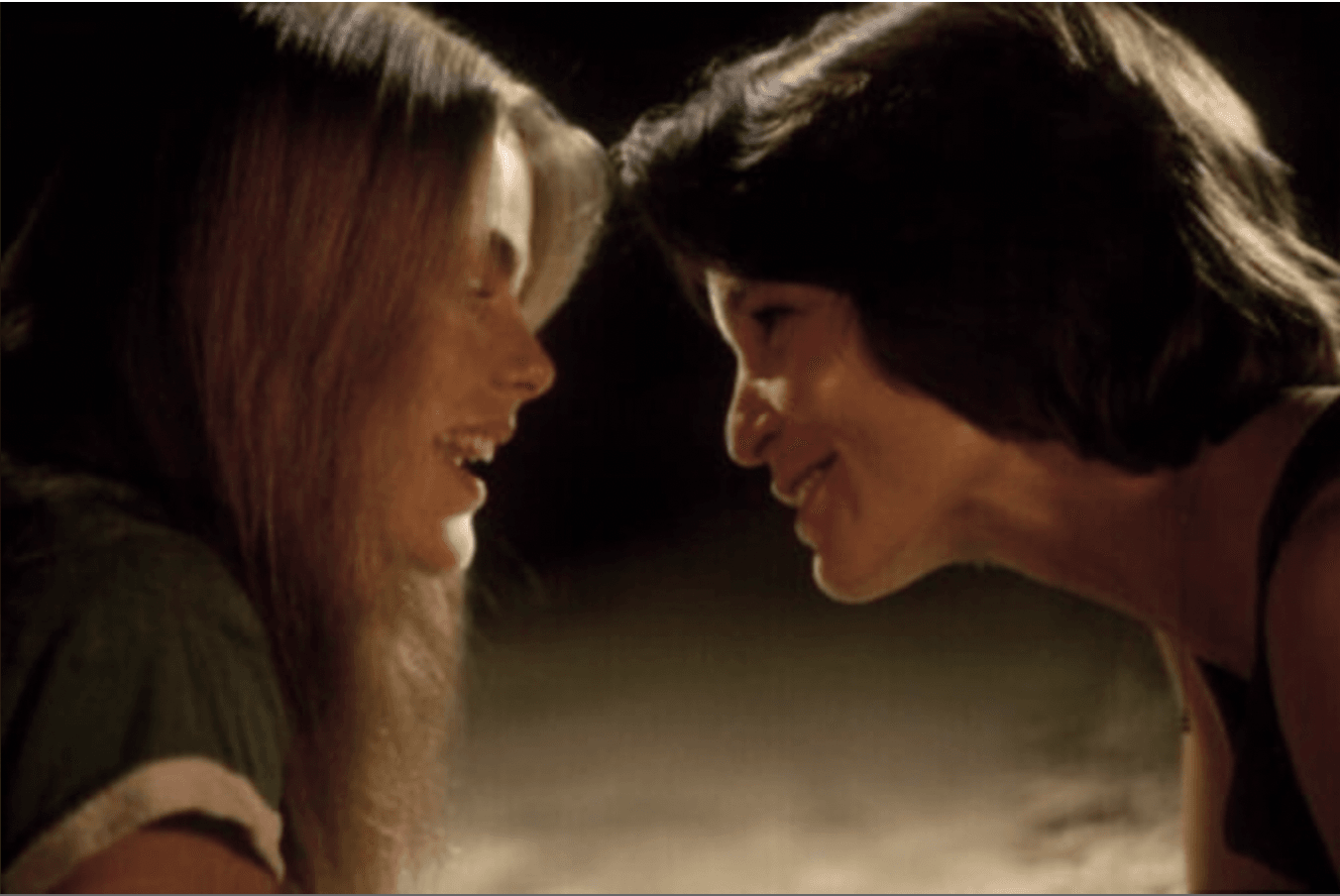
On the track, everything is about winning. Off it, two women discover something far more complicated: desire, intimacy, and the thrill of finding someone who can match your stride. Robert Towne’s Personal Best is a sensual, athletic, and quietly radical portrait of queer desire and female ambition. Chris Cahill (Mariel Hemingway) is a talented young track-and-field athlete still searching for confidence when she meets Tory Skinner (Patrice Donnelly), an accomplished pentathlete preparing for the Olympic Trials. Their friendship quickly deepens into an intimate relationship, while Tory becomes both Chris’s mentor and fiercest competitor. Training together under demanding coach Terry Tingloff (Scott Glenn), the women push each other toward new heights. But as Chris’s abilities grow, so does the tension between them. The demands of elite competition—and the possibility of Olympic glory—force them to navigate the shifting boundaries between love, friendship, rivalry, and independence. Towne’s directorial debut remains striking for its frank portrayal of women athletes and queer intimacy. Shot with an immediacy that captures both the physical intensity of competition and the sensuality of the women’s relationship, Personal Best is a film about bodies in motion, ambition, desire, and the complicated ways we push one another to become our best selves.

PosterDocumentaryIN-CINEMAVIRTUAL
THE BRITTNEY GRINER STORY[GAME ON: QUEER SPORTS]107 minutesNOV 21 / 12:00

One fateful morning, Brittney Griner’s everyday life went from easy dunks and admiring crowds as a WNBA star and Olympic gold medalist, to unrelenting fear, malnourishment, and dangerous work conditions in a freezing cold Russian penal colony. With less than a gram of cannabis oil found in her luggage, what might be considered careless oversight led to immense repercussions that rocked nations, became a wedge political issue, and would be used as a cudgel against “wokeness.” Captured by director Alexandria Stapleton (Sean Combs: The Reckoning), Griner’s rise to fame, family dynamics, and home life with her wife and baby are interspersed with a play-by-play of the incident. Griner, given the circumstances, comes off as affable and gracious, even as she recounts her harrowing 295 days in custody. It is in the aftermath of this spectacle that we witness the joy of a fresh start through the continuation of her wife’s tireless advocacy for international hostages and a renewed appreciation for her beloved sport.

PosterFeatureIN-CINEMA
THE WATERMELON WOMAN[FIRST FILMS]90 minutesNOV 29 / 13:00

Cheryl Dunye’s groundbreaking The Watermelon Woman blends fiction and documentary to explore the erasure of Black queer women from film history. Funny, incisive, and playfully self-reflexive, this landmark of New Queer Cinema follows a filmmaker determined to uncover the story behind a forgotten face on screen. Cheryl, played by Dunye herself, is a young Black lesbian working at a video store in Philadelphia while pursuing her filmmaking ambitions. Fascinated by a Black actress credited only as “The Watermelon Woman” in a 1930s Hollywood film, Cheryl sets out to discover her name and history. Her research leads her into the intertwined worlds of race, sexuality, representation, and the hidden lives of Black women in cinema. Meanwhile, her budding relationship with Diana, played by queer cinema icon Guinevere Turner, raises questions about desire, privilege, and interracial intimacy. Moving between archival-style footage, interviews, personal video diaries, and fictional storytelling, Dunye blurs the boundaries between fact and invention. With wit and critical insight, The Watermelon Woman challenges histories that exclude queer voices and imagines new ways to reclaim them. Both a personal journey and a radical act of cinematic self-definition, the film remains a defining work of Black lesbian cinema.

PosterDocumentaryIN-CINEMA
JARIPEO[GAME ON: QUEER SPORTS]71 minutesNOV 21 / 13:00

Furtive glances, sexy fashion, the alcohol-fuelled excuse to flirt, dance and sneak past the fences: rodeo culture offers more than bull riding. In intimate profiles of queer Michoacáns—from a free and femme church leader to a hypermasculine cowboy—Efraín Mojica attempts to deconstruct the traditions and contradictions of their roots. For as long as Mojica can remember, Mexico’s jaripeo bull-riding events have been part of their life—from bored childhood trips to teen cowboy fantasies to the present, lost in the packed crowd on a hot Christmas Day. The masculinized events are seeped in religion and booze, but within and often because of the strict codes, queer subcultures flourish. Mojica and Rebecca Zweig’s documentary lassos together these complexities, doing so in kinetic and sensual ways, fingers slipping down ropes, hips bucking on top of a bull. Together, the two directors maximize the filmic medium, combining frank, beautifully lensed conversations with mesmeric Super 8 footage, pulse-pounding music, and dreamy sequences: red lights flashing among dried corn stalks; a red-eyed mechanical bull, nose steaming. The film acting as a bridge between the vivid external and internal lives of a region and its defining rituals.

PosterFeatureIN-CINEMA
DON’T COME OUT (NO SALGAS)[FIRST FILMS]105 minutesNOV 21 / 21:15

Poignant and powerful, Don’t Come Out is a horror film that brings visibility to queer femme identity, and with a visceral intensity that is impossible to ignore. It spares no detail in the consequences of authenticity in a homophobic and misogynistic environment; particularly, how it permeates and haunts the mind. Medical student Liz lives a seemingly charmed life. As long as she is careful, consequence is only a word. After the sudden and brutal death of her secret girlfriend, Liz keeps up appearances, playing the role of dutiful daughter and passing as straight in her relationship with her doting boyfriend. When she makes a weekend getaway with her best friends, the reality dawns on her that escape is not really an option. As she finds herself enmeshed in sapphic desire again, the horror of breaking social norms ensues, and there is no going back from it. Informed by giallo cinema—blending suspense, eroticism, and stylish cinematography—as well as modernist and grotesque art elements, Don’t Come Out is sure to linger with you long after the credits roll.

PosterFeatureIN-CINEMA
BLACK BURNS FAST[FIRST FILMS]95 minutesNOV 21 / 14:10

What do you get when you place a teenage scholarship student of modest origins in a religious prep school? Now factor in race, sexuality, and an impossibly cool transfer student who keeps making eye contact from across the room? The answer is a refreshing comedy that never fails to deliver on realism, following Luthando and her entourage as they strike out on their journey of female friendship, teen drama, dating, and social pressure. This light-hearted and engaging romp follows an expansive cast, contrasting the wonder of youth and naivety with the trials of loyalty and betrayal, as well as friendship and romance, but above all else, the tricky nuances of obedience and rebellion. Black Burns Fast explores the transitional pains from adolescence to young adulthood and burgeoning sexuality, with thoughts and ideas processing visually through on-screen animation while text message conversation threads weave subplots throughout the prep school ecosystem as a microcosm for the world that lies ahead–a world of social inequality and double standards: whether for race, sex, or class, and the acts of courage in speaking up for not only yourself, but also for those whom you love.

PosterFeatureIN-CINEMA
DU FIOUL DANS LES ARTÈRES (FLESH AND FUEL)[FIRST FILMS]90 minutesNOV 22 / 19:00

Writer-director Pierre Le Gall’s stealthy masterwork delivers the unexpected: a will-they-won’t-they romance set amidst late capitalist corrosion and the horrible majesty of industrial landscapes. A French, conscientious pro-trucker unusually giddy for his underpaid Polish competition after a thwarted hookup. The two embarking on a tortuous long-distance relationship with profound potential. Étienne (Alexis Manenti) works at a frenetic pace. Endless, back-aching hours with barely time for a sink bath. Contending with soaring gas prices, snarls of traffic, and dirt-cheap labour undercutting his business. His only respites a distant family and friendly dispatcher, and the occasional cruise of the woods near a truck stop—until that, too, is spoiled. Broken up by police. Étienne saved from prison time by the quick thinking of his partner in the shadows, Bartosz (Julian Swiezewski). Étienne finds Bartosz curious, his irreverence endearing. And soon he’s looking for him in every semi. Talking through fantasies with him on FaceTime. Trading eatery recommendations and compliments. Bartosz’s freewheeling spirit upending Étienne’s steady life. Flesh and Fuel puts real, desirous bodies in cramped, working-class spaces, building Étienne’s whole world out of an 18-wheeler cab. Before love begins to reveal its limits.

PosterDocumentaryIN-CINEMAVIRTUAL
GIVE ME THE BALL![GAME ON: QUEER SPORTS]102 minutesNOV 27 / 20:30

1973 was a pivotal year in tennis, but sports superstar Billie Jean King was an emotional mess. The title of Number One tennis champion would turn out to be an easy win compared to the rights she was about to claim for the next generation. Winner of the women’s singles title at the 1968 Wimbledon Championship, and founder of the Women’s Tennis Association, Billie Jean King made history as a fearless athlete, transcending expectations of what women athletes could achieve. A friend of music legend Elton John, and rival of the self-proclaimed male chauvinist Bobby Riggs, King sits down with Liz Garbus and Elizabeth Wolff to discuss her impressive career, as well as her personal life, amidst second wave feminism and a chaotic double life as a public sports figure questioning her sexual orientation behind the scenes. From King’s humble origins–excluded from a team photo for wearing home-sewn tennis shorts instead of a dress–to her massive success, subsequent downfall, and rise back to a dignified public image, Give Me the Ball! tells a remarkable story for the warrior in us all who refuses to be treated like a second-class citizen.

PosterFeatureIN-CINEMA
TRIAL OF HEIN (DER HEIMATLOSE)[FIRST FILMS]122 minutesNOV 21 / 16:45

14 years later, Hein returns to a wind-scraped island in the North Sea. Its eerie, Brechtian settlement of half-built houses guarded by a community prone to paranoia. Hein plunged into a dark scheme to prove his identity and the true nature of a once great love. Though he once called the tiny island home, Hein (Paul Boche) is unrecognizable even to his closest confidants, Greta (Emilia Schüle) and the forlorn Friedemann (Philip Froissant). Is Hein as devious as the villagers imply? Or is their ignorance some slippery plot hatched against him? Armed with a locket meant to unseal his relationship with Friedemann, Hein is determined to be taken for who he says he is and to allow others this same grace. His insistence leading to a trial presided over by an imperious leader (Julika Jenkins), the community’s goodwill dependent on its outcome. A trial where competing memories are judged, and Hein and Friedemann are compelled to remaster their childhood game of “Lies.” Writer-director Kai Stänicke’s tense psychodrama is an engaging allegory of how conformity shuns queerness in all its forms, and how one must insist fiercely on one’s own dignity.

PosterFeatureIN-CINEMA
PERSONAL BEST[RE:VISION RETRO QUEER]124 minutesNOV 26 / 20:30

On the track, everything is about winning. Off it, two women discover something far more complicated: desire, intimacy, and the thrill of finding someone who can match your stride. Robert Towne’s Personal Best is a sensual, athletic, and quietly radical portrait of queer desire and female ambition. Chris Cahill (Mariel Hemingway) is a talented young track-and-field athlete still searching for confidence when she meets Tory Skinner (Patrice Donnelly), an accomplished pentathlete preparing for the Olympic Trials. Their friendship quickly deepens into an intimate relationship, while Tory becomes both Chris’s mentor and fiercest competitor. Training together under demanding coach Terry Tingloff (Scott Glenn), the women push each other toward new heights. But as Chris’s abilities grow, so does the tension between them. The demands of elite competition—and the possibility of Olympic glory—force them to navigate the shifting boundaries between love, friendship, rivalry, and independence. Towne’s directorial debut remains striking for its frank portrayal of women athletes and queer intimacy. Shot with an immediacy that captures both the physical intensity of competition and the sensuality of the women’s relationship, Personal Best is a film about bodies in motion, ambition, desire, and the complicated ways we push one another to become our best selves.