Image+Nation
DU FIOUL DANS LES ARTÈRES (FLESH AND FUEL)

DU FIOUL DANS LES ARTÈRES (FLESH AND FUEL)

PIERRE LE GALL | FRANCE + POLAND | 90 MIN | FRENCH + POLISH EST

PIERRE LE GALL | FRANCE + POLAND | 90 MIN | FRENCH + POLISH EST

IN-CINEMAFeatureFIRST FILMS

Subtitles: English

NOV 22 / 19:00Sir George Williams Alumni Auditorium (H110) | Concordia University 1455 Boul. de Maisonneuve O. Montréal, QC H3G 1M8 (métro Guy-Concordia)

Synopsis

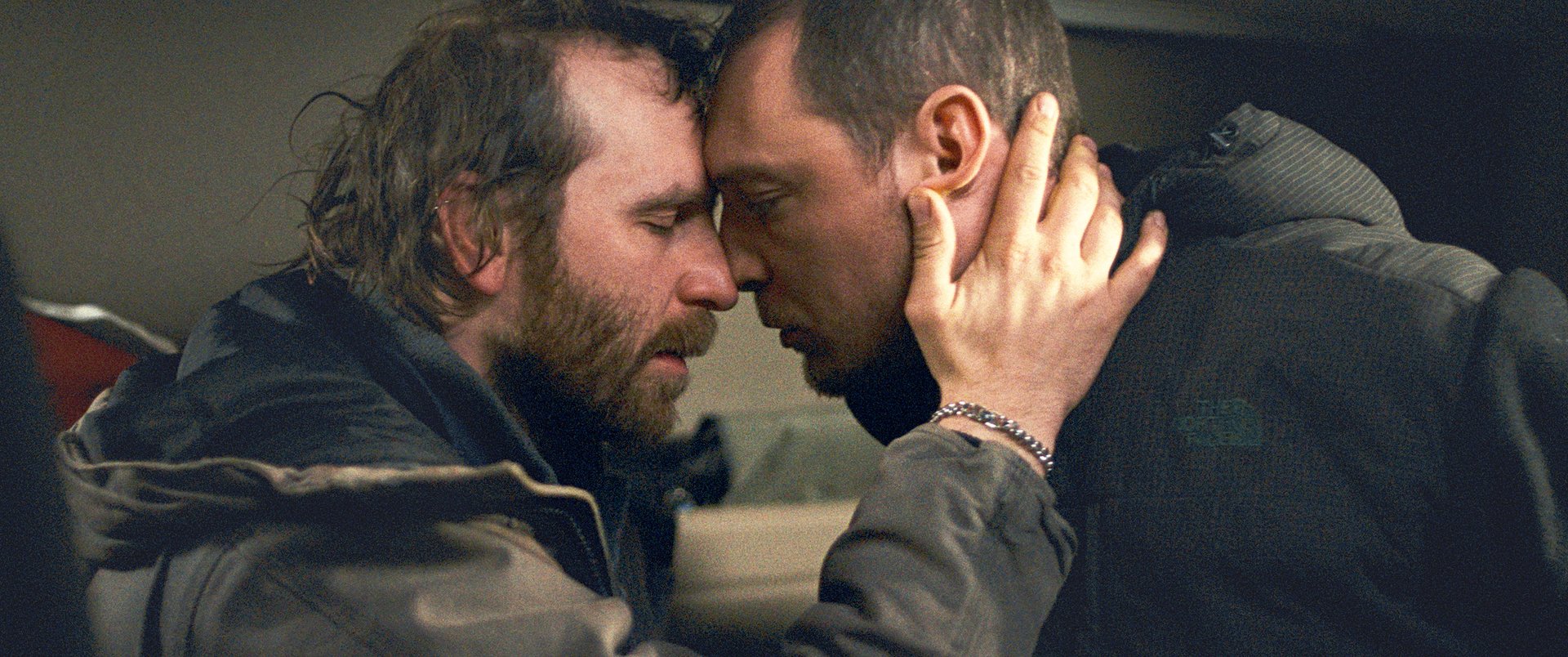
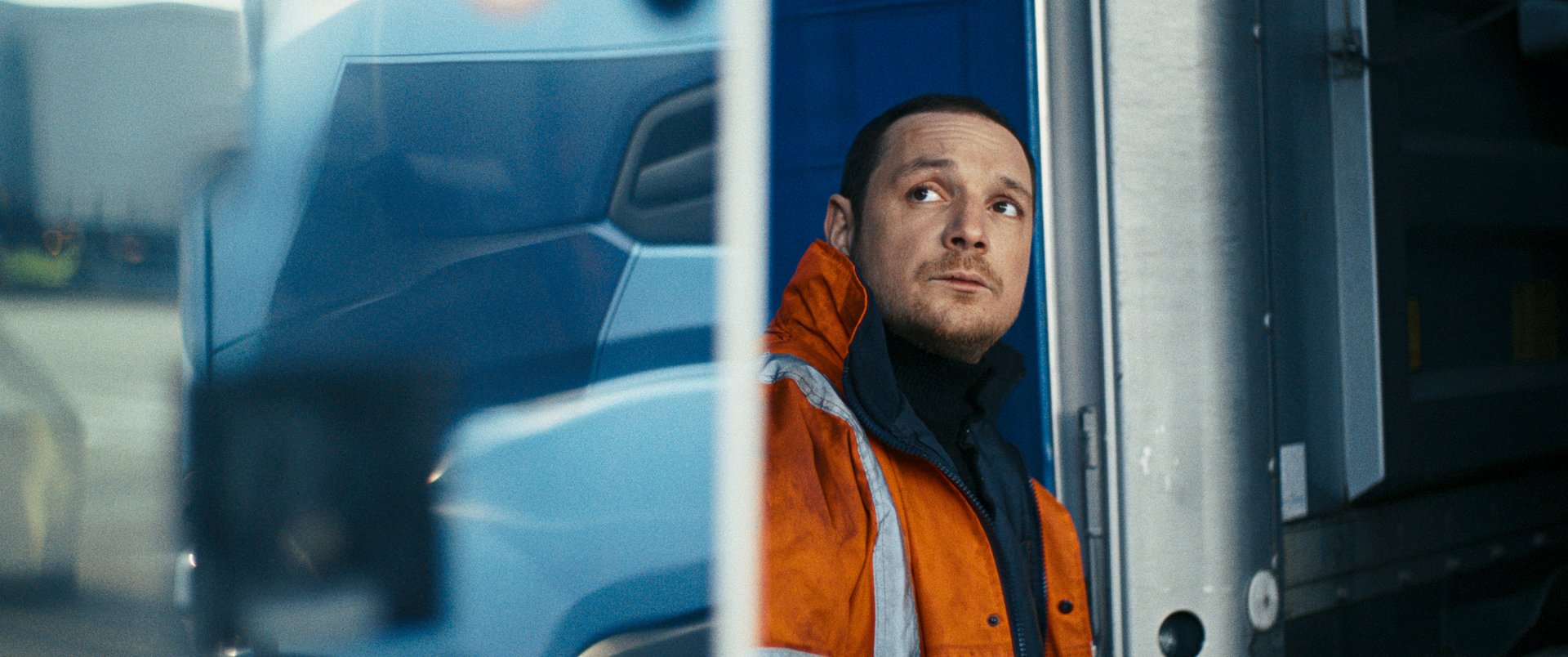
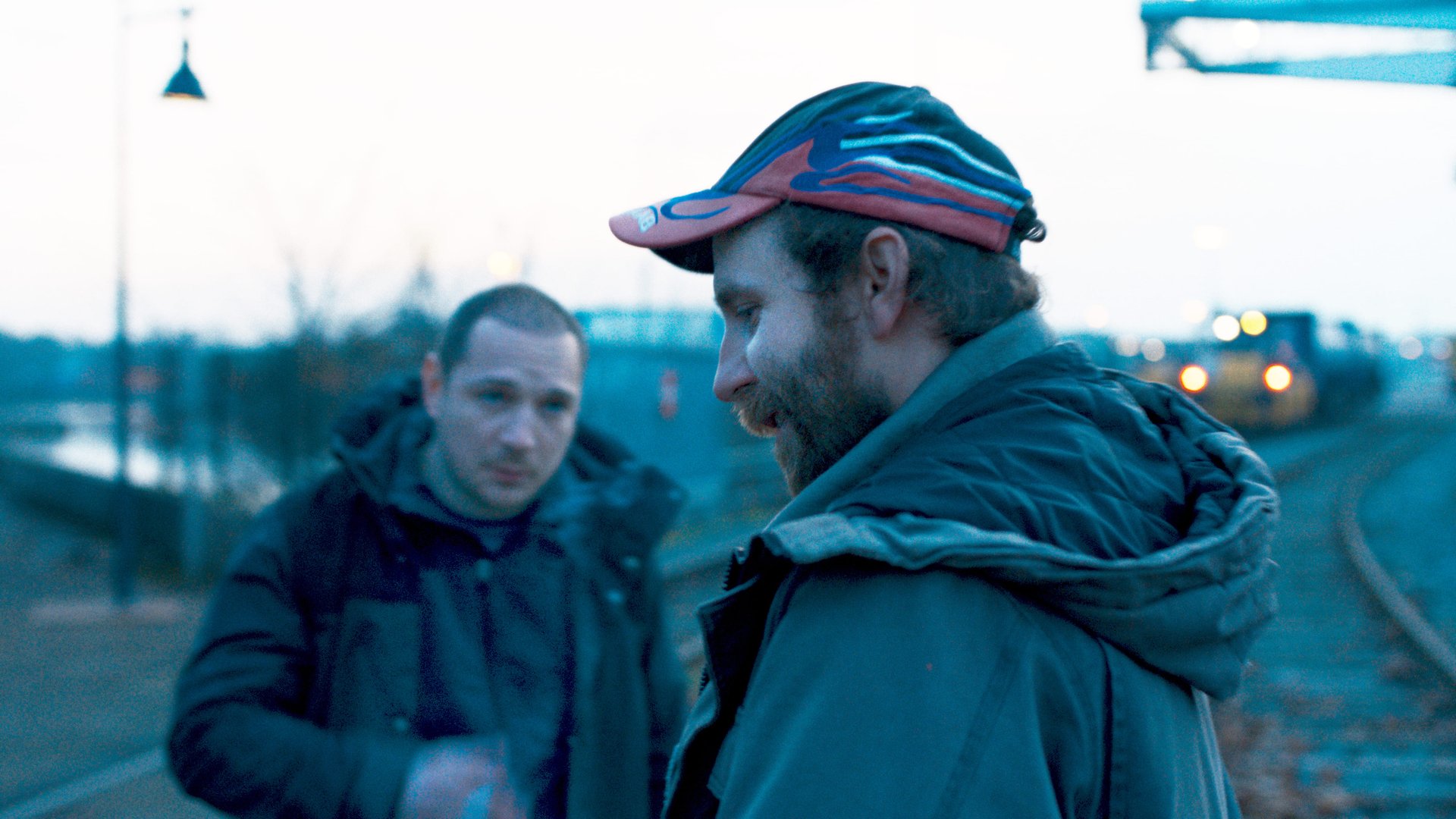
Writer-director Pierre Le Gall’s stealthy masterwork delivers the unexpected: a will-they-won’t-they romance set amidst late capitalist corrosion and the horrible majesty of industrial landscapes. A French, conscientious pro-trucker unusually giddy for his underpaid Polish competition after a thwarted hookup. The two embarking on a tortuous long-distance relationship with profound potential. Étienne (Alexis Manenti) works at a frenetic pace. Endless, back-aching hours with barely time for a sink bath. Contending with soaring gas prices, snarls of traffic, and dirt-cheap labour undercutting his business. His only respites a distant family and friendly dispatcher, and the occasional cruise of the woods near a truck stop—until that, too, is spoiled. Broken up by police. Étienne saved from prison time by the quick thinking of his partner in the shadows, Bartosz (Julian Swiezewski). Étienne finds Bartosz curious, his irreverence endearing. And soon he’s looking for him in every semi. Talking through fantasies with him on FaceTime. Trading eatery recommendations and compliments. Bartosz’s freewheeling spirit upending Étienne’s steady life. Flesh and Fuel puts real, desirous bodies in cramped, working-class spaces, building Étienne’s whole world out of an 18-wheeler cab. Before love begins to reveal its limits.

Trailer

Filmmaker Bio

Growing up across from a country road, Pierre Le Gall dreamed of driving away. That path eventually led him to Paris, into the arms of a man, and toward screenwriting. Since then, he has written for television, theatre and film, including the animated short Scars We Love, selected at Cannes and nominated for a César Award in 2026. Flesh & Fuel, his first feature film, explores the two themes that fascinate him most in cinema: time and love.

Director's Statement

This film came from a simple desire: to see two hard-working men experience a great love story. I wanted to give these two truck drivers a right to beauty and freedom. […] Since I wanted to speak about solitude, I opted for a single point of view: Étienne's. […] The emotion had to come from looks, gestures, bodies, the desire running through Étienne and Bartosz. […] From the writing stage, I was obsessed with an existential question: when we spend our lives working to be free and dignified, how much time do we have left to give to the people we love?

Producer

Nicolas Blanc

Writer

Pierre Le Gall, Camille Perton

Cast

  • Alexis Manenti
  • Julian Swiezewski
  • Armindo Alves De Sa
Image
Image
Image
Image
Image
Image

You might also like

PosterFeatureIN-CINEMA
DON’T COME OUT (NO SALGAS)[FIRST FILMS]105 minutesNOV 21 / 21:15

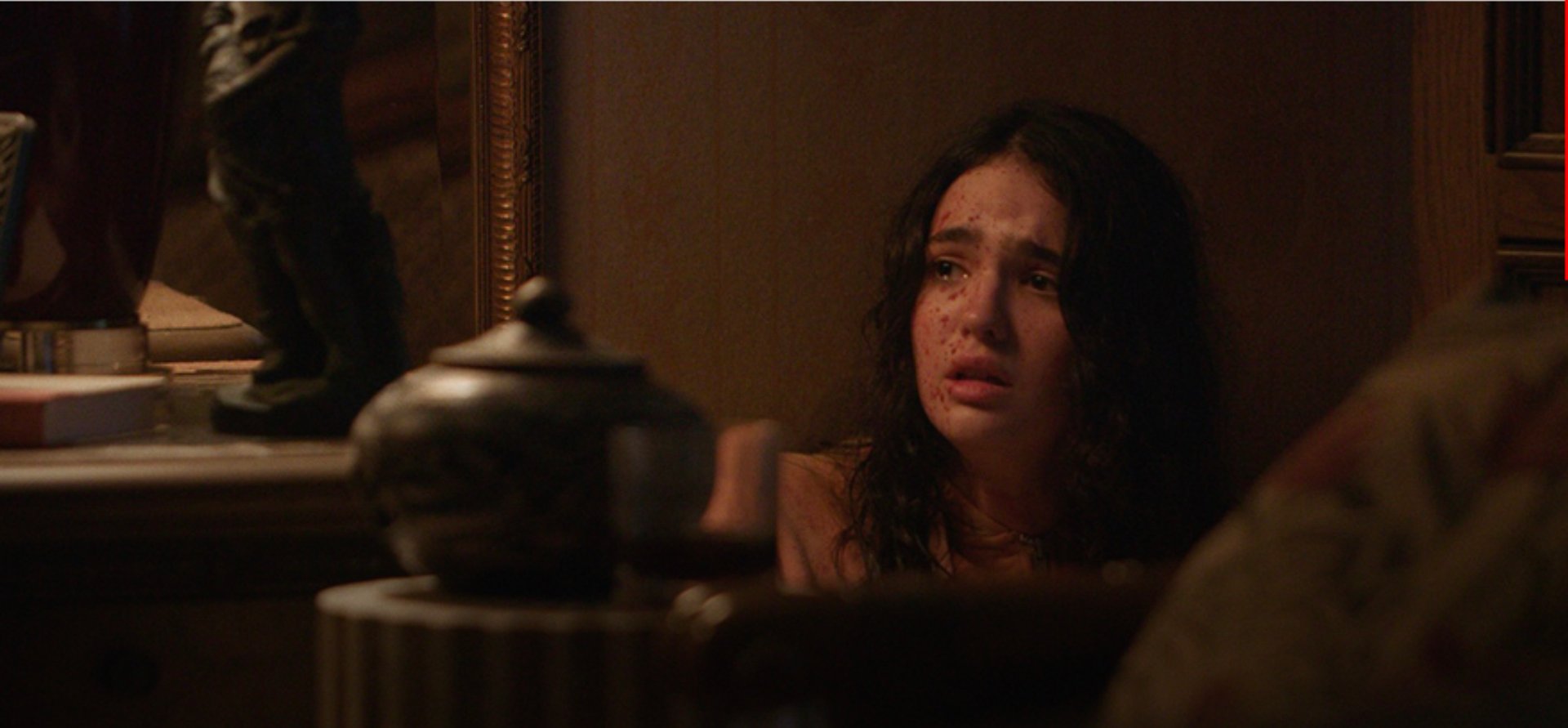
Poignant and powerful, Don’t Come Out is a horror film that brings visibility to queer femme identity, and with a visceral intensity that is impossible to ignore. It spares no detail in the consequences of authenticity in a homophobic and misogynistic environment; particularly, how it permeates and haunts the mind. Medical student Liz lives a seemingly charmed life. As long as she is careful, consequence is only a word. After the sudden and brutal death of her secret girlfriend, Liz keeps up appearances, playing the role of dutiful daughter and passing as straight in her relationship with her doting boyfriend. When she makes a weekend getaway with her best friends, the reality dawns on her that escape is not really an option. As she finds herself enmeshed in sapphic desire again, the horror of breaking social norms ensues, and there is no going back from it. Informed by giallo cinema—blending suspense, eroticism, and stylish cinematography—as well as modernist and grotesque art elements, Don’t Come Out is sure to linger with you long after the credits roll.

PosterFeatureIN-CINEMA
TEST[FIRST FILMS]108 minutesNOV 20 / 21:00

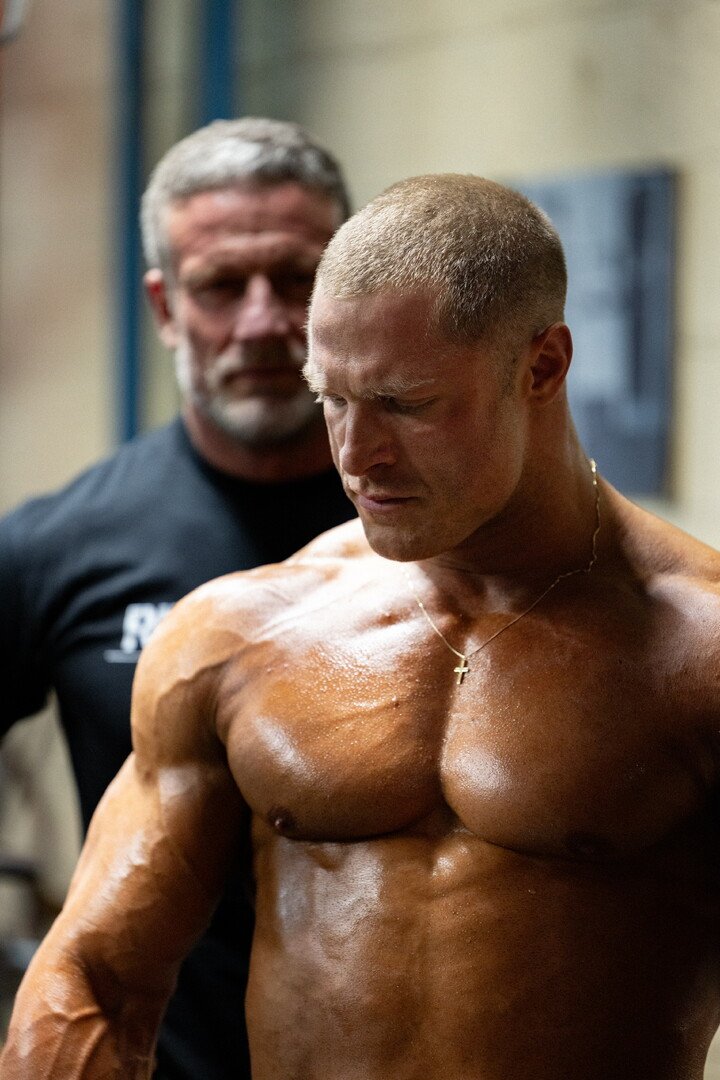
In an Ohio town where “Jesus Is the Answer,” bodybuilder Eddie scrapes by on cam work, determined to go pro backed by the ultimate momager. But when an alluring older coach offers to mould him, Eddie is tempted by success and his nascent bisexuality to shred the ties that bind. Hype woman, tan technician, co-dependent—Eddie’s boozing, pill-popping mom (Tony nominee Tammy Blanchard) fiercely champions her son (Brock Yurich). But she’s never led him to victory. Coach Mike (Mike Edward) guarantees he can. Under his tutelage, Eddie gains confidence, technique, and access to free performance-enhancing drugs, as well as a crush, every muscle graze the prelude to an explosive awakening. Unbeknownst to Mike, Eddie is also mastering finesse through ballet lessons with the ex-girlfriend (Paloma Garcia-Lee) he’s still enamoured with. A combination that may be enough to conquer his cocky rival—the estranged son Mike desperately wants back in his life—or cause Eddie to crucify himself in the process. Featuring Glee’s Matthew Morrison as a dictatorial pastor, Test is fascinating filmmaking unafraid to wrestle with tough conversations and thorny themes, from religion to body image, steroid use to economic desperation.

PosterFeatureIN-CINEMA
TRIAL OF HEIN (DER HEIMATLOSE)[FIRST FILMS]122 minutesNOV 21 / 16:45

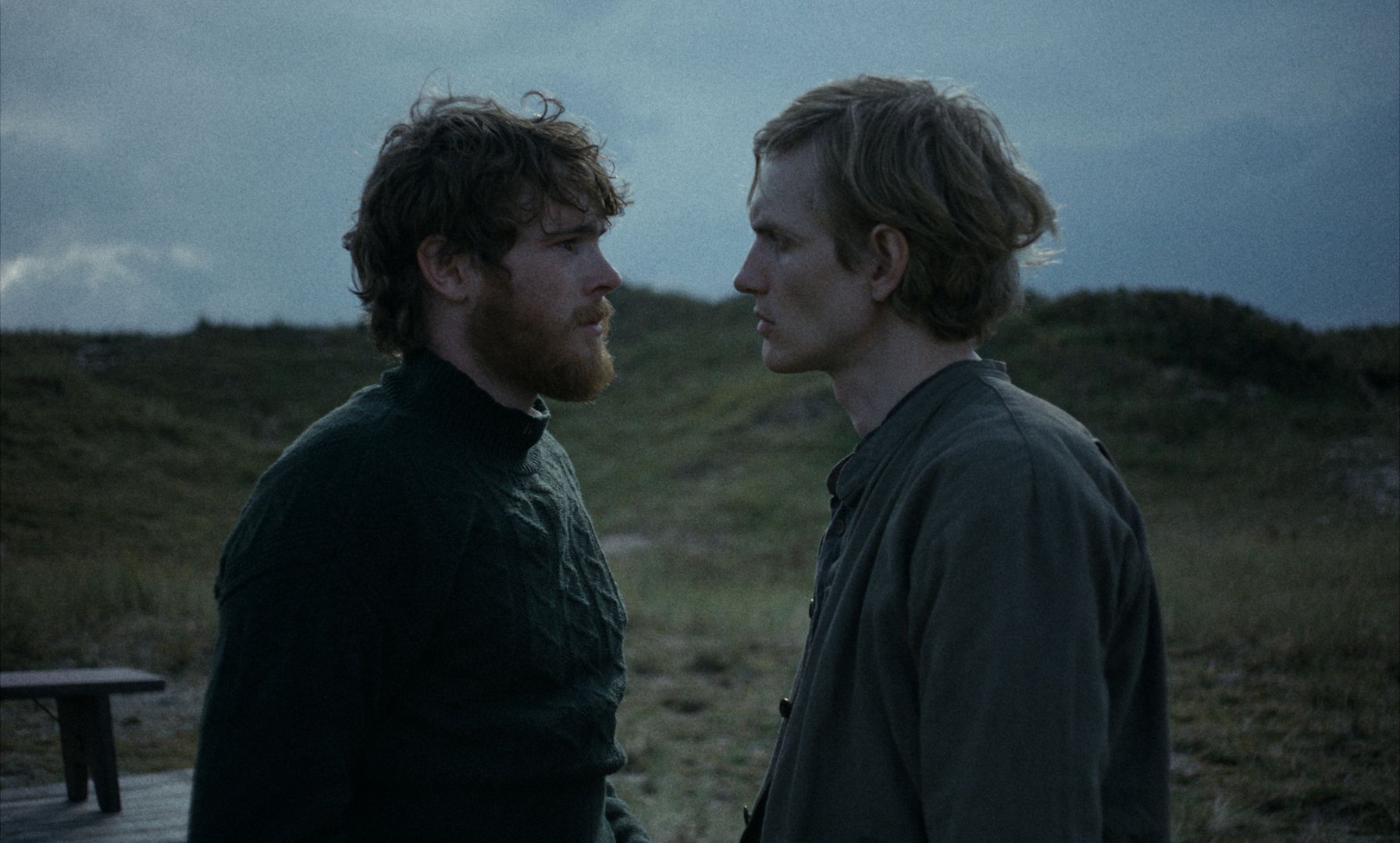
14 years later, Hein returns to a wind-scraped island in the North Sea. Its eerie, Brechtian settlement of half-built houses guarded by a community prone to paranoia. Hein plunged into a dark scheme to prove his identity and the true nature of a once great love. Though he once called the tiny island home, Hein (Paul Boche) is unrecognizable even to his closest confidants, Greta (Emilia Schüle) and the forlorn Friedemann (Philip Froissant). Is Hein as devious as the villagers imply? Or is their ignorance some slippery plot hatched against him? Armed with a locket meant to unseal his relationship with Friedemann, Hein is determined to be taken for who he says he is and to allow others this same grace. His insistence leading to a trial presided over by an imperious leader (Julika Jenkins), the community’s goodwill dependent on its outcome. A trial where competing memories are judged, and Hein and Friedemann are compelled to remaster their childhood game of “Lies.” Writer-director Kai Stänicke’s tense psychodrama is an engaging allegory of how conformity shuns queerness in all its forms, and how one must insist fiercely on one’s own dignity.

PosterFeatureIN-CINEMA
THE WATERMELON WOMAN[FIRST FILMS]90 minutesNOV 29 / 13:00

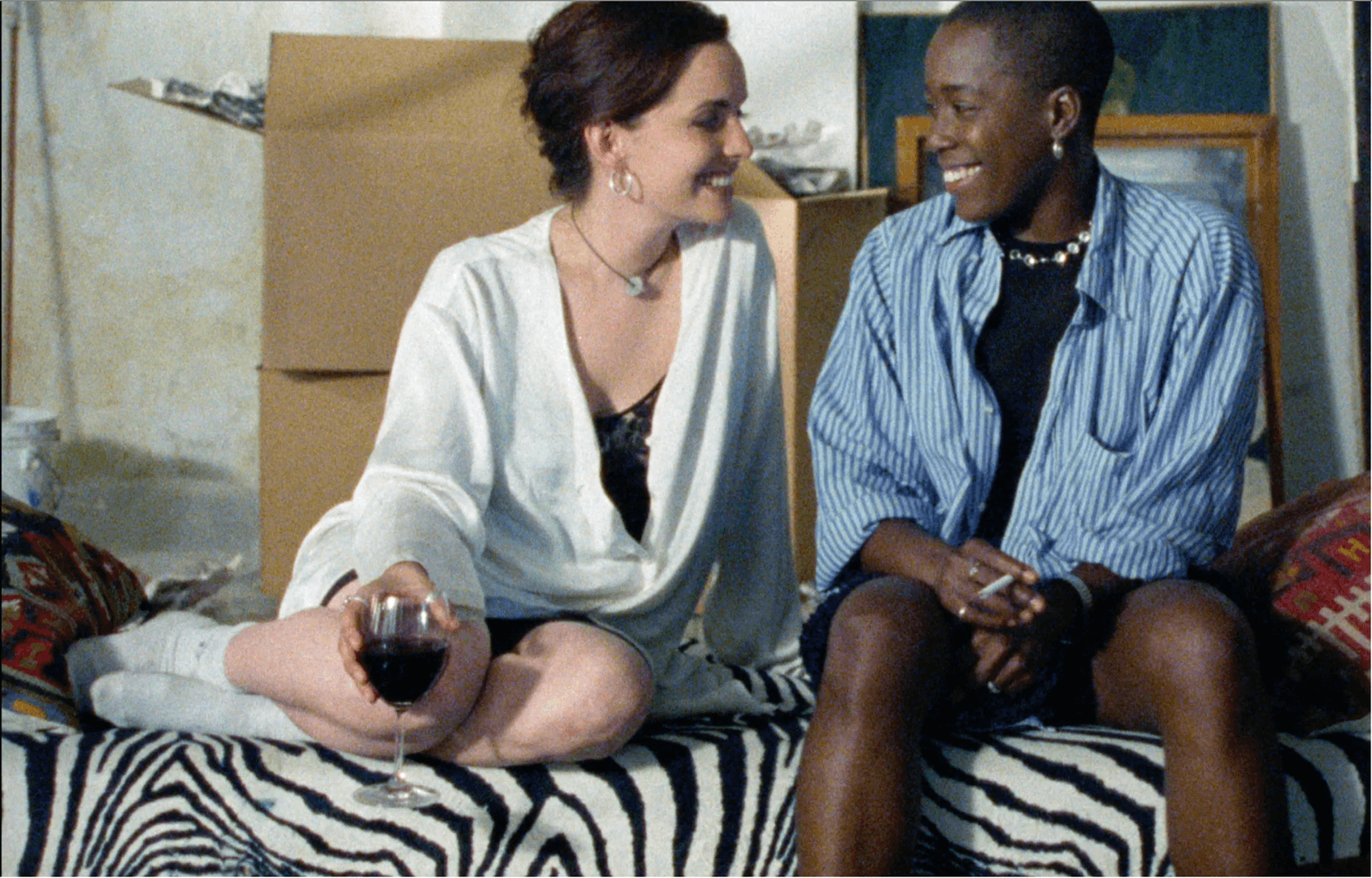
Cheryl Dunye’s groundbreaking The Watermelon Woman blends fiction and documentary to explore the erasure of Black queer women from film history. Funny, incisive, and playfully self-reflexive, this landmark of New Queer Cinema follows a filmmaker determined to uncover the story behind a forgotten face on screen. Cheryl, played by Dunye herself, is a young Black lesbian working at a video store in Philadelphia while pursuing her filmmaking ambitions. Fascinated by a Black actress credited only as “The Watermelon Woman” in a 1930s Hollywood film, Cheryl sets out to discover her name and history. Her research leads her into the intertwined worlds of race, sexuality, representation, and the hidden lives of Black women in cinema. Meanwhile, her budding relationship with Diana, played by queer cinema icon Guinevere Turner, raises questions about desire, privilege, and interracial intimacy. Moving between archival-style footage, interviews, personal video diaries, and fictional storytelling, Dunye blurs the boundaries between fact and invention. With wit and critical insight, The Watermelon Woman challenges histories that exclude queer voices and imagines new ways to reclaim them. Both a personal journey and a radical act of cinematic self-definition, the film remains a defining work of Black lesbian cinema.

PosterFeatureIN-CINEMA
BLACK BURNS FAST[FIRST FILMS]95 minutesNOV 21 / 14:10

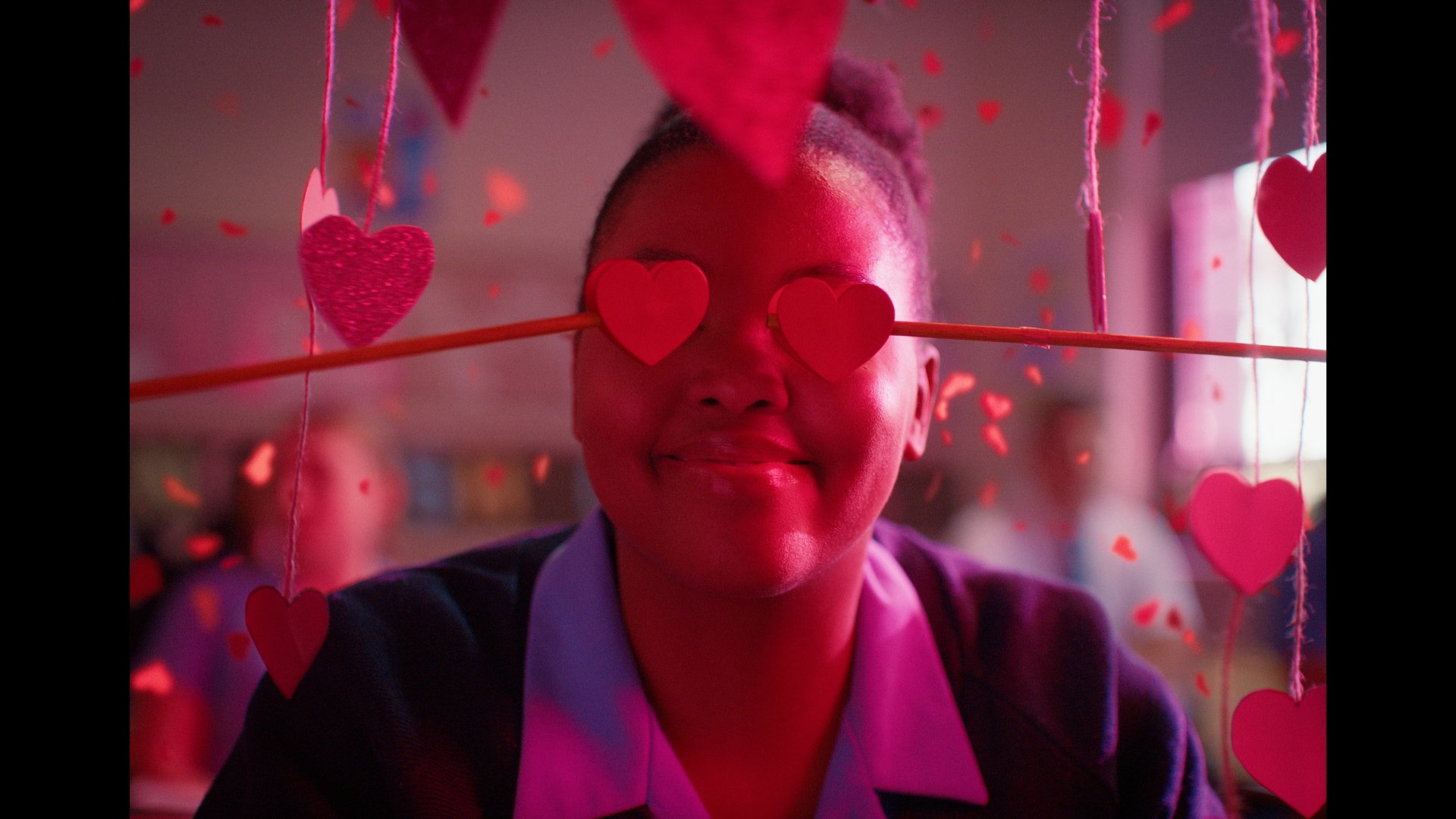
What do you get when you place a teenage scholarship student of modest origins in a religious prep school? Now factor in race, sexuality, and an impossibly cool transfer student who keeps making eye contact from across the room? The answer is a refreshing comedy that never fails to deliver on realism, following Luthando and her entourage as they strike out on their journey of female friendship, teen drama, dating, and social pressure. This light-hearted and engaging romp follows an expansive cast, contrasting the wonder of youth and naivety with the trials of loyalty and betrayal, as well as friendship and romance, but above all else, the tricky nuances of obedience and rebellion. Black Burns Fast explores the transitional pains from adolescence to young adulthood and burgeoning sexuality, with thoughts and ideas processing visually through on-screen animation while text message conversation threads weave subplots throughout the prep school ecosystem as a microcosm for the world that lies ahead–a world of social inequality and double standards: whether for race, sex, or class, and the acts of courage in speaking up for not only yourself, but also for those whom you love.

PosterFeatureIN-CINEMA
DON’T COME OUT (NO SALGAS)[FIRST FILMS]105 minutesNOV 21 / 21:15

Poignant and powerful, Don’t Come Out is a horror film that brings visibility to queer femme identity, and with a visceral intensity that is impossible to ignore. It spares no detail in the consequences of authenticity in a homophobic and misogynistic environment; particularly, how it permeates and haunts the mind. Medical student Liz lives a seemingly charmed life. As long as she is careful, consequence is only a word. After the sudden and brutal death of her secret girlfriend, Liz keeps up appearances, playing the role of dutiful daughter and passing as straight in her relationship with her doting boyfriend. When she makes a weekend getaway with her best friends, the reality dawns on her that escape is not really an option. As she finds herself enmeshed in sapphic desire again, the horror of breaking social norms ensues, and there is no going back from it. Informed by giallo cinema—blending suspense, eroticism, and stylish cinematography—as well as modernist and grotesque art elements, Don’t Come Out is sure to linger with you long after the credits roll.

PosterFeatureIN-CINEMA
TEST[FIRST FILMS]108 minutesNOV 20 / 21:00

In an Ohio town where “Jesus Is the Answer,” bodybuilder Eddie scrapes by on cam work, determined to go pro backed by the ultimate momager. But when an alluring older coach offers to mould him, Eddie is tempted by success and his nascent bisexuality to shred the ties that bind. Hype woman, tan technician, co-dependent—Eddie’s boozing, pill-popping mom (Tony nominee Tammy Blanchard) fiercely champions her son (Brock Yurich). But she’s never led him to victory. Coach Mike (Mike Edward) guarantees he can. Under his tutelage, Eddie gains confidence, technique, and access to free performance-enhancing drugs, as well as a crush, every muscle graze the prelude to an explosive awakening. Unbeknownst to Mike, Eddie is also mastering finesse through ballet lessons with the ex-girlfriend (Paloma Garcia-Lee) he’s still enamoured with. A combination that may be enough to conquer his cocky rival—the estranged son Mike desperately wants back in his life—or cause Eddie to crucify himself in the process. Featuring Glee’s Matthew Morrison as a dictatorial pastor, Test is fascinating filmmaking unafraid to wrestle with tough conversations and thorny themes, from religion to body image, steroid use to economic desperation.

PosterFeatureIN-CINEMA
TRIAL OF HEIN (DER HEIMATLOSE)[FIRST FILMS]122 minutesNOV 21 / 16:45

14 years later, Hein returns to a wind-scraped island in the North Sea. Its eerie, Brechtian settlement of half-built houses guarded by a community prone to paranoia. Hein plunged into a dark scheme to prove his identity and the true nature of a once great love. Though he once called the tiny island home, Hein (Paul Boche) is unrecognizable even to his closest confidants, Greta (Emilia Schüle) and the forlorn Friedemann (Philip Froissant). Is Hein as devious as the villagers imply? Or is their ignorance some slippery plot hatched against him? Armed with a locket meant to unseal his relationship with Friedemann, Hein is determined to be taken for who he says he is and to allow others this same grace. His insistence leading to a trial presided over by an imperious leader (Julika Jenkins), the community’s goodwill dependent on its outcome. A trial where competing memories are judged, and Hein and Friedemann are compelled to remaster their childhood game of “Lies.” Writer-director Kai Stänicke’s tense psychodrama is an engaging allegory of how conformity shuns queerness in all its forms, and how one must insist fiercely on one’s own dignity.

PosterFeatureIN-CINEMA
THE WATERMELON WOMAN[FIRST FILMS]90 minutesNOV 29 / 13:00

Cheryl Dunye’s groundbreaking The Watermelon Woman blends fiction and documentary to explore the erasure of Black queer women from film history. Funny, incisive, and playfully self-reflexive, this landmark of New Queer Cinema follows a filmmaker determined to uncover the story behind a forgotten face on screen. Cheryl, played by Dunye herself, is a young Black lesbian working at a video store in Philadelphia while pursuing her filmmaking ambitions. Fascinated by a Black actress credited only as “The Watermelon Woman” in a 1930s Hollywood film, Cheryl sets out to discover her name and history. Her research leads her into the intertwined worlds of race, sexuality, representation, and the hidden lives of Black women in cinema. Meanwhile, her budding relationship with Diana, played by queer cinema icon Guinevere Turner, raises questions about desire, privilege, and interracial intimacy. Moving between archival-style footage, interviews, personal video diaries, and fictional storytelling, Dunye blurs the boundaries between fact and invention. With wit and critical insight, The Watermelon Woman challenges histories that exclude queer voices and imagines new ways to reclaim them. Both a personal journey and a radical act of cinematic self-definition, the film remains a defining work of Black lesbian cinema.

PosterFeatureIN-CINEMA
BLACK BURNS FAST[FIRST FILMS]95 minutesNOV 21 / 14:10

What do you get when you place a teenage scholarship student of modest origins in a religious prep school? Now factor in race, sexuality, and an impossibly cool transfer student who keeps making eye contact from across the room? The answer is a refreshing comedy that never fails to deliver on realism, following Luthando and her entourage as they strike out on their journey of female friendship, teen drama, dating, and social pressure. This light-hearted and engaging romp follows an expansive cast, contrasting the wonder of youth and naivety with the trials of loyalty and betrayal, as well as friendship and romance, but above all else, the tricky nuances of obedience and rebellion. Black Burns Fast explores the transitional pains from adolescence to young adulthood and burgeoning sexuality, with thoughts and ideas processing visually through on-screen animation while text message conversation threads weave subplots throughout the prep school ecosystem as a microcosm for the world that lies ahead–a world of social inequality and double standards: whether for race, sex, or class, and the acts of courage in speaking up for not only yourself, but also for those whom you love.