PERSONAL BEST
ROBERT TOWNE | USA | 1982 | 124 MIN | ENGLISH
ROBERT TOWNE | USA | 1982 | 124 MIN | ENGLISH
Synopsis
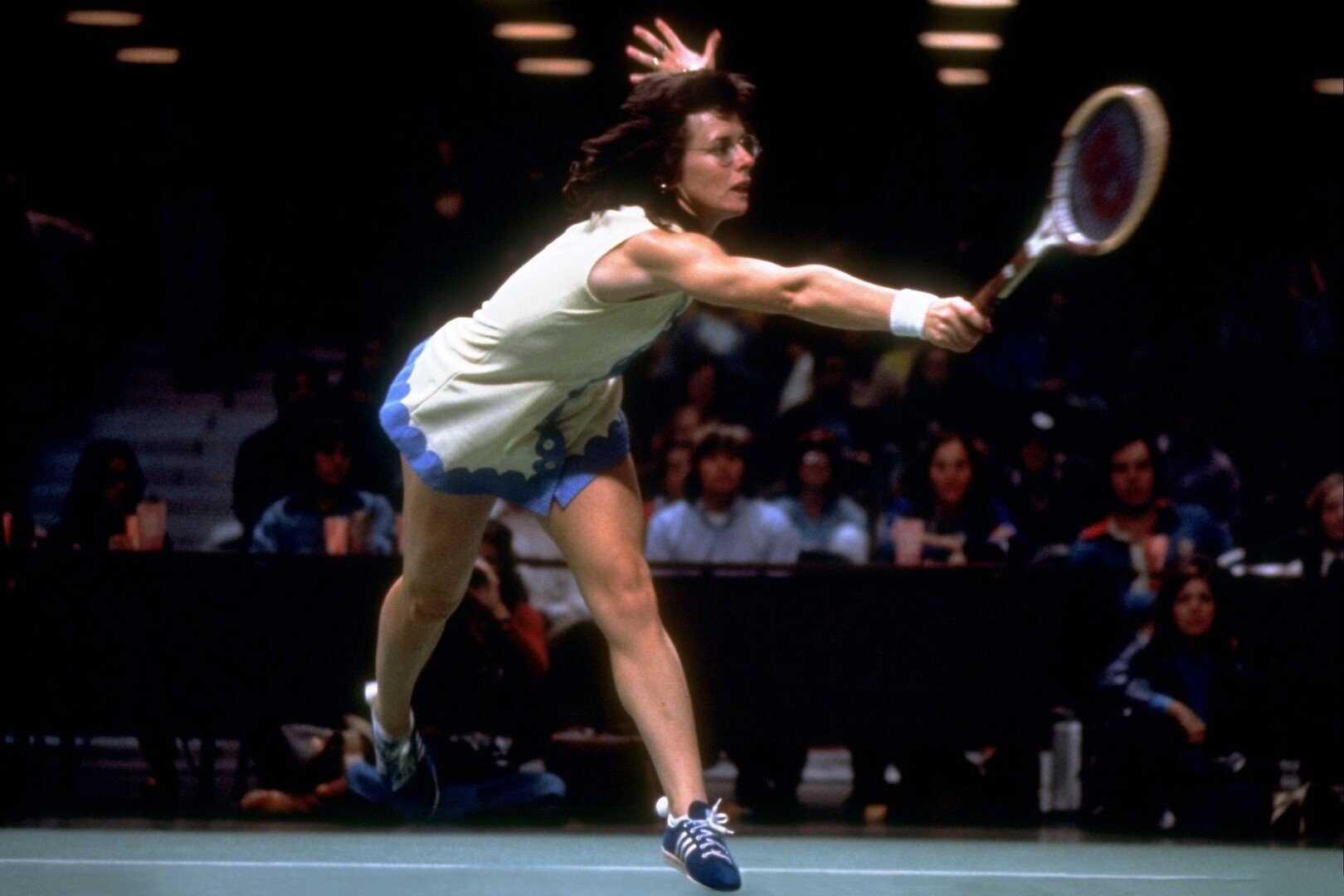
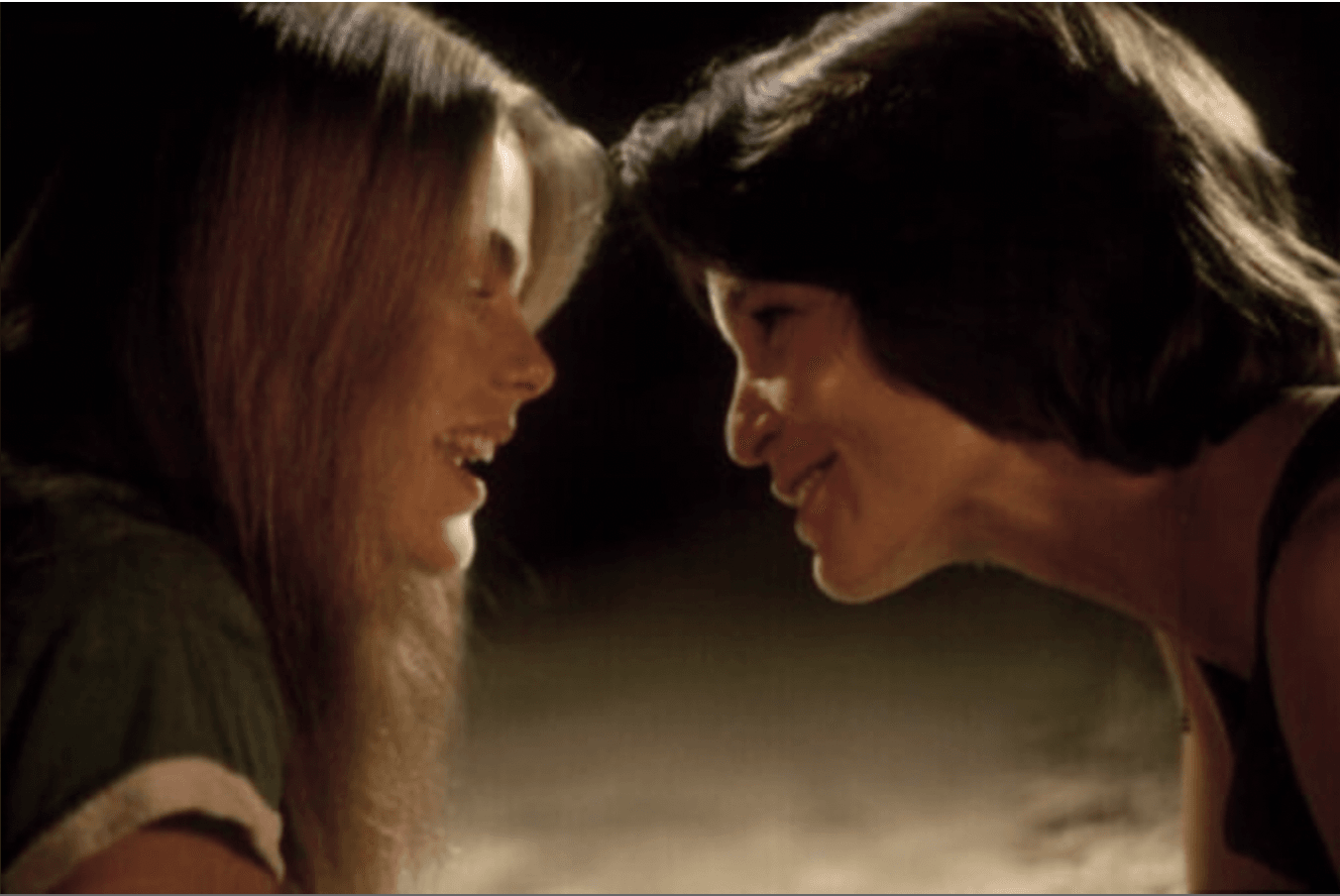
On the track, everything is about winning. Off it, two women discover something far more complicated: desire, intimacy, and the thrill of finding someone who can match your stride. Robert Towne’s Personal Best is a sensual, athletic, and quietly radical portrait of queer desire and female ambition. Chris Cahill (Mariel Hemingway) is a talented young track-and-field athlete still searching for confidence when she meets Tory Skinner (Patrice Donnelly), an accomplished pentathlete preparing for the Olympic Trials. Their friendship quickly deepens into an intimate relationship, while Tory becomes both Chris’s mentor and fiercest competitor. Training together under demanding coach Terry Tingloff (Scott Glenn), the women push each other toward new heights. But as Chris’s abilities grow, so does the tension between them. The demands of elite competition—and the possibility of Olympic glory—force them to navigate the shifting boundaries between love, friendship, rivalry, and independence. Towne’s directorial debut remains striking for its frank portrayal of women athletes and queer intimacy. Shot with an immediacy that captures both the physical intensity of competition and the sensuality of the women’s relationship, Personal Best is a film about bodies in motion, ambition, desire, and the complicated ways we push one another to become our best selves.
Trailer
Filmmaker Bio
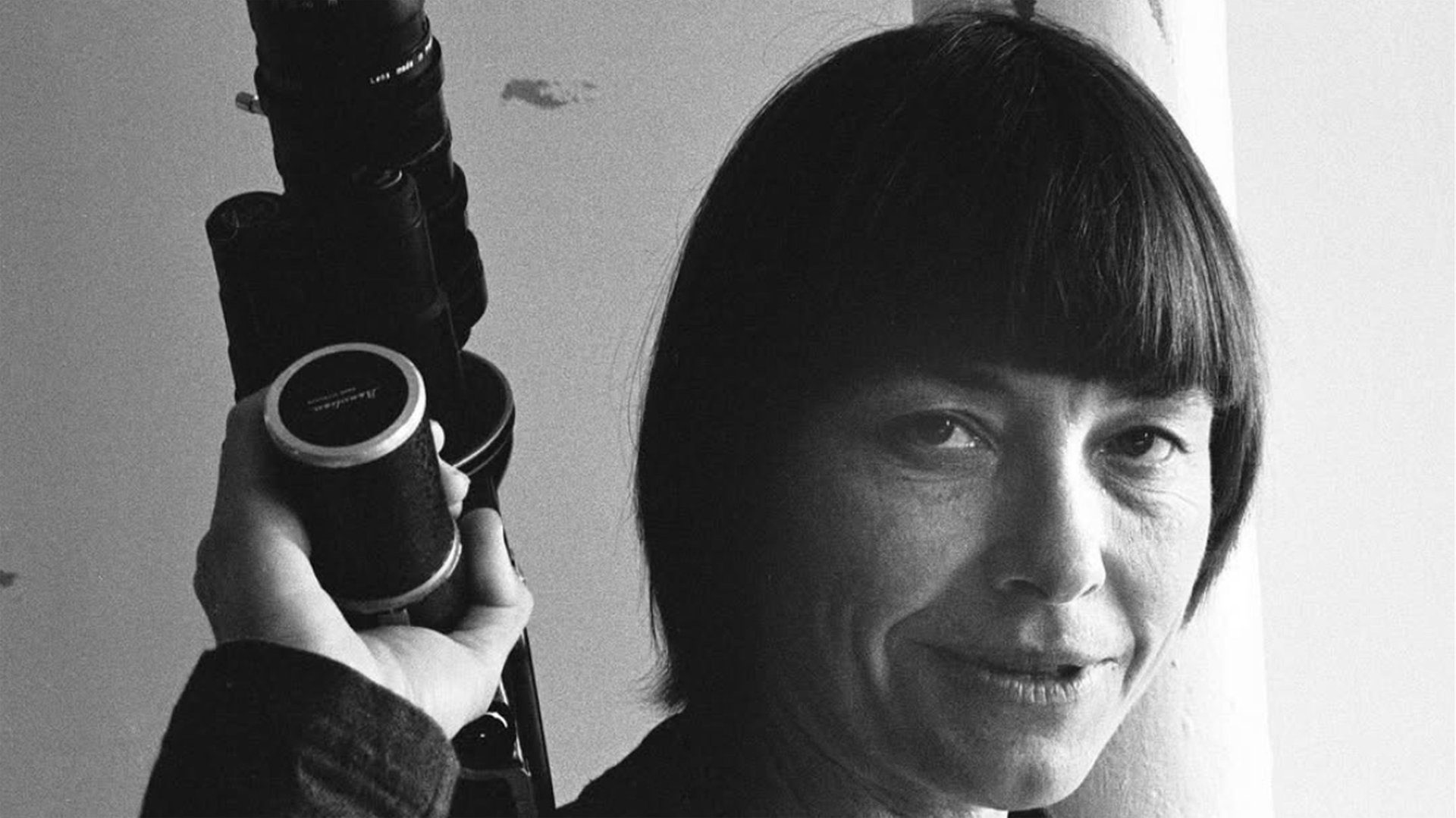
Robert Towne (1934–2024) was an American screenwriter and director associated with the New Hollywood era. He wrote acclaimed films including The Last Detail (1973), Chinatown (1974) and Shampoo (1975), winning the Academy Award for Best Original Screenplay for Chinatown. He was also a highly regarded script doctor, contributing to films including Bonnie and Clyde and The Godfather. Towne made his directorial debut with Personal Best (1982), followed by Tequila Sunrise (1988), Without Limits (1998) and Ask the Dust (2006). Markdown collé
Director's Statement
For Personal Best, Robert Towne wanted character to emerge through movement rather than dialogue. He was interested in the distinct physicality of each athlete and in what the title itself represented: reaching the fullest potential possible within the limits of one’s own body. This approach shaped the film’s storytelling, allowing training, competition and physical expression to reveal the characters. The time and attention required to portray them this way was also what convinced Towne that he needed to direct the film himself.
Producer
Robert Towne
Writer
Robert Towne
Cast
- Mariel Hemingway
- Scott Glenn
- Patrice Donnelly
- Kenny Moore
You might also like