CE N'EST PAS L'HOMOSEXUEL QUI EST PERVERS MAIS LA SOCIÉTÉ DANS LAQUELLE IL VIT (NICHT DER HOMOSEXUELLE IST PERVERS, SONDERN DIE SITUATION, IN DER ER LEBT)
ROSA VON PRAUNHEIM | GERMANY | 1971 | 67 MIN | GERMAN FST
ROSA VON PRAUNHEIM | GERMANY | 1971 | 67 MIN | GERMAN FST
Subtitles: French
Presented by
Synopsis
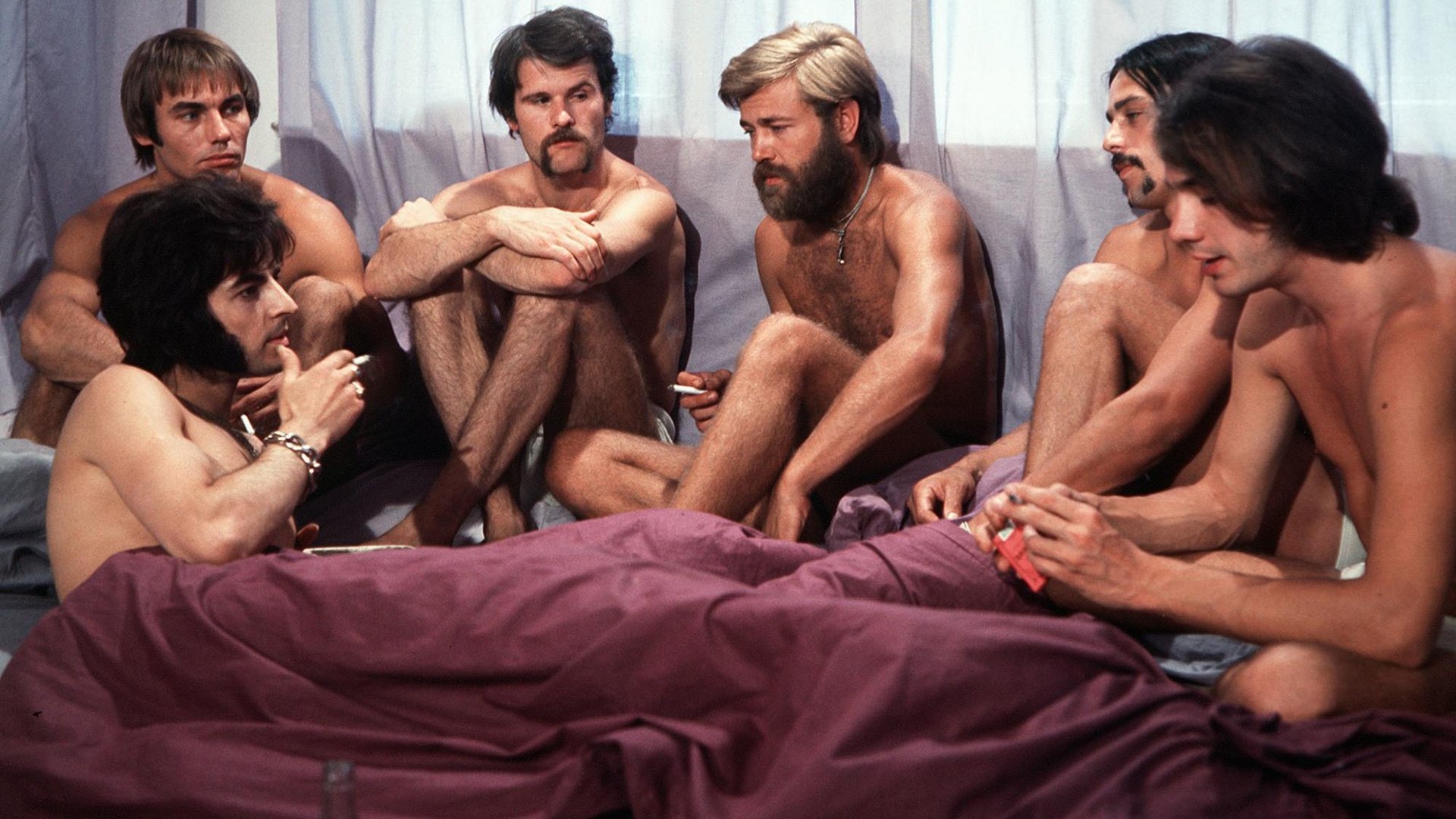
Daniel and Clemens fall in love, move in together, and attempt to imitate the conventions of a bourgeois marriage. When their relationship ends after four months, Daniel becomes increasingly immersed into Berlin’s gay subculture. He takes a job at a gay café and frequents parks and public meeting places popular with gay men. Eventually, he meets Paul, who introduces him to a gay communal household where alternative models of gay life and identity are openly discussed. Praunheim’s scathing critique of the self-imposed invisibility of gay people in public life is one of the rare examples of a film that had a direct socio-political impact. Following its first screenings, more than fifty activist groups were founded, laying the groundwork for the modern German gay rights movement. Originally filmed without sound and later supplemented with an ironic voice-over commentary, the film blends fiction and documentary footage, manifesto and essay, culminating in a direct appeal for collective self-organization. Its experimental and open-ended form is as provocative and challenging as its wide-ranging critique.
Trailer
Filmmaker Bio
Rosa von Praunheim (1942–2025) was a German filmmaker, writer, producer and LGBTQ activist, widely regarded as a pioneer of queer cinema and the modern gay liberation movement in Germany. His 1971 film It Is Not the Homosexual Who Is Perverse, But the Society in Which He Lives became a landmark of queer activism. Over more than five decades, he made over 150 films exploring queer lives, AIDS, trans identities and underground culture. His work received numerous honours, including Teddy Awards, the Berlinale Camera and the Order of Merit of the Federal Republic of Germany.
Director's Statement
Rosa von Praunheim conceived The Einstein of Sex as a tribute to Magnus Hirschfeld, a pioneering figure in the fight against homophobia whose work and legacy were nearly erased by the Nazis. He wanted Hirschfeld to be taken seriously as both a political activist and a human being, portraying not only his scientific and social struggles but also his emotions, hopes, relationships and contradictions. By telling his story through a more conventional historical drama, von Praunheim hoped to restore Hirschfeld's name to public memory and honour the deeply personal humanism that shaped his lifelong fight for sexual emancipation.
Producer
Werner Kließ
Writer
Rosa von Praunheim, Martin Dannecker, Sigurd Wurl
Cast
- Berryt Bohlen
- Bernd Feuerhelm
- Ernst Kuchling
PARTNERS
You might also like