Image+Nation
L’EINSTEIN DU SEXE (DER EINSTEIN DES SEX)

L’EINSTEIN DU SEXE (DER EINSTEIN DES SEX)

ROSA VON PRAUNHEIM | GERMANY + NETHERLANDS | 1999 | 100 MIN | GERMAN FST

ROSA VON PRAUNHEIM | GERMANY + NETHERLANDS | 1999 | 100 MIN | GERMAN FST

IN-CINEMAFeatureRE:VISION RETRO QUEER

Subtitles: French

Presented by

GOETHE INSTITUTE
NOV 24 / 19:00Goethe-Institut Montreal1626 Boul. Saint-Laurent, QC H2X 3V7 (métro Saint-Laurent)

Synopsis

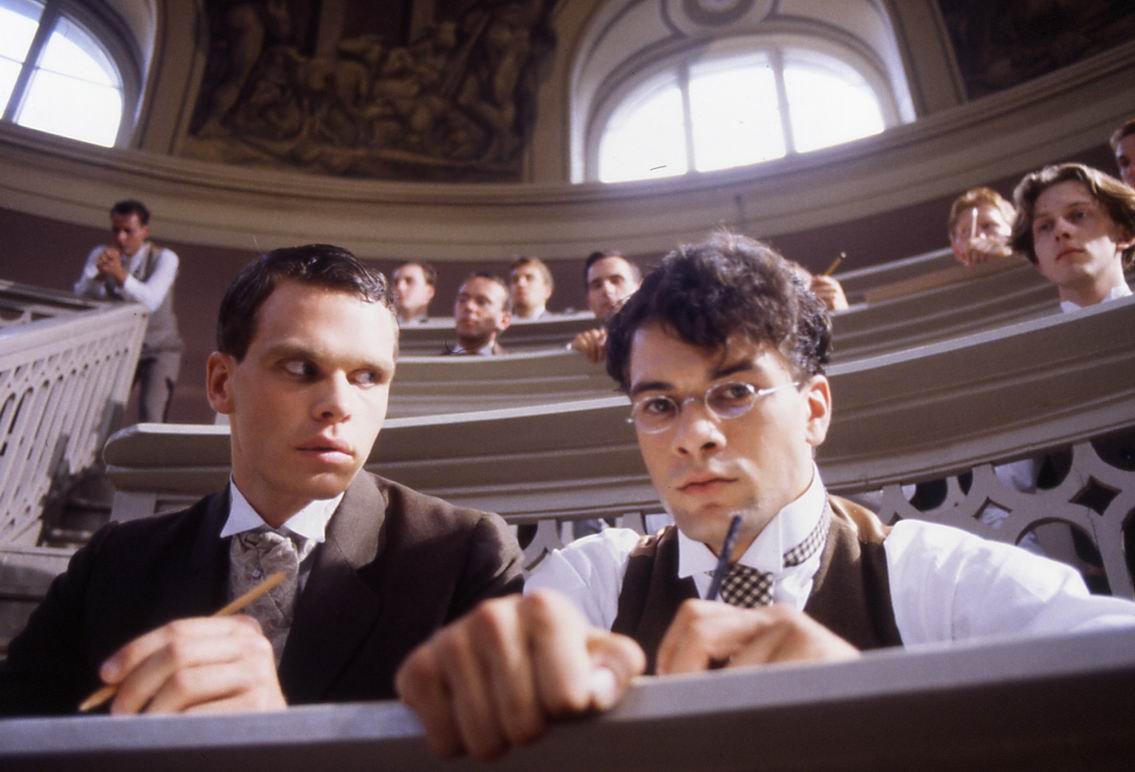
Long before LGBTQ+ rights became part of the public conversation, Magnus Hirschfeld was fighting to change how society understood sexuality, gender, and desire. Rosa von Praunheim’s The Einstein of Sex brings the pioneering German sexologist’s remarkable life and work to the screen. Born in 1868 to a Jewish family, Hirschfeld became a physician and an outspoken advocate for sexual minorities. In 1897, he founded the Scientific-Humanitarian Committee, the world’s first organization dedicated to homosexual rights, and campaigned to overturn Paragraph 175, the German law criminalizing homosexuality. His work extended far beyond activism. Hirschfeld pursued research into sexuality and gender, worked within the emerging psychoanalytic movement before breaking with Freud and Jung, and in 1919 established the Institute for Sexual Science in Berlin. The institute became an internationally renowned centre for research, education, and care, including pioneering work with transgender people. Praunheim traces Hirschfeld’s life chronologically, blending historical reconstruction with a deliberately theatrical, educational style. After the Nazis seized power, the institute was destroyed and its library burned. Hirschfeld went into exile, dying in 1935 without seeing his vision realized. A portrait of a visionary whose legacy continues to shape queer history.

Trailer

Filmmaker Bio

Rosa von Praunheim (1942–2025) was a German filmmaker, writer, producer and LGBTQ activist, widely regarded as a pioneer of queer cinema and the modern gay liberation movement in Germany. His 1971 film It Is Not the Homosexual Who Is Perverse, But the Society in Which He Lives became a landmark of queer activism. Over more than five decades, he made over 150 films exploring queer lives, AIDS, trans identities and underground culture. His work received numerous honours, including Teddy Awards, the Berlinale Camera and the Order of Merit of the Federal Republic of Germany.

Director's Statement

Rosa von Praunheim conceived The Einstein of Sex as a tribute to Magnus Hirschfeld, a pioneering figure in the fight against homophobia whose work and legacy were nearly erased by the Nazis. He wanted Hirschfeld to be taken seriously as both a political activist and a human being, portraying not only his scientific and social struggles but also his emotions, hopes, relationships and contradictions. By telling his story through a more conventional historical drama, von Praunheim hoped to restore Hirschfeld's name to public memory and honour the deeply personal humanism that shaped his lifelong fight for sexual emancipation.

Producer

Rosa von Praunheim, Elke Peters

Writer

Chris Kraus, Valentin Passoni

Cast

  • Kai Schumann
  • Friedel von Wangenheim
  • Ben Becker
  • Wolfgang Völz
  • Otto Sander

PARTNERS

GOETHE INSTITUTE

You might also like

PosterDocumentaryIN-CINEMA
PARIS WAS A WOMAN[RE:VISION RETRO QUEER]75 minutesNOV 24 / 19:00

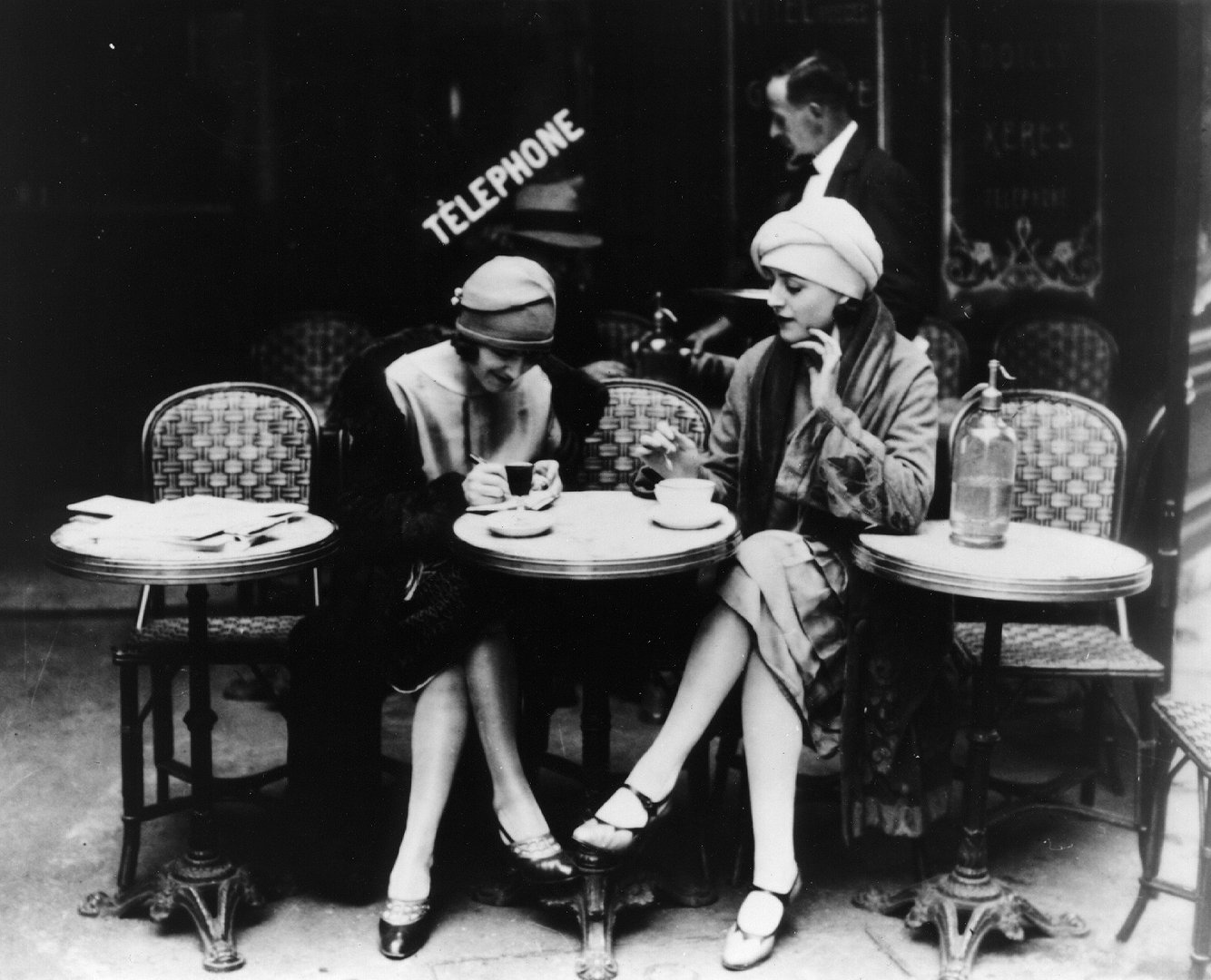
The handsome 4K digital restoration of Paris Was a Woman (1996)—the Opening Film of I+N09—traverses Paris’ Left Bank from the dawn of the 20th century to the shadows of WWII, unspooling the loves, legacies, and collaborations of creative queer women drawn there by the “promise of freedom. Street by street, we drop in on “rough diamond” Djuna Barnes at 9, rue St-Romain, and on Sylvia Beach and Andrienne Monnier as they reshape bookselling on Rue de l’Odéon. We’re there when Natalie Barney launches one of few “true literary salons,” Alice B. Toklas redefines the artist-muse relationship, and Genêt confronts the “tension between Communism and Fascist totalitarianism.” And throughout, iconic women comment on themselves and one another, as well as artists who inspired them: Colette, Josephine Baker. Celebrating its 30th anniversary in collaboration with director Greta Schiller and writer Andrea Weiss, this fleet yet encyclopedic compendium of queer female modernists compiles rare home movies and interviews, and is enlivened by striking imagery: Parc Monceau blanketed in snow; tanks driving down war-torn streets. Altogether, marking the glorious starts and sometimes thorny ends of larger-than-life luminaries in the “capital of hedonism.”

PosterFeatureIN-CINEMA
HELLBENT[FRISSONS QUEER: FANTASIA x IMAGE+NATION]84 minutesNOV 28 / 14:45

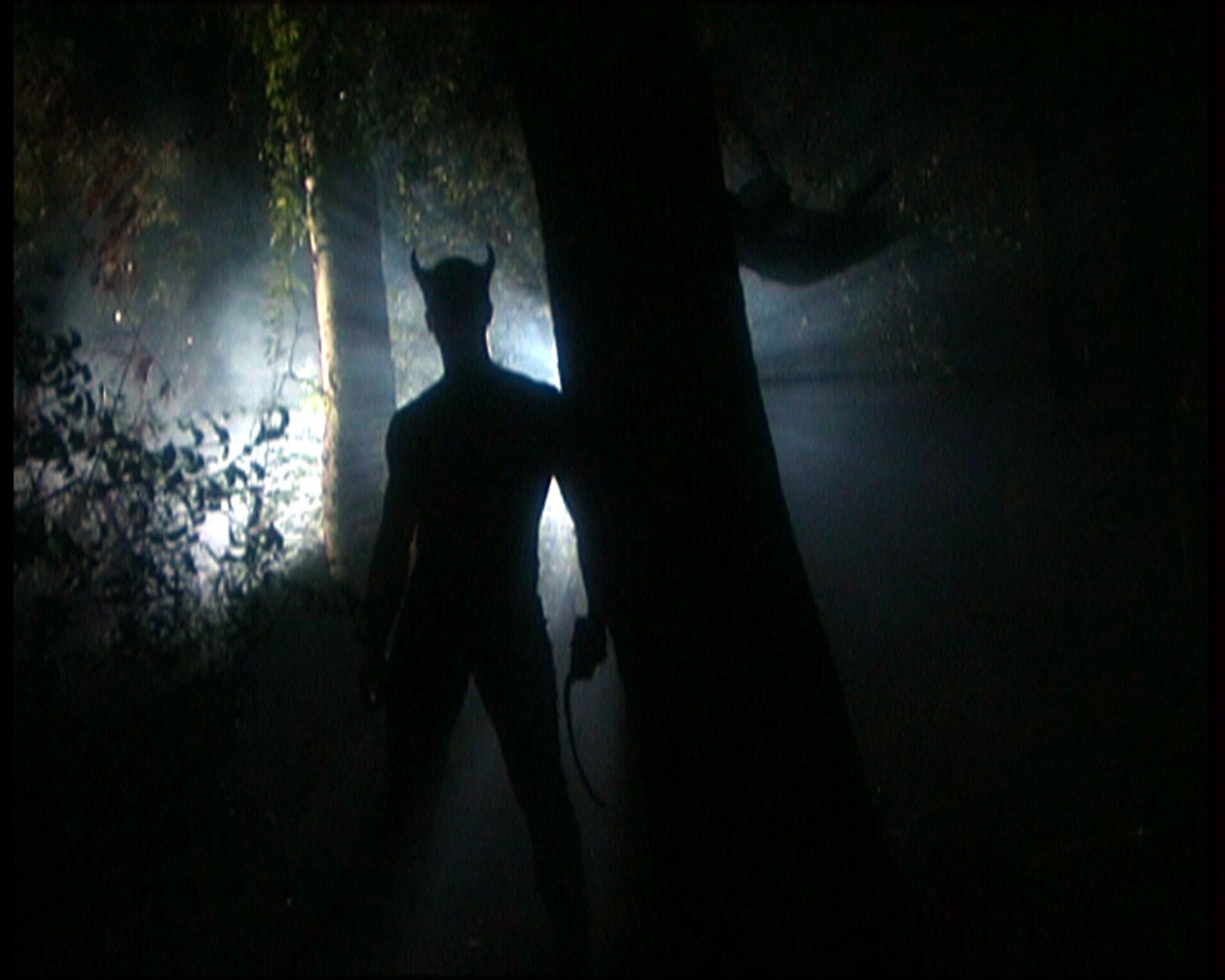
Blood, boys, and a masked killer on the loose! Paul Etheredge-Ouzts’s Hellbent, often cited as the first gay slasher film and image+nation’s 2004 Opening Night Film, unleashes a scythe-wielding murderer at West Hollywood’s Halloween Carnival. As bodies pile up, Eddie and his crush, Jake, must fight to survive in this landmark queer horror classic. With its wicked sense of humour, eye-popping production design, and ultra-gory special effects, Paul Etheredge-Ouzts’s Hellbent takes the slasher genre to a new homo height. This campy debut follows handsome boy-next-door Eddie and his three best friends into the fantastical world of West Hollywood’s annual Halloween Carnival. Distracted by his crush on the darkly mysterious Jake, Eddie—a would-be police officer—fails to notice the masked, scythe-wielding killer stalking him and his friends. As the decapitated bodies begin to pile up, Eddie and Jake must join forces in a desperate fight for survival. Packed with surprises and propelled by an explosive soundtrack, Hellbent delivers thrills, chills, and wicked laughs at breakneck speed. Blending classic slasher conventions with queer desire, camp humour, and unapologetic gore, the film carved out a distinctive place in queer horror.

PosterFeatureIN-CINEMA
THE WATERMELON WOMAN[FIRST FILMS]90 minutesNOV 29 / 13:00

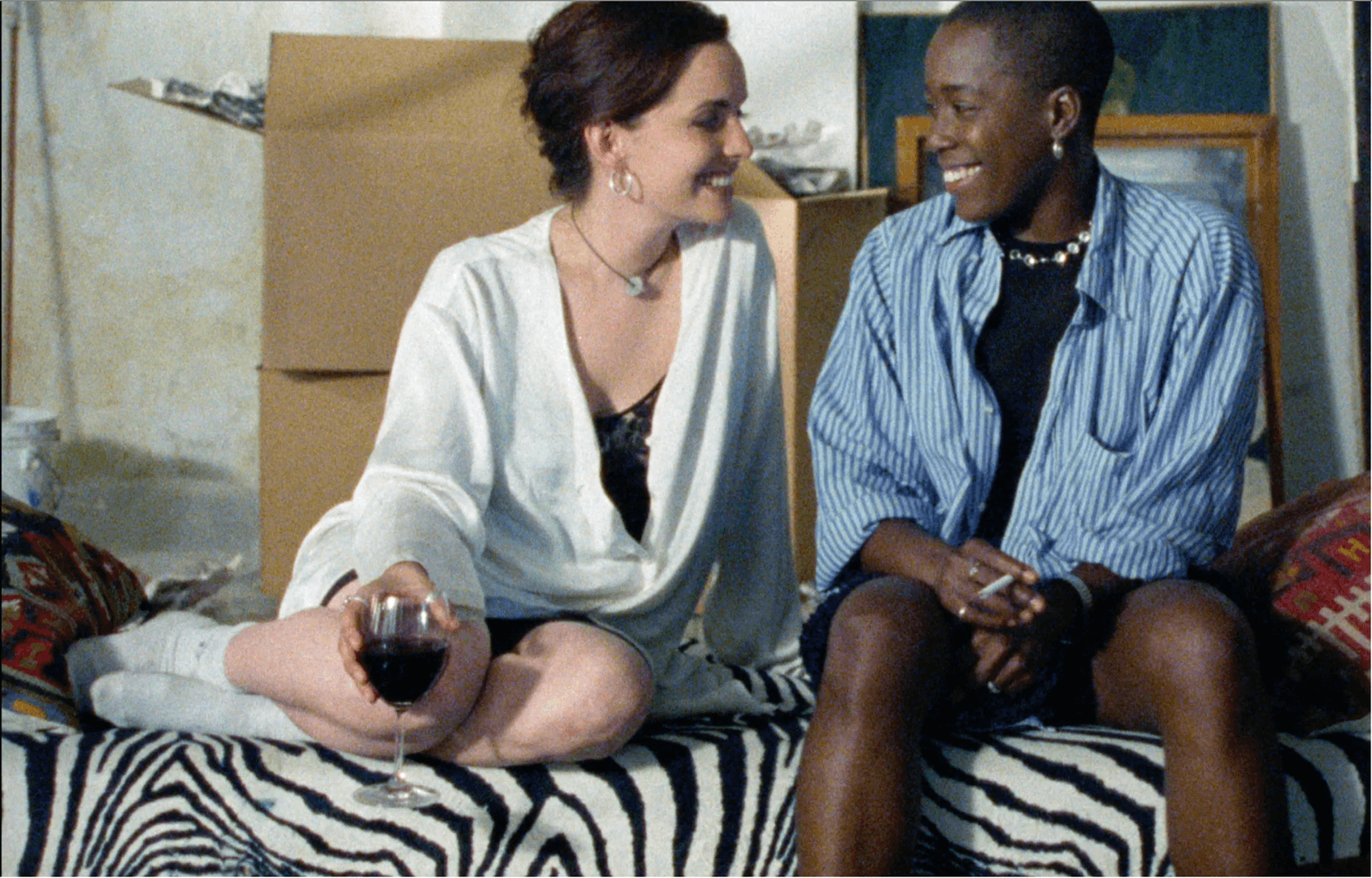
Cheryl Dunye’s groundbreaking The Watermelon Woman blends fiction and documentary to explore the erasure of Black queer women from film history. Funny, incisive, and playfully self-reflexive, this landmark of New Queer Cinema follows a filmmaker determined to uncover the story behind a forgotten face on screen. Cheryl, played by Dunye herself, is a young Black lesbian working at a video store in Philadelphia while pursuing her filmmaking ambitions. Fascinated by a Black actress credited only as “The Watermelon Woman” in a 1930s Hollywood film, Cheryl sets out to discover her name and history. Her research leads her into the intertwined worlds of race, sexuality, representation, and the hidden lives of Black women in cinema. Meanwhile, her budding relationship with Diana, played by queer cinema icon Guinevere Turner, raises questions about desire, privilege, and interracial intimacy. Moving between archival-style footage, interviews, personal video diaries, and fictional storytelling, Dunye blurs the boundaries between fact and invention. With wit and critical insight, The Watermelon Woman challenges histories that exclude queer voices and imagines new ways to reclaim them. Both a personal journey and a radical act of cinematic self-definition, the film remains a defining work of Black lesbian cinema.

PosterDocumentaryIN-CINEMA
BARBARA FOREVER[RE:VISION RETRO QUEER]102 minutesNOV 28 / 13:00

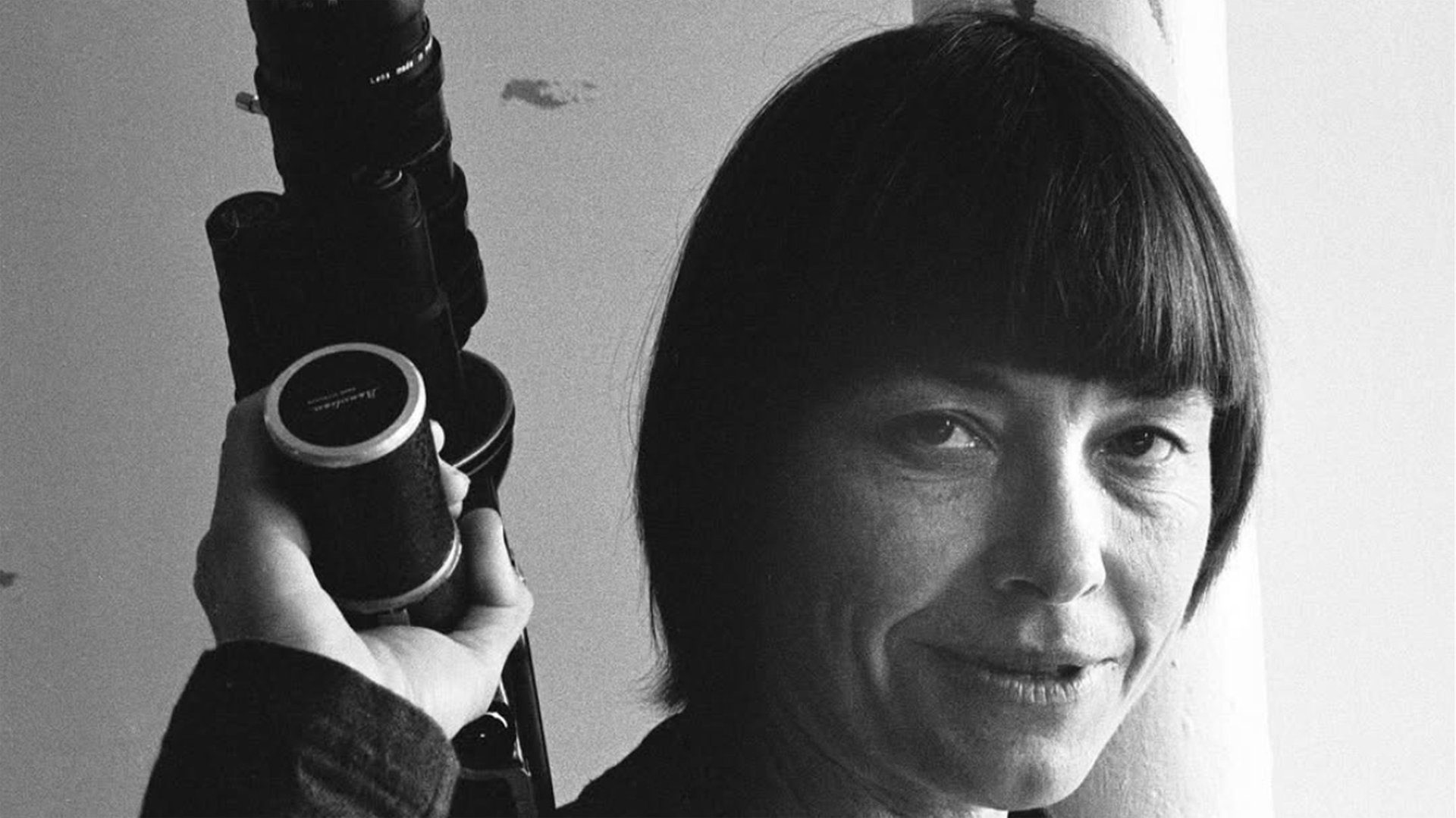
A dive into the life and archives of the prolific, avant-garde filmmaker, Barbara Hammer, a lesbian feminist artist who paved the way for queer women in film. Hammer was a keynote speaker for Image+Nation’s 20th anniversary conference, and many of her films have been featured over the festival’s four-decade span. Known first for her sensual and erotic short film Dyketactics (1974), Hammer challenged the male gaze by becoming the first lesbian filmmaker to create a lesbian-lovemaking film. From then on, she continued to create lesbian aesthetic films, facing pushback and criticism, as well as indirect forms of censorship. She persisted, despite endless barriers, ultimately succeeding in shedding light on the lives of an invisible social group, and with an impeccable sense of creativity. Witness Hammer’s incredible milestones, like the feature of her 1985 film Optic Nerve in the 1987 Whitney Biennial; the reception of a domestic partnership certificate with her life partner; and winning the 2000 Frameline Award at the San Francisco International Lesbian & Gay Film Festival. This poignant documentary of a woman’s extraordinary life, and her career as a ground-breaking visual poet, isn’t to be missed.

PosterFeatureIN-CINEMA
PERSONAL BEST[RE:VISION RETRO QUEER]124 minutesNOV 26 / 20:30

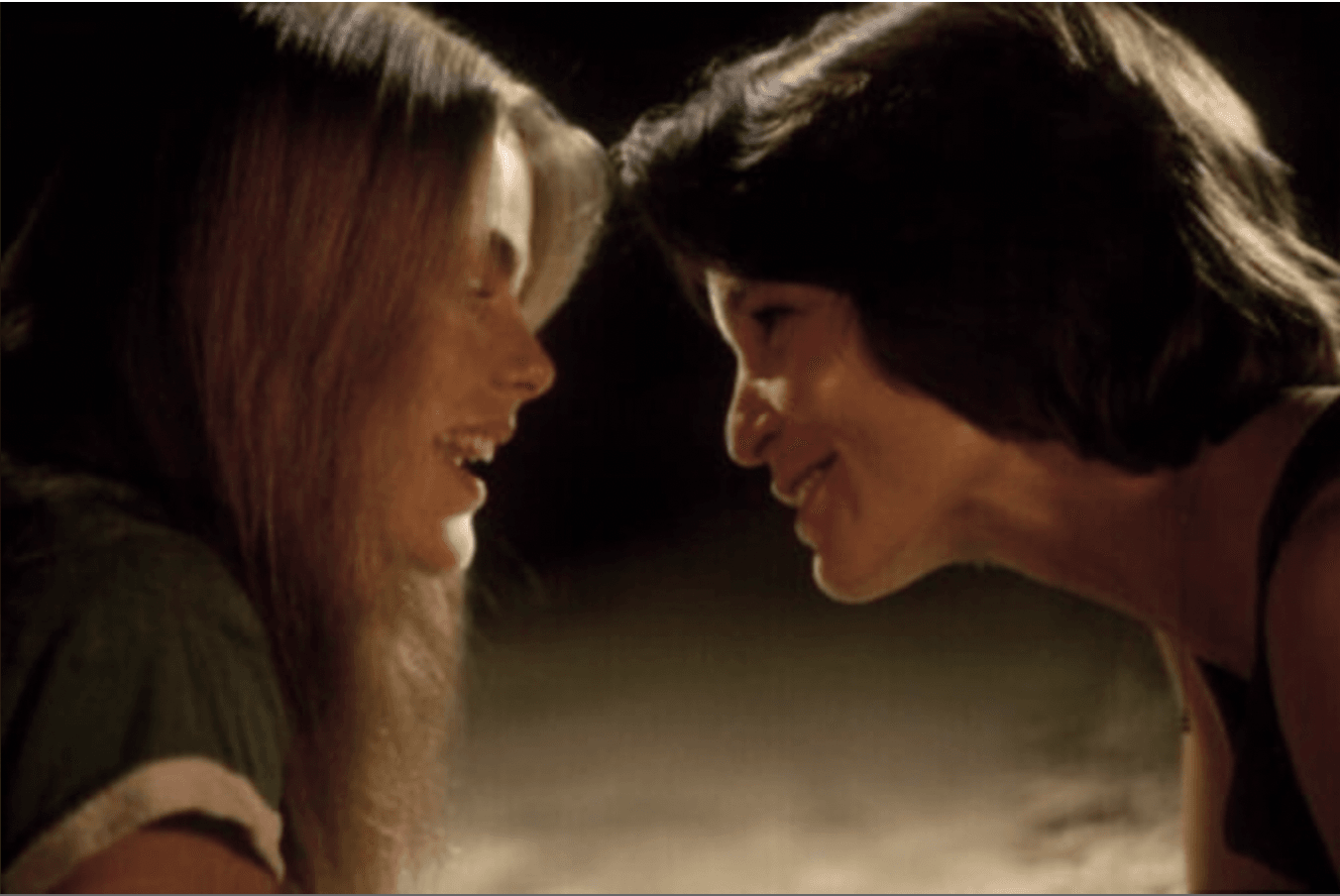
On the track, everything is about winning. Off it, two women discover something far more complicated: desire, intimacy, and the thrill of finding someone who can match your stride. Robert Towne’s Personal Best is a sensual, athletic, and quietly radical portrait of queer desire and female ambition. Chris Cahill (Mariel Hemingway) is a talented young track-and-field athlete still searching for confidence when she meets Tory Skinner (Patrice Donnelly), an accomplished pentathlete preparing for the Olympic Trials. Their friendship quickly deepens into an intimate relationship, while Tory becomes both Chris’s mentor and fiercest competitor. Training together under demanding coach Terry Tingloff (Scott Glenn), the women push each other toward new heights. But as Chris’s abilities grow, so does the tension between them. The demands of elite competition—and the possibility of Olympic glory—force them to navigate the shifting boundaries between love, friendship, rivalry, and independence. Towne’s directorial debut remains striking for its frank portrayal of women athletes and queer intimacy. Shot with an immediacy that captures both the physical intensity of competition and the sensuality of the women’s relationship, Personal Best is a film about bodies in motion, ambition, desire, and the complicated ways we push one another to become our best selves.

PosterFeatureIN-CINEMA
CE N'EST PAS L'HOMOSEXUEL QUI EST PERVERS MAIS LA SOCIÉTÉ DANS LAQUELLE IL VIT (NICHT DER HOMOSEXUELLE IST PERVERS, SONDERN DIE SITUATION, IN DER ER LEBT)[RE:VISION RETRO QUEER]67 minutesNOV 25 / 19:00

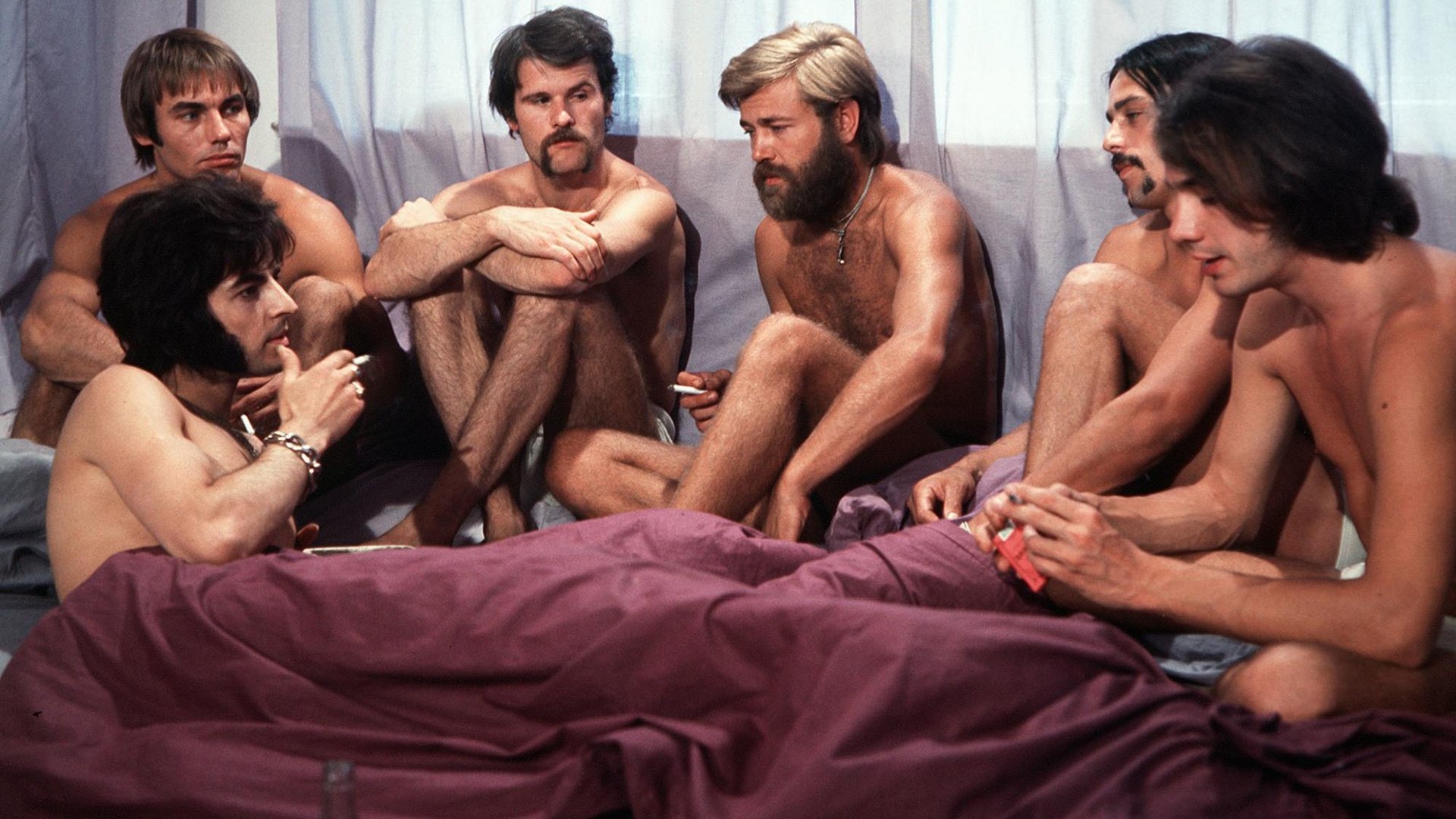
Daniel and Clemens fall in love, move in together, and attempt to imitate the conventions of a bourgeois marriage. When their relationship ends after four months, Daniel becomes increasingly immersed into Berlin’s gay subculture. He takes a job at a gay café and frequents parks and public meeting places popular with gay men. Eventually, he meets Paul, who introduces him to a gay communal household where alternative models of gay life and identity are openly discussed. Praunheim’s scathing critique of the self-imposed invisibility of gay people in public life is one of the rare examples of a film that had a direct socio-political impact. Following its first screenings, more than fifty activist groups were founded, laying the groundwork for the modern German gay rights movement. Originally filmed without sound and later supplemented with an ironic voice-over commentary, the film blends fiction and documentary footage, manifesto and essay, culminating in a direct appeal for collective self-organization. Its experimental and open-ended form is as provocative and challenging as its wide-ranging critique.

PosterFeatureIN-CINEMA
CRUISING[FRISSONS QUEER: FANTASIA x IMAGE+NATION]100 minutesNOV 22 / 15:00

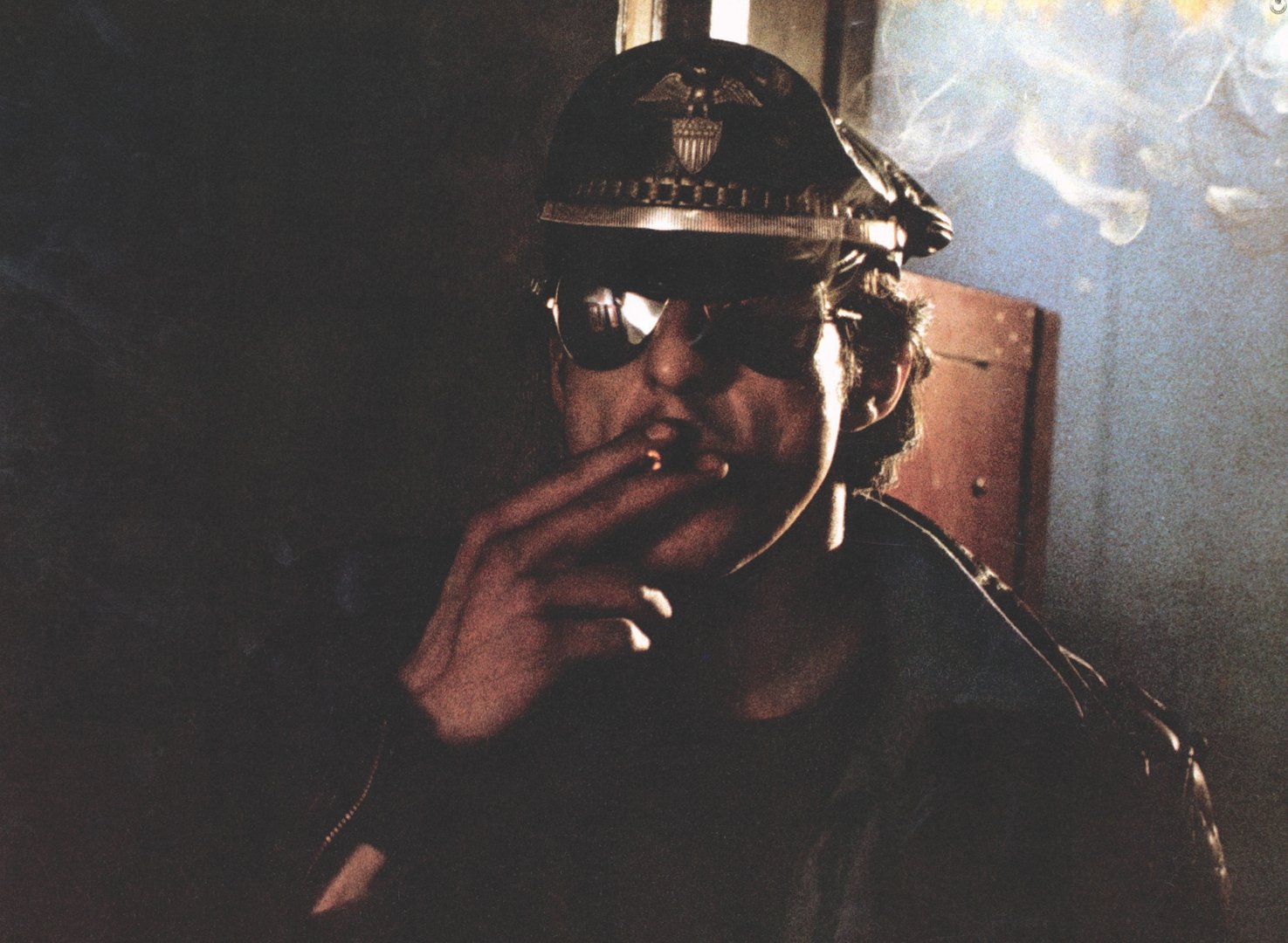
The leather bars of New York’s underground scene become the setting for a dangerous game of desire, identity, and surveillance. William Friedkin’s Cruising plunges into the city’s pre-AIDS queer nightlife, where a young undercover cop is drawn into a world he was sent to investigate. Al Pacino stars as Steve Burns, a rookie police officer assigned to go undercover in Manhattan’s leather district to track down a killer targeting gay men. Disguised as a member of the scene, Burns moves through bars, clubs, and late-night encounters as the investigation draws him deeper into a world that is both unfamiliar and increasingly difficult to observe from a distance. Released in 1980, Cruising remains one of the most controversial films about queer life in American cinema. Friedkin’s shadowy, atmospheric direction captures the charged anonymity of New York’s leather and S&M subculture, while deliberately blurring the boundaries between performance, policing, desire, and identity. Cruising will screen alongside Mineshaft: The Cruising Murders, a documentary exploring the real-life murders and notorious leather bar at the heart of the film’s story. Together, they offer two perspectives on a pivotal moment in queer New York, just before the AIDS crisis transformed the community.

PosterDocumentaryIN-CINEMA
PARIS WAS A WOMAN[RE:VISION RETRO QUEER]75 minutesNOV 24 / 19:00

The handsome 4K digital restoration of Paris Was a Woman (1996)—the Opening Film of I+N09—traverses Paris’ Left Bank from the dawn of the 20th century to the shadows of WWII, unspooling the loves, legacies, and collaborations of creative queer women drawn there by the “promise of freedom. Street by street, we drop in on “rough diamond” Djuna Barnes at 9, rue St-Romain, and on Sylvia Beach and Andrienne Monnier as they reshape bookselling on Rue de l’Odéon. We’re there when Natalie Barney launches one of few “true literary salons,” Alice B. Toklas redefines the artist-muse relationship, and Genêt confronts the “tension between Communism and Fascist totalitarianism.” And throughout, iconic women comment on themselves and one another, as well as artists who inspired them: Colette, Josephine Baker. Celebrating its 30th anniversary in collaboration with director Greta Schiller and writer Andrea Weiss, this fleet yet encyclopedic compendium of queer female modernists compiles rare home movies and interviews, and is enlivened by striking imagery: Parc Monceau blanketed in snow; tanks driving down war-torn streets. Altogether, marking the glorious starts and sometimes thorny ends of larger-than-life luminaries in the “capital of hedonism.”

PosterFeatureIN-CINEMA
HELLBENT[FRISSONS QUEER: FANTASIA x IMAGE+NATION]84 minutesNOV 28 / 14:45

Blood, boys, and a masked killer on the loose! Paul Etheredge-Ouzts’s Hellbent, often cited as the first gay slasher film and image+nation’s 2004 Opening Night Film, unleashes a scythe-wielding murderer at West Hollywood’s Halloween Carnival. As bodies pile up, Eddie and his crush, Jake, must fight to survive in this landmark queer horror classic. With its wicked sense of humour, eye-popping production design, and ultra-gory special effects, Paul Etheredge-Ouzts’s Hellbent takes the slasher genre to a new homo height. This campy debut follows handsome boy-next-door Eddie and his three best friends into the fantastical world of West Hollywood’s annual Halloween Carnival. Distracted by his crush on the darkly mysterious Jake, Eddie—a would-be police officer—fails to notice the masked, scythe-wielding killer stalking him and his friends. As the decapitated bodies begin to pile up, Eddie and Jake must join forces in a desperate fight for survival. Packed with surprises and propelled by an explosive soundtrack, Hellbent delivers thrills, chills, and wicked laughs at breakneck speed. Blending classic slasher conventions with queer desire, camp humour, and unapologetic gore, the film carved out a distinctive place in queer horror.

PosterFeatureIN-CINEMA
THE WATERMELON WOMAN[FIRST FILMS]90 minutesNOV 29 / 13:00

Cheryl Dunye’s groundbreaking The Watermelon Woman blends fiction and documentary to explore the erasure of Black queer women from film history. Funny, incisive, and playfully self-reflexive, this landmark of New Queer Cinema follows a filmmaker determined to uncover the story behind a forgotten face on screen. Cheryl, played by Dunye herself, is a young Black lesbian working at a video store in Philadelphia while pursuing her filmmaking ambitions. Fascinated by a Black actress credited only as “The Watermelon Woman” in a 1930s Hollywood film, Cheryl sets out to discover her name and history. Her research leads her into the intertwined worlds of race, sexuality, representation, and the hidden lives of Black women in cinema. Meanwhile, her budding relationship with Diana, played by queer cinema icon Guinevere Turner, raises questions about desire, privilege, and interracial intimacy. Moving between archival-style footage, interviews, personal video diaries, and fictional storytelling, Dunye blurs the boundaries between fact and invention. With wit and critical insight, The Watermelon Woman challenges histories that exclude queer voices and imagines new ways to reclaim them. Both a personal journey and a radical act of cinematic self-definition, the film remains a defining work of Black lesbian cinema.

PosterDocumentaryIN-CINEMA
BARBARA FOREVER[RE:VISION RETRO QUEER]102 minutesNOV 28 / 13:00

A dive into the life and archives of the prolific, avant-garde filmmaker, Barbara Hammer, a lesbian feminist artist who paved the way for queer women in film. Hammer was a keynote speaker for Image+Nation’s 20th anniversary conference, and many of her films have been featured over the festival’s four-decade span. Known first for her sensual and erotic short film Dyketactics (1974), Hammer challenged the male gaze by becoming the first lesbian filmmaker to create a lesbian-lovemaking film. From then on, she continued to create lesbian aesthetic films, facing pushback and criticism, as well as indirect forms of censorship. She persisted, despite endless barriers, ultimately succeeding in shedding light on the lives of an invisible social group, and with an impeccable sense of creativity. Witness Hammer’s incredible milestones, like the feature of her 1985 film Optic Nerve in the 1987 Whitney Biennial; the reception of a domestic partnership certificate with her life partner; and winning the 2000 Frameline Award at the San Francisco International Lesbian & Gay Film Festival. This poignant documentary of a woman’s extraordinary life, and her career as a ground-breaking visual poet, isn’t to be missed.

PosterFeatureIN-CINEMA
PERSONAL BEST[RE:VISION RETRO QUEER]124 minutesNOV 26 / 20:30

On the track, everything is about winning. Off it, two women discover something far more complicated: desire, intimacy, and the thrill of finding someone who can match your stride. Robert Towne’s Personal Best is a sensual, athletic, and quietly radical portrait of queer desire and female ambition. Chris Cahill (Mariel Hemingway) is a talented young track-and-field athlete still searching for confidence when she meets Tory Skinner (Patrice Donnelly), an accomplished pentathlete preparing for the Olympic Trials. Their friendship quickly deepens into an intimate relationship, while Tory becomes both Chris’s mentor and fiercest competitor. Training together under demanding coach Terry Tingloff (Scott Glenn), the women push each other toward new heights. But as Chris’s abilities grow, so does the tension between them. The demands of elite competition—and the possibility of Olympic glory—force them to navigate the shifting boundaries between love, friendship, rivalry, and independence. Towne’s directorial debut remains striking for its frank portrayal of women athletes and queer intimacy. Shot with an immediacy that captures both the physical intensity of competition and the sensuality of the women’s relationship, Personal Best is a film about bodies in motion, ambition, desire, and the complicated ways we push one another to become our best selves.

PosterFeatureIN-CINEMA
CE N'EST PAS L'HOMOSEXUEL QUI EST PERVERS MAIS LA SOCIÉTÉ DANS LAQUELLE IL VIT (NICHT DER HOMOSEXUELLE IST PERVERS, SONDERN DIE SITUATION, IN DER ER LEBT)[RE:VISION RETRO QUEER]67 minutesNOV 25 / 19:00

Daniel and Clemens fall in love, move in together, and attempt to imitate the conventions of a bourgeois marriage. When their relationship ends after four months, Daniel becomes increasingly immersed into Berlin’s gay subculture. He takes a job at a gay café and frequents parks and public meeting places popular with gay men. Eventually, he meets Paul, who introduces him to a gay communal household where alternative models of gay life and identity are openly discussed. Praunheim’s scathing critique of the self-imposed invisibility of gay people in public life is one of the rare examples of a film that had a direct socio-political impact. Following its first screenings, more than fifty activist groups were founded, laying the groundwork for the modern German gay rights movement. Originally filmed without sound and later supplemented with an ironic voice-over commentary, the film blends fiction and documentary footage, manifesto and essay, culminating in a direct appeal for collective self-organization. Its experimental and open-ended form is as provocative and challenging as its wide-ranging critique.

PosterFeatureIN-CINEMA
CRUISING[FRISSONS QUEER: FANTASIA x IMAGE+NATION]100 minutesNOV 22 / 15:00

The leather bars of New York’s underground scene become the setting for a dangerous game of desire, identity, and surveillance. William Friedkin’s Cruising plunges into the city’s pre-AIDS queer nightlife, where a young undercover cop is drawn into a world he was sent to investigate. Al Pacino stars as Steve Burns, a rookie police officer assigned to go undercover in Manhattan’s leather district to track down a killer targeting gay men. Disguised as a member of the scene, Burns moves through bars, clubs, and late-night encounters as the investigation draws him deeper into a world that is both unfamiliar and increasingly difficult to observe from a distance. Released in 1980, Cruising remains one of the most controversial films about queer life in American cinema. Friedkin’s shadowy, atmospheric direction captures the charged anonymity of New York’s leather and S&M subculture, while deliberately blurring the boundaries between performance, policing, desire, and identity. Cruising will screen alongside Mineshaft: The Cruising Murders, a documentary exploring the real-life murders and notorious leather bar at the heart of the film’s story. Together, they offer two perspectives on a pivotal moment in queer New York, just before the AIDS crisis transformed the community.