Image+Nation
CRUISING

CRUISING

WILLIAM FRIEDKIN | USA | 1980 | 100 MIN | ENGLISH

WILLIAM FRIEDKIN | USA | 1980 | 100 MIN | ENGLISH

IN-CINEMAFeatureFRISSONS QUEER: FANTASIA x IMAGE+NATIONRE:VISION RETRO QUEER

Presented by

Fantasia
NOV 22 / 15:00Sir George Williams Alumni Auditorium (H110) | Concordia University 1455 Boul. de Maisonneuve O. Montréal, QC H3G 1M8 (métro Guy-Concordia)

Synopsis

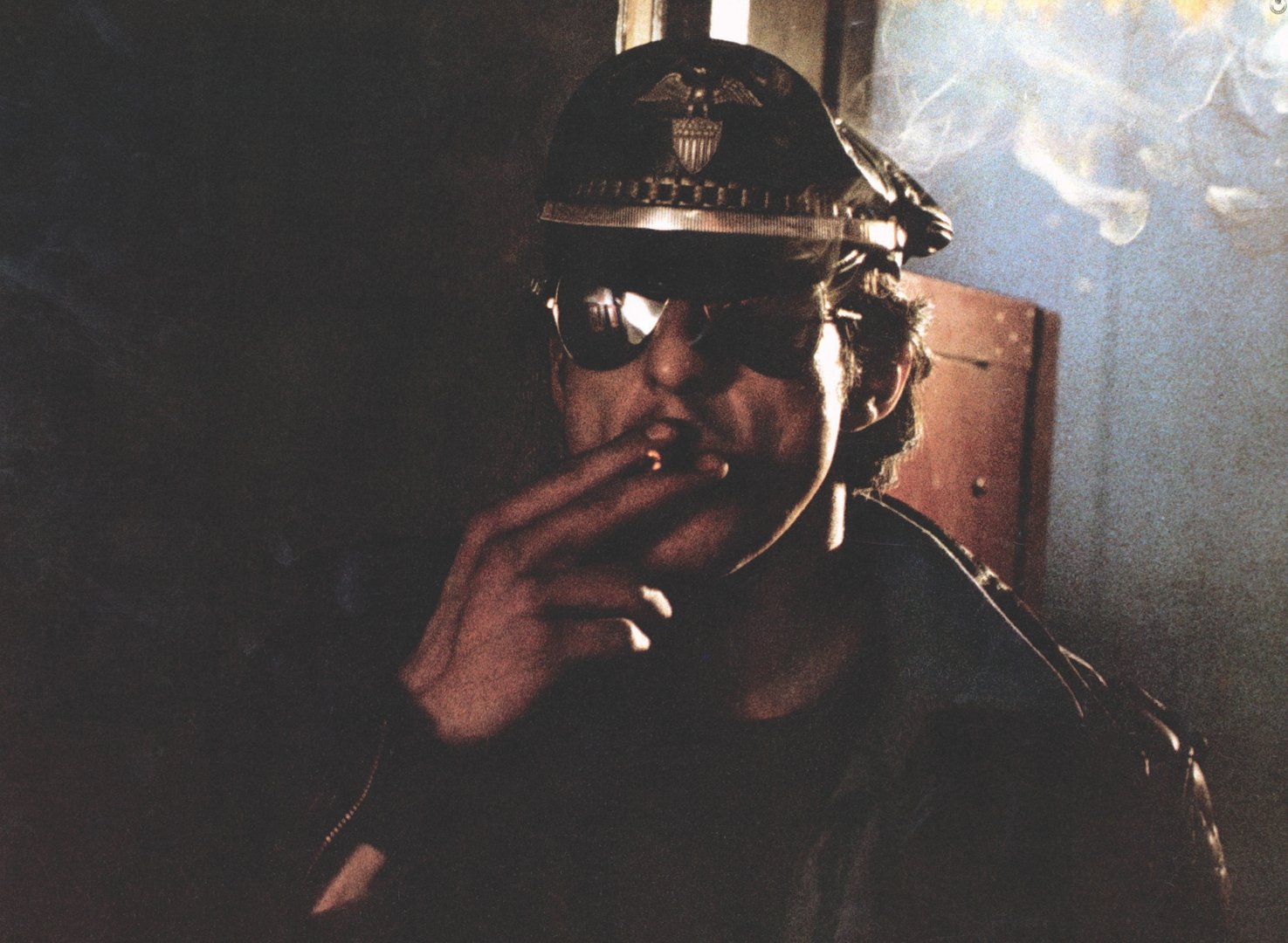
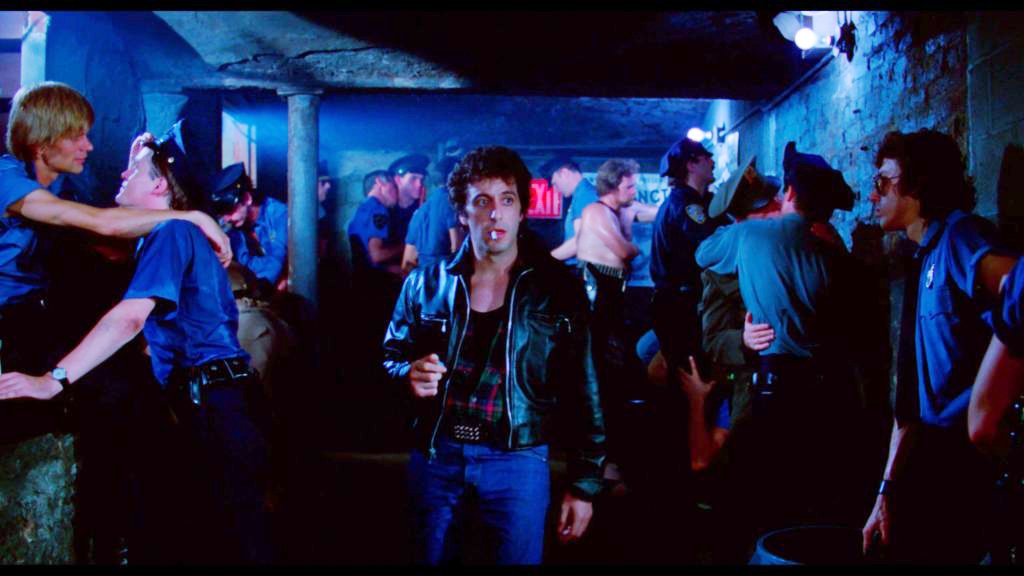
The leather bars of New York’s underground scene become the setting for a dangerous game of desire, identity, and surveillance. William Friedkin’s Cruising plunges into the city’s pre-AIDS queer nightlife, where a young undercover cop is drawn into a world he was sent to investigate. Al Pacino stars as Steve Burns, a rookie police officer assigned to go undercover in Manhattan’s leather district to track down a killer targeting gay men. Disguised as a member of the scene, Burns moves through bars, clubs, and late-night encounters as the investigation draws him deeper into a world that is both unfamiliar and increasingly difficult to observe from a distance. Released in 1980, Cruising remains one of the most controversial films about queer life in American cinema. Friedkin’s shadowy, atmospheric direction captures the charged anonymity of New York’s leather and S&M subculture, while deliberately blurring the boundaries between performance, policing, desire, and identity. Cruising will screen alongside Mineshaft: The Cruising Murders, a documentary exploring the real-life murders and notorious leather bar at the heart of the film’s story. Together, they offer two perspectives on a pivotal moment in queer New York, just before the AIDS crisis transformed the community.

Trailer

Filmmaker Bio

William Friedkin (1935–2023) was an American director, producer and screenwriter closely associated with the New Hollywood movement. He began his career in documentaries before gaining international recognition with The French Connection (1971), which won five Academy Awards including Best Director, and The Exorcist (1973), which earned him another Oscar nomination. His filmography also includes The Boys in the Band (1970), Sorcerer (1977), Cruising (1980), To Live and Die in L.A. (1985), Bug (2006), Killer Joe (2011), and The Caine Mutiny Court-Martial (2023). Friedkin also worked extensively as an opera director.

Director's Statement

“I was making a film about unsolved murders. That was really the unusual and unique thing about it. […] The thing that attracts me to almost every film I’ve made is the thin line between good and evil. […] There is no resolution. […] Cruising says that the evil is still out there, and the evil is out there. […] The existence of good and evil in all of us […] is what all of my films are about, for the most part.”

Producer

Jerry Weintraub

Writer

William Friedkin

Cast

  • Al Pacino
  • Paul Sorvino
  • Karen Allen
Image
Image

PARTNERS

Fantasia

You might also like

PosterFeatureIN-CINEMA
L’EINSTEIN DU SEXE (DER EINSTEIN DES SEX)[RE:VISION RETRO QUEER]100 minutesNOV 25 / 20:30

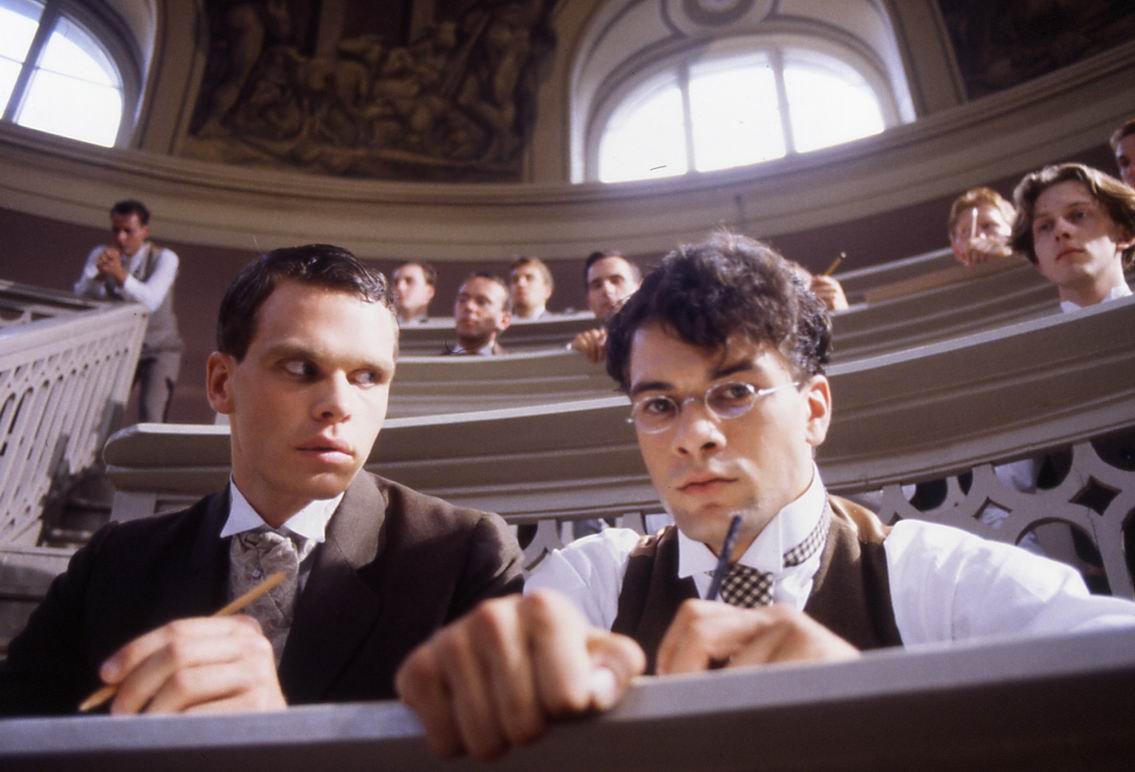
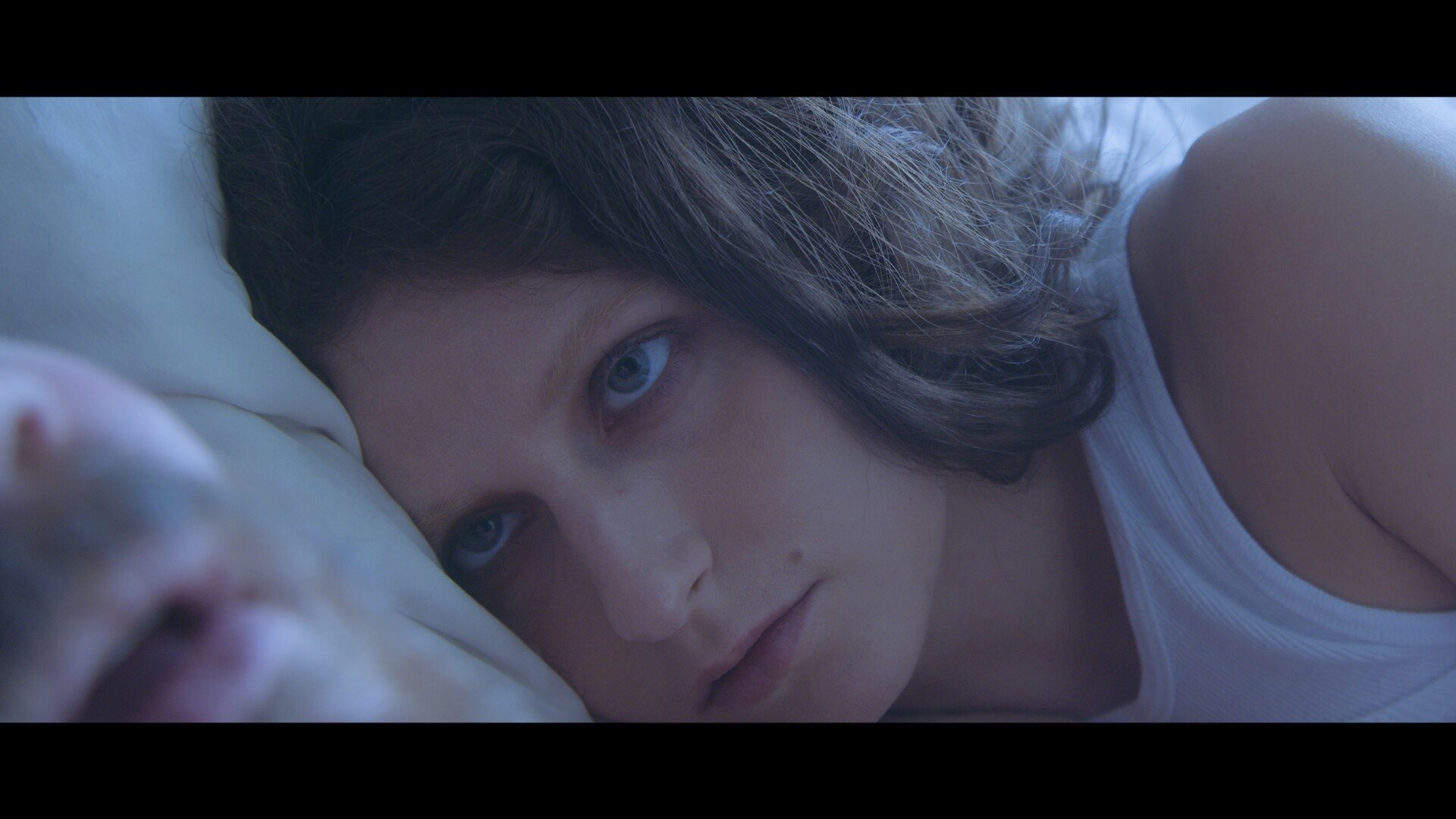
Long before LGBTQ+ rights became part of the public conversation, Magnus Hirschfeld was fighting to change how society understood sexuality, gender, and desire. Rosa von Praunheim’s The Einstein of Sex brings the pioneering German sexologist’s remarkable life and work to the screen. Born in 1868 to a Jewish family, Hirschfeld became a physician and an outspoken advocate for sexual minorities. In 1897, he founded the Scientific-Humanitarian Committee, the world’s first organization dedicated to homosexual rights, and campaigned to overturn Paragraph 175, the German law criminalizing homosexuality. His work extended far beyond activism. Hirschfeld pursued research into sexuality and gender, worked within the emerging psychoanalytic movement before breaking with Freud and Jung, and in 1919 established the Institute for Sexual Science in Berlin. The institute became an internationally renowned centre for research, education, and care, including pioneering work with transgender people. Praunheim traces Hirschfeld’s life chronologically, blending historical reconstruction with a deliberately theatrical, educational style. After the Nazis seized power, the institute was destroyed and its library burned. Hirschfeld went into exile, dying in 1935 without seeing his vision realized. A portrait of a visionary whose legacy continues to shape queer history.

PosterShort
LA HÈRE (THE GREAT-TAILED BEAST)[FRISSONS QUEER: FANTASIA x IMAGE+NATION]17 minutesNOV 21 / 17:00

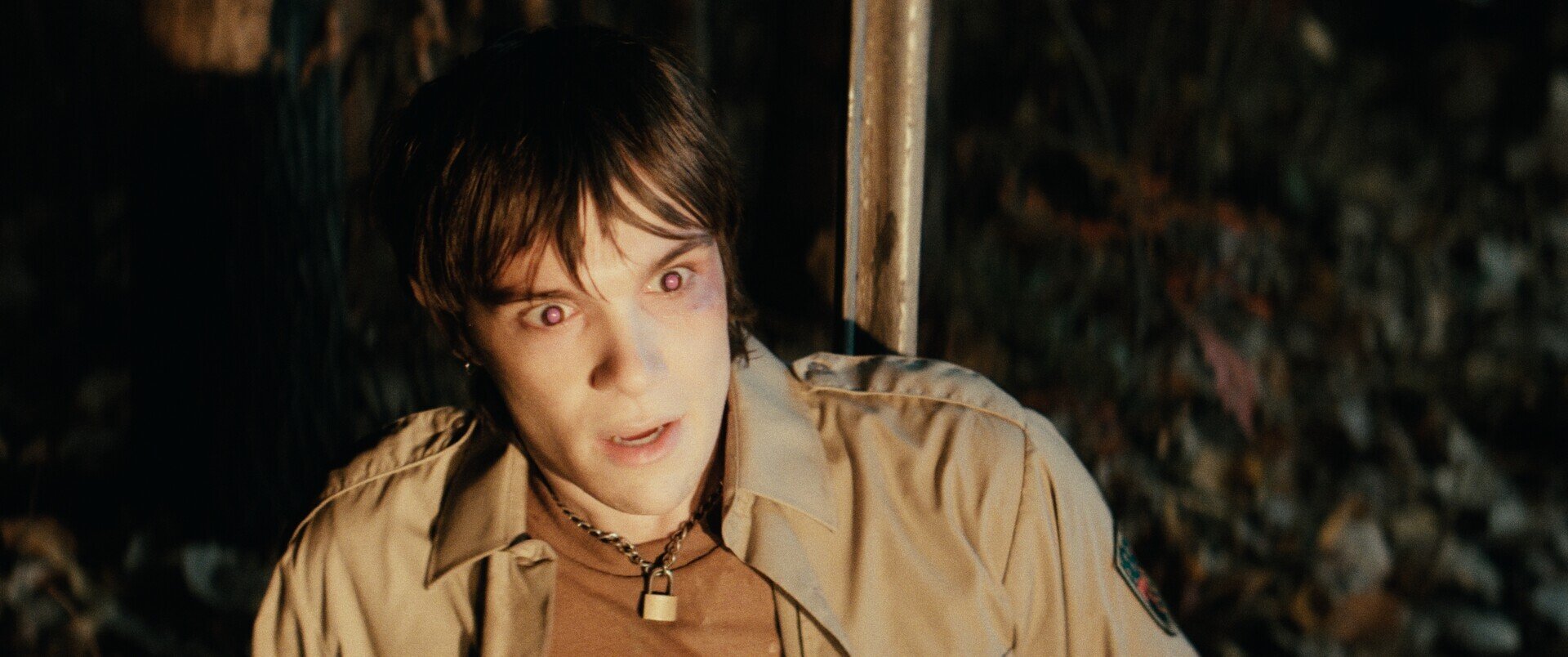
When a rookie forest ranger flees into the Quebec wilderness to escape a brutal hazing ritual, he finds himself hunted not only by his peers, but by a towering creature of folklore stalking him through the woods.

PosterFeatureIN-CINEMA
TEENAGE SEX AND DEATH AT CAMP MIASMA[FRISSONS QUEER: FANTASIA x IMAGE+NATION]112 minutesNOV 22 / 17:00

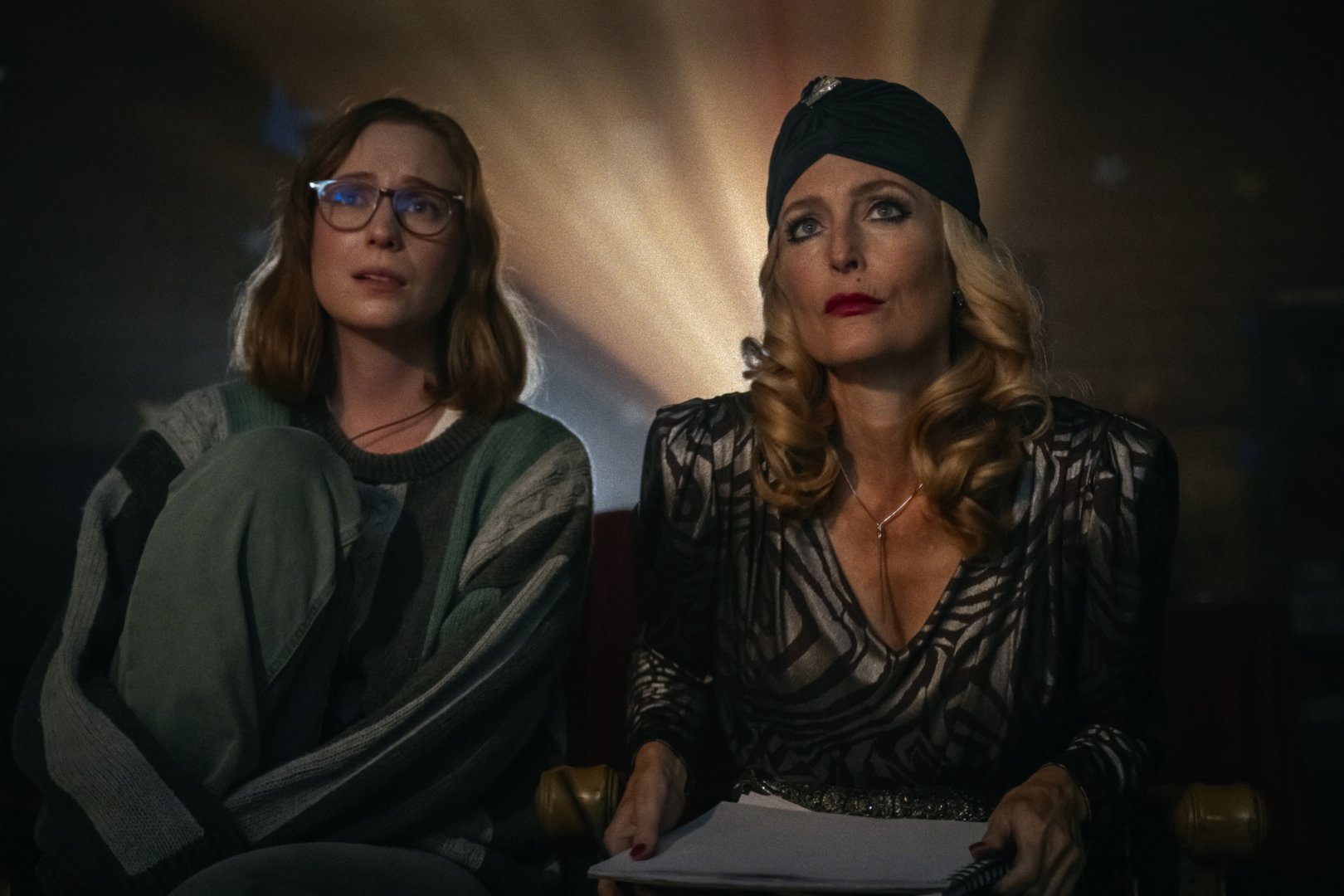
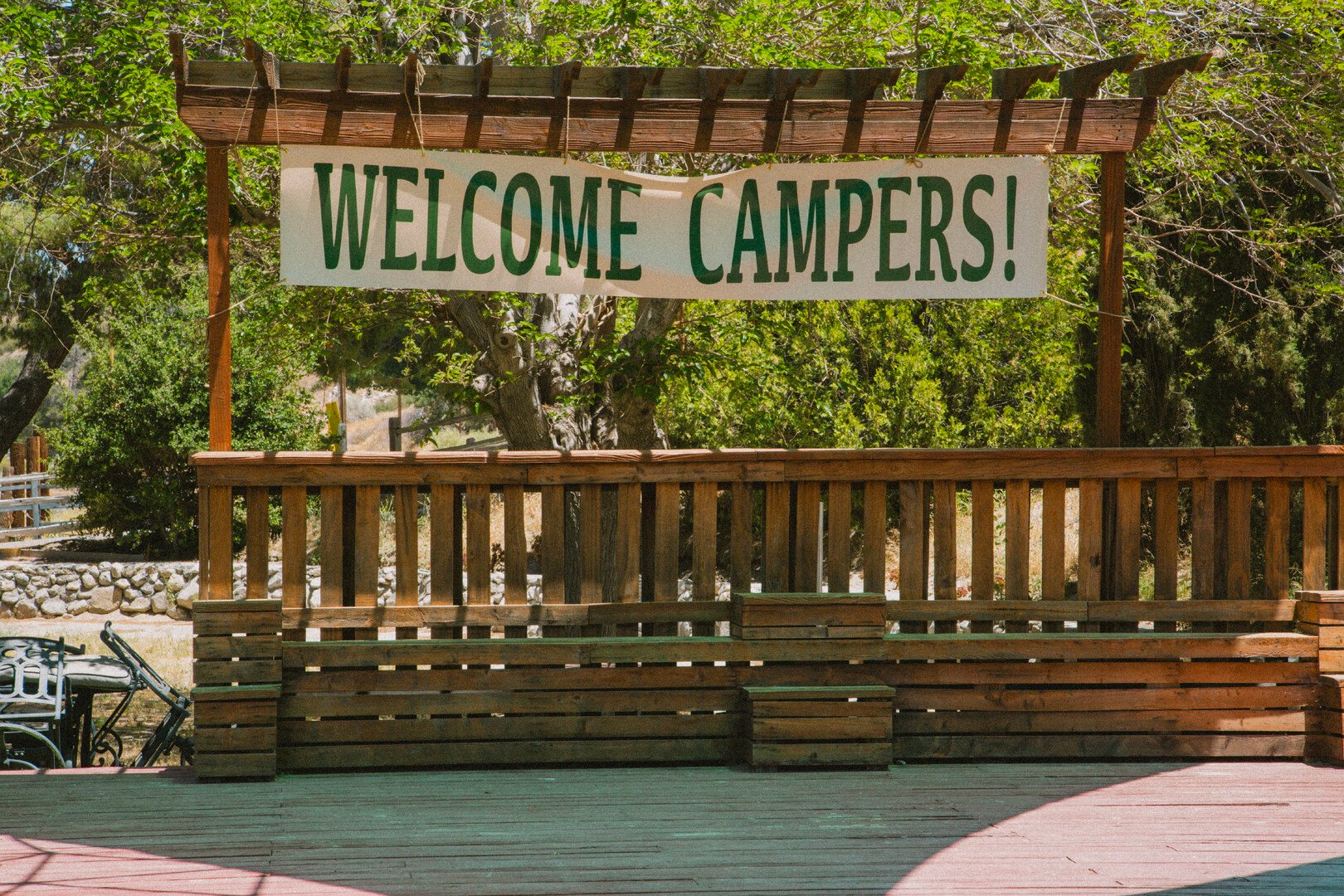
A queer psychosexual slasher starring Emmy-winning actors Hannah Einbinder (Hacks) and Gillian Anderson (The X-Files), Jane Schoenbrun’s latest film further establishes them as one of queer and trans cinema’s vital auteurs. Einbinder stars as Kris, a passionate writer hired to revive Camp Miasma, their favourite horror franchise, after years of slapdash sequels and waning fandom. Kris travels to an abandoned summer camp to meet Billy (Anderson), the reclusive actress who played the original film’s final girl. As the two women unravel the ways the franchise has shaped them, they descend into a blood-soaked delirium of desire, self-discovery, and obsession. Described by Schoenbrun (We’re All Going to the World’s Fair; I Saw the TV Glow) as “an insane yet cozy midnight odyssey,” Teenage Sex and Death at Camp Miasma is a brilliant, funny, and poignant meta-meditation on the stories that make us, our final girls and their monsters, and the process of becoming. With echoes of Mulholland Drive, standout central performances, and a stellar cast including Jack Haven, Jasmin Savoy Brown, Eva Victor, and Zach Cherry, Schoenbrun delivers a singular vision.

PosterShort
MANIC[FRISSONS QUEER: FANTASIA x IMAGE+NATION]16 minutesNOV 21 / 17:00

After two decades of creative repression, an artist descends into kaleidoscopic madness, turning her oppressive partner into a grotesque work of art.

PosterShort
LA MOISSON[FRISSONS QUEER: FANTASIA x IMAGE+NATION]11 minutesNOV 21 / 17:00

Nightmarish corporeal body horror with excessive violence.

PosterDocumentaryIN-CINEMA
BARBARA FOREVER[RE:VISION RETRO QUEER]102 minutesNOV 28 / 13:00

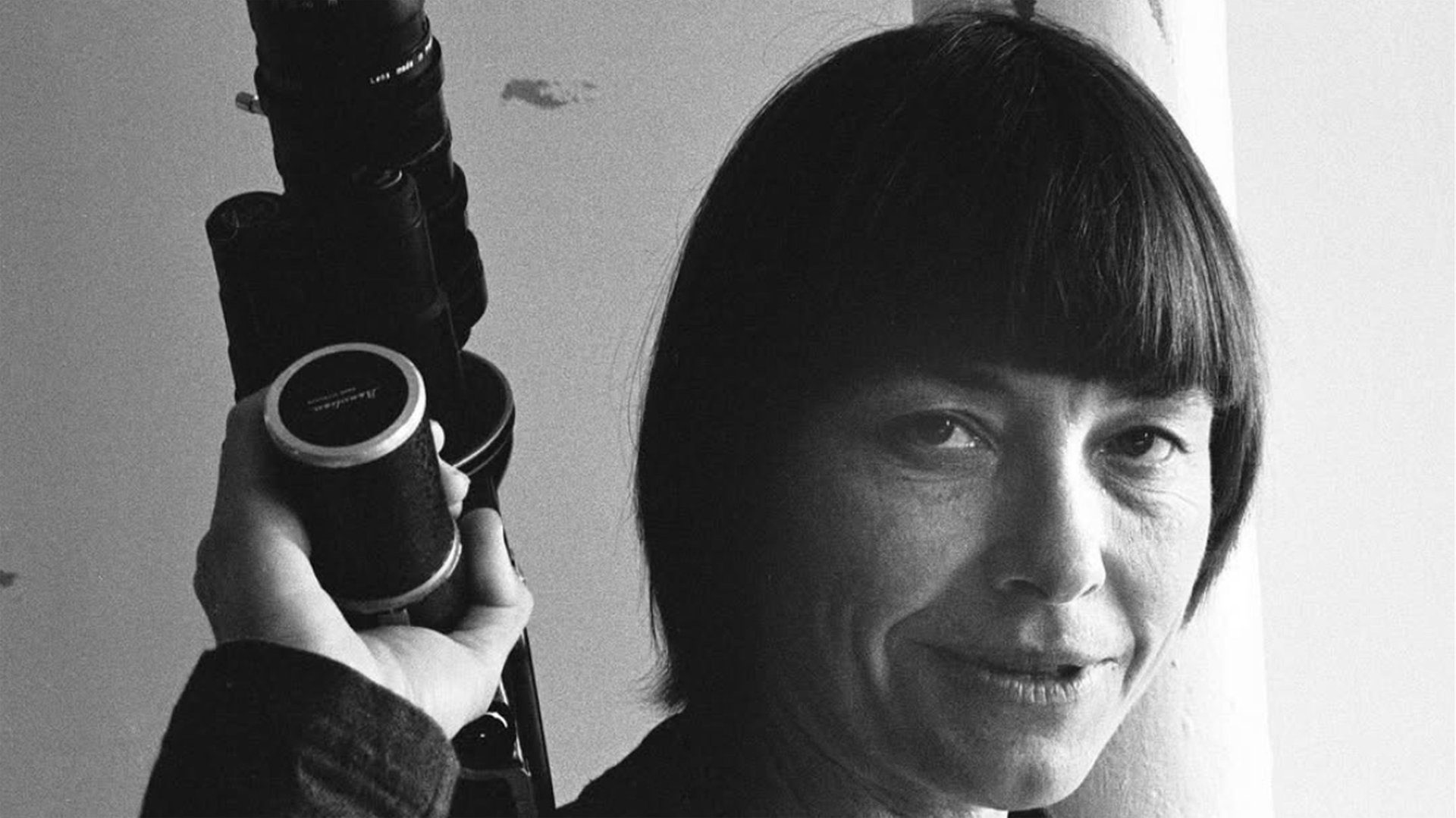
A dive into the life and archives of the prolific, avant-garde filmmaker, Barbara Hammer, a lesbian feminist artist who paved the way for queer women in film. Hammer was a keynote speaker for Image+nation’s 20th anniversary conference, and many of her films have been featured over the festival’s four-decade span. Known first for her sensual and erotic short film Dyketactics (1974), Hammer challenged the male gaze by becoming the first lesbian filmmaker to create a lesbian-lovemaking film. From then on, she continued to create lesbian aesthetic films, facing pushback and criticism, as well as indirect forms of censorship. She persisted, despite endless barriers, ultimately succeeding in shedding light on the lives of an invisible social group, and with an impeccable sense of creativity. Witness Hammer’s incredible milestones, like the feature of her 1985 film Optic Nerve in the 1987 Whitney Biennial; the reception of a domestic partnership certificate with her life partner; and winning the 2000 Frameline Award at the San Francisco International Lesbian & Gay Film Festival. This poignant documentary of a woman’s extraordinary life, and her career as a ground-breaking visual poet, isn’t to be missed.

PosterFeatureIN-CINEMA
THE WATERMELON WOMAN[FIRST FILMS]90 minutesNOV 29 / 13:00

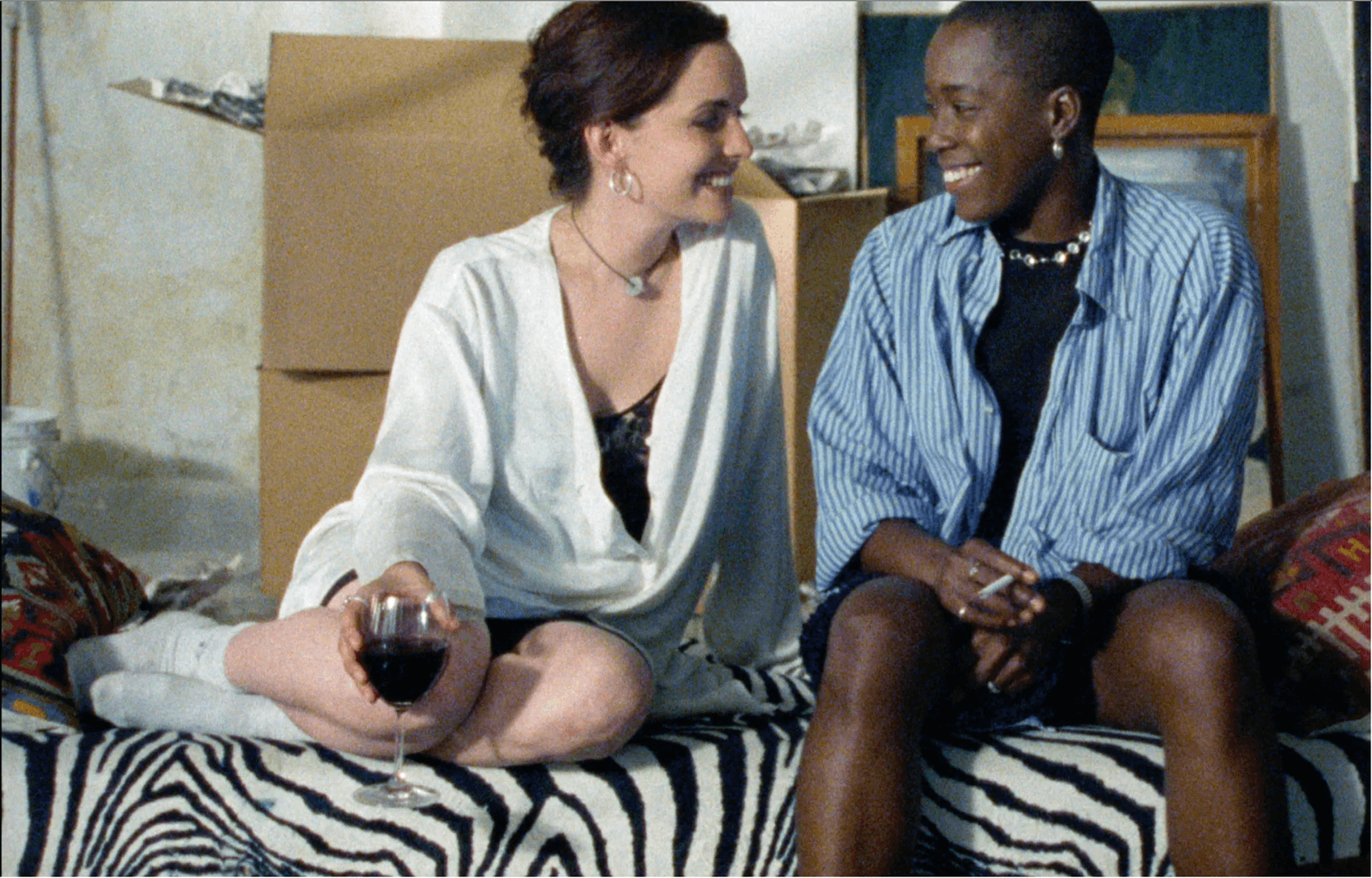
Cheryl Dunye’s groundbreaking The Watermelon Woman blends fiction and documentary to explore the erasure of Black queer women from film history. Funny, incisive, and playfully self-reflexive, this landmark of New Queer Cinema follows a filmmaker determined to uncover the story behind a forgotten face on screen. Cheryl, played by Dunye herself, is a young Black lesbian working at a video store in Philadelphia while pursuing her filmmaking ambitions. Fascinated by a Black actress credited only as “The Watermelon Woman” in a 1930s Hollywood film, Cheryl sets out to discover her name and history. Her research leads her into the intertwined worlds of race, sexuality, representation, and the hidden lives of Black women in cinema. Meanwhile, her budding relationship with Diana, played by queer cinema icon Guinevere Turner, raises questions about desire, privilege, and interracial intimacy. Moving between archival-style footage, interviews, personal video diaries, and fictional storytelling, Dunye blurs the boundaries between fact and invention. With wit and critical insight, The Watermelon Woman challenges histories that exclude queer voices and imagines new ways to reclaim them. Both a personal journey and a radical act of cinematic self-definition, the film remains a defining work of Black lesbian cinema.

PosterFeatureIN-CINEMA
DON'T COME OUT (NO SALGAS)[FIRST FILMS]105 minutesNOV 21 / 21:15

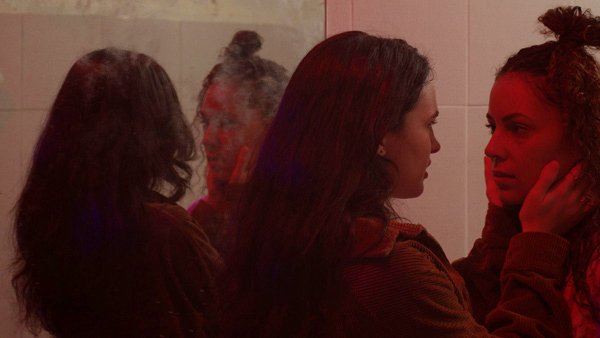
Poignant and powerful, Don’t Come Out is a horror film that brings visibility to queer femme identity, and with a visceral intensity that is impossible to ignore. It spares no detail in the consequences of authenticity in a homophobic and misogynistic environment; particularly, how it permeates and haunts the mind. Medical student Liz lives a seemingly charmed life. As long as she is careful, consequence is only a word. After the sudden and brutal death of her secret girlfriend, Liz keeps up appearances, playing the role of dutiful daughter and passing as straight in her relationship with her doting boyfriend. When she makes a weekend getaway with her best friends, the reality dawns on her that escape is not really an option. As she finds herself enmeshed in sapphic desire again, the horror of breaking social norms ensues, and there is no going back from it. Informed by giallo cinema—blending suspense, eroticism, and stylish cinematography—as well as modernist and grotesque art elements, Don’t Come Out is sure to linger with you long after the credits roll.

PosterShort
PACK[FRISSONS QUEER: FANTASIA x IMAGE+NATION]10 minutesNOV 21 / 17:00

At summer camp, Syd is secretly transforming into a werewolf and struggling to act normal around new friends. When they discover those friends are werewolf hunters, Syd decides that fitting in may require removing everything that makes them inhuman.

PosterDocumentaryIN-CINEMA
PARIS WAS A WOMAN[RE:VISION RETRO QUEER]75 minutesNOV 24 / 19:00

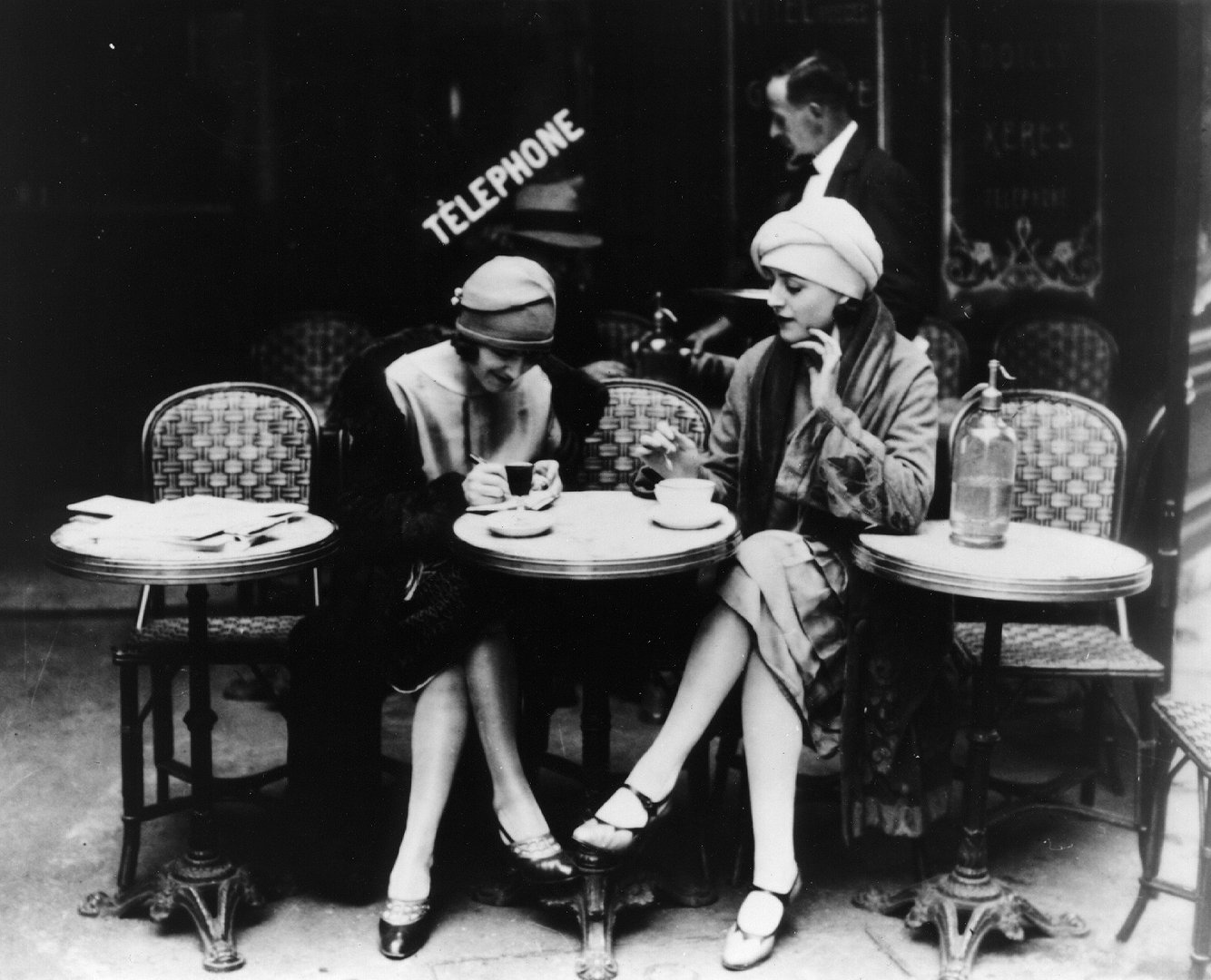
The handsome 4K digital restoration of Paris Was a Woman (1996)—the Opening Film of I+N09—traverses Paris’ Left Bank from the dawn of the 20th century to the shadows of WWII, unspooling the loves, legacies, and collaborations of creative queer women drawn there by the “promise of freedom. Street by street, we drop in on “rough diamond” Djuna Barnes at 9, rue St-Romain, and on Sylvia Beach and Andrienne Monnier as they reshape bookselling on Rue de l’Odéon. We’re there when Natalie Barney launches one of few “true literary salons,” Alice B. Toklas redefines the artist-muse relationship, and Genêt confronts the “tension between Communism and Fascist totalitarianism.” And throughout, iconic women comment on themselves and one another, as well as artists who inspired them: Colette, Josephine Baker. Celebrating its 30th anniversary in collaboration with director Greta Schiller and writer Andrea Weiss, this fleet yet encyclopedic compendium of queer female modernists compiles rare home movies and interviews, and is enlivened by striking imagery: Parc Monceau blanketed in snow; tanks driving down war-torn streets. Altogether, marking the glorious starts and sometimes thorny ends of larger-than-life luminaries in the “capital of hedonism.”

PosterFeatureIN-CINEMA
L’EINSTEIN DU SEXE (DER EINSTEIN DES SEX)[RE:VISION RETRO QUEER]100 minutesNOV 25 / 20:30

Long before LGBTQ+ rights became part of the public conversation, Magnus Hirschfeld was fighting to change how society understood sexuality, gender, and desire. Rosa von Praunheim’s The Einstein of Sex brings the pioneering German sexologist’s remarkable life and work to the screen. Born in 1868 to a Jewish family, Hirschfeld became a physician and an outspoken advocate for sexual minorities. In 1897, he founded the Scientific-Humanitarian Committee, the world’s first organization dedicated to homosexual rights, and campaigned to overturn Paragraph 175, the German law criminalizing homosexuality. His work extended far beyond activism. Hirschfeld pursued research into sexuality and gender, worked within the emerging psychoanalytic movement before breaking with Freud and Jung, and in 1919 established the Institute for Sexual Science in Berlin. The institute became an internationally renowned centre for research, education, and care, including pioneering work with transgender people. Praunheim traces Hirschfeld’s life chronologically, blending historical reconstruction with a deliberately theatrical, educational style. After the Nazis seized power, the institute was destroyed and its library burned. Hirschfeld went into exile, dying in 1935 without seeing his vision realized. A portrait of a visionary whose legacy continues to shape queer history.

PosterShort
LA HÈRE (THE GREAT-TAILED BEAST)[FRISSONS QUEER: FANTASIA x IMAGE+NATION]17 minutesNOV 21 / 17:00

When a rookie forest ranger flees into the Quebec wilderness to escape a brutal hazing ritual, he finds himself hunted not only by his peers, but by a towering creature of folklore stalking him through the woods.

PosterFeatureIN-CINEMA
TEENAGE SEX AND DEATH AT CAMP MIASMA[FRISSONS QUEER: FANTASIA x IMAGE+NATION]112 minutesNOV 22 / 17:00

A queer psychosexual slasher starring Emmy-winning actors Hannah Einbinder (Hacks) and Gillian Anderson (The X-Files), Jane Schoenbrun’s latest film further establishes them as one of queer and trans cinema’s vital auteurs. Einbinder stars as Kris, a passionate writer hired to revive Camp Miasma, their favourite horror franchise, after years of slapdash sequels and waning fandom. Kris travels to an abandoned summer camp to meet Billy (Anderson), the reclusive actress who played the original film’s final girl. As the two women unravel the ways the franchise has shaped them, they descend into a blood-soaked delirium of desire, self-discovery, and obsession. Described by Schoenbrun (We’re All Going to the World’s Fair; I Saw the TV Glow) as “an insane yet cozy midnight odyssey,” Teenage Sex and Death at Camp Miasma is a brilliant, funny, and poignant meta-meditation on the stories that make us, our final girls and their monsters, and the process of becoming. With echoes of Mulholland Drive, standout central performances, and a stellar cast including Jack Haven, Jasmin Savoy Brown, Eva Victor, and Zach Cherry, Schoenbrun delivers a singular vision.

PosterShort
MANIC[FRISSONS QUEER: FANTASIA x IMAGE+NATION]16 minutesNOV 21 / 17:00

After two decades of creative repression, an artist descends into kaleidoscopic madness, turning her oppressive partner into a grotesque work of art.

PosterShort
LA MOISSON[FRISSONS QUEER: FANTASIA x IMAGE+NATION]11 minutesNOV 21 / 17:00

Nightmarish corporeal body horror with excessive violence.

PosterDocumentaryIN-CINEMA
BARBARA FOREVER[RE:VISION RETRO QUEER]102 minutesNOV 28 / 13:00

A dive into the life and archives of the prolific, avant-garde filmmaker, Barbara Hammer, a lesbian feminist artist who paved the way for queer women in film. Hammer was a keynote speaker for Image+nation’s 20th anniversary conference, and many of her films have been featured over the festival’s four-decade span. Known first for her sensual and erotic short film Dyketactics (1974), Hammer challenged the male gaze by becoming the first lesbian filmmaker to create a lesbian-lovemaking film. From then on, she continued to create lesbian aesthetic films, facing pushback and criticism, as well as indirect forms of censorship. She persisted, despite endless barriers, ultimately succeeding in shedding light on the lives of an invisible social group, and with an impeccable sense of creativity. Witness Hammer’s incredible milestones, like the feature of her 1985 film Optic Nerve in the 1987 Whitney Biennial; the reception of a domestic partnership certificate with her life partner; and winning the 2000 Frameline Award at the San Francisco International Lesbian & Gay Film Festival. This poignant documentary of a woman’s extraordinary life, and her career as a ground-breaking visual poet, isn’t to be missed.

PosterFeatureIN-CINEMA
THE WATERMELON WOMAN[FIRST FILMS]90 minutesNOV 29 / 13:00

Cheryl Dunye’s groundbreaking The Watermelon Woman blends fiction and documentary to explore the erasure of Black queer women from film history. Funny, incisive, and playfully self-reflexive, this landmark of New Queer Cinema follows a filmmaker determined to uncover the story behind a forgotten face on screen. Cheryl, played by Dunye herself, is a young Black lesbian working at a video store in Philadelphia while pursuing her filmmaking ambitions. Fascinated by a Black actress credited only as “The Watermelon Woman” in a 1930s Hollywood film, Cheryl sets out to discover her name and history. Her research leads her into the intertwined worlds of race, sexuality, representation, and the hidden lives of Black women in cinema. Meanwhile, her budding relationship with Diana, played by queer cinema icon Guinevere Turner, raises questions about desire, privilege, and interracial intimacy. Moving between archival-style footage, interviews, personal video diaries, and fictional storytelling, Dunye blurs the boundaries between fact and invention. With wit and critical insight, The Watermelon Woman challenges histories that exclude queer voices and imagines new ways to reclaim them. Both a personal journey and a radical act of cinematic self-definition, the film remains a defining work of Black lesbian cinema.

PosterFeatureIN-CINEMA
DON'T COME OUT (NO SALGAS)[FIRST FILMS]105 minutesNOV 21 / 21:15

Poignant and powerful, Don’t Come Out is a horror film that brings visibility to queer femme identity, and with a visceral intensity that is impossible to ignore. It spares no detail in the consequences of authenticity in a homophobic and misogynistic environment; particularly, how it permeates and haunts the mind. Medical student Liz lives a seemingly charmed life. As long as she is careful, consequence is only a word. After the sudden and brutal death of her secret girlfriend, Liz keeps up appearances, playing the role of dutiful daughter and passing as straight in her relationship with her doting boyfriend. When she makes a weekend getaway with her best friends, the reality dawns on her that escape is not really an option. As she finds herself enmeshed in sapphic desire again, the horror of breaking social norms ensues, and there is no going back from it. Informed by giallo cinema—blending suspense, eroticism, and stylish cinematography—as well as modernist and grotesque art elements, Don’t Come Out is sure to linger with you long after the credits roll.

PosterShort
PACK[FRISSONS QUEER: FANTASIA x IMAGE+NATION]10 minutesNOV 21 / 17:00

At summer camp, Syd is secretly transforming into a werewolf and struggling to act normal around new friends. When they discover those friends are werewolf hunters, Syd decides that fitting in may require removing everything that makes them inhuman.

PosterDocumentaryIN-CINEMA
PARIS WAS A WOMAN[RE:VISION RETRO QUEER]75 minutesNOV 24 / 19:00

The handsome 4K digital restoration of Paris Was a Woman (1996)—the Opening Film of I+N09—traverses Paris’ Left Bank from the dawn of the 20th century to the shadows of WWII, unspooling the loves, legacies, and collaborations of creative queer women drawn there by the “promise of freedom. Street by street, we drop in on “rough diamond” Djuna Barnes at 9, rue St-Romain, and on Sylvia Beach and Andrienne Monnier as they reshape bookselling on Rue de l’Odéon. We’re there when Natalie Barney launches one of few “true literary salons,” Alice B. Toklas redefines the artist-muse relationship, and Genêt confronts the “tension between Communism and Fascist totalitarianism.” And throughout, iconic women comment on themselves and one another, as well as artists who inspired them: Colette, Josephine Baker. Celebrating its 30th anniversary in collaboration with director Greta Schiller and writer Andrea Weiss, this fleet yet encyclopedic compendium of queer female modernists compiles rare home movies and interviews, and is enlivened by striking imagery: Parc Monceau blanketed in snow; tanks driving down war-torn streets. Altogether, marking the glorious starts and sometimes thorny ends of larger-than-life luminaries in the “capital of hedonism.”