Image+Nation
Sabbath Queen

Sabbath Queen

SANDI DUBOWSKI | USA | 2024 | 105 MIN | ENGLISH

SANDI DUBOWSKI | USA | 2024 | 105 MIN | ENGLISH

DocumentaryCOMPETITIONZEITGEIST

Synopsis

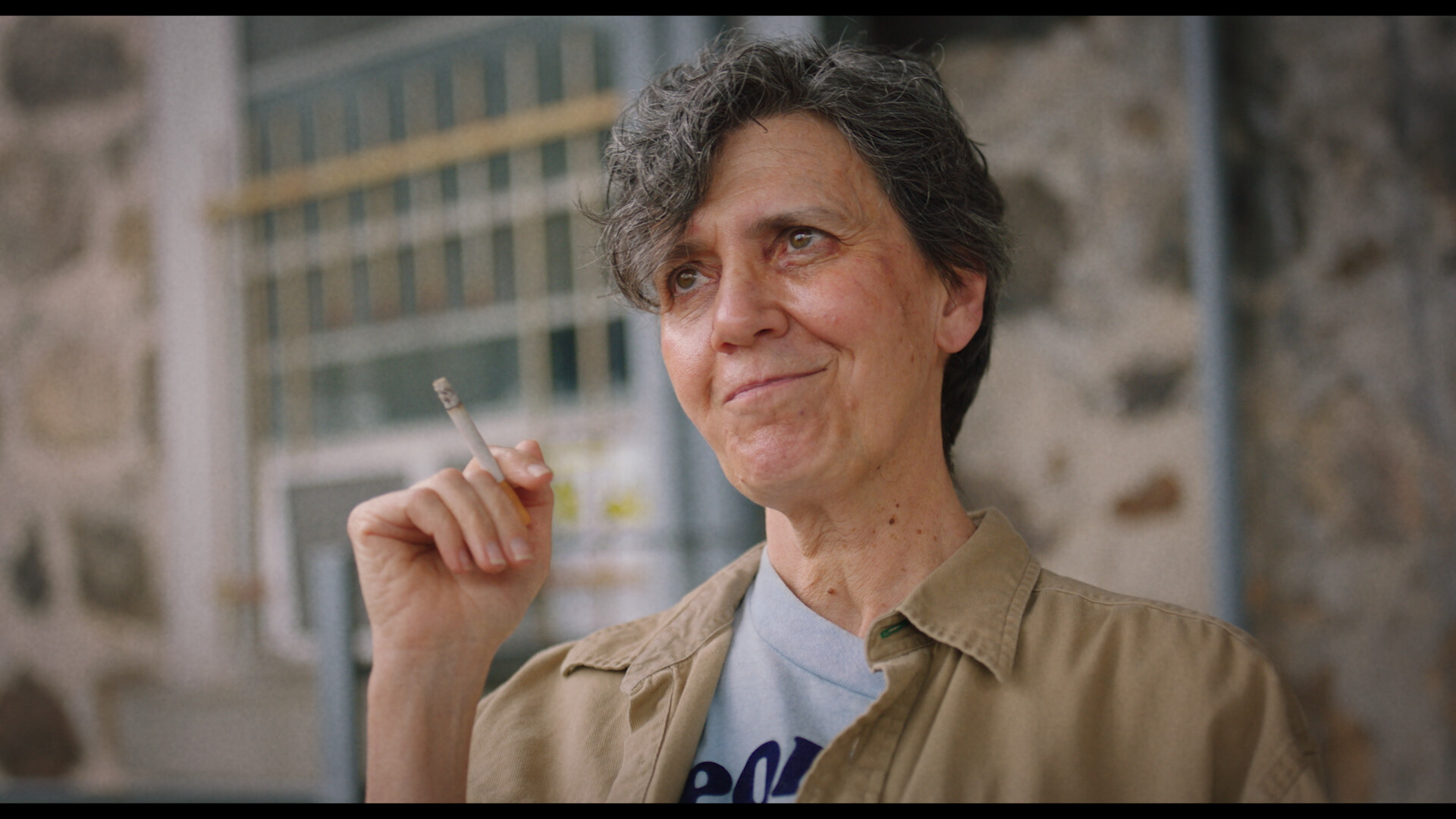
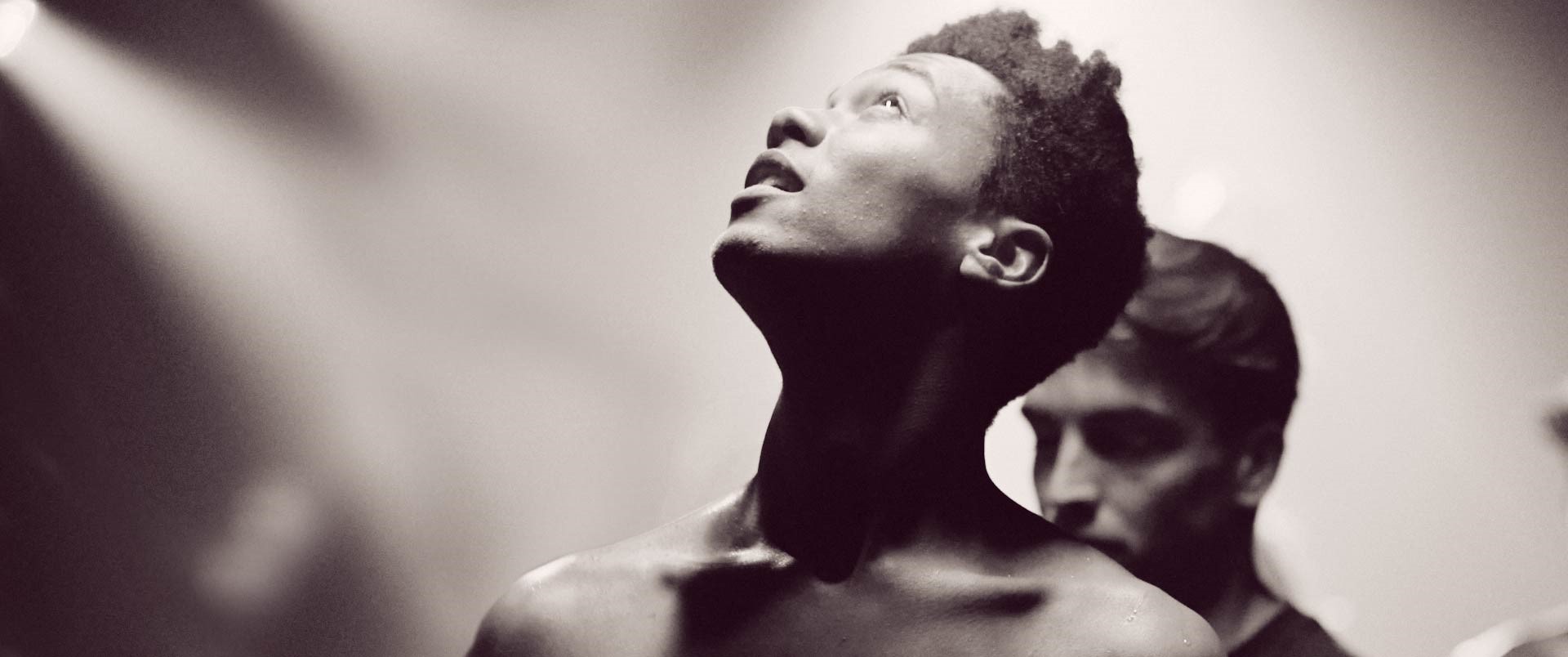
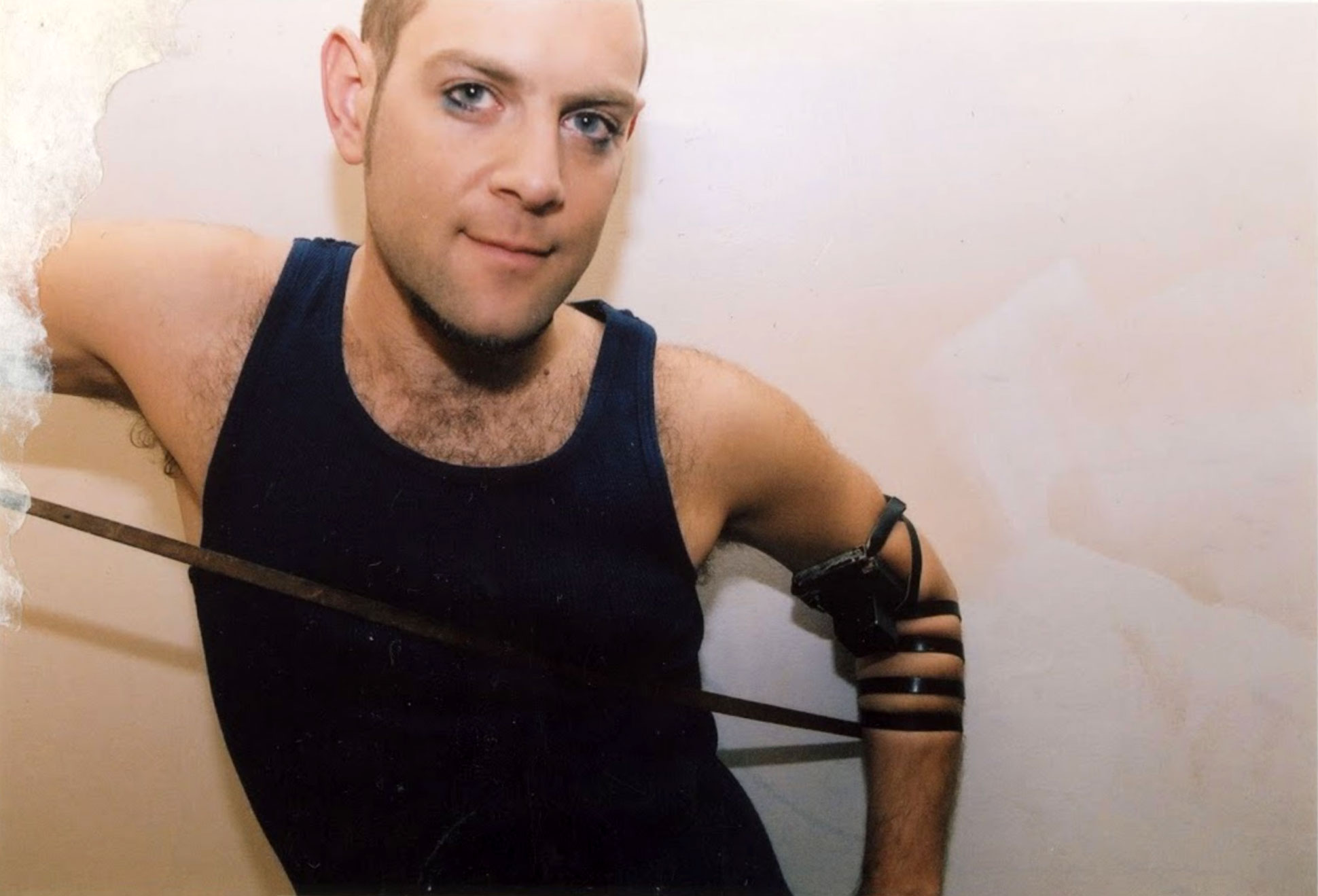
In Sandi DuBowski’s crucial, decades-spanning documentary (executive produced by Darren Aronofsky), Rabbi Amichai Lau-Lavie takes on the Orthodox regime amid escalating reactions to his experimental spirit. It will take harrowing face-to-face confrontations, heated ideological conversations, and all the Radical Faerie magic he can muster to weather the onslaught. Part of a line of rabbis stretching back to the 11th century, at age 28 Amichai left his isolated, pressurized upbringing in Israel for the freedoms of late-90s New York. In America, he joined the Radical Faeries and tapped into the feminine divine with his Rebbetzin Hadassah Gross drag persona, finding redemption through transgression, and founding the God-optional congregation Lab/Shul. Still, he encounters a wall of tradition and the pull of his familial dynasty. Enrolling to become a rabbi at the Conservative-leaning Jewish Theological Seminary, he endeavours to change the system from the inside, but soon finds himself at odds with his peers and “co-conspirators,” defending laws he once broke. Will he have the stamina and willpower to remain true to his ideals, or will his lofty goals end up quelling his radical energy and all that he means to others?

Trailer

Filmmaker Bio

Sandi DuBowski is the Director/Producer of Sabbath Queen. His award-winning work has screened at Sundance, Berlin, Tribeca and Toronto, theatrically released in 150 cities, and broadcast on ZDF/Arte, BBC, Channel 4, PBS. In the mid-1990’s he began his media and activism work at Planned Parenthood Federation of America focused on the Christian right and the anti-abortion movement. Three generations of DuBowski’s family made chocolate syrup in Deep Coastal Brooklyn.

Producer

Sandi Dubowski

Writer

Francisco Bello, Sandi Dubowski, Jeremy Stulberg

Cinematographer

Dan Gold, Wolfgang Held, Nadia Hallgren, Kirsten Johnson, Laela Kilbourn, Dror Lebendiger, Sandi DuBowski

Image
Image
Image
Image

You might also like

PosterFeatureVIRTUAL
Drone[Focus France]110 minutes

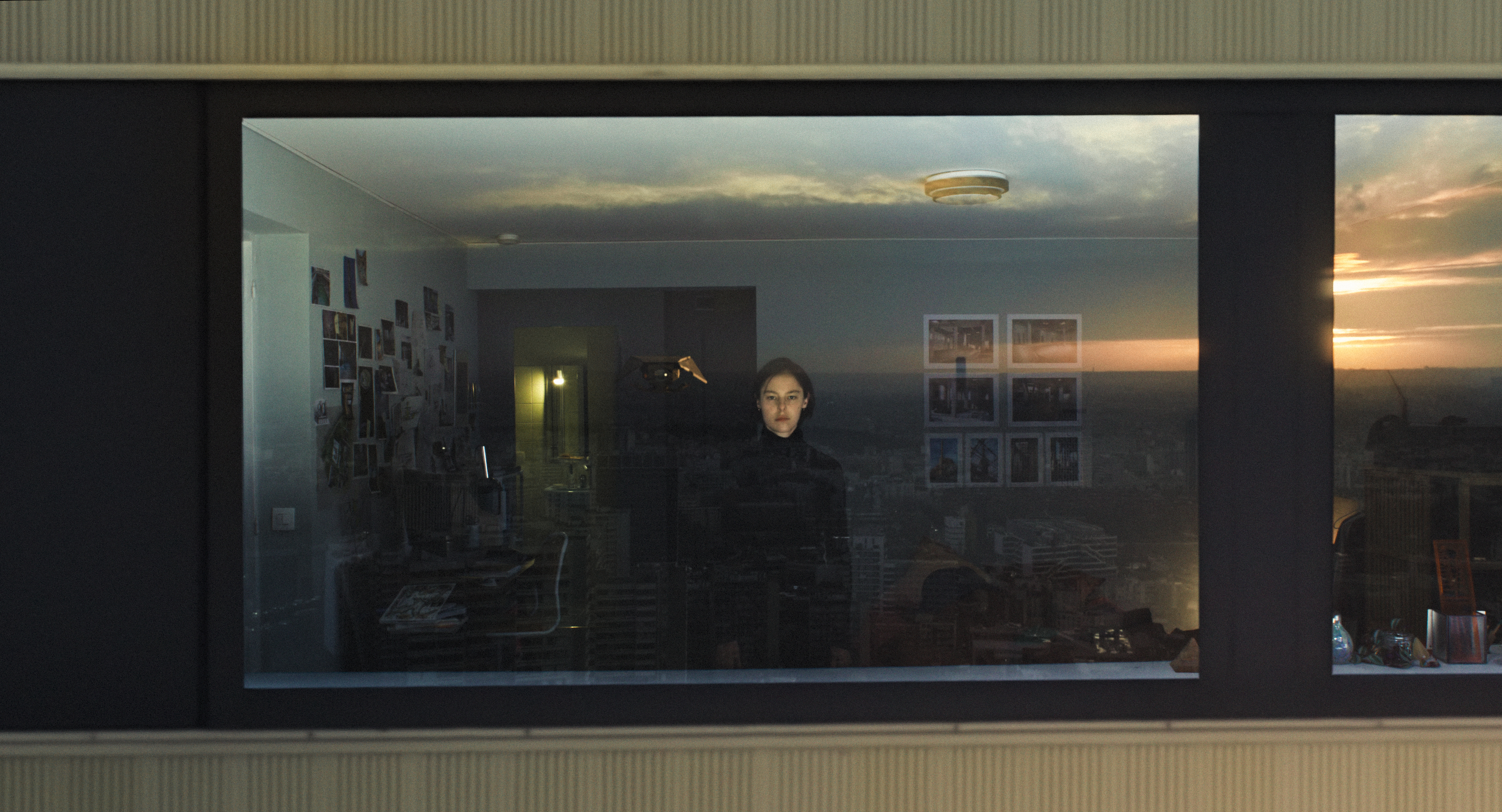
Émilie lives in a world of surveillance: her camgirl work; the camera phone lingering on a crush from afar; the headset affording her a drone’s perspective. The same drone that stalks each move she makes, offering inspiration, noting rivals. An unsolicited companion conspiring with or against her. A financially strapped transplant now living in the Paris suburbs, Émilie (ballerina Marion Barbeau) is thrust into a high-powered world when she is chosen for a renovation workshop with a prestigious architect (Cédric Kahn). Her classmates come mostly from “filthy rich” backgrounds, like cocky Olivier (Stefan Crepon), who wants Émilie as his conquest. But Émilie has shy eyes only for self-sufficient Mina (Eugénie Derouand), whose music builds like a “helicoid.” All along, a drone—unlike any known model—is watching her. Waiting for her next move and paying handily for the privilege. Taking the “killer’s point of view” made famous by films like Psycho and Friday the 13th to new heights, visionary director Simon Bouisson’s kinetic debut feature is a morality puzzle wrapped in a cutting-edge, goosebump-raising tech thriller. Getting us to consider: how complicit are we—as individuals, as a society—in our own undoing?

PosterDocumentaryVIRTUAL
Si je meurs, ce sera de joie (If I die, It'll be of Joy)[Focus France]80 minutes

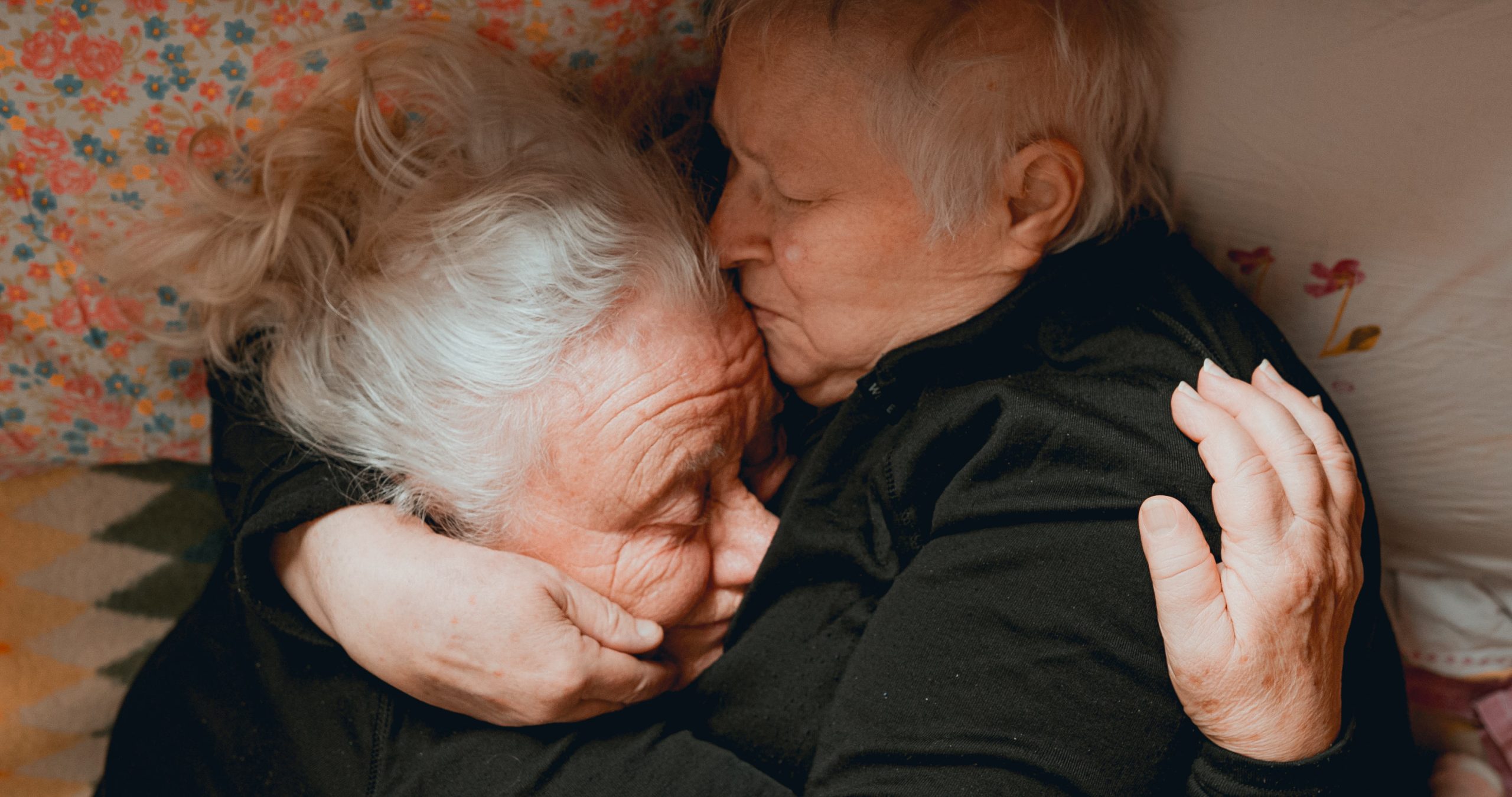
Outspoken Micheline (81) and sensitive artist Yves (68) have “insatiable” longings for sexual and relational intimacy. Francis (70) is a proudly “loudmouth(ed)” activist who wants to ensure that yearnings become reality. All, under the banner of Grey Pride, have no less an ambition than to change the world. Able to detect, as a minority, things that are unjust to all, queer seniors in France are revealing universal truths about the cult of youth and the medicalization of old age. These Grey Priders are combatting indifference, overhauling the nursing home model, and rethinking how spaces for the elderly accommodate libidos. Micheline, Yves, and Francis may have had their sex lives stifled by repression, loneliness, or AIDS, but they are far from ready to enter “The Zone” of societal relegation. They are prepared to take on embedded prejudices, as well as partners and friends with divergent views on death, in their revolutionary intentions. With stirring poeticism—seasons redolent of adaptation; trees symbolizing how bodies bend or break; desire represented by a glowing red sex toy—filmmaker Alexis Taillant shows us what it means to live “a quiet, wild life.”

PosterDocumentaryVIRTUAL
Nanekawâsis[COMPETITION]80 minutes

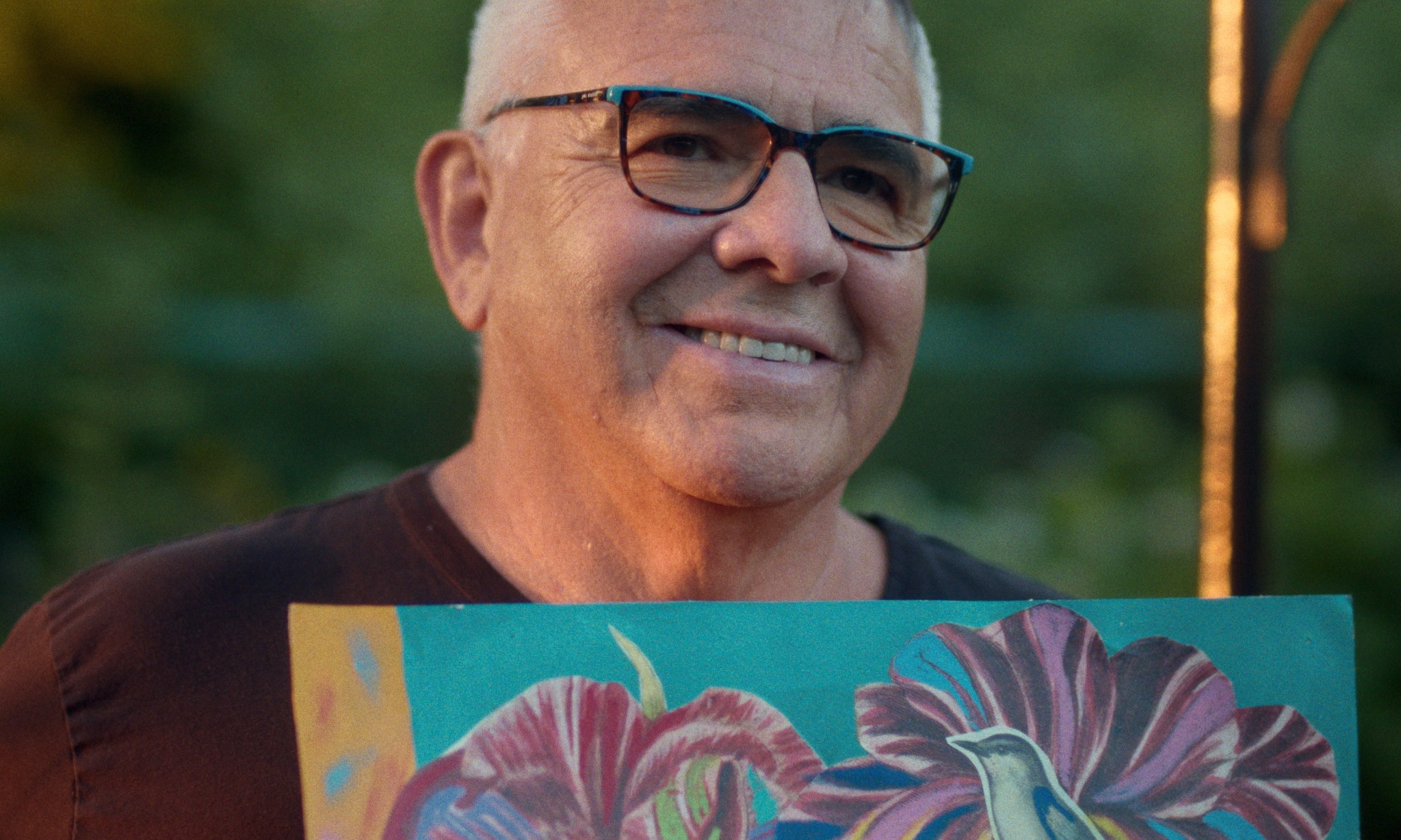
The work of Two-Spirit, nêhiyaw (Cree) artist George Littlechild took the reality of residential schools head-on decades before it would enter the collective Canadian conscience. A Sixties Scoop survivor, Littlechild uses his “whimsical,” improvised technique to unlock colourful exuberance and long-held trauma. Conor McNally, a Métis filmmaker, honours his journey. Littlechild was given his great grandfather’s name, nanekawâsis, at a Powwow in 2001. Both Littlechild and the eponymously named film embody its meaning: “swift child.” As we pay witness to a childhood shuffled between foster homes and Littlechild’s emergence as a fleet-fingered artist, the documentary makes fluid connections between past and present. Archival footage blends with warmly tinted 16mm interviews of 65-year-old Littlechild, still evolving in his practice, still passing on his deeply felt knowledge of his ancestry and “Rainbow” spirit. Whereas his partner, John Powell, uses art to govern his freewheeling tendencies, Littlechild harnesses paint to break free of his circumscribed daily life, healing himself and his audience through enlightened transcendence. nanekawâsis begins and ends with a sky full of colour, beautifully eliding time, revealing how light and dark, expectancy and reflection are all indispensable parts of life’s circle.

PosterFeatureVIRTUAL
Sweet Angel Baby[COMPETITION]96 minutes

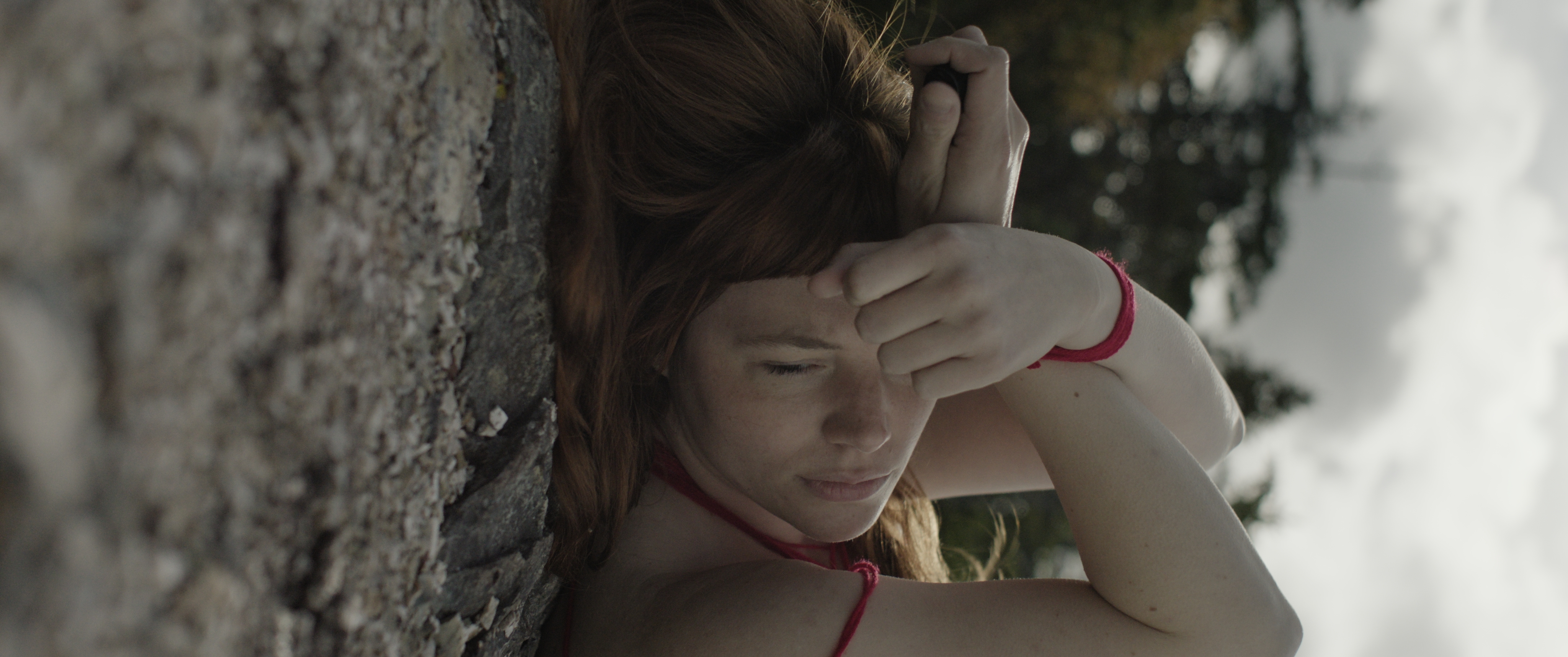
Small towns are no place for secrets. Among the churchgoing folk of a Newfoundland fishing village, Eliza leads a double-life: exploring transgressive photography while managing an unspoken romance with a shunned woman and the insistent advances of a married man. Hearsay only two steps behind. Sneaking around the neighbours, Eliza (Michaela Kurimsky) stages increasingly revealing photoshoots in locations both remote and close to home—perhaps too close. With every new post to her 318K Instagram followers, she imperils the careful balance she’s cultivated between her coexistence with fellow villagers, her burgeoning romance with Toni (Elle-Máijá Tailfeathers), and the married man (Peter Mooney) whose desire for her titillates as much as it terrifies. As a church fundraiser she’s helping to organize approaches, so too does a blaze of gossip, and choices are made that could leave her forever shattered. By turns kinky and kind-hearted, Melanie Oates’ second feature explores our wildest selves with a complexity that continues to deepen through to the final striking frame. All the while, embodying a true sense of place, depicting the rough shores and spirited personalities of one of the most isolated—and spectacular—of Canadian locales.

PosterFeature
Langue étrangère[Focus France]101 minutes

In a fraught exchange between Leipzig and Strasbourg, Fanny and Lena warm to each other while the situation around them heats up. As it gets harder to parse fact from fiction, too much trust and not enough, they look to protest movements to teach them what out-of-control adults cannot. Writer-director Claire Burger’s nuanced drama is bracingly of-the-moment, capturing topical issues with a foreboding sense of longing and imminent disaster, and inspiring fiery performances from her leads, including Nina Hoss as a mother undone. After an initially cold reception from Lena (Josefa Heinsius) when she arrives in Germany, 17-year-old Fanny (Lilith Grasmug) will do anything to ingratiate herself with her prickly pen pal. Chocolate-covered shrooms, sexual experimentation, bonding over Antifa and black bloc protest movements—each attempt at connection becomes more daring than the one before, their “Franco-German friendship” mirroring the heated clashes of our time. When the school exchange is flipped, and Lena is now the fish out of water in France, giving into the attraction sizzling under her animosity will mean coming to terms with a world tearing apart at the seams and the fantasies built up to survive it.

PosterShort
Le flou des arbres (The Blurring of Trees)[COMPETITION]11 minutes

Two incarcerated women in a secure Northern Québec forest are subjected to the hard labour of reforestation. They enjoy a little area of freedom they’ve managed to create thanks to an empathetic prison guard.

PosterShort
Ephemera[COMPETITION]13 minutes

Robin is a young woman who lives alone above a gas station in North Bay. Every night she watches truckers fill their tanks up and munch on pepperettes. Robin has a secret. Robin is a porn addict. Robin can’t feel anything anymore.

PosterFeature
Duino (FR)[COMPETITION]108 minutes

SPANISH • FRENCH ST | Argentinian filmmaker Matías is an intense perfectionist struggling to shape his autobiographical film as the past wriggles from his grip. Is Alexander—a dashing fabulist from Sweden he met in Italy as a boy—the lost love of his life? Or just a lovely, bittersweet dream? At the United World College of the Adriatic, with its diverse, exuberant student body, young Matías (Santiago Madrussan) finds a freedom he never knew in Argentina. There, he is befriended by Alexander (Oscar Morgan), whose rousing stories and bedroom eyes make the world more magical, and whose family’s vast holiday home becomes a memory palace for all that was left unsaid. In his 40s, Matías (co-writer/director Juan Pablo Di Pace) looks back at this time and, with a festival deadline looming, tries to fathom the sizzling closeness and coded interactions. A key piece of evidence lying dormant for when he least expects it. With its meta intrigues and captivating sweep, Duino is an elegiac masterwork crackling with swoon-worthy chemistry. A film that asks: how far are we willing to go for a proper conclusion, and what, in the end, remains voices in the wind?

PosterShort
Landfill[COMPETITION]18 minutes

Five thousand twenty five walks. Fifty-two miles of floors mopped. Seventy hours watching movie stars kiss. Alice, a headstrong elder dyke, navigates environmentally induced illness while she contends with her unique notion of legacy.

PosterFeatureVIRTUAL
Out (EN)[COMPETITION]95 minutes

DUTCH • ENGLISH ST | Capturing the recklessness of youth and the excitement of newfound sexual liberties in sensuous black-and-white cinematography, Dennis Alink’s Out offers up a vivid and tender tale of being young and gay. Tom (Bas Keizer, in a star-making performance) and Ajani (an effervescent Jefferson Yaw Frempong-Manson) are closeted secondary school sweethearts who yearn for life outside of their small-minded, rural community in the Netherlands. Their solution is Amsterdam, where the queer scene is thriving and they can work at their dreams of becoming filmmakers. Quickly falling into the Dutch capital’s gay nightlife offers the pair some initial thrills: cheeky games of Never Have I Ever, limo rides across the city, eye-opening trips to the bathhouse. But the challenges quickly follow, pushing them to separately question: “Who am I, and where do I fit in?” Recalling such classic monochromatic films about wayward youth as The Last Picture Show and Gus Van Sant’s Mala Noche, Alink and his queer collaborators present a lived-in, piercing portrait that proves coming out isn’t just a pronouncement of one’s sexuality, it’s a simultaneously joyous and heartbreaking journey of self-discovery.

PosterFeatureVIRTUAL
Drone[Focus France]110 minutes

Émilie lives in a world of surveillance: her camgirl work; the camera phone lingering on a crush from afar; the headset affording her a drone’s perspective. The same drone that stalks each move she makes, offering inspiration, noting rivals. An unsolicited companion conspiring with or against her. A financially strapped transplant now living in the Paris suburbs, Émilie (ballerina Marion Barbeau) is thrust into a high-powered world when she is chosen for a renovation workshop with a prestigious architect (Cédric Kahn). Her classmates come mostly from “filthy rich” backgrounds, like cocky Olivier (Stefan Crepon), who wants Émilie as his conquest. But Émilie has shy eyes only for self-sufficient Mina (Eugénie Derouand), whose music builds like a “helicoid.” All along, a drone—unlike any known model—is watching her. Waiting for her next move and paying handily for the privilege. Taking the “killer’s point of view” made famous by films like Psycho and Friday the 13th to new heights, visionary director Simon Bouisson’s kinetic debut feature is a morality puzzle wrapped in a cutting-edge, goosebump-raising tech thriller. Getting us to consider: how complicit are we—as individuals, as a society—in our own undoing?

PosterDocumentaryVIRTUAL
Si je meurs, ce sera de joie (If I die, It'll be of Joy)[Focus France]80 minutes

Outspoken Micheline (81) and sensitive artist Yves (68) have “insatiable” longings for sexual and relational intimacy. Francis (70) is a proudly “loudmouth(ed)” activist who wants to ensure that yearnings become reality. All, under the banner of Grey Pride, have no less an ambition than to change the world. Able to detect, as a minority, things that are unjust to all, queer seniors in France are revealing universal truths about the cult of youth and the medicalization of old age. These Grey Priders are combatting indifference, overhauling the nursing home model, and rethinking how spaces for the elderly accommodate libidos. Micheline, Yves, and Francis may have had their sex lives stifled by repression, loneliness, or AIDS, but they are far from ready to enter “The Zone” of societal relegation. They are prepared to take on embedded prejudices, as well as partners and friends with divergent views on death, in their revolutionary intentions. With stirring poeticism—seasons redolent of adaptation; trees symbolizing how bodies bend or break; desire represented by a glowing red sex toy—filmmaker Alexis Taillant shows us what it means to live “a quiet, wild life.”

PosterDocumentaryVIRTUAL
Nanekawâsis[COMPETITION]80 minutes

The work of Two-Spirit, nêhiyaw (Cree) artist George Littlechild took the reality of residential schools head-on decades before it would enter the collective Canadian conscience. A Sixties Scoop survivor, Littlechild uses his “whimsical,” improvised technique to unlock colourful exuberance and long-held trauma. Conor McNally, a Métis filmmaker, honours his journey. Littlechild was given his great grandfather’s name, nanekawâsis, at a Powwow in 2001. Both Littlechild and the eponymously named film embody its meaning: “swift child.” As we pay witness to a childhood shuffled between foster homes and Littlechild’s emergence as a fleet-fingered artist, the documentary makes fluid connections between past and present. Archival footage blends with warmly tinted 16mm interviews of 65-year-old Littlechild, still evolving in his practice, still passing on his deeply felt knowledge of his ancestry and “Rainbow” spirit. Whereas his partner, John Powell, uses art to govern his freewheeling tendencies, Littlechild harnesses paint to break free of his circumscribed daily life, healing himself and his audience through enlightened transcendence. nanekawâsis begins and ends with a sky full of colour, beautifully eliding time, revealing how light and dark, expectancy and reflection are all indispensable parts of life’s circle.

PosterFeatureVIRTUAL
Sweet Angel Baby[COMPETITION]96 minutes

Small towns are no place for secrets. Among the churchgoing folk of a Newfoundland fishing village, Eliza leads a double-life: exploring transgressive photography while managing an unspoken romance with a shunned woman and the insistent advances of a married man. Hearsay only two steps behind. Sneaking around the neighbours, Eliza (Michaela Kurimsky) stages increasingly revealing photoshoots in locations both remote and close to home—perhaps too close. With every new post to her 318K Instagram followers, she imperils the careful balance she’s cultivated between her coexistence with fellow villagers, her burgeoning romance with Toni (Elle-Máijá Tailfeathers), and the married man (Peter Mooney) whose desire for her titillates as much as it terrifies. As a church fundraiser she’s helping to organize approaches, so too does a blaze of gossip, and choices are made that could leave her forever shattered. By turns kinky and kind-hearted, Melanie Oates’ second feature explores our wildest selves with a complexity that continues to deepen through to the final striking frame. All the while, embodying a true sense of place, depicting the rough shores and spirited personalities of one of the most isolated—and spectacular—of Canadian locales.

PosterFeature
Langue étrangère[Focus France]101 minutes

In a fraught exchange between Leipzig and Strasbourg, Fanny and Lena warm to each other while the situation around them heats up. As it gets harder to parse fact from fiction, too much trust and not enough, they look to protest movements to teach them what out-of-control adults cannot. Writer-director Claire Burger’s nuanced drama is bracingly of-the-moment, capturing topical issues with a foreboding sense of longing and imminent disaster, and inspiring fiery performances from her leads, including Nina Hoss as a mother undone. After an initially cold reception from Lena (Josefa Heinsius) when she arrives in Germany, 17-year-old Fanny (Lilith Grasmug) will do anything to ingratiate herself with her prickly pen pal. Chocolate-covered shrooms, sexual experimentation, bonding over Antifa and black bloc protest movements—each attempt at connection becomes more daring than the one before, their “Franco-German friendship” mirroring the heated clashes of our time. When the school exchange is flipped, and Lena is now the fish out of water in France, giving into the attraction sizzling under her animosity will mean coming to terms with a world tearing apart at the seams and the fantasies built up to survive it.

PosterShort
Le flou des arbres (The Blurring of Trees)[COMPETITION]11 minutes

Two incarcerated women in a secure Northern Québec forest are subjected to the hard labour of reforestation. They enjoy a little area of freedom they’ve managed to create thanks to an empathetic prison guard.

PosterShort
Ephemera[COMPETITION]13 minutes

Robin is a young woman who lives alone above a gas station in North Bay. Every night she watches truckers fill their tanks up and munch on pepperettes. Robin has a secret. Robin is a porn addict. Robin can’t feel anything anymore.

PosterFeature
Duino (FR)[COMPETITION]108 minutes

SPANISH • FRENCH ST | Argentinian filmmaker Matías is an intense perfectionist struggling to shape his autobiographical film as the past wriggles from his grip. Is Alexander—a dashing fabulist from Sweden he met in Italy as a boy—the lost love of his life? Or just a lovely, bittersweet dream? At the United World College of the Adriatic, with its diverse, exuberant student body, young Matías (Santiago Madrussan) finds a freedom he never knew in Argentina. There, he is befriended by Alexander (Oscar Morgan), whose rousing stories and bedroom eyes make the world more magical, and whose family’s vast holiday home becomes a memory palace for all that was left unsaid. In his 40s, Matías (co-writer/director Juan Pablo Di Pace) looks back at this time and, with a festival deadline looming, tries to fathom the sizzling closeness and coded interactions. A key piece of evidence lying dormant for when he least expects it. With its meta intrigues and captivating sweep, Duino is an elegiac masterwork crackling with swoon-worthy chemistry. A film that asks: how far are we willing to go for a proper conclusion, and what, in the end, remains voices in the wind?

PosterShort
Landfill[COMPETITION]18 minutes

Five thousand twenty five walks. Fifty-two miles of floors mopped. Seventy hours watching movie stars kiss. Alice, a headstrong elder dyke, navigates environmentally induced illness while she contends with her unique notion of legacy.

PosterFeatureVIRTUAL
Out (EN)[COMPETITION]95 minutes

DUTCH • ENGLISH ST | Capturing the recklessness of youth and the excitement of newfound sexual liberties in sensuous black-and-white cinematography, Dennis Alink’s Out offers up a vivid and tender tale of being young and gay. Tom (Bas Keizer, in a star-making performance) and Ajani (an effervescent Jefferson Yaw Frempong-Manson) are closeted secondary school sweethearts who yearn for life outside of their small-minded, rural community in the Netherlands. Their solution is Amsterdam, where the queer scene is thriving and they can work at their dreams of becoming filmmakers. Quickly falling into the Dutch capital’s gay nightlife offers the pair some initial thrills: cheeky games of Never Have I Ever, limo rides across the city, eye-opening trips to the bathhouse. But the challenges quickly follow, pushing them to separately question: “Who am I, and where do I fit in?” Recalling such classic monochromatic films about wayward youth as The Last Picture Show and Gus Van Sant’s Mala Noche, Alink and his queer collaborators present a lived-in, piercing portrait that proves coming out isn’t just a pronouncement of one’s sexuality, it’s a simultaneously joyous and heartbreaking journey of self-discovery.