Image+Nation
Baby (EN)

Baby (EN)

MARCELO CAETANO | BRAZIL | 2024 | 107 MIN | PORTUGUESE EST

MARCELO CAETANO | BRAZIL | 2024 | 107 MIN | PORTUGUESE EST

FeatureCOMPETITION

Subtitles: French, English

Presented by

Fugues

Synopsis

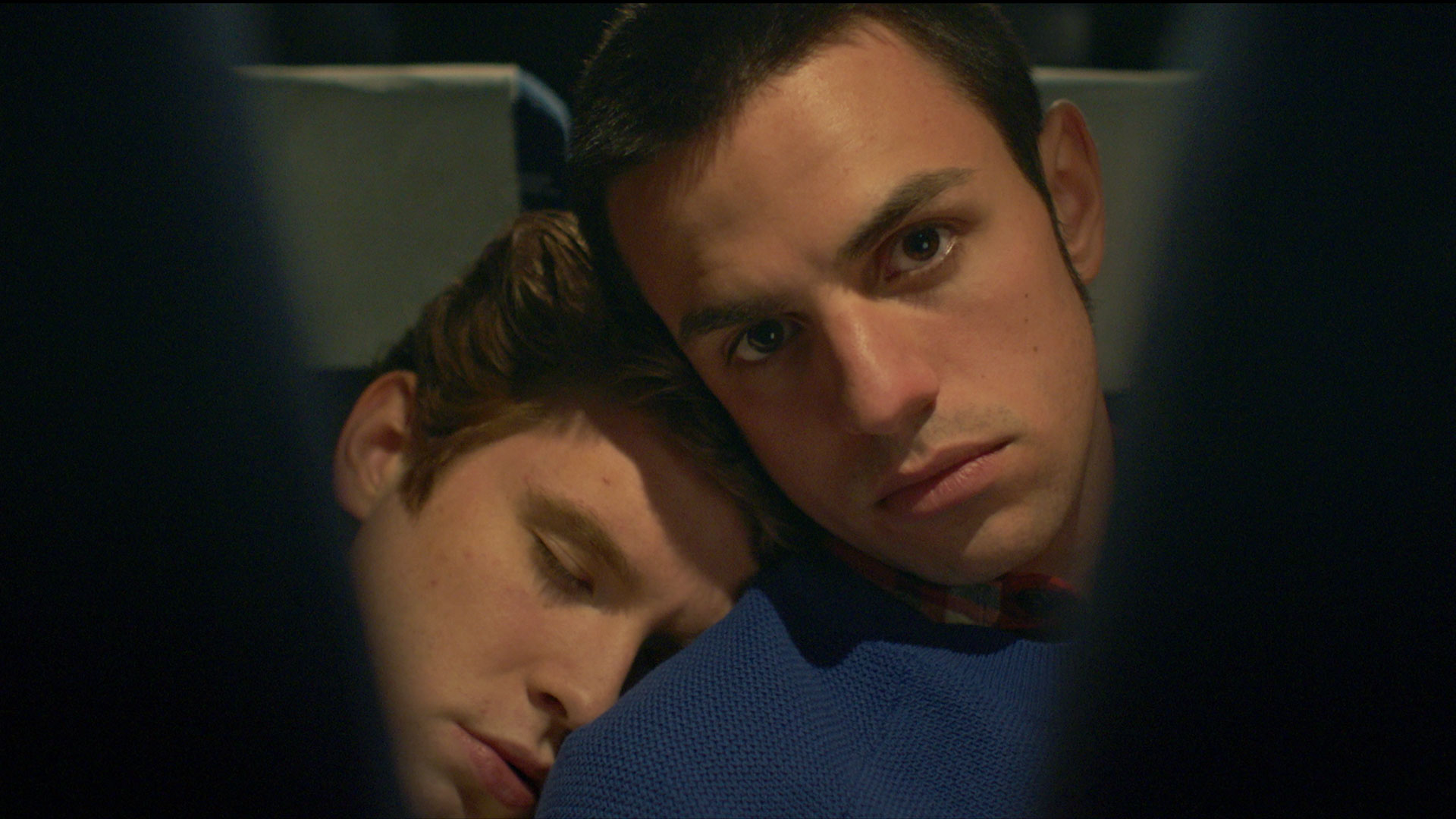
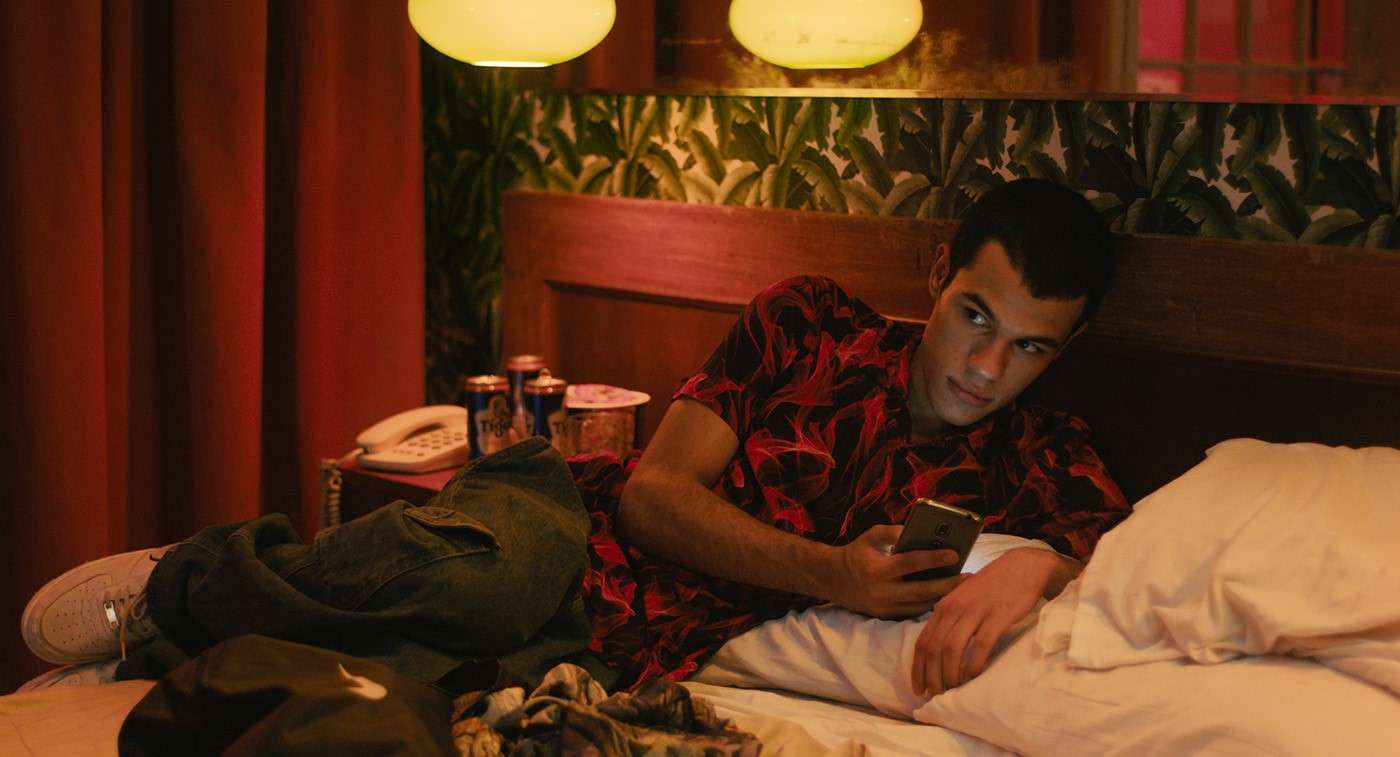
PORTUGUESE • ENGLISH ST | Wellington (defiantly nicknamed Baby) trades his detention centre cell for the streets of São Paulo, absorbed into the life of an in-demand “escort” with old school methods. Torn between this erotic father figure, two chosen families, and the mother who left him, Wellington must discern which link is the strongest. Against a backdrop of corrupt cops, vengeful kingpins, and Brazilian ball culture, maybe-18-year-old Wellington (João Pedro Mariano) falls for 42-year-old sex worker cum drug dealer Ronaldo (Ricardo Teodoro), who has a son not much younger than Wellington being raised by lesbian mothers. The two share a charged, teasing bond with yo-yoing power dynamics. Wellington softens Ronaldo, schooling him in voguing’s ebullience and showing him his battle scars, while Ronaldo grounds his protege, giving him boxing lessons while doling out paternal advice and setting strict boundaries. Boundaries that Ronaldo is desperate to maintain and Wellington comes to resent when youthful potential and a biological parent draw him away. Propelled by Marcelo Caetano’s stylish direction, this gritty coming-of-age tale wrestles with themes of love and coercion, considering what’s still possible for a restless heart when a ‘baby’ becomes a man.

Trailer

Filmmaker Bio

Marcelo Caetano, born in the State of Minas Gerais but now based in São Paulo, directed the feature film Body Electric which premiered in Rotterdam in 2017. He also directed the TV series Hit Parade and Noticias Populares both broadcasted on Canal Brasil. He has worked on various productions as an assistant director and casting producer. In 2009, Marcelo co-founded Desbun Filmes.

Director's Statement

In BABY, the characters are inconstant movement,physically and emotionally. They cross the city streets lookingfor freedom and tryingto survive, fleeingfrom misery andtheirhauntedpasts. The camera walksbeside them, watches them from the topof a buildingandzooms into single them out from the crowd. The charactersdance inthe chaos of the city andthe cameradances withthem. During the shoot, we had a simple rule of mise-en-scene: somethinghas tobe in movement, whether it is the camera, the background, or the actors. Movementbringsus closer to characters' complexity andtheir constant adaptationina life full ofunpredictable situations. Inour current cultural moment, when we try to fixpeople ina single identity, I like characters andinter-personal relationships that challengeus to suspendour categorisations. The connectionbetween Baby and Ronaldo ishardtodefine. I can readthem as "partners incrime",but also as a conflictualpassion; protective but also exploitative. Their relationship changes during the film andthey are fighting to understand who they are in this clashof opposites. It'sboxingandvoguingat the same time. BABY is set inSão Paulo’s olddowntown. I'vebeenfilmingthe same neighborhoodfor 15 years. São Paulo, withitspopulationof 20 million, embodies thedynamic spirit of a migrant city, where every Brazilianpassesby at onepoint intheir lives. It'snot aplace for settlingdown,but rather for experiencingthe vibrant, as well as tough, life of a metropolis. I like to imagine the mapof the olddowntownas adepictionof a body. São Paulo is a city that is alwaysdestroyingoldbuildings to raisenew ones. The city center is crossedby trainlines, tunnels and viaducts. This organic, yetuncontrolled,development leaves a lot of scars in the city tissue. Modernskyscrapers standnext toneoclassical theaters,bourgeois cafés alongside centres forhomelesspeople. It is abody markedby thepastbut alwaysgoingahead, lookingfornew things to come. Onthe mainset of BABY, thehouse where Ronaldo lives, trainspass almost inside the courtyard. Sounds from theneighbours invade the intimacy ofhis room. There is constant funk music comingfrom a favelanearby. It's very chaotic,but sensual at the same time. These are the sounds andimages of theneighborhoodthat I live in. My alarm clock is the metro that passes below my building and softly wakes me every morning. Wenever feel completely alone, as we arepart of this bigengine thatnever stops. Loneliness is not an option for Baby. To have adignifiedlife,heneeds to create bonds with unknown people or even build temporary families. As I witness the disintegration of community life in Brazil, with neoliberal and individualist ideology gaining control of our society, I like to think that this film is a counterpoint to the recent political wave. I strongly believe that freedom is not a personal achievement but a collective one. Baby Needs the support of outsiders to live his life the way he dreams of.

Producer

Stienette Bosklopper, Marcelo Caetano, Juliette Lepoutre, Ivan Melo, Pierre Menahem, Ana Rabelo, Maarten Swart, Beto Tibiriça

Writer

Marcelo Caetano, Gabriel Domingues

Cinematographer

Joana Luz, Pedro Sotero

Cast

  • João Pedro Mariano
  • Ricardo Teodoro
  • Ana Flavia Cavalcanti
  • Bruna Linzmeyer
  • Luiz Bertazzo
  • Marcela Varzea
  • Patrick Coelho
  • Kyra Reis
Image
Image
Image
Image
Image
Image
Image
Image
Image
Image
Image
Image

PARTNERS

Fugues

You might also like

PosterFeature
Duino (EN)[COMPETITION]108 minutes

SPANISH • ENGLISH ST | Argentinian filmmaker Matías is an intense perfectionist struggling to shape his autobiographical film as the past wriggles from his grip. Is Alexander—a dashing fabulist from Sweden he met in Italy as a boy—the lost love of his life? Or just a lovely, bittersweet dream? At the United World College of the Adriatic, with its diverse, exuberant student body, young Matías (Santiago Madrussan) finds a freedom he never knew in Argentina. There, he is befriended by Alexander (Oscar Morgan), whose rousing stories and bedroom eyes make the world more magical, and whose family’s vast holiday home becomes a memory palace for all that was left unsaid. In his 40s, Matías (co-writer/director Juan Pablo Di Pace) looks back at this time and, with a festival deadline looming, tries to fathom the sizzling closeness and coded interactions. A key piece of evidence lying dormant for when he least expects it. With its meta intrigues and captivating sweep, Duino is an elegiac masterwork crackling with swoon-worthy chemistry. A film that asks: how far are we willing to go for a proper conclusion, and what, in the end, remains voices in the wind?

PosterShort
The Kitchen Sink[COMPETITION]9 minutes

A traditional Maritime image: three generations of P.E.I. women wash dishes after holiday dinners. Their after-dinner conversations become revealing when one of their own begins his transition.

PosterShort
La Rivière[Focus France]15 minutes

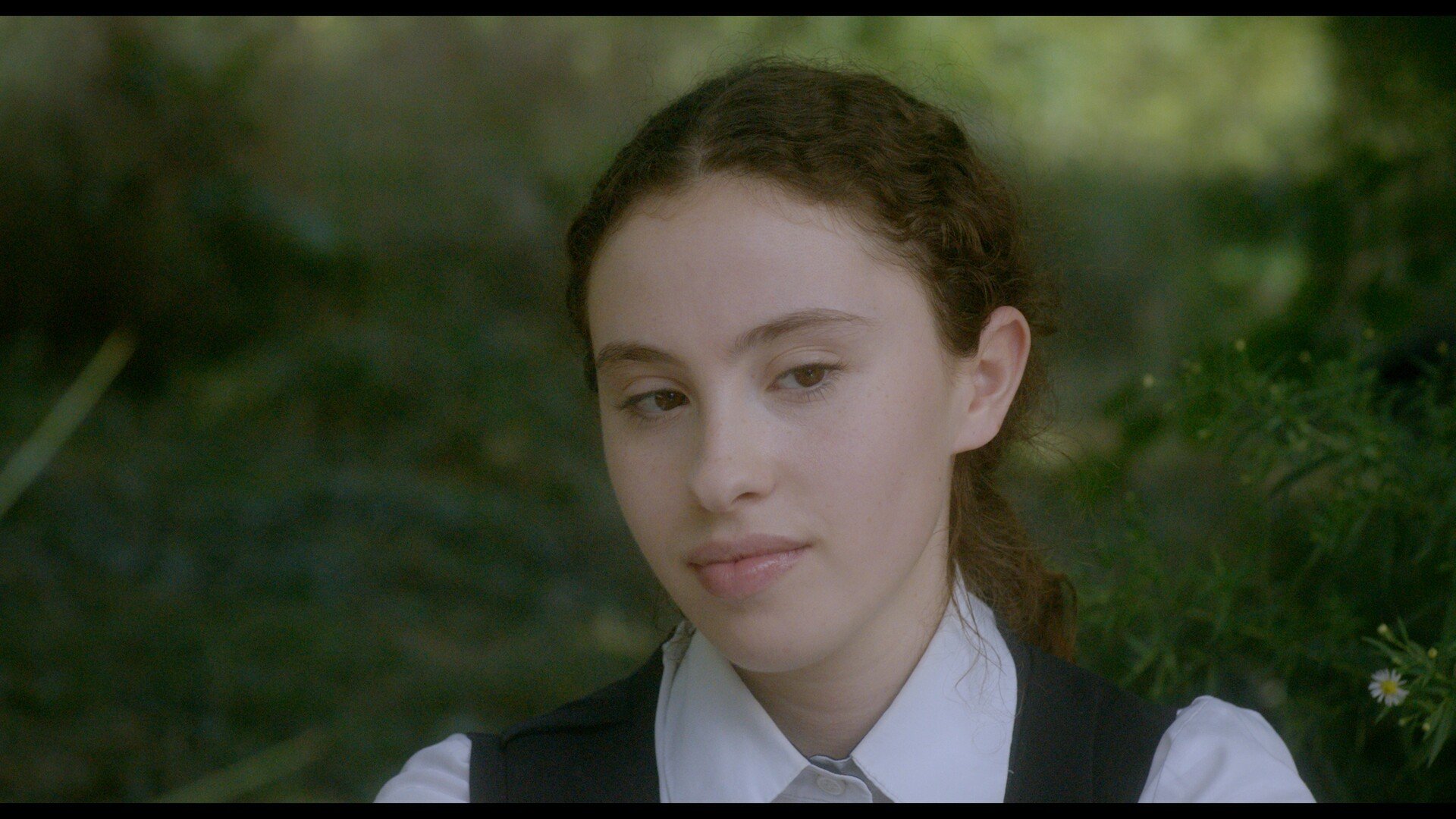
One afternoon, three high school students sneak out of their all-girls Catholic boarding school. Sunny, the new girl, has gone for a swim in the river. Sarah is eager to join her, even though Clémence disapproves.

PosterFeature
Gondola[COMPETITION]86 minutes

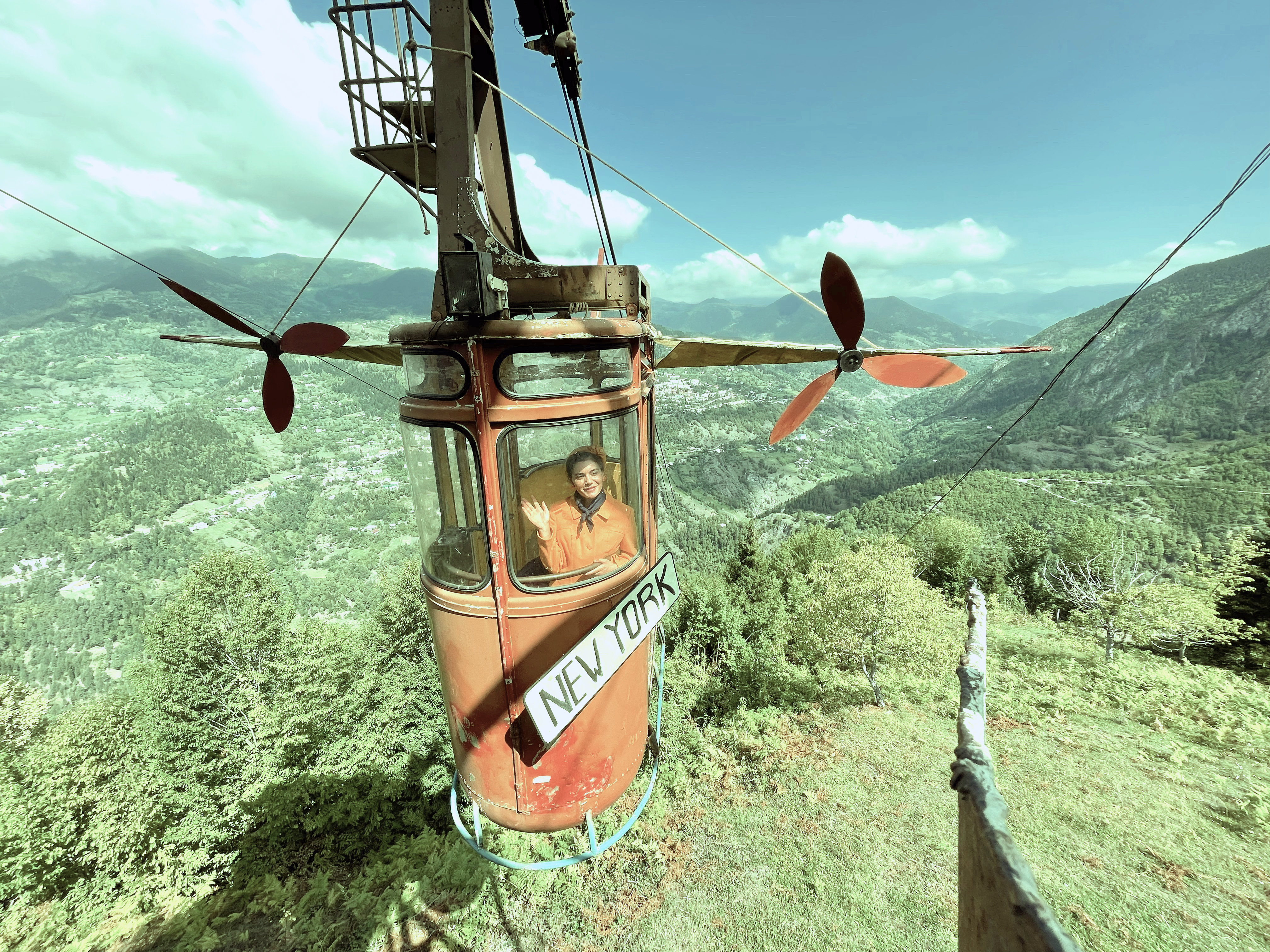
After Nino shows Iva the ropes, the two cable car drivers woo one another in increasingly ingenious ways. Day after day, the young women pass high above a quiet Georgian valley twisted with mist, cherishing each moment of connection. But when sweetness slides into sensuality, where will it send them? A man has died, his coffin carted above the village, and Iva (Mathilde Irrmann) inherits his crooked home and high-flying occupation. At first, villagers treat her with an enigmatic disdain, and she spends her days transporting customers and goods back and forth in disquiet, stealing glances at Nino (Nini Soselia). The flirtation grows as intense as their ongoing chess game, set to the rhythm of the rusted gears and their little kindnesses. Together, they will take on a surly widow (Niara Chichinadze) and lecherous boss (Zuka Papuashvili) as their courtship reaches new heights. Auteur Veit Helmer’s Gondola has the raw intensity of silent cinema and the enchanting whimsy of Amélie. Impelled by its beguiling leads and breathtaking cinematography, the film is a love letter to the countryside and those who live there, and an invitation to let your heart soar.

PosterShort
Le flou des arbres (The Blurring of Trees)[COMPETITION]11 minutes

Two incarcerated women in a secure Northern Québec forest are subjected to the hard labour of reforestation. They enjoy a little area of freedom they’ve managed to create thanks to an empathetic prison guard.

PosterShort
Hello Stranger [COMPETITION]16 minutes

Between loads of laundry at the corner laundromat, Cooper shares the tumultuous story of her gender reassignment journey.

PosterShort
Beauty is Revenge[COMPETITION]15 minutes

The filmmaker aka Tranie Tronic tells the tale of the incident that inspired their latest album Transgression and brings awareness to the potential dangers of dating men online.

PosterDocumentary
Bulletproof: A Lesbian's Guide to Surviving the Plot[I+N Connexe]105 minutes

Spoiler alert: chances are if you were watching television in spring 2016, you witnessed the startling peak of the Bury Your Gays trope. LGBTQ+ females from Buffy’s Tara to The 100’s Lexa have gotten the axe and this wry exposé investigates the dismaying trend and ensuing sea change. Bouncing back and forth from Toronto to culture hubs like L.A. and London, Bulletproof unfolds like the plot of a great mystery. There are the victims: queer female characters. The murderers: harried television writers, showrunners, and producers who, for a myriad of reasons that the doc unpacks, have chosen to kill off fan-favourites. And then there are the detectives: a “rainbow network” of journalists, media psychologists, fan community leaders, and many more who dissect the catalysts and impacts of shifting queer depictions. Not to mention the documentarian themself, “gay as hell” TV junkie Regan Latimer on year six of what was supposed to be a one year project, uncovering personal, societal, and scientific revelations alongside their wise-cracking on-screen surrogate, Lindy Zucker. Through clever references and animation, Bulletproof proves that representation has life-or-death stakes and fantasy can be as essential as reality.

PosterShort
Extras[COMPETITION]15 minutes

EXT. DAY - A sunny Sunday morning on a café terrace: Isabelle, an actor whose career is in a rut, meets Johanne, her agent, who might have a new part for her. Tension mounts both at the table and in the surroundings. Will expectations be met?

PosterFeatureVIRTUAL
Drive Back Home[COMPETITION]100 minutes

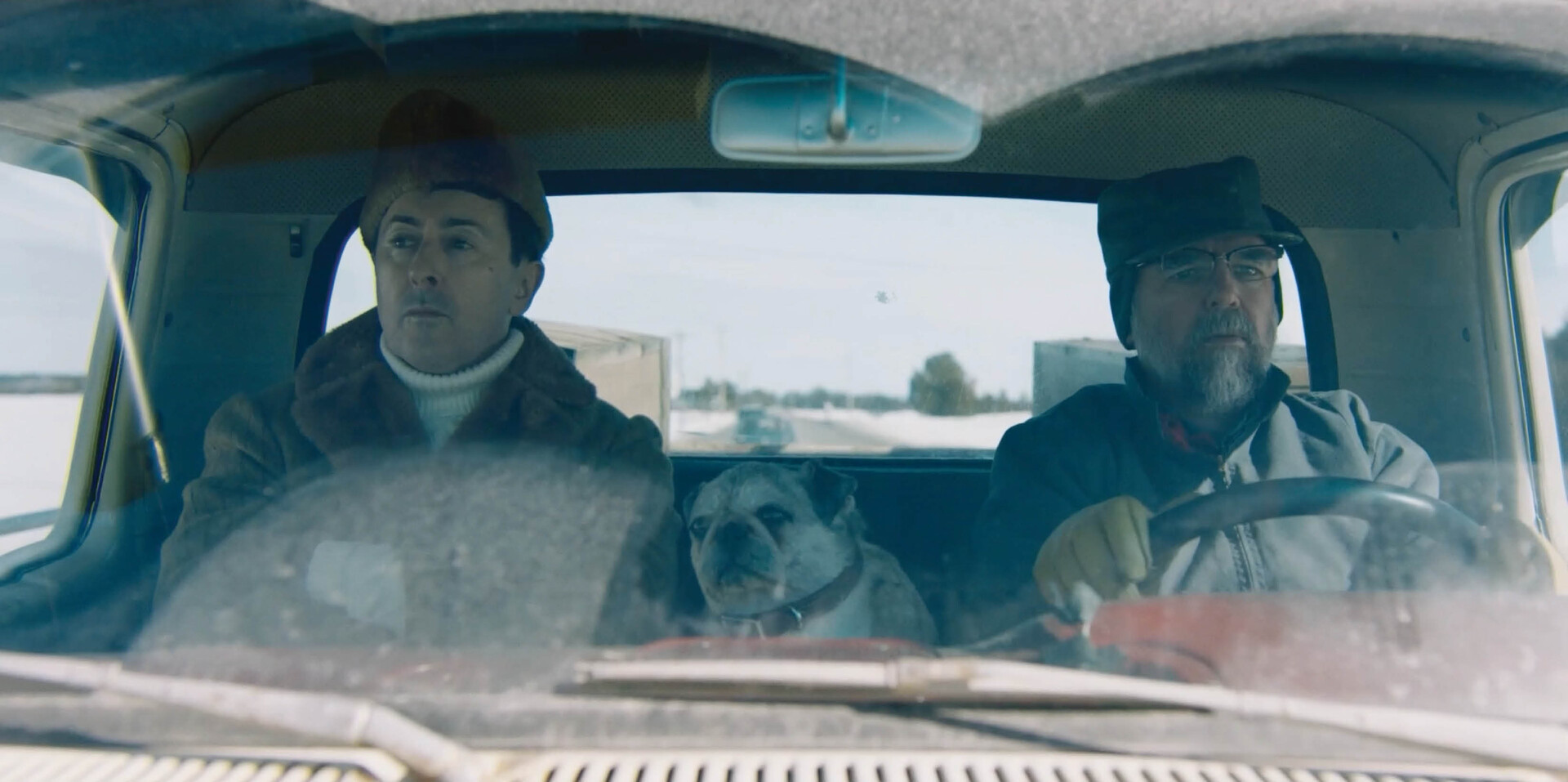
Inspired by true events, in 1970 an unorthodox mother sends her offbeat son from New Brunswick on a wintry cross-country mission past Quebec to retrieve his brother from Toronto after a public sex violation. Antics ensue in the Two-Solitudes atmosphere, bursting with revealing humour about brotherly love and French-English relations. In bravura performances, Alan Cumming plays motormouth Perley—dressed in an ushanka and ascot, taxidermied dog tucked under his arm—and Charlie Creed-Miles is Weldon—a gruff stoic in crooked glasses. These oddball siblings travel through frozen nights and across the language divide as they bicker, break down, and ultimately bond in their journey through central and eastern Canada. Weldon forced to confront the reality of Perley’s homosexuality (and his abject fear of being required to speak French) as he processes a horrific event from their past. After a lifetime of shutting down, a new set of dire circumstances has them opening their ears to hear one another’s stories. Award-winning filmmaker Michael Clowater, a master of wringing humour from pain, never loses sight of Perley and Weldon’s essential humanity among the pratfalls and bigotries, embedding beautiful truths in the film’s engrossing frictions.

PosterFeature
Duino (EN)[COMPETITION]108 minutes

SPANISH • ENGLISH ST | Argentinian filmmaker Matías is an intense perfectionist struggling to shape his autobiographical film as the past wriggles from his grip. Is Alexander—a dashing fabulist from Sweden he met in Italy as a boy—the lost love of his life? Or just a lovely, bittersweet dream? At the United World College of the Adriatic, with its diverse, exuberant student body, young Matías (Santiago Madrussan) finds a freedom he never knew in Argentina. There, he is befriended by Alexander (Oscar Morgan), whose rousing stories and bedroom eyes make the world more magical, and whose family’s vast holiday home becomes a memory palace for all that was left unsaid. In his 40s, Matías (co-writer/director Juan Pablo Di Pace) looks back at this time and, with a festival deadline looming, tries to fathom the sizzling closeness and coded interactions. A key piece of evidence lying dormant for when he least expects it. With its meta intrigues and captivating sweep, Duino is an elegiac masterwork crackling with swoon-worthy chemistry. A film that asks: how far are we willing to go for a proper conclusion, and what, in the end, remains voices in the wind?

PosterShort
The Kitchen Sink[COMPETITION]9 minutes

A traditional Maritime image: three generations of P.E.I. women wash dishes after holiday dinners. Their after-dinner conversations become revealing when one of their own begins his transition.

PosterShort
La Rivière[Focus France]15 minutes

One afternoon, three high school students sneak out of their all-girls Catholic boarding school. Sunny, the new girl, has gone for a swim in the river. Sarah is eager to join her, even though Clémence disapproves.

PosterFeature
Gondola[COMPETITION]86 minutes

After Nino shows Iva the ropes, the two cable car drivers woo one another in increasingly ingenious ways. Day after day, the young women pass high above a quiet Georgian valley twisted with mist, cherishing each moment of connection. But when sweetness slides into sensuality, where will it send them? A man has died, his coffin carted above the village, and Iva (Mathilde Irrmann) inherits his crooked home and high-flying occupation. At first, villagers treat her with an enigmatic disdain, and she spends her days transporting customers and goods back and forth in disquiet, stealing glances at Nino (Nini Soselia). The flirtation grows as intense as their ongoing chess game, set to the rhythm of the rusted gears and their little kindnesses. Together, they will take on a surly widow (Niara Chichinadze) and lecherous boss (Zuka Papuashvili) as their courtship reaches new heights. Auteur Veit Helmer’s Gondola has the raw intensity of silent cinema and the enchanting whimsy of Amélie. Impelled by its beguiling leads and breathtaking cinematography, the film is a love letter to the countryside and those who live there, and an invitation to let your heart soar.

PosterShort
Le flou des arbres (The Blurring of Trees)[COMPETITION]11 minutes

Two incarcerated women in a secure Northern Québec forest are subjected to the hard labour of reforestation. They enjoy a little area of freedom they’ve managed to create thanks to an empathetic prison guard.

PosterShort
Hello Stranger [COMPETITION]16 minutes

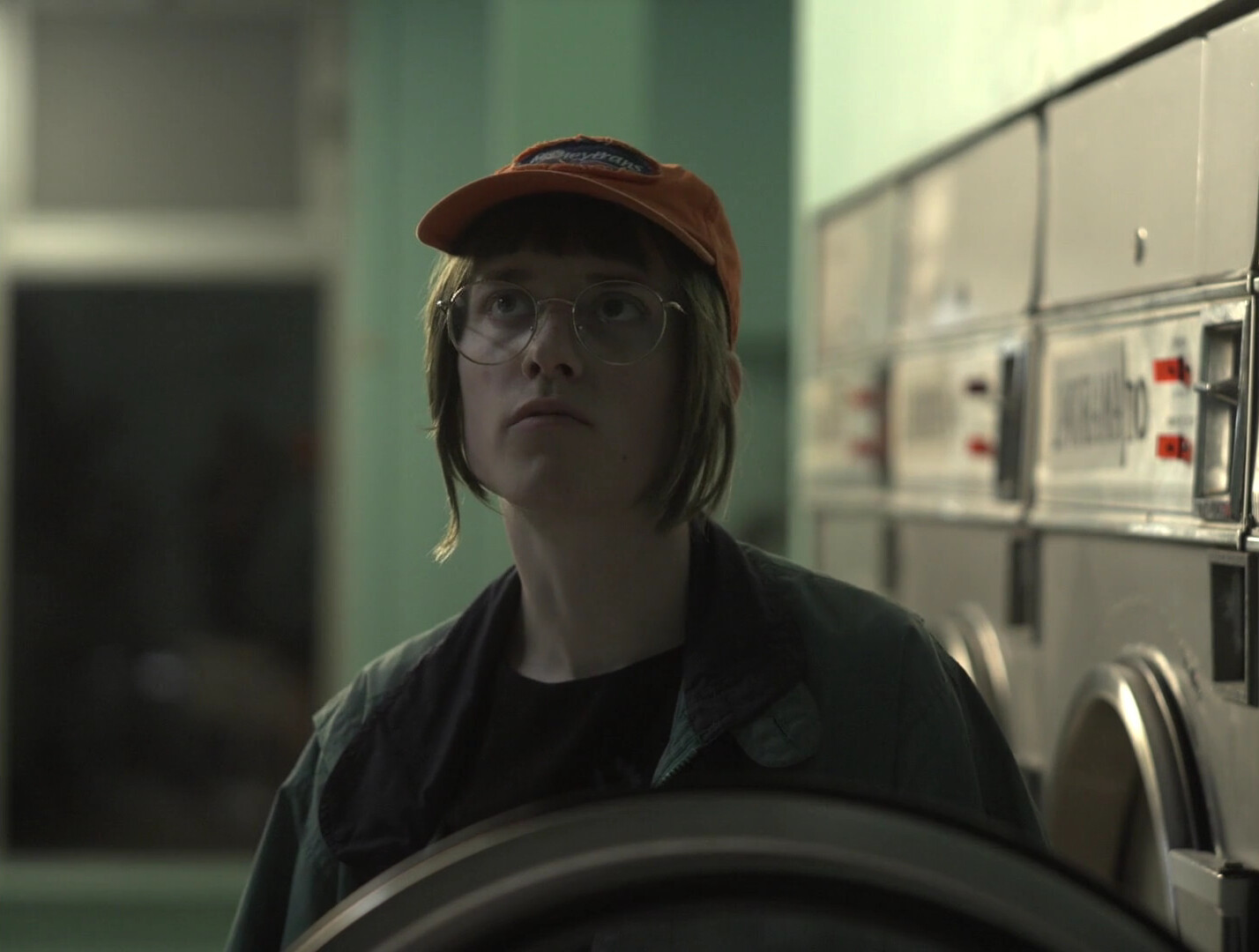
Between loads of laundry at the corner laundromat, Cooper shares the tumultuous story of her gender reassignment journey.

PosterShort
Beauty is Revenge[COMPETITION]15 minutes

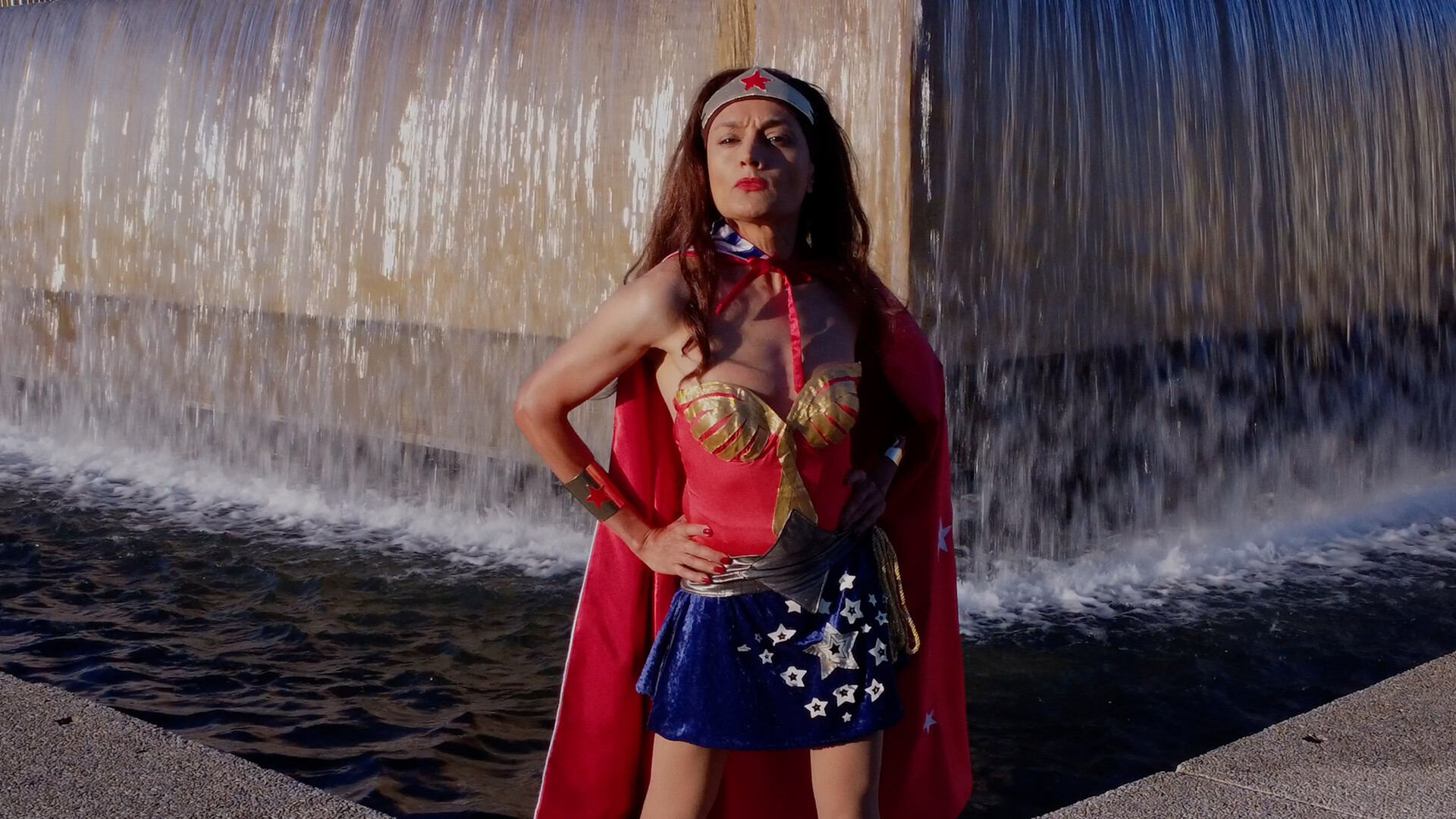
The filmmaker aka Tranie Tronic tells the tale of the incident that inspired their latest album Transgression and brings awareness to the potential dangers of dating men online.

PosterDocumentary
Bulletproof: A Lesbian's Guide to Surviving the Plot[I+N Connexe]105 minutes

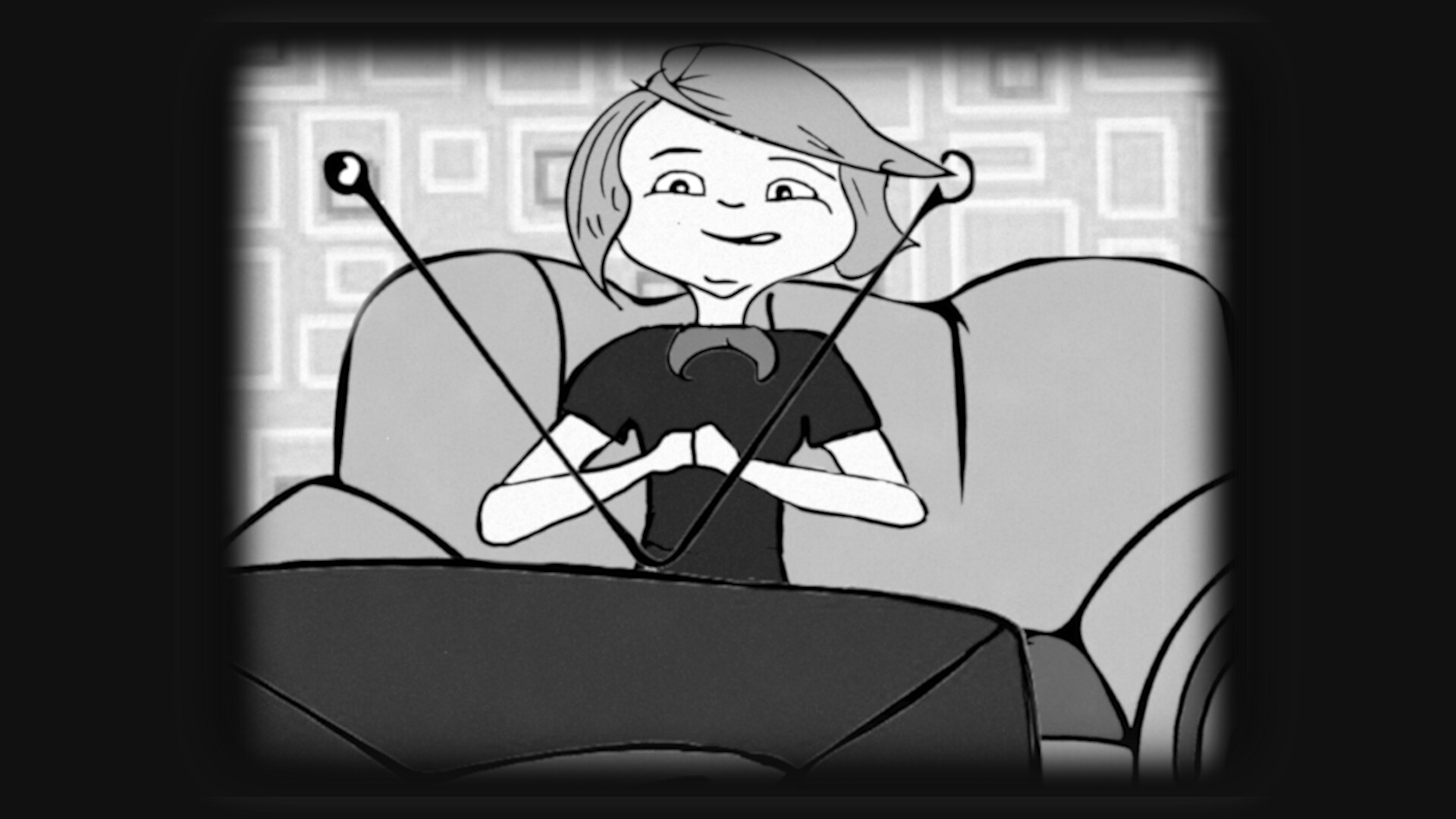
Spoiler alert: chances are if you were watching television in spring 2016, you witnessed the startling peak of the Bury Your Gays trope. LGBTQ+ females from Buffy’s Tara to The 100’s Lexa have gotten the axe and this wry exposé investigates the dismaying trend and ensuing sea change. Bouncing back and forth from Toronto to culture hubs like L.A. and London, Bulletproof unfolds like the plot of a great mystery. There are the victims: queer female characters. The murderers: harried television writers, showrunners, and producers who, for a myriad of reasons that the doc unpacks, have chosen to kill off fan-favourites. And then there are the detectives: a “rainbow network” of journalists, media psychologists, fan community leaders, and many more who dissect the catalysts and impacts of shifting queer depictions. Not to mention the documentarian themself, “gay as hell” TV junkie Regan Latimer on year six of what was supposed to be a one year project, uncovering personal, societal, and scientific revelations alongside their wise-cracking on-screen surrogate, Lindy Zucker. Through clever references and animation, Bulletproof proves that representation has life-or-death stakes and fantasy can be as essential as reality.

PosterShort
Extras[COMPETITION]15 minutes

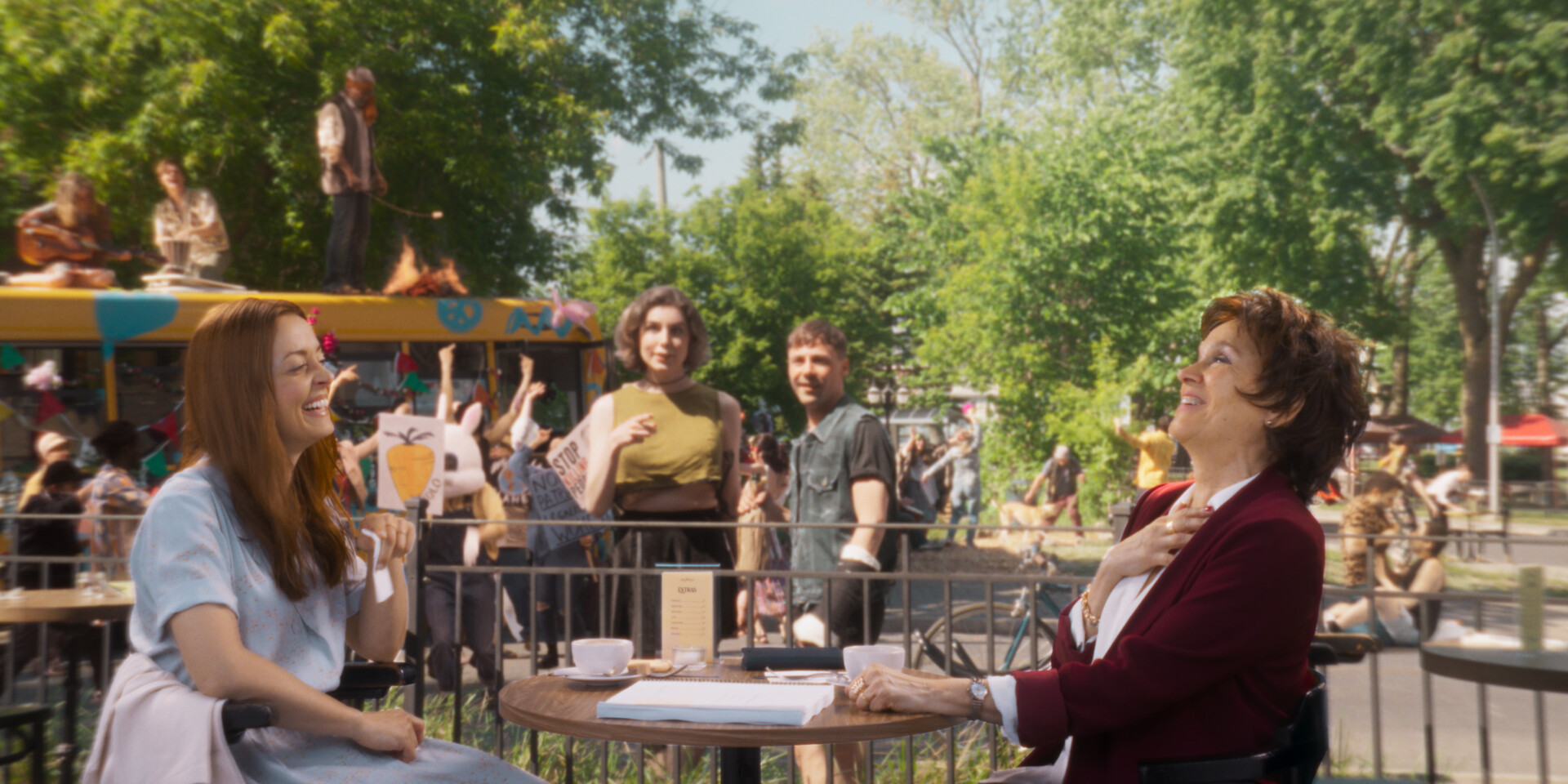
EXT. DAY - A sunny Sunday morning on a café terrace: Isabelle, an actor whose career is in a rut, meets Johanne, her agent, who might have a new part for her. Tension mounts both at the table and in the surroundings. Will expectations be met?

PosterFeatureVIRTUAL
Drive Back Home[COMPETITION]100 minutes

Inspired by true events, in 1970 an unorthodox mother sends her offbeat son from New Brunswick on a wintry cross-country mission past Quebec to retrieve his brother from Toronto after a public sex violation. Antics ensue in the Two-Solitudes atmosphere, bursting with revealing humour about brotherly love and French-English relations. In bravura performances, Alan Cumming plays motormouth Perley—dressed in an ushanka and ascot, taxidermied dog tucked under his arm—and Charlie Creed-Miles is Weldon—a gruff stoic in crooked glasses. These oddball siblings travel through frozen nights and across the language divide as they bicker, break down, and ultimately bond in their journey through central and eastern Canada. Weldon forced to confront the reality of Perley’s homosexuality (and his abject fear of being required to speak French) as he processes a horrific event from their past. After a lifetime of shutting down, a new set of dire circumstances has them opening their ears to hear one another’s stories. Award-winning filmmaker Michael Clowater, a master of wringing humour from pain, never loses sight of Perley and Weldon’s essential humanity among the pratfalls and bigotries, embedding beautiful truths in the film’s engrossing frictions.