Image+Nation
Si je meurs, ce sera de joie (If I die, It'll be of Joy)

Si je meurs, ce sera de joie (If I die, It'll be of Joy)

ALEXIS TAILLANT | FRANCE | 2024 | 80 MIN | FRENCH EST

ALEXIS TAILLANT | FRANCE | 2024 | 80 MIN | FRENCH EST

DocumentaryFocus FranceCOMPETITION

Presented by

Consulat général de France à Québec Cinemania

Synopsis

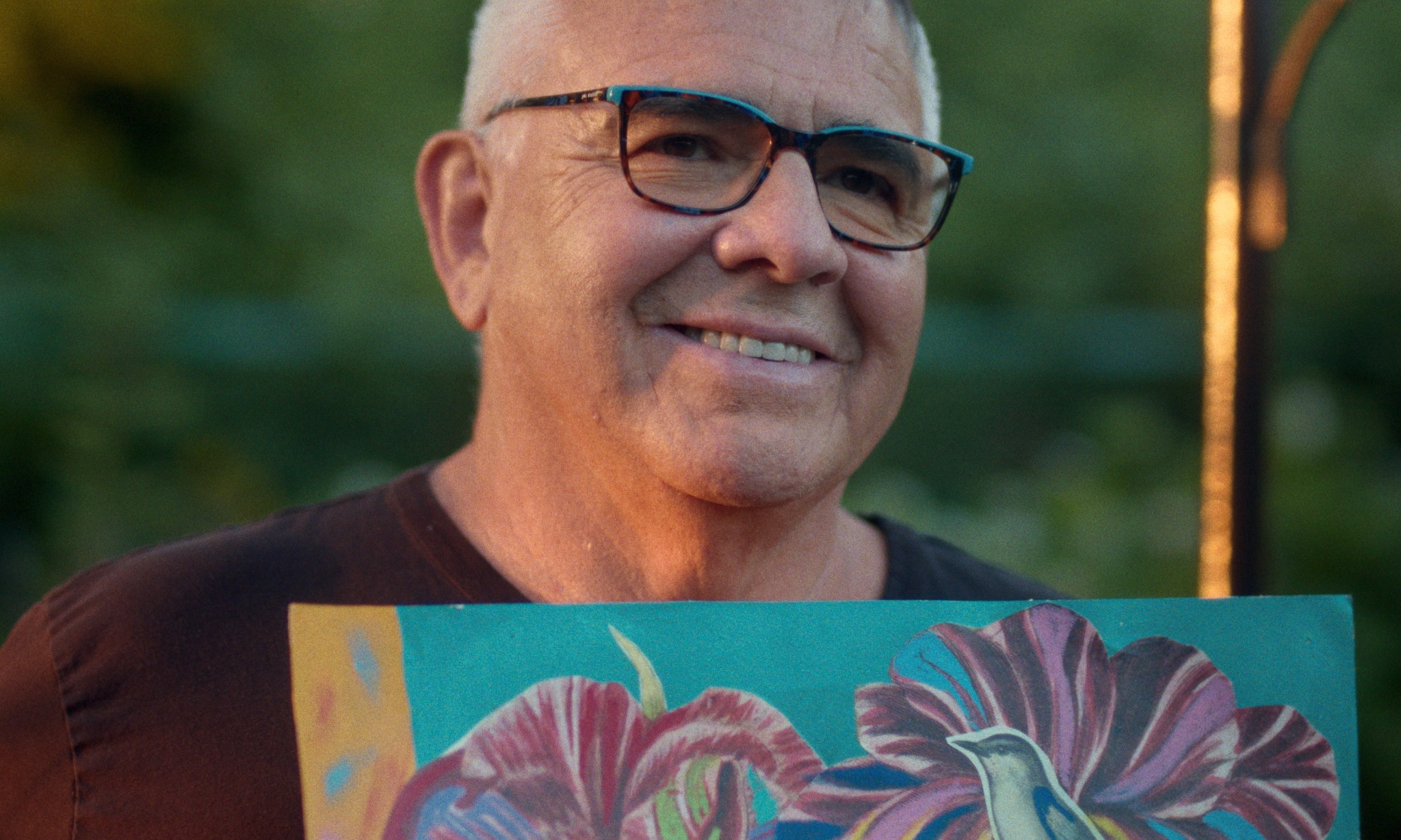
Outspoken Micheline (81) and sensitive artist Yves (68) have “insatiable” longings for sexual and relational intimacy. Francis (70) is a proudly “loudmouth(ed)” activist who wants to ensure that yearnings become reality. All, under the banner of Grey Pride, have no less an ambition than to change the world. Able to detect, as a minority, things that are unjust to all, queer seniors in France are revealing universal truths about the cult of youth and the medicalization of old age. These Grey Priders are combatting indifference, overhauling the nursing home model, and rethinking how spaces for the elderly accommodate libidos. Micheline, Yves, and Francis may have had their sex lives stifled by repression, loneliness, or AIDS, but they are far from ready to enter “The Zone” of societal relegation. They are prepared to take on embedded prejudices, as well as partners and friends with divergent views on death, in their revolutionary intentions. With stirring poeticism—seasons redolent of adaptation; trees symbolizing how bodies bend or break; desire represented by a glowing red sex toy—filmmaker Alexis Taillant shows us what it means to live “a quiet, wild life.”

Trailer

Filmmaker Bio

In 2009, Alexis Taillant directed his first documentary Virages, broadcasted on France Televisions. This film follows 6 road accident victims and tells the metamorphosis of their lives. In 2006, he created the company Wendigo Films, in which he develops creative documentaries and short films as a producer. If I Die, It’ll Be of Love is his third documentary and his first feature length. As a producer, Alexis is part of this year’s Eurodoc program with a Franco-Italian LGBTQ+ feature-length documentary project entitled Dollhouse by Andrea Grasselli.

Producer

Nadège Labé

Writer

Alexis Taillant

Cinematographer

Cédric Davelut

Cast

  • Micheline Boussaingault
  • Francis Carrier
  • Yves Vanhecke
Image
Image
Image
Image
Image
Image
Image
Image
Image
Image

PARTNERS

Consulat général de France à Québec  Cinemania

You might also like

PosterDocumentaryVIRTUAL
Desire Lines[COMPETITION]81 minutes

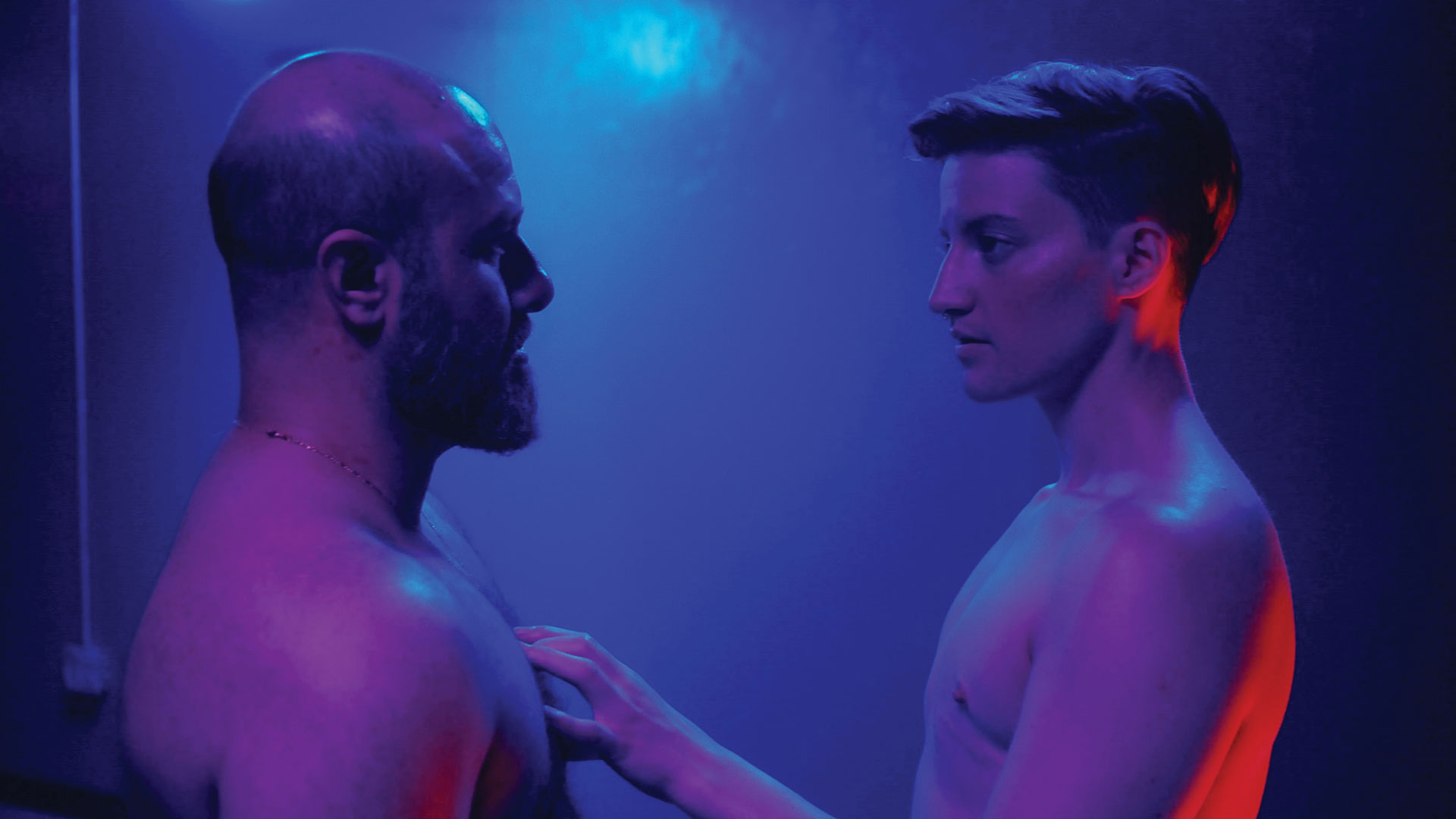
Struck by “archive fever,” a gay transmasculine Iranian-American searches for the roots of his desire. Navigating with us through this steamy hybrid documentary, he comes into contact with trailblazing transcestor Lou Sullivan, the contemporary lived experiences of other queer men, and the eroticism of his own unique body. With the assistance of young non-binary archivist Kieran (Theo Germain), older transman Ahmad (Aden Hakimi) delves into Chicago’s LGBTQ+ archives and the past and present bathhouses of Boystown to explore his homosexual longing. He learns—as we do through the real-life interviews and the history of raids and radical action that nest within this fictional storyline—that there is no one answer. There are as many points of view as there are interviewees. Archival footage of Lou Sullivan, who openly identified as trans and gay as far back as the 1970s, shows that though these conversations are not new, they are still very much necessary, connecting transmasculine gay men with themselves and the larger community. Jules Rosskam’s narratively frisky and hugely affecting film is a celebration of complexity, working to dissolve rigid labels and authoritative permission when it comes to narrating one’s own sexuality.

PosterFeature
Langue étrangère[Focus France]101 minutes

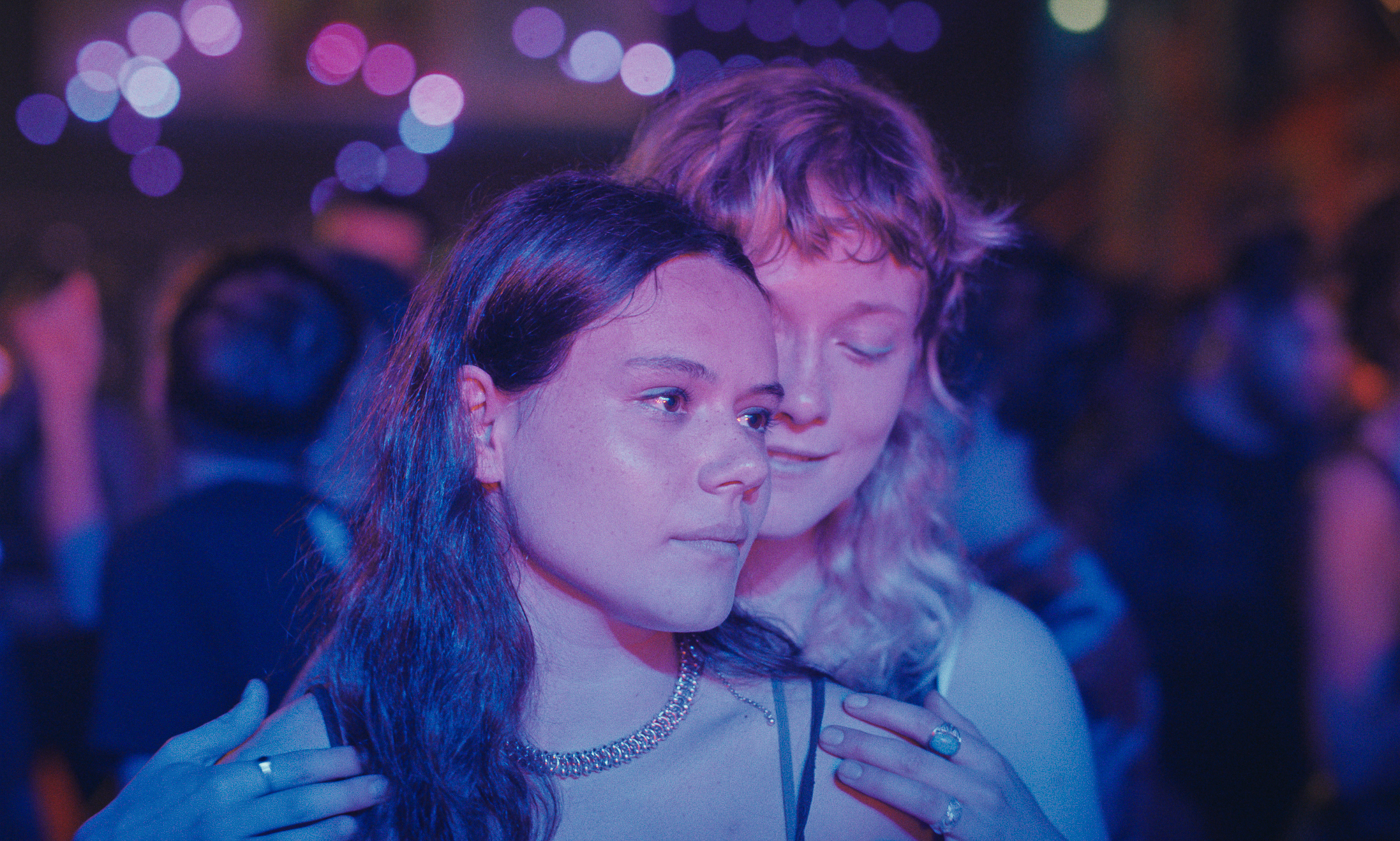
In a fraught exchange between Leipzig and Strasbourg, Fanny and Lena warm to each other while the situation around them heats up. As it gets harder to parse fact from fiction, too much trust and not enough, they look to protest movements to teach them what out-of-control adults cannot. Writer-director Claire Burger’s nuanced drama is bracingly of-the-moment, capturing topical issues with a foreboding sense of longing and imminent disaster, and inspiring fiery performances from her leads, including Nina Hoss as a mother undone. After an initially cold reception from Lena (Josefa Heinsius) when she arrives in Germany, 17-year-old Fanny (Lilith Grasmug) will do anything to ingratiate herself with her prickly pen pal. Chocolate-covered shrooms, sexual experimentation, bonding over Antifa and black bloc protest movements—each attempt at connection becomes more daring than the one before, their “Franco-German friendship” mirroring the heated clashes of our time. When the school exchange is flipped, and Lena is now the fish out of water in France, giving into the attraction sizzling under her animosity will mean coming to terms with a world tearing apart at the seams and the fantasies built up to survive it.

PosterShort
Hello Stranger [COMPETITION]16 minutes

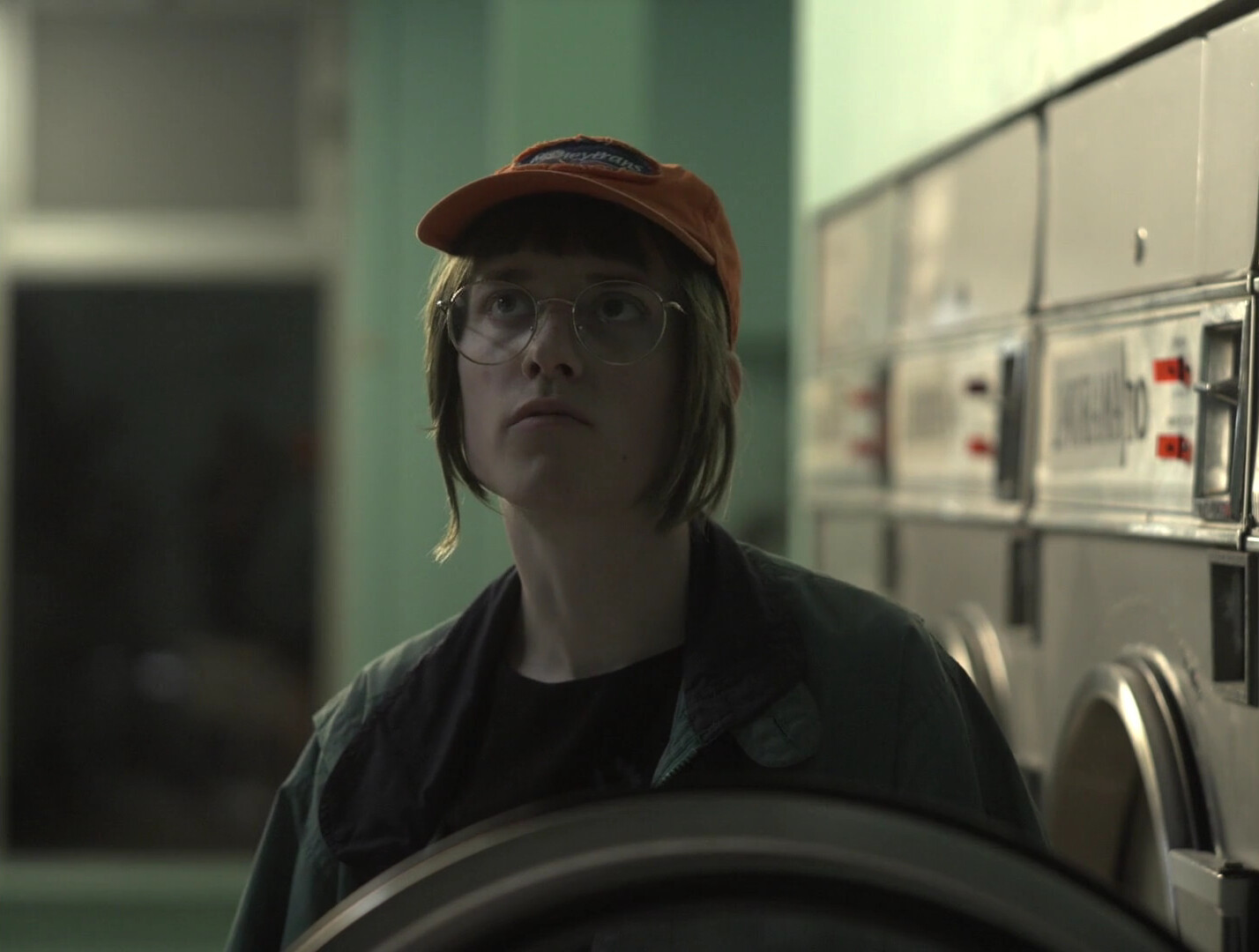
Between loads of laundry at the corner laundromat, Cooper shares the tumultuous story of her gender reassignment journey.

PosterShort
Beauty is Revenge[COMPETITION]15 minutes

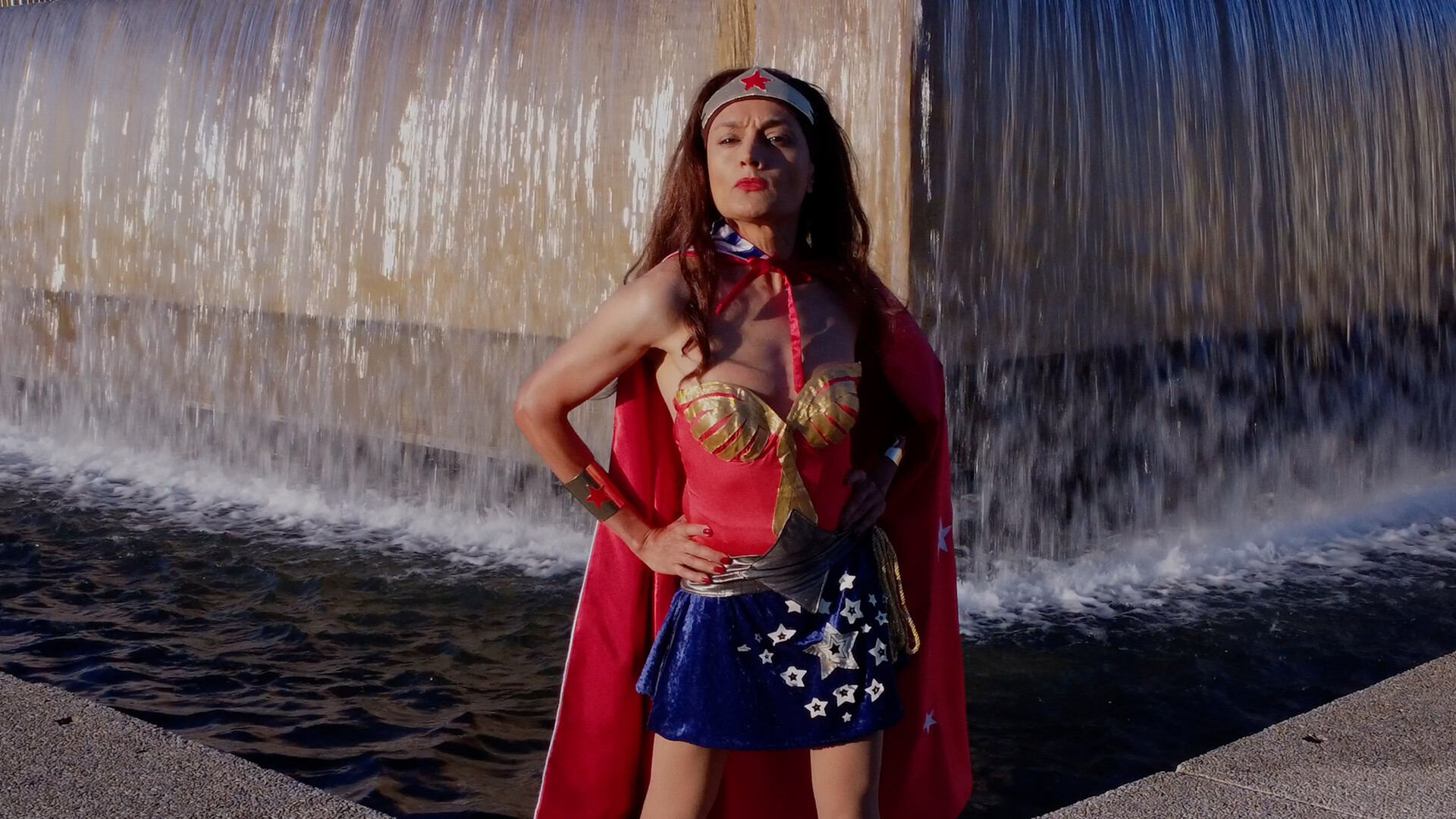
The filmmaker aka Tranie Tronic tells the tale of the incident that inspired their latest album Transgression and brings awareness to the potential dangers of dating men online.

PosterFeatureVIRTUAL
Euridice, Euridice[Focus France]42 minutes

The central comma rivening the title signifies the split down the middle of this concise, incisive diptych. And reflects how Rome-based musician Ondina, like the legendary hero Orpheus, is gripped by a need to look back at her lost love—sad, beautiful Alexia—across the gap of time. Euridice, Euridice is a realist tale told in a mythic mode, its mirrored love stories woven through with imagery of ceaseless ocean waves and an inauspicious snake slithering, of bathing women winding among one another like water nymphs. And of Alexia (Sarantopoulou) reaching towards Ondina (Quadri) from beyond the divide, coaxing Ondina closer to or away from Daria (Menichetti), who wishes to dance away with her arrested heart. Also in this prgoramme : LA RIVIÈRE ÉLISE LEVY | FRANCE | 2024 | 15 MIN | FRENCH EST One afternoon, three high school students sneak out of their all-girls Catholic boarding school. Sunny, the new girl, has gone for a swim in the river. Sarah is eager to join her, even though Clémence disapproves.

PosterDocumentaryVIRTUAL
Nanekawâsis[COMPETITION]80 minutes

The work of Two-Spirit, nêhiyaw (Cree) artist George Littlechild took the reality of residential schools head-on decades before it would enter the collective Canadian conscience. A Sixties Scoop survivor, Littlechild uses his “whimsical,” improvised technique to unlock colourful exuberance and long-held trauma. Conor McNally, a Métis filmmaker, honours his journey. Littlechild was given his great grandfather’s name, nanekawâsis, at a Powwow in 2001. Both Littlechild and the eponymously named film embody its meaning: “swift child.” As we pay witness to a childhood shuffled between foster homes and Littlechild’s emergence as a fleet-fingered artist, the documentary makes fluid connections between past and present. Archival footage blends with warmly tinted 16mm interviews of 65-year-old Littlechild, still evolving in his practice, still passing on his deeply felt knowledge of his ancestry and “Rainbow” spirit. Whereas his partner, John Powell, uses art to govern his freewheeling tendencies, Littlechild harnesses paint to break free of his circumscribed daily life, healing himself and his audience through enlightened transcendence. nanekawâsis begins and ends with a sky full of colour, beautifully eliding time, revealing how light and dark, expectancy and reflection are all indispensable parts of life’s circle.

PosterFeatureVIRTUAL
Out (EN)[COMPETITION]95 minutes

DUTCH • ENGLISH ST | Capturing the recklessness of youth and the excitement of newfound sexual liberties in sensuous black-and-white cinematography, Dennis Alink’s Out offers up a vivid and tender tale of being young and gay. Tom (Bas Keizer, in a star-making performance) and Ajani (an effervescent Jefferson Yaw Frempong-Manson) are closeted secondary school sweethearts who yearn for life outside of their small-minded, rural community in the Netherlands. Their solution is Amsterdam, where the queer scene is thriving and they can work at their dreams of becoming filmmakers. Quickly falling into the Dutch capital’s gay nightlife offers the pair some initial thrills: cheeky games of Never Have I Ever, limo rides across the city, eye-opening trips to the bathhouse. But the challenges quickly follow, pushing them to separately question: “Who am I, and where do I fit in?” Recalling such classic monochromatic films about wayward youth as The Last Picture Show and Gus Van Sant’s Mala Noche, Alink and his queer collaborators present a lived-in, piercing portrait that proves coming out isn’t just a pronouncement of one’s sexuality, it’s a simultaneously joyous and heartbreaking journey of self-discovery.

PosterFeatureIN-CINEMA
Baby[COMPETITION]107 minutesNOV 23 / 21:15

PORTUGUESE • FRENCH ST | Wellington (defiantly nicknamed Baby) trades his detention centre cell for the streets of São Paulo, absorbed into the life of an in-demand “escort” with old school methods. Torn between this erotic father figure, two chosen families, and the mother who left him, Wellington must discern which link is the strongest. Against a backdrop of corrupt cops, vengeful kingpins, and Brazilian ball culture, maybe-18-year-old Wellington (João Pedro Mariano) falls for 42-year-old sex worker cum drug dealer Ronaldo (Ricardo Teodoro), who has a son not much younger than Wellington being raised by lesbian mothers. The two share a charged, teasing bond with yo-yoing power dynamics. Wellington softens Ronaldo, schooling him in voguing’s ebullience and showing him his battle scars, while Ronaldo grounds his protege, giving him boxing lessons while doling out paternal advice and setting strict boundaries. Boundaries that Ronaldo is desperate to maintain and Wellington comes to resent when youthful potential and a biological parent draw him away. Propelled by Marcelo Caetano’s stylish direction, this gritty coming-of-age tale wrestles with themes of love and coercion, considering what’s still possible for a restless heart when a ‘baby’ becomes a man.

PosterFeatureVIRTUAL
Sebastian[COMPETITION]111 minutes

Determined to breathe new life into the queer stock character of the sex worker, budding writer Max (masquerading as Sebastian) becomes a “digital hustler” while bathing in the words of Bret Easton Ellis. What starts out as novel fodder becomes a high-stakes balancing act between liberation and exploitation. Close-lipped and leery of scrutiny, even the publicness of social media, “wholesome boy next door” Max (Ruaridh Mollica) is able to act out his “desire to taste everything” in London bedrooms. First with older men, including the kind and curious Nicholas (Jonathan Hyde), then with more daring configurations. But when shame unexpectedly creeps into his initial, unfettered view of the sex trade, Max finds everything from his book proposal to his very sense of self tested. Before he lets his obsession with how he’s perceived subsume him, he must decide what kind of writer he will be, what kind of lover, what kind of man. His finger on the cultural pulse, Indiewire’s LGBTQ+ Filmmaker on the Rise Mikko Mäkelä (A Moment in the Reeds, I+N31, 2018) pits the coldness of market forces against the beating of a warming heart to see which—in the 21st century—will endure.

PosterDocumentary
Bulletproof: A Lesbian's Guide to Surviving the Plot[I+N Connexe]105 minutes

Spoiler alert: chances are if you were watching television in spring 2016, you witnessed the startling peak of the Bury Your Gays trope. LGBTQ+ females from Buffy’s Tara to The 100’s Lexa have gotten the axe and this wry exposé investigates the dismaying trend and ensuing sea change. Bouncing back and forth from Toronto to culture hubs like L.A. and London, Bulletproof unfolds like the plot of a great mystery. There are the victims: queer female characters. The murderers: harried television writers, showrunners, and producers who, for a myriad of reasons that the doc unpacks, have chosen to kill off fan-favourites. And then there are the detectives: a “rainbow network” of journalists, media psychologists, fan community leaders, and many more who dissect the catalysts and impacts of shifting queer depictions. Not to mention the documentarian themself, “gay as hell” TV junkie Regan Latimer on year six of what was supposed to be a one year project, uncovering personal, societal, and scientific revelations alongside their wise-cracking on-screen surrogate, Lindy Zucker. Through clever references and animation, Bulletproof proves that representation has life-or-death stakes and fantasy can be as essential as reality.

PosterDocumentaryVIRTUAL
Desire Lines[COMPETITION]81 minutes

Struck by “archive fever,” a gay transmasculine Iranian-American searches for the roots of his desire. Navigating with us through this steamy hybrid documentary, he comes into contact with trailblazing transcestor Lou Sullivan, the contemporary lived experiences of other queer men, and the eroticism of his own unique body. With the assistance of young non-binary archivist Kieran (Theo Germain), older transman Ahmad (Aden Hakimi) delves into Chicago’s LGBTQ+ archives and the past and present bathhouses of Boystown to explore his homosexual longing. He learns—as we do through the real-life interviews and the history of raids and radical action that nest within this fictional storyline—that there is no one answer. There are as many points of view as there are interviewees. Archival footage of Lou Sullivan, who openly identified as trans and gay as far back as the 1970s, shows that though these conversations are not new, they are still very much necessary, connecting transmasculine gay men with themselves and the larger community. Jules Rosskam’s narratively frisky and hugely affecting film is a celebration of complexity, working to dissolve rigid labels and authoritative permission when it comes to narrating one’s own sexuality.

PosterFeature
Langue étrangère[Focus France]101 minutes

In a fraught exchange between Leipzig and Strasbourg, Fanny and Lena warm to each other while the situation around them heats up. As it gets harder to parse fact from fiction, too much trust and not enough, they look to protest movements to teach them what out-of-control adults cannot. Writer-director Claire Burger’s nuanced drama is bracingly of-the-moment, capturing topical issues with a foreboding sense of longing and imminent disaster, and inspiring fiery performances from her leads, including Nina Hoss as a mother undone. After an initially cold reception from Lena (Josefa Heinsius) when she arrives in Germany, 17-year-old Fanny (Lilith Grasmug) will do anything to ingratiate herself with her prickly pen pal. Chocolate-covered shrooms, sexual experimentation, bonding over Antifa and black bloc protest movements—each attempt at connection becomes more daring than the one before, their “Franco-German friendship” mirroring the heated clashes of our time. When the school exchange is flipped, and Lena is now the fish out of water in France, giving into the attraction sizzling under her animosity will mean coming to terms with a world tearing apart at the seams and the fantasies built up to survive it.

PosterShort
Hello Stranger [COMPETITION]16 minutes

Between loads of laundry at the corner laundromat, Cooper shares the tumultuous story of her gender reassignment journey.

PosterShort
Beauty is Revenge[COMPETITION]15 minutes

The filmmaker aka Tranie Tronic tells the tale of the incident that inspired their latest album Transgression and brings awareness to the potential dangers of dating men online.

PosterFeatureVIRTUAL
Euridice, Euridice[Focus France]42 minutes

The central comma rivening the title signifies the split down the middle of this concise, incisive diptych. And reflects how Rome-based musician Ondina, like the legendary hero Orpheus, is gripped by a need to look back at her lost love—sad, beautiful Alexia—across the gap of time. Euridice, Euridice is a realist tale told in a mythic mode, its mirrored love stories woven through with imagery of ceaseless ocean waves and an inauspicious snake slithering, of bathing women winding among one another like water nymphs. And of Alexia (Sarantopoulou) reaching towards Ondina (Quadri) from beyond the divide, coaxing Ondina closer to or away from Daria (Menichetti), who wishes to dance away with her arrested heart. Also in this prgoramme : LA RIVIÈRE ÉLISE LEVY | FRANCE | 2024 | 15 MIN | FRENCH EST One afternoon, three high school students sneak out of their all-girls Catholic boarding school. Sunny, the new girl, has gone for a swim in the river. Sarah is eager to join her, even though Clémence disapproves.

PosterDocumentaryVIRTUAL
Nanekawâsis[COMPETITION]80 minutes

The work of Two-Spirit, nêhiyaw (Cree) artist George Littlechild took the reality of residential schools head-on decades before it would enter the collective Canadian conscience. A Sixties Scoop survivor, Littlechild uses his “whimsical,” improvised technique to unlock colourful exuberance and long-held trauma. Conor McNally, a Métis filmmaker, honours his journey. Littlechild was given his great grandfather’s name, nanekawâsis, at a Powwow in 2001. Both Littlechild and the eponymously named film embody its meaning: “swift child.” As we pay witness to a childhood shuffled between foster homes and Littlechild’s emergence as a fleet-fingered artist, the documentary makes fluid connections between past and present. Archival footage blends with warmly tinted 16mm interviews of 65-year-old Littlechild, still evolving in his practice, still passing on his deeply felt knowledge of his ancestry and “Rainbow” spirit. Whereas his partner, John Powell, uses art to govern his freewheeling tendencies, Littlechild harnesses paint to break free of his circumscribed daily life, healing himself and his audience through enlightened transcendence. nanekawâsis begins and ends with a sky full of colour, beautifully eliding time, revealing how light and dark, expectancy and reflection are all indispensable parts of life’s circle.

PosterFeatureVIRTUAL
Out (EN)[COMPETITION]95 minutes

DUTCH • ENGLISH ST | Capturing the recklessness of youth and the excitement of newfound sexual liberties in sensuous black-and-white cinematography, Dennis Alink’s Out offers up a vivid and tender tale of being young and gay. Tom (Bas Keizer, in a star-making performance) and Ajani (an effervescent Jefferson Yaw Frempong-Manson) are closeted secondary school sweethearts who yearn for life outside of their small-minded, rural community in the Netherlands. Their solution is Amsterdam, where the queer scene is thriving and they can work at their dreams of becoming filmmakers. Quickly falling into the Dutch capital’s gay nightlife offers the pair some initial thrills: cheeky games of Never Have I Ever, limo rides across the city, eye-opening trips to the bathhouse. But the challenges quickly follow, pushing them to separately question: “Who am I, and where do I fit in?” Recalling such classic monochromatic films about wayward youth as The Last Picture Show and Gus Van Sant’s Mala Noche, Alink and his queer collaborators present a lived-in, piercing portrait that proves coming out isn’t just a pronouncement of one’s sexuality, it’s a simultaneously joyous and heartbreaking journey of self-discovery.

PosterFeatureIN-CINEMA
Baby[COMPETITION]107 minutesNOV 23 / 21:15

PORTUGUESE • FRENCH ST | Wellington (defiantly nicknamed Baby) trades his detention centre cell for the streets of São Paulo, absorbed into the life of an in-demand “escort” with old school methods. Torn between this erotic father figure, two chosen families, and the mother who left him, Wellington must discern which link is the strongest. Against a backdrop of corrupt cops, vengeful kingpins, and Brazilian ball culture, maybe-18-year-old Wellington (João Pedro Mariano) falls for 42-year-old sex worker cum drug dealer Ronaldo (Ricardo Teodoro), who has a son not much younger than Wellington being raised by lesbian mothers. The two share a charged, teasing bond with yo-yoing power dynamics. Wellington softens Ronaldo, schooling him in voguing’s ebullience and showing him his battle scars, while Ronaldo grounds his protege, giving him boxing lessons while doling out paternal advice and setting strict boundaries. Boundaries that Ronaldo is desperate to maintain and Wellington comes to resent when youthful potential and a biological parent draw him away. Propelled by Marcelo Caetano’s stylish direction, this gritty coming-of-age tale wrestles with themes of love and coercion, considering what’s still possible for a restless heart when a ‘baby’ becomes a man.

PosterFeatureVIRTUAL
Sebastian[COMPETITION]111 minutes

Determined to breathe new life into the queer stock character of the sex worker, budding writer Max (masquerading as Sebastian) becomes a “digital hustler” while bathing in the words of Bret Easton Ellis. What starts out as novel fodder becomes a high-stakes balancing act between liberation and exploitation. Close-lipped and leery of scrutiny, even the publicness of social media, “wholesome boy next door” Max (Ruaridh Mollica) is able to act out his “desire to taste everything” in London bedrooms. First with older men, including the kind and curious Nicholas (Jonathan Hyde), then with more daring configurations. But when shame unexpectedly creeps into his initial, unfettered view of the sex trade, Max finds everything from his book proposal to his very sense of self tested. Before he lets his obsession with how he’s perceived subsume him, he must decide what kind of writer he will be, what kind of lover, what kind of man. His finger on the cultural pulse, Indiewire’s LGBTQ+ Filmmaker on the Rise Mikko Mäkelä (A Moment in the Reeds, I+N31, 2018) pits the coldness of market forces against the beating of a warming heart to see which—in the 21st century—will endure.

PosterDocumentary
Bulletproof: A Lesbian's Guide to Surviving the Plot[I+N Connexe]105 minutes

Spoiler alert: chances are if you were watching television in spring 2016, you witnessed the startling peak of the Bury Your Gays trope. LGBTQ+ females from Buffy’s Tara to The 100’s Lexa have gotten the axe and this wry exposé investigates the dismaying trend and ensuing sea change. Bouncing back and forth from Toronto to culture hubs like L.A. and London, Bulletproof unfolds like the plot of a great mystery. There are the victims: queer female characters. The murderers: harried television writers, showrunners, and producers who, for a myriad of reasons that the doc unpacks, have chosen to kill off fan-favourites. And then there are the detectives: a “rainbow network” of journalists, media psychologists, fan community leaders, and many more who dissect the catalysts and impacts of shifting queer depictions. Not to mention the documentarian themself, “gay as hell” TV junkie Regan Latimer on year six of what was supposed to be a one year project, uncovering personal, societal, and scientific revelations alongside their wise-cracking on-screen surrogate, Lindy Zucker. Through clever references and animation, Bulletproof proves that representation has life-or-death stakes and fantasy can be as essential as reality.