Image+Nation
Duino (FR)

Duino (FR)

JUAN PABLO DI PACE + ANDRÉS PEPE ESTRADA | USA + ARGENTINA + ITALY | 2024 | 108 MIN | SPANISH FST

JUAN PABLO DI PACE + ANDRÉS PEPE ESTRADA | USA + ARGENTINA + ITALY | 2024 | 108 MIN | SPANISH FST

FeatureCOMPETITION

Synopsis

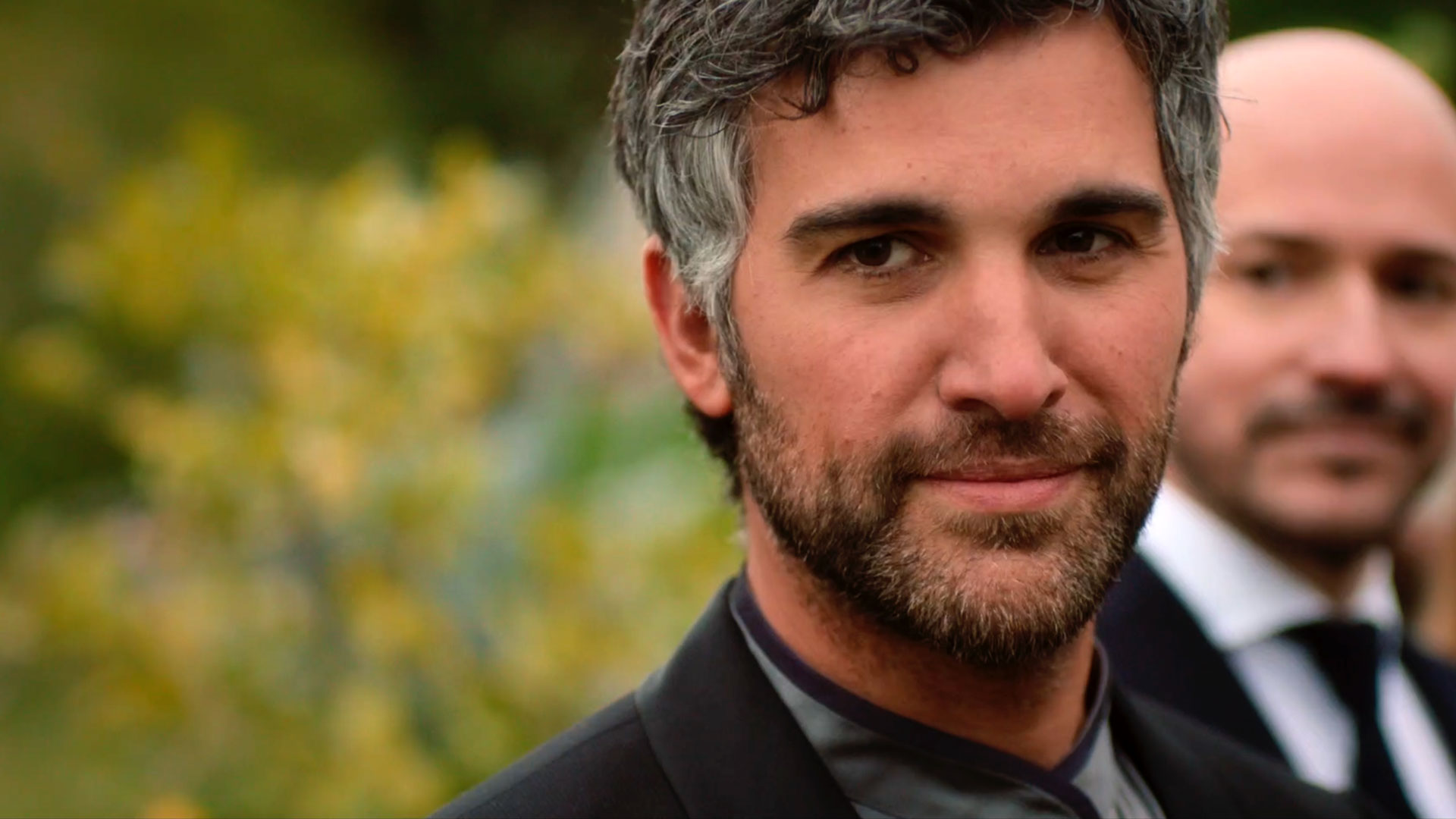
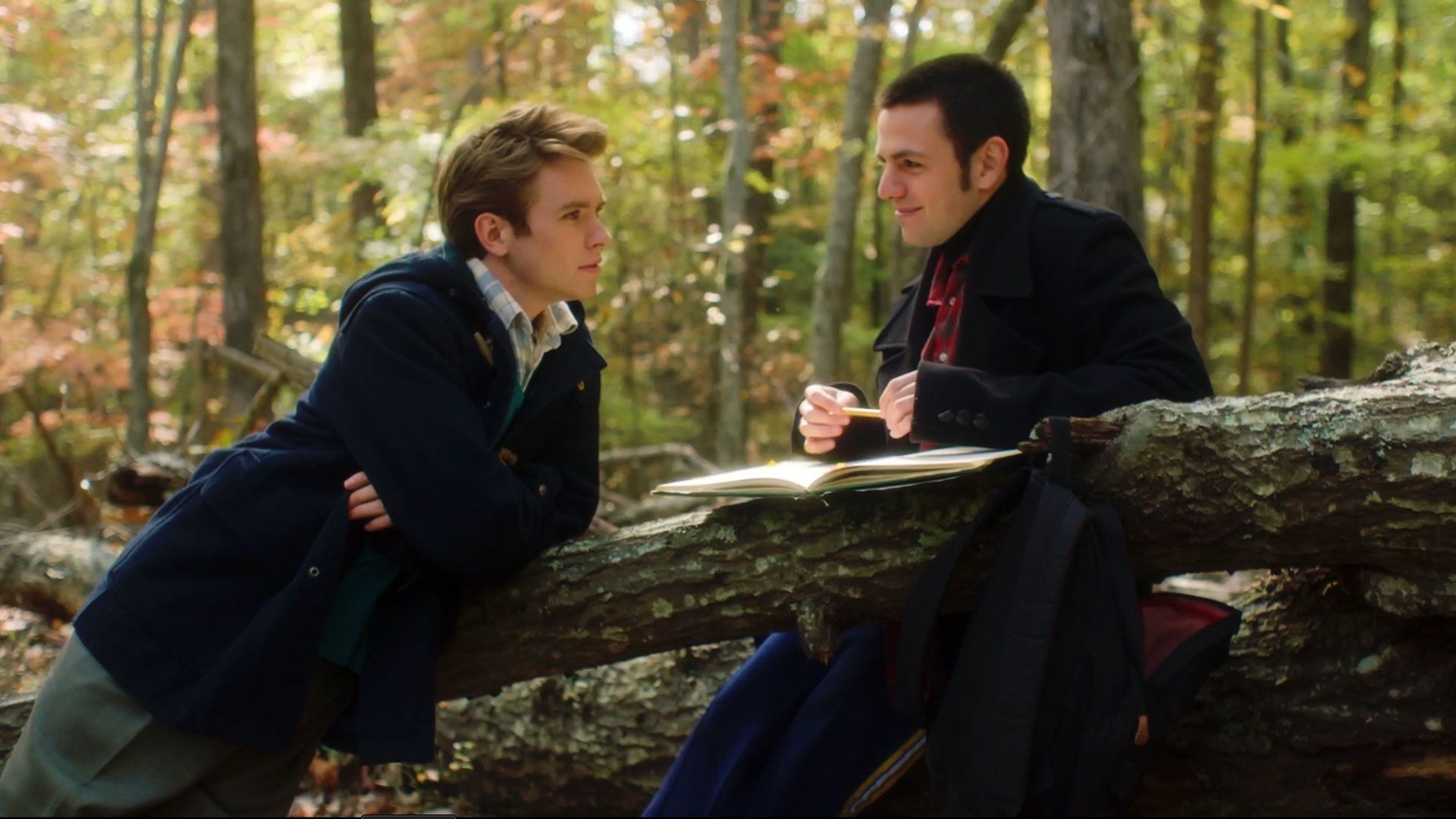
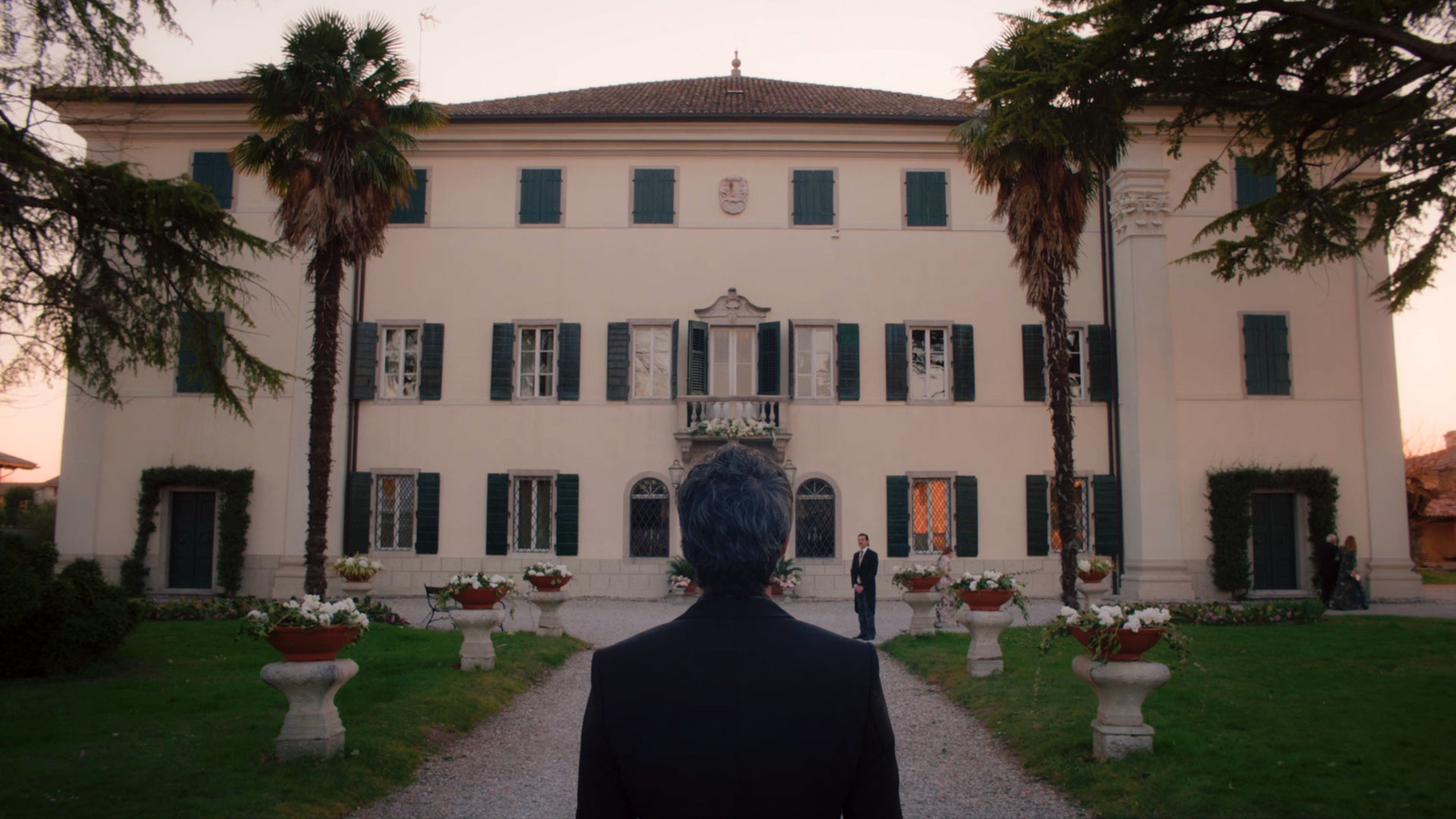
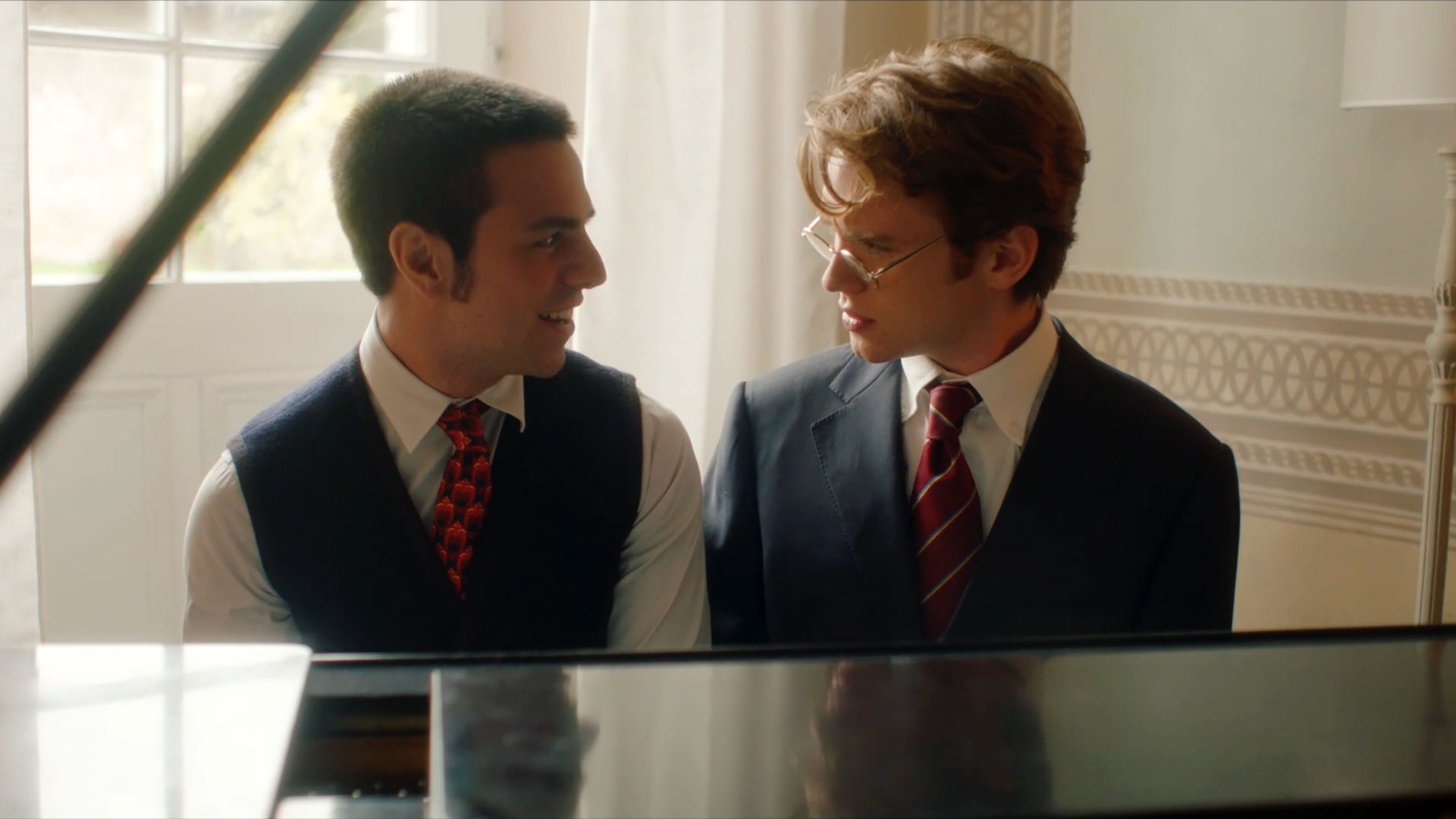
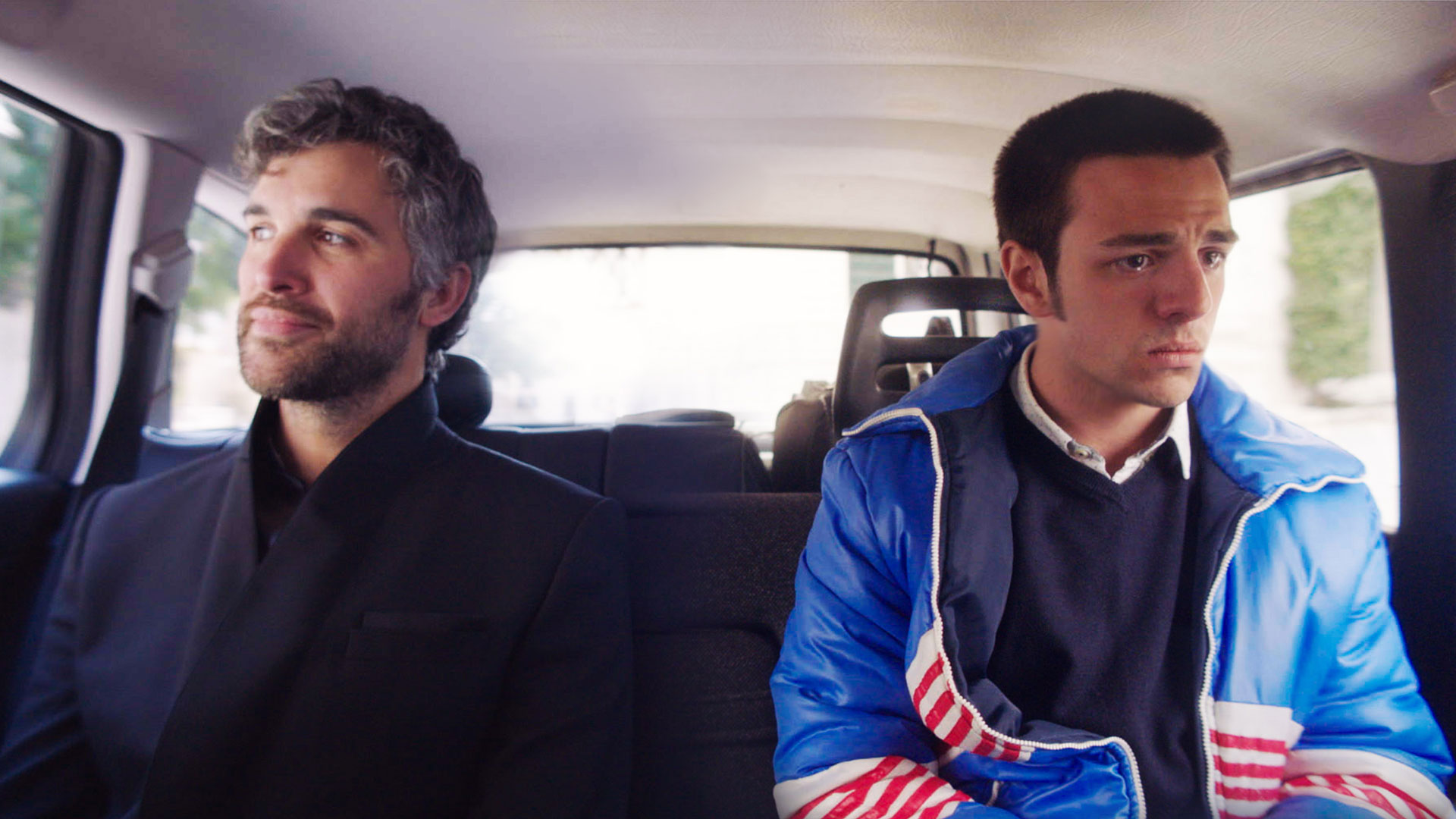
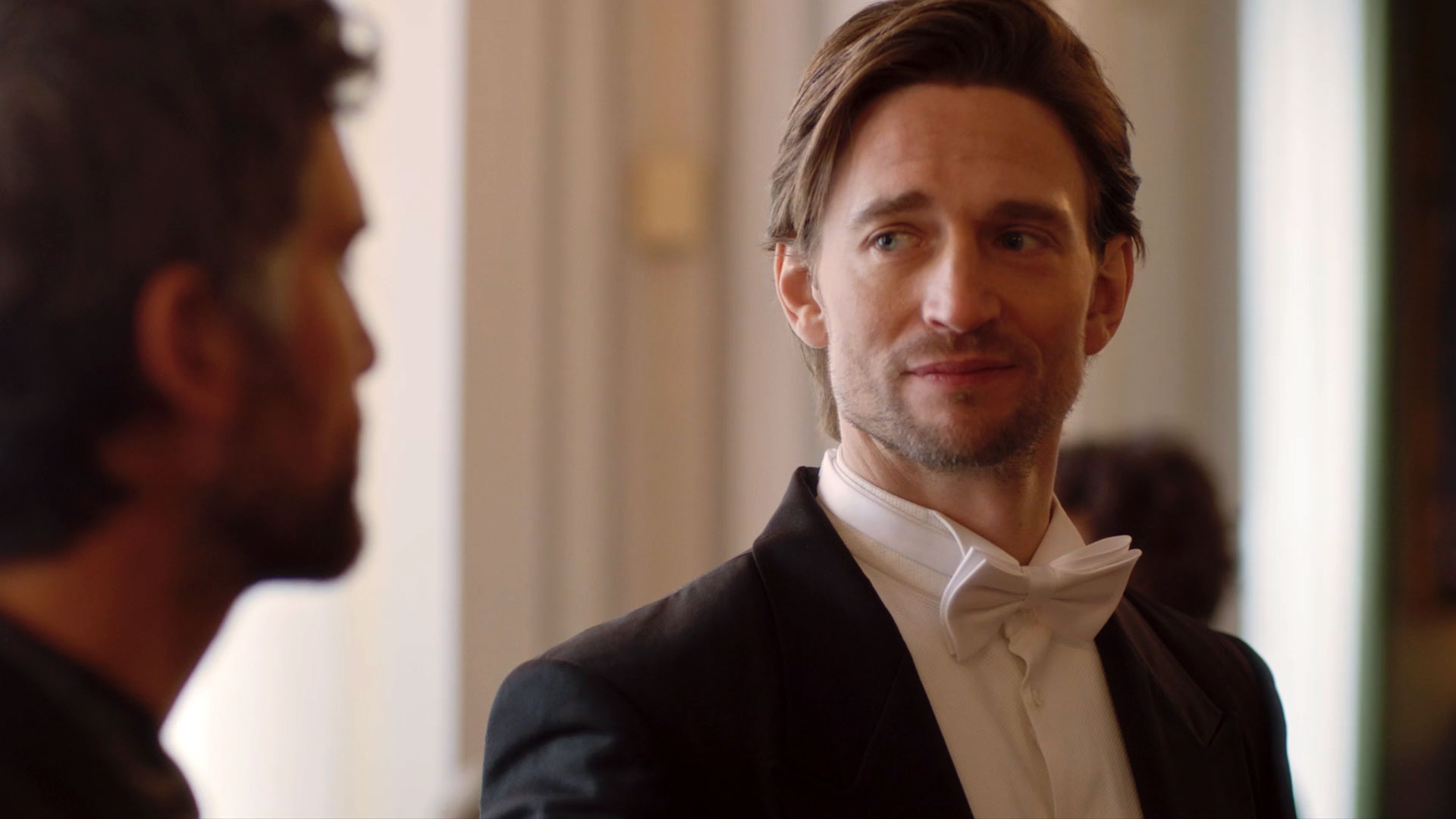
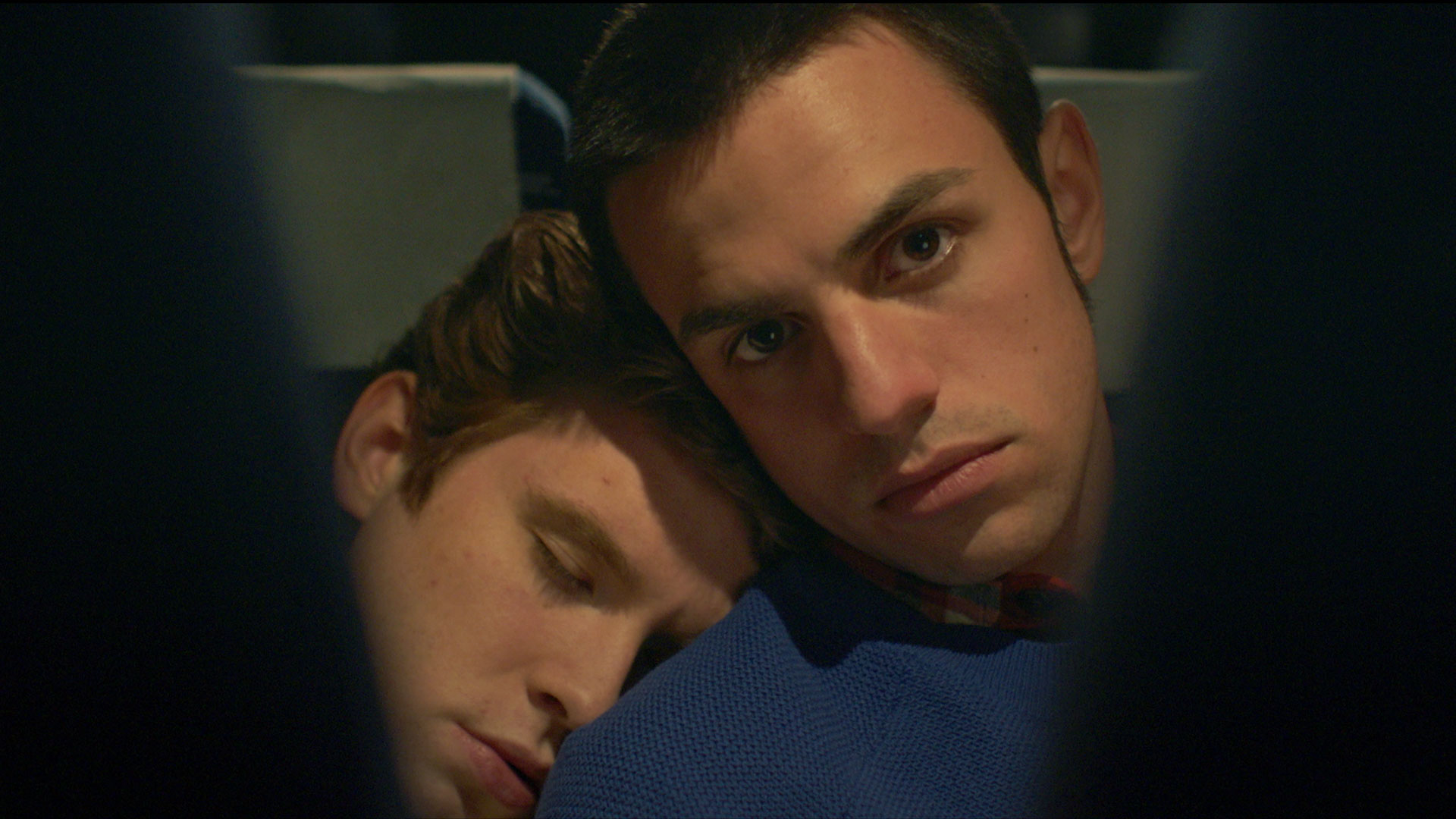
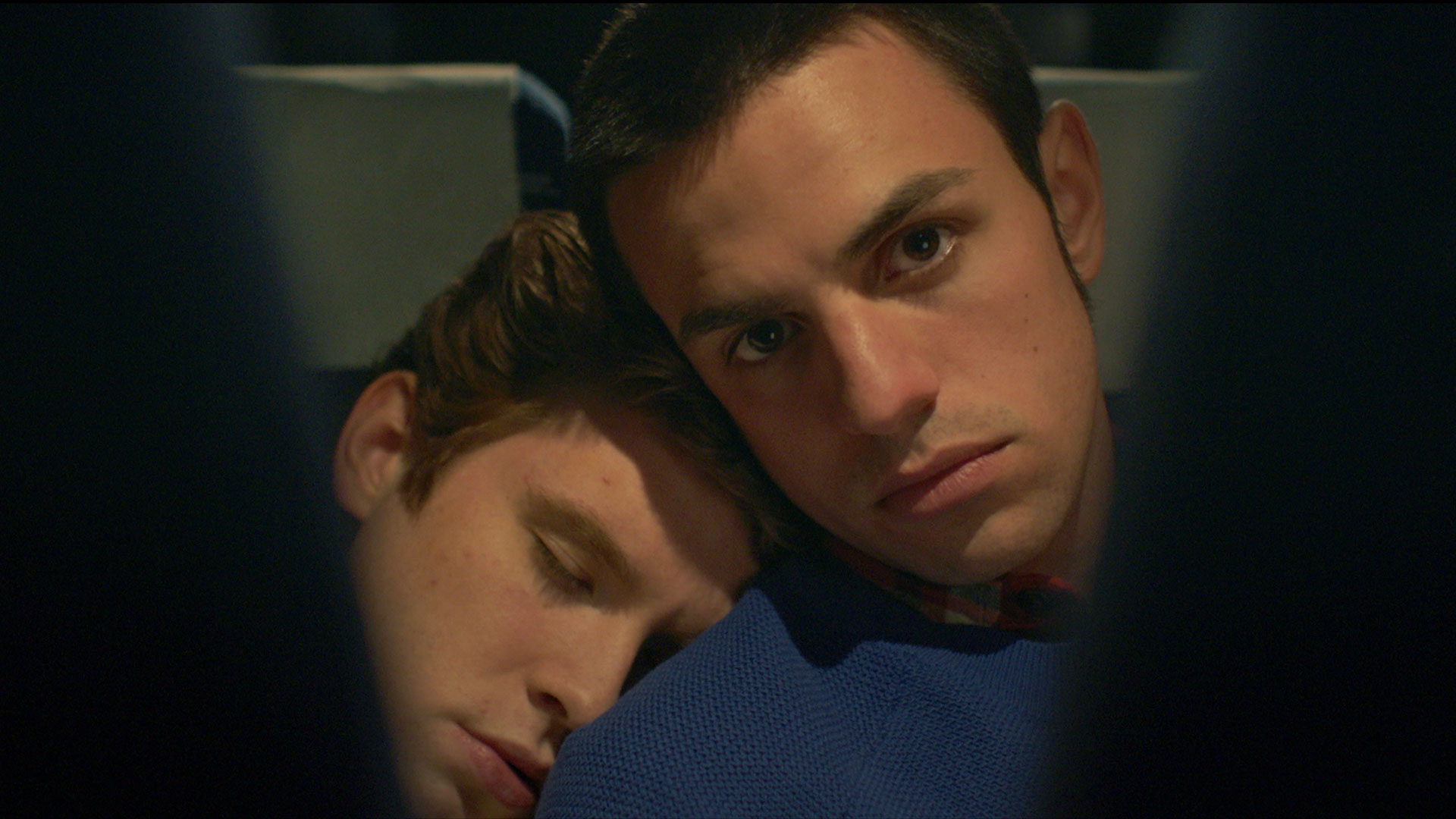
SPANISH • FRENCH ST | Argentinian filmmaker Matías is an intense perfectionist struggling to shape his autobiographical film as the past wriggles from his grip. Is Alexander—a dashing fabulist from Sweden he met in Italy as a boy—the lost love of his life? Or just a lovely, bittersweet dream? At the United World College of the Adriatic, with its diverse, exuberant student body, young Matías (Santiago Madrussan) finds a freedom he never knew in Argentina. There, he is befriended by Alexander (Oscar Morgan), whose rousing stories and bedroom eyes make the world more magical, and whose family’s vast holiday home becomes a memory palace for all that was left unsaid. In his 40s, Matías (co-writer/director Juan Pablo Di Pace) looks back at this time and, with a festival deadline looming, tries to fathom the sizzling closeness and coded interactions. A key piece of evidence lying dormant for when he least expects it. With its meta intrigues and captivating sweep, Duino is an elegiac masterwork crackling with swoon-worthy chemistry. A film that asks: how far are we willing to go for a proper conclusion, and what, in the end, remains voices in the wind?

Filmmaker Bio

Andres is a Spanish director/composer/editor living in Buenos Aires. He studied Film at the Buenos Aires Film University and in Rome's Cinecittá. Andres edited Santiago Mitre’s Argentina 1985, which recently won the Golden Globes and was nominated for Best Foreign Film at the Academy Awards. Since 2002 he has worked extensively as a film editor in many Latin American staple films. He also worked in the editing team of Tetro by Francis Ford Coppola. Andres’ directorial work includes Big For The City and Admission. Duino is Andres’ debut feature as director with his long time friend Juan Pablo Di Pace.

Filmmaker Bio

Juan Pablo was born in Buenos Aires and has lived in London, Trieste, Madrid and currently resides in the US. A self-proclaimed "storyteller" Juan Pablo dances between music, film and directorial projects. On T.V and film, he is best known for playing the passionate Fernando on Netflix's Emmy nominated Fuller House. As a filmmaker, Juan Pablo has written and directed several short films and is developing three feature films. Prior to joining the big screen, he appeared in Bob Fosse's musical Chicago in London.

Producer

Jim Burba, Kristen Carroll, Juan Pablo Di Pace, Guillermo na, Kent Robert Gibbons, Juan Ignacio Gorelik, Martín Granados, Bob Hayes, Margret H. Huddleston, Norman Lear, Amanda Lenker Doyle, Massimiliano Milic, Brent Miller, Bobby Ralston, Michele Saragoni, Guido Segal, Stephanie Slack, Alvaro R. Valente

Writer

Juan Pablo Di Pace, Andrés Pepe Estrada

Cinematographer

Devin Doyle

Cast

  • an Pablo Di Pace
  • Santiago Madrussan
Image
Image
Image
Image
Image
Image
Image
Image
Image
Image
Image
Image

You might also like

PosterShort
La Rivière[COMPETITION]15 minutes

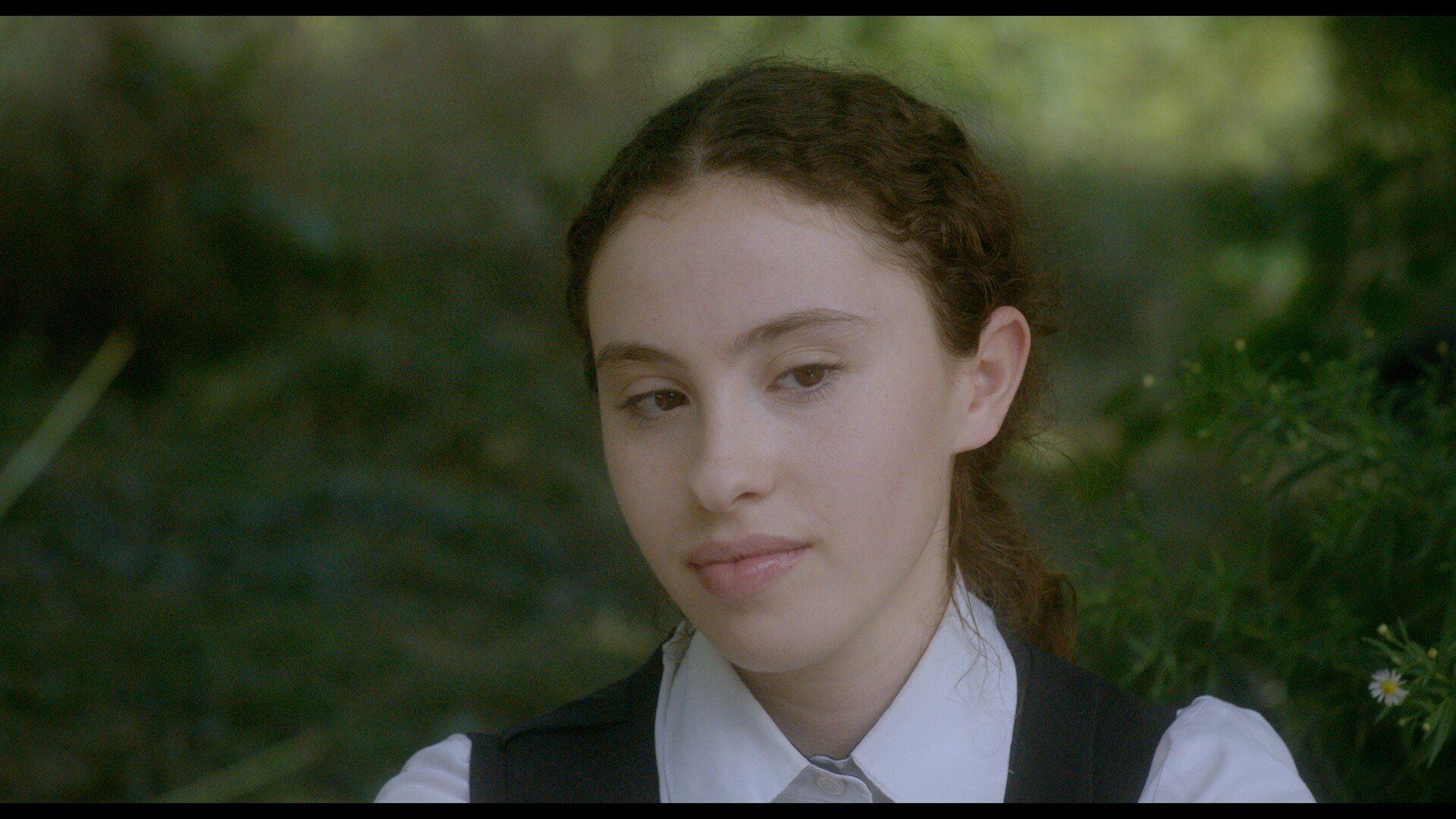
One afternoon, three high school students sneak out of their all-girls Catholic boarding school. Sunny, the new girl, has gone for a swim in the river. Sarah is eager to join her, even though Clémence disapproves.

PosterShort
Hello Stranger [MADE AU CANADA]16 minutes

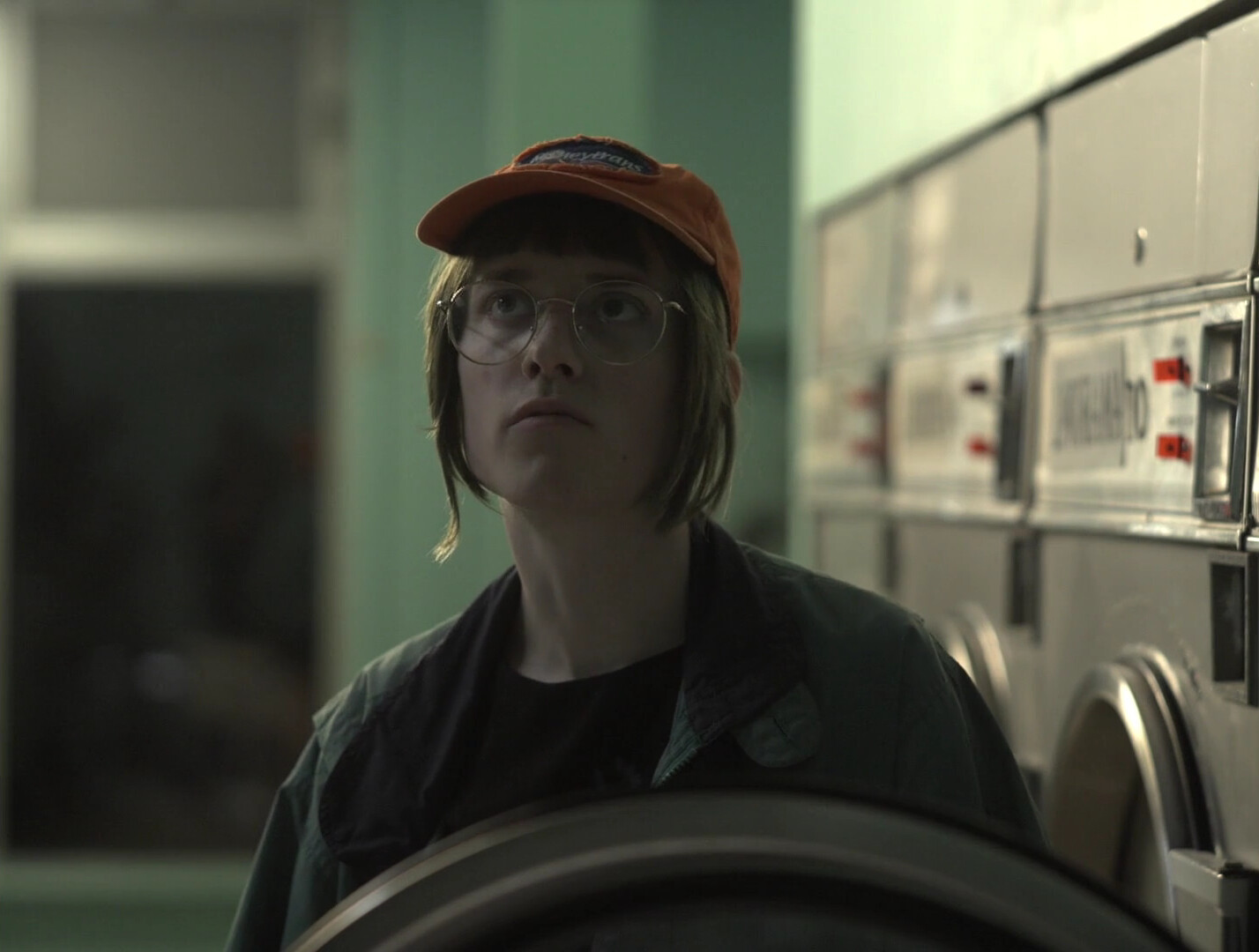
Between loads of laundry at the corner laundromat, Cooper shares the tumultuous story of her gender reassignment journey.

PosterFeature
Duino (EN)[COMPETITION]108 minutes

SPANISH • ENGLISH ST | Argentinian filmmaker Matías is an intense perfectionist struggling to shape his autobiographical film as the past wriggles from his grip. Is Alexander—a dashing fabulist from Sweden he met in Italy as a boy—the lost love of his life? Or just a lovely, bittersweet dream? At the United World College of the Adriatic, with its diverse, exuberant student body, young Matías (Santiago Madrussan) finds a freedom he never knew in Argentina. There, he is befriended by Alexander (Oscar Morgan), whose rousing stories and bedroom eyes make the world more magical, and whose family’s vast holiday home becomes a memory palace for all that was left unsaid. In his 40s, Matías (co-writer/director Juan Pablo Di Pace) looks back at this time and, with a festival deadline looming, tries to fathom the sizzling closeness and coded interactions. A key piece of evidence lying dormant for when he least expects it. With its meta intrigues and captivating sweep, Duino is an elegiac masterwork crackling with swoon-worthy chemistry. A film that asks: how far are we willing to go for a proper conclusion, and what, in the end, remains voices in the wind?

PosterShort
Extras[COMPETITION]15 minutes

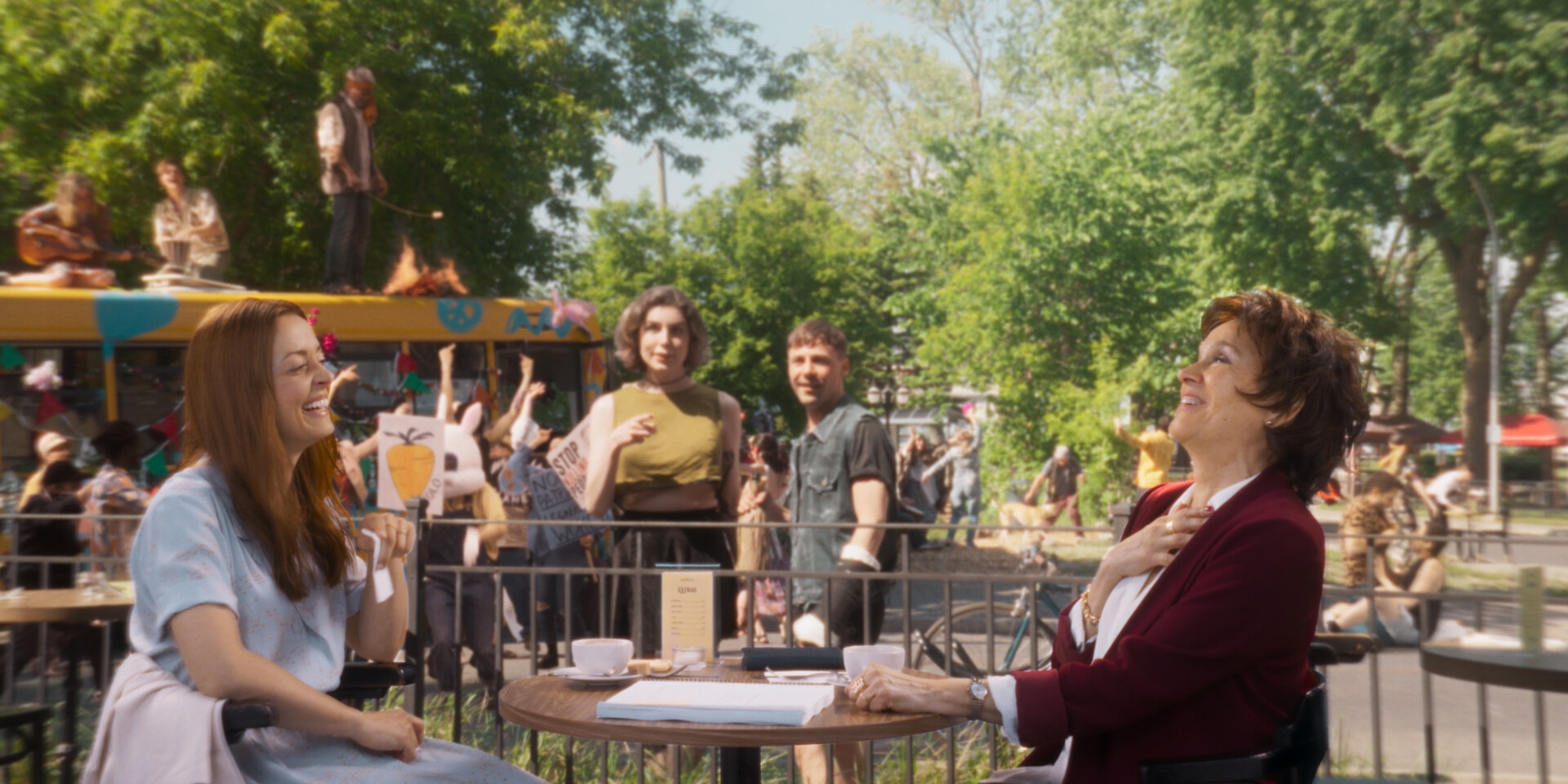
EXT. DAY - A sunny Sunday morning on a café terrace: Isabelle, an actor whose career is in a rut, meets Johanne, her agent, who might have a new part for her. Tension mounts both at the table and in the surroundings. Will expectations be met?

PosterFeature
Langue étrangère[ZEITGEIST]101 minutes

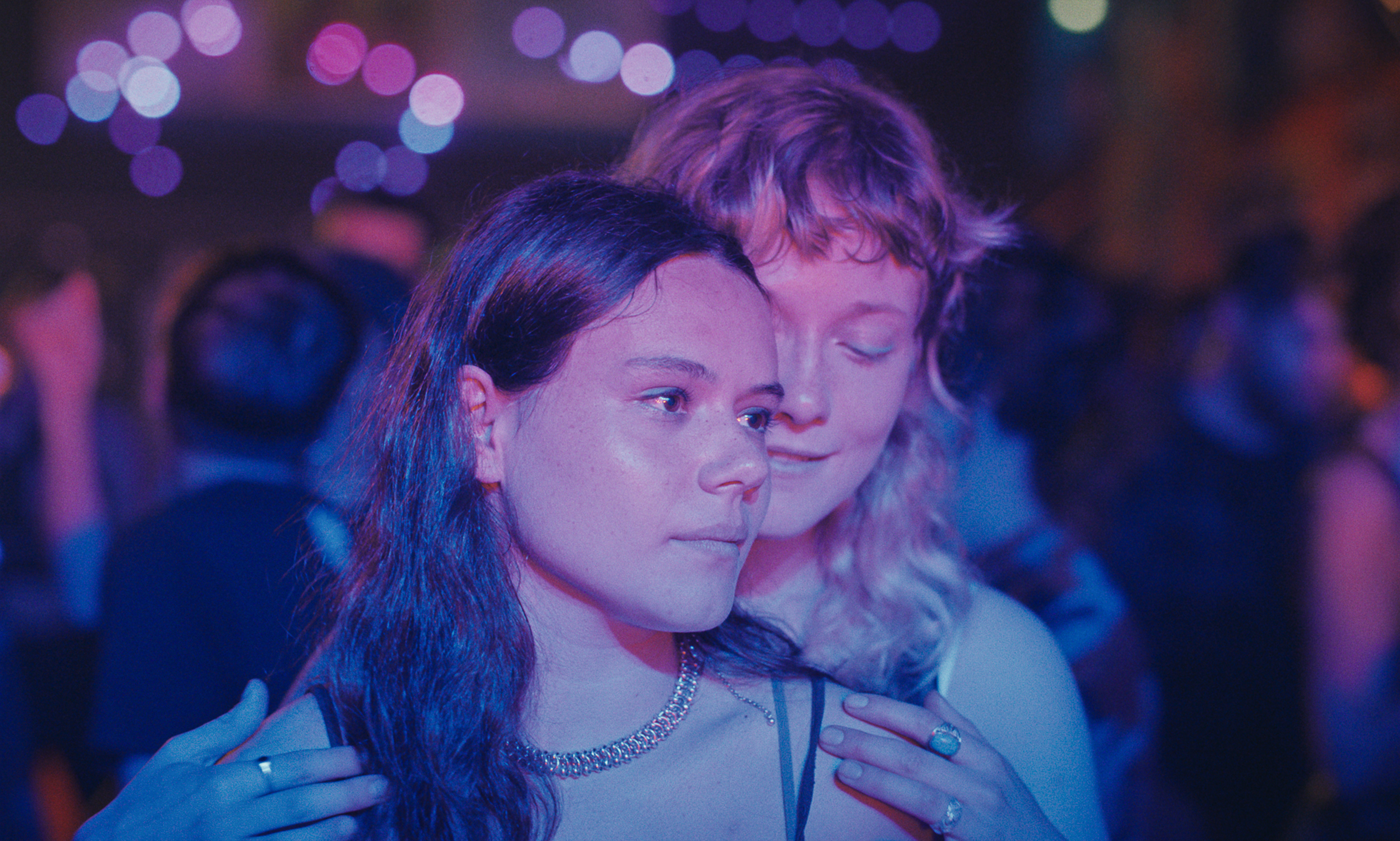
In a fraught exchange between Leipzig and Strasbourg, Fanny and Lena warm to each other while the situation around them heats up. As it gets harder to parse fact from fiction, too much trust and not enough, they look to protest movements to teach them what out-of-control adults cannot. Writer-director Claire Burger’s nuanced drama is bracingly of-the-moment, capturing topical issues with a foreboding sense of longing and imminent disaster, and inspiring fiery performances from her leads, including Nina Hoss as a mother undone. After an initially cold reception from Lena (Josefa Heinsius) when she arrives in Germany, 17-year-old Fanny (Lilith Grasmug) will do anything to ingratiate herself with her prickly pen pal. Chocolate-covered shrooms, sexual experimentation, bonding over Antifa and black bloc protest movements—each attempt at connection becomes more daring than the one before, their “Franco-German friendship” mirroring the heated clashes of our time. When the school exchange is flipped, and Lena is now the fish out of water in France, giving into the attraction sizzling under her animosity will mean coming to terms with a world tearing apart at the seams and the fantasies built up to survive it.

PosterFeature
Baby (EN)[COMPETITION]107 minutes

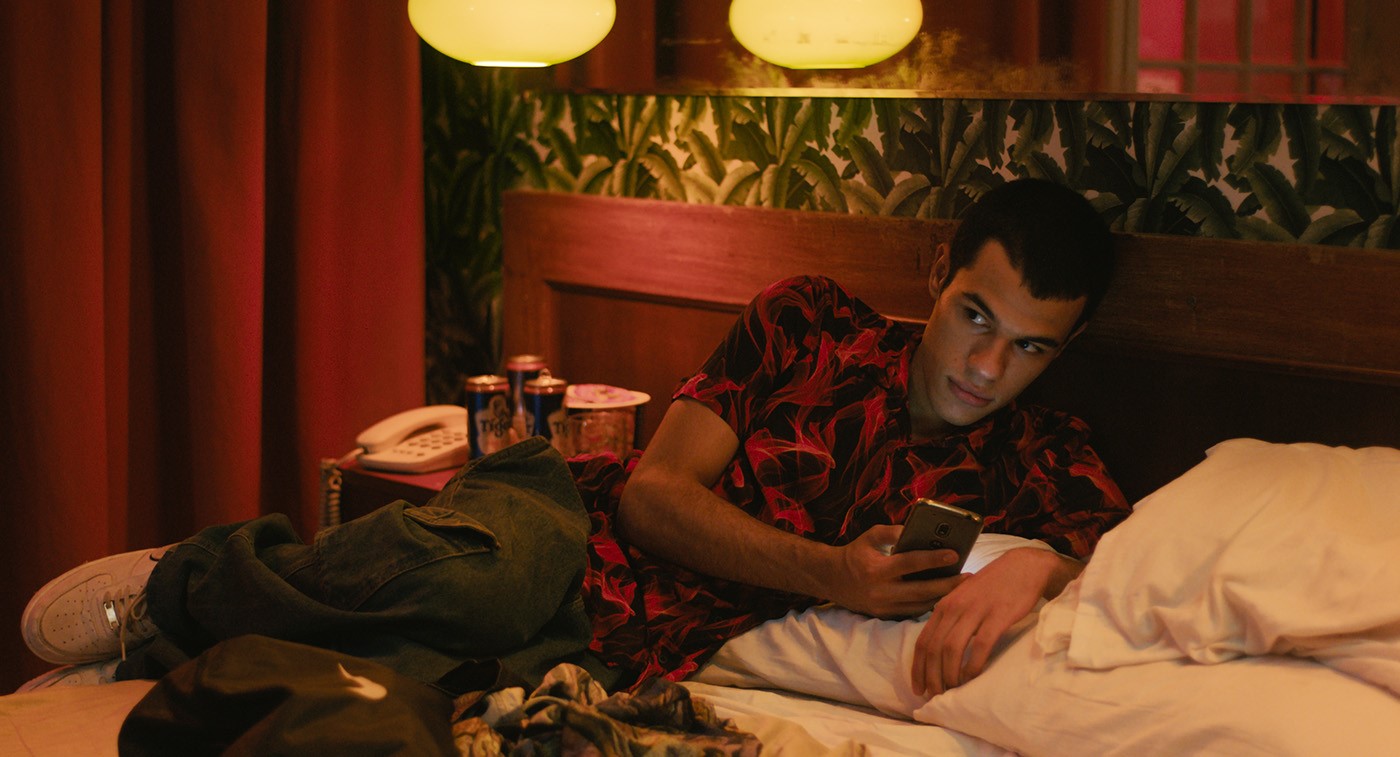
PORTUGUESE • ENGLISH ST | Wellington (defiantly nicknamed Baby) trades his detention centre cell for the streets of São Paulo, absorbed into the life of an in-demand “escort” with old school methods. Torn between this erotic father figure, two chosen families, and the mother who left him, Wellington must discern which link is the strongest. Against a backdrop of corrupt cops, vengeful kingpins, and Brazilian ball culture, maybe-18-year-old Wellington (João Pedro Mariano) falls for 42-year-old sex worker cum drug dealer Ronaldo (Ricardo Teodoro), who has a son not much younger than Wellington being raised by lesbian mothers. The two share a charged, teasing bond with yo-yoing power dynamics. Wellington softens Ronaldo, schooling him in voguing’s ebullience and showing him his battle scars, while Ronaldo grounds his protege, giving him boxing lessons while doling out paternal advice and setting strict boundaries. Boundaries that Ronaldo is desperate to maintain and Wellington comes to resent when youthful potential and a biological parent draw him away. Propelled by Marcelo Caetano’s stylish direction, this gritty coming-of-age tale wrestles with themes of love and coercion, considering what’s still possible for a restless heart when a ‘baby’ becomes a man.

PosterDocumentaryVIRTUAL EXCLUSIVE
Nanekawâsis[Indigiqueer]80 minutes

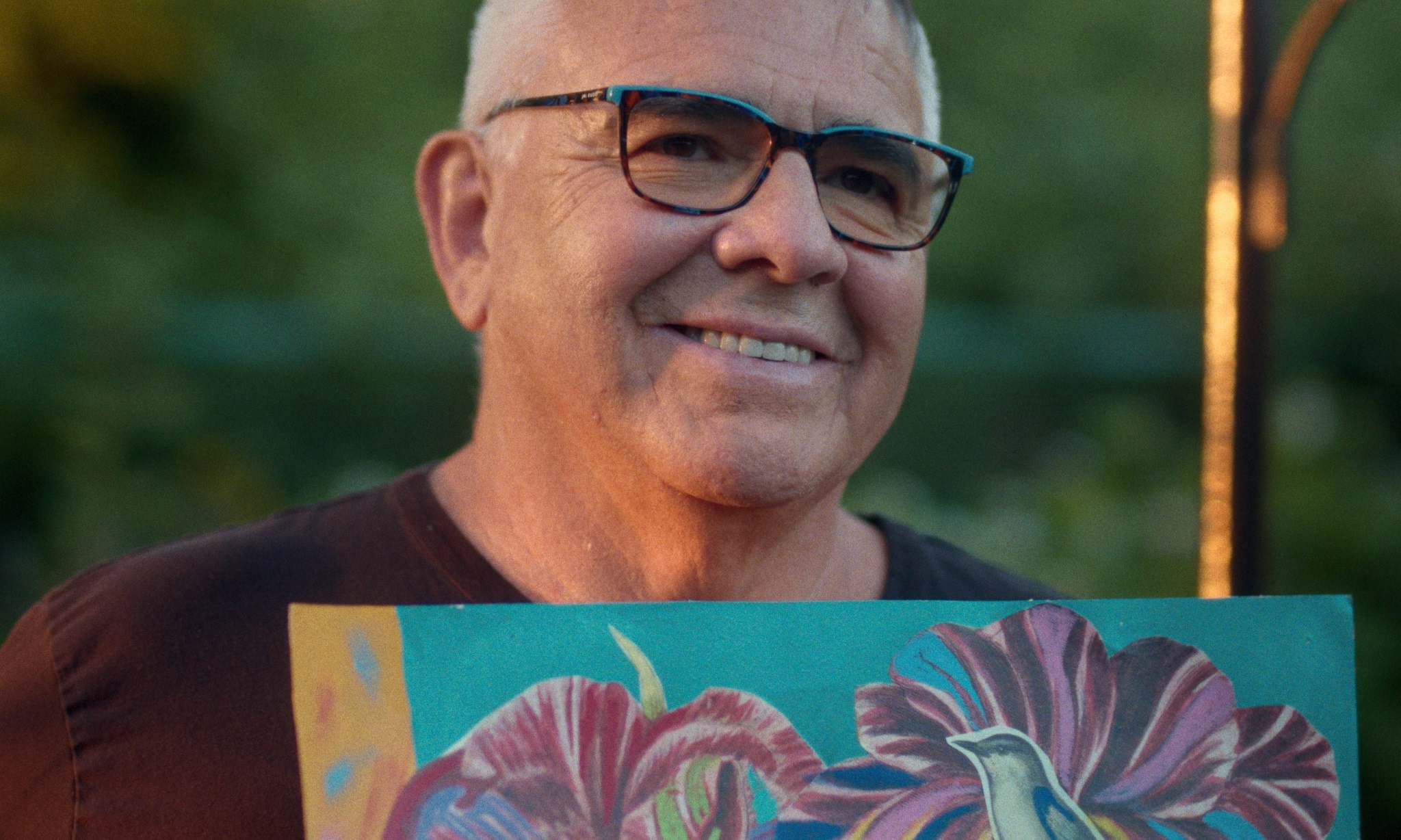
The work of Two-Spirit, nêhiyaw (Cree) artist George Littlechild took the reality of residential schools head-on decades before it would enter the collective Canadian conscience. A Sixties Scoop survivor, Littlechild uses his “whimsical,” improvised technique to unlock colourful exuberance and long-held trauma. Conor McNally, a Métis filmmaker, honours his journey. Littlechild was given his great grandfather’s name, nanekawâsis, at a Powwow in 2001. Both Littlechild and the eponymously named film embody its meaning: “swift child.” As we pay witness to a childhood shuffled between foster homes and Littlechild’s emergence as a fleet-fingered artist, the documentary makes fluid connections between past and present. Archival footage blends with warmly tinted 16mm interviews of 65-year-old Littlechild, still evolving in his practice, still passing on his deeply felt knowledge of his ancestry and “Rainbow” spirit. Whereas his partner, John Powell, uses art to govern his freewheeling tendencies, Littlechild harnesses paint to break free of his circumscribed daily life, healing himself and his audience through enlightened transcendence. nanekawâsis begins and ends with a sky full of colour, beautifully eliding time, revealing how light and dark, expectancy and reflection are all indispensable parts of life’s circle.

PosterDocumentary
Bulletproof: A Lesbian's Guide to Surviving the Plot[I+N Connexe]105 minutes

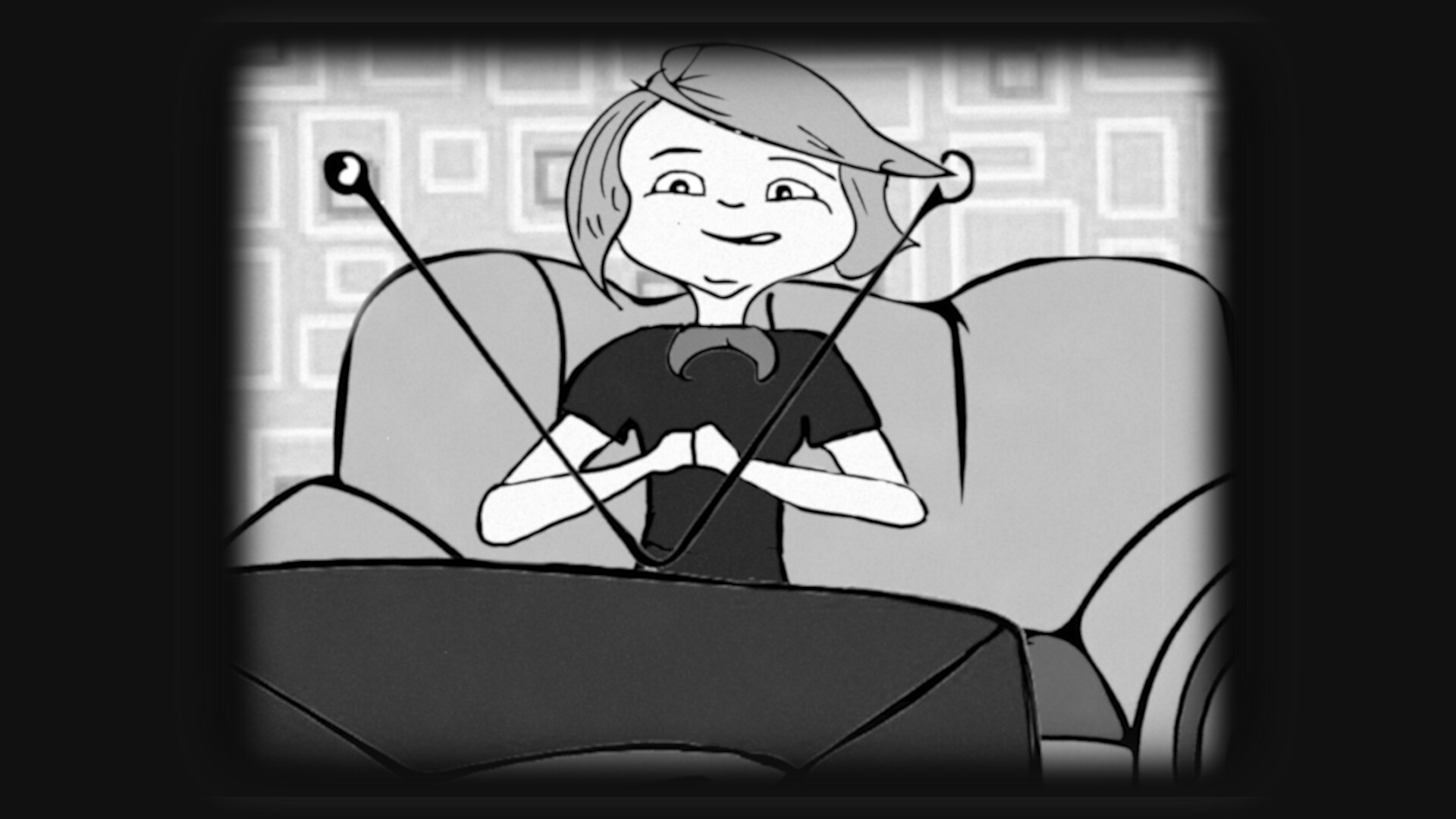
Spoiler alert: chances are if you were watching television in spring 2016, you witnessed the startling peak of the Bury Your Gays trope. LGBTQ+ females from Buffy’s Tara to The 100’s Lexa have gotten the axe and this wry exposé investigates the dismaying trend and ensuing sea change. Bouncing back and forth from Toronto to culture hubs like L.A. and London, Bulletproof unfolds like the plot of a great mystery. There are the victims: queer female characters. The murderers: harried television writers, showrunners, and producers who, for a myriad of reasons that the doc unpacks, have chosen to kill off fan-favourites. And then there are the detectives: a “rainbow network” of journalists, media psychologists, fan community leaders, and many more who dissect the catalysts and impacts of shifting queer depictions. Not to mention the documentarian themself, “gay as hell” TV junkie Regan Latimer on year six of what was supposed to be a one year project, uncovering personal, societal, and scientific revelations alongside their wise-cracking on-screen surrogate, Lindy Zucker. Through clever references and animation, Bulletproof proves that representation has life-or-death stakes and fantasy can be as essential as reality.

PosterFeatureVIRTUAL EXCLUSIVE
Out (EN)[ZEITGEIST]95 minutes

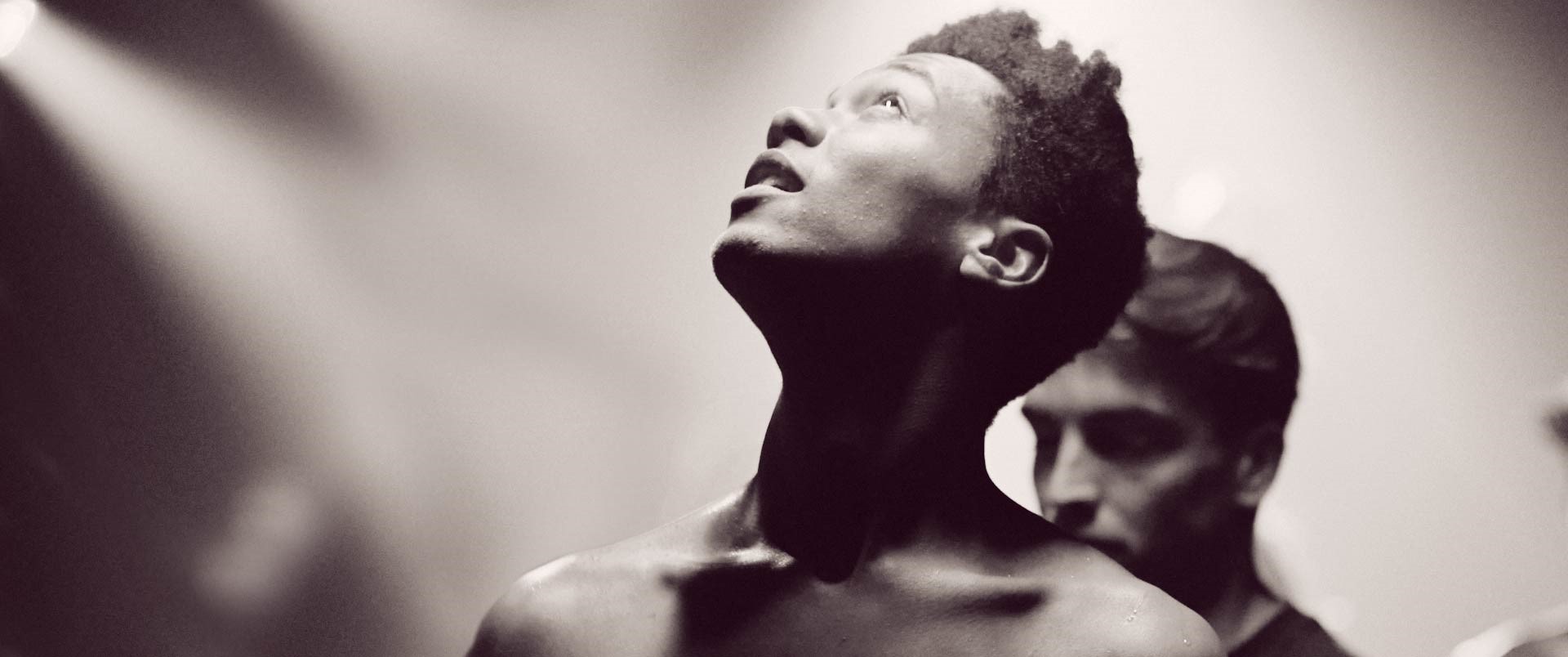
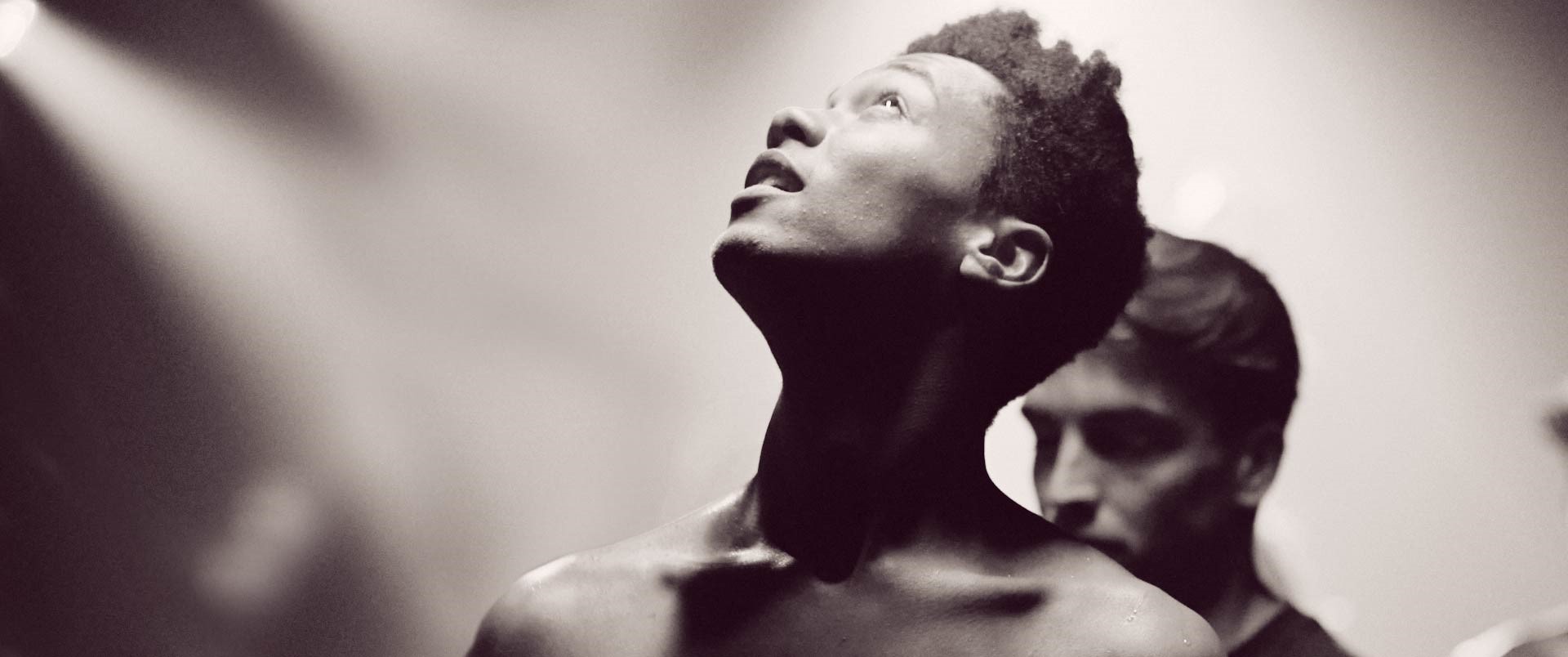
DUTCH • ENGLISH ST | Capturing the recklessness of youth and the excitement of newfound sexual liberties in sensuous black-and-white cinematography, Dennis Alink’s Out offers up a vivid and tender tale of being young and gay. Tom (Bas Keizer, in a star-making performance) and Ajani (an effervescent Jefferson Yaw Frempong-Manson) are closeted secondary school sweethearts who yearn for life outside of their small-minded, rural community in the Netherlands. Their solution is Amsterdam, where the queer scene is thriving and they can work at their dreams of becoming filmmakers. Quickly falling into the Dutch capital’s gay nightlife offers the pair some initial thrills: cheeky games of Never Have I Ever, limo rides across the city, eye-opening trips to the bathhouse. But the challenges quickly follow, pushing them to separately question: “Who am I, and where do I fit in?” Recalling such classic monochromatic films about wayward youth as The Last Picture Show and Gus Van Sant’s Mala Noche, Alink and his queer collaborators present a lived-in, piercing portrait that proves coming out isn’t just a pronouncement of one’s sexuality, it’s a simultaneously joyous and heartbreaking journey of self-discovery.

PosterFeatureVIRTUAL EXCLUSIVE
Out (FR)[ZEITGEIST]95 minutes

DUTCH • FRENCH ST | Capturing the recklessness of youth and the excitement of newfound sexual liberties in sensuous black-and-white cinematography, Dennis Alink’s Out offers up a vivid and tender tale of being young and gay. Tom (Bas Keizer, in a star-making performance) and Ajani (an effervescent Jefferson Yaw Frempong-Manson) are closeted secondary school sweethearts who yearn for life outside of their small-minded, rural community in the Netherlands. Their solution is Amsterdam, where the queer scene is thriving and they can work at their dreams of becoming filmmakers. Quickly falling into the Dutch capital’s gay nightlife offers the pair some initial thrills: cheeky games of Never Have I Ever, limo rides across the city, eye-opening trips to the bathhouse. But the challenges quickly follow, pushing them to separately question: “Who am I, and where do I fit in?” Recalling such classic monochromatic films about wayward youth as The Last Picture Show and Gus Van Sant’s Mala Noche, Alink and his queer collaborators present a lived-in, piercing portrait that proves coming out isn’t just a pronouncement of one’s sexuality, it’s a simultaneously joyous and heartbreaking journey of self-discovery.

PosterShort
La Rivière[COMPETITION]15 minutes

One afternoon, three high school students sneak out of their all-girls Catholic boarding school. Sunny, the new girl, has gone for a swim in the river. Sarah is eager to join her, even though Clémence disapproves.

PosterShort
Hello Stranger [MADE AU CANADA]16 minutes

Between loads of laundry at the corner laundromat, Cooper shares the tumultuous story of her gender reassignment journey.

PosterFeature
Duino (EN)[COMPETITION]108 minutes

SPANISH • ENGLISH ST | Argentinian filmmaker Matías is an intense perfectionist struggling to shape his autobiographical film as the past wriggles from his grip. Is Alexander—a dashing fabulist from Sweden he met in Italy as a boy—the lost love of his life? Or just a lovely, bittersweet dream? At the United World College of the Adriatic, with its diverse, exuberant student body, young Matías (Santiago Madrussan) finds a freedom he never knew in Argentina. There, he is befriended by Alexander (Oscar Morgan), whose rousing stories and bedroom eyes make the world more magical, and whose family’s vast holiday home becomes a memory palace for all that was left unsaid. In his 40s, Matías (co-writer/director Juan Pablo Di Pace) looks back at this time and, with a festival deadline looming, tries to fathom the sizzling closeness and coded interactions. A key piece of evidence lying dormant for when he least expects it. With its meta intrigues and captivating sweep, Duino is an elegiac masterwork crackling with swoon-worthy chemistry. A film that asks: how far are we willing to go for a proper conclusion, and what, in the end, remains voices in the wind?

PosterShort
Extras[COMPETITION]15 minutes

EXT. DAY - A sunny Sunday morning on a café terrace: Isabelle, an actor whose career is in a rut, meets Johanne, her agent, who might have a new part for her. Tension mounts both at the table and in the surroundings. Will expectations be met?

PosterFeature
Langue étrangère[ZEITGEIST]101 minutes

In a fraught exchange between Leipzig and Strasbourg, Fanny and Lena warm to each other while the situation around them heats up. As it gets harder to parse fact from fiction, too much trust and not enough, they look to protest movements to teach them what out-of-control adults cannot. Writer-director Claire Burger’s nuanced drama is bracingly of-the-moment, capturing topical issues with a foreboding sense of longing and imminent disaster, and inspiring fiery performances from her leads, including Nina Hoss as a mother undone. After an initially cold reception from Lena (Josefa Heinsius) when she arrives in Germany, 17-year-old Fanny (Lilith Grasmug) will do anything to ingratiate herself with her prickly pen pal. Chocolate-covered shrooms, sexual experimentation, bonding over Antifa and black bloc protest movements—each attempt at connection becomes more daring than the one before, their “Franco-German friendship” mirroring the heated clashes of our time. When the school exchange is flipped, and Lena is now the fish out of water in France, giving into the attraction sizzling under her animosity will mean coming to terms with a world tearing apart at the seams and the fantasies built up to survive it.

PosterFeature
Baby (EN)[COMPETITION]107 minutes

PORTUGUESE • ENGLISH ST | Wellington (defiantly nicknamed Baby) trades his detention centre cell for the streets of São Paulo, absorbed into the life of an in-demand “escort” with old school methods. Torn between this erotic father figure, two chosen families, and the mother who left him, Wellington must discern which link is the strongest. Against a backdrop of corrupt cops, vengeful kingpins, and Brazilian ball culture, maybe-18-year-old Wellington (João Pedro Mariano) falls for 42-year-old sex worker cum drug dealer Ronaldo (Ricardo Teodoro), who has a son not much younger than Wellington being raised by lesbian mothers. The two share a charged, teasing bond with yo-yoing power dynamics. Wellington softens Ronaldo, schooling him in voguing’s ebullience and showing him his battle scars, while Ronaldo grounds his protege, giving him boxing lessons while doling out paternal advice and setting strict boundaries. Boundaries that Ronaldo is desperate to maintain and Wellington comes to resent when youthful potential and a biological parent draw him away. Propelled by Marcelo Caetano’s stylish direction, this gritty coming-of-age tale wrestles with themes of love and coercion, considering what’s still possible for a restless heart when a ‘baby’ becomes a man.

PosterDocumentaryVIRTUAL EXCLUSIVE
Nanekawâsis[Indigiqueer]80 minutes

The work of Two-Spirit, nêhiyaw (Cree) artist George Littlechild took the reality of residential schools head-on decades before it would enter the collective Canadian conscience. A Sixties Scoop survivor, Littlechild uses his “whimsical,” improvised technique to unlock colourful exuberance and long-held trauma. Conor McNally, a Métis filmmaker, honours his journey. Littlechild was given his great grandfather’s name, nanekawâsis, at a Powwow in 2001. Both Littlechild and the eponymously named film embody its meaning: “swift child.” As we pay witness to a childhood shuffled between foster homes and Littlechild’s emergence as a fleet-fingered artist, the documentary makes fluid connections between past and present. Archival footage blends with warmly tinted 16mm interviews of 65-year-old Littlechild, still evolving in his practice, still passing on his deeply felt knowledge of his ancestry and “Rainbow” spirit. Whereas his partner, John Powell, uses art to govern his freewheeling tendencies, Littlechild harnesses paint to break free of his circumscribed daily life, healing himself and his audience through enlightened transcendence. nanekawâsis begins and ends with a sky full of colour, beautifully eliding time, revealing how light and dark, expectancy and reflection are all indispensable parts of life’s circle.

PosterDocumentary
Bulletproof: A Lesbian's Guide to Surviving the Plot[I+N Connexe]105 minutes

Spoiler alert: chances are if you were watching television in spring 2016, you witnessed the startling peak of the Bury Your Gays trope. LGBTQ+ females from Buffy’s Tara to The 100’s Lexa have gotten the axe and this wry exposé investigates the dismaying trend and ensuing sea change. Bouncing back and forth from Toronto to culture hubs like L.A. and London, Bulletproof unfolds like the plot of a great mystery. There are the victims: queer female characters. The murderers: harried television writers, showrunners, and producers who, for a myriad of reasons that the doc unpacks, have chosen to kill off fan-favourites. And then there are the detectives: a “rainbow network” of journalists, media psychologists, fan community leaders, and many more who dissect the catalysts and impacts of shifting queer depictions. Not to mention the documentarian themself, “gay as hell” TV junkie Regan Latimer on year six of what was supposed to be a one year project, uncovering personal, societal, and scientific revelations alongside their wise-cracking on-screen surrogate, Lindy Zucker. Through clever references and animation, Bulletproof proves that representation has life-or-death stakes and fantasy can be as essential as reality.

PosterFeatureVIRTUAL EXCLUSIVE
Out (EN)[ZEITGEIST]95 minutes

DUTCH • ENGLISH ST | Capturing the recklessness of youth and the excitement of newfound sexual liberties in sensuous black-and-white cinematography, Dennis Alink’s Out offers up a vivid and tender tale of being young and gay. Tom (Bas Keizer, in a star-making performance) and Ajani (an effervescent Jefferson Yaw Frempong-Manson) are closeted secondary school sweethearts who yearn for life outside of their small-minded, rural community in the Netherlands. Their solution is Amsterdam, where the queer scene is thriving and they can work at their dreams of becoming filmmakers. Quickly falling into the Dutch capital’s gay nightlife offers the pair some initial thrills: cheeky games of Never Have I Ever, limo rides across the city, eye-opening trips to the bathhouse. But the challenges quickly follow, pushing them to separately question: “Who am I, and where do I fit in?” Recalling such classic monochromatic films about wayward youth as The Last Picture Show and Gus Van Sant’s Mala Noche, Alink and his queer collaborators present a lived-in, piercing portrait that proves coming out isn’t just a pronouncement of one’s sexuality, it’s a simultaneously joyous and heartbreaking journey of self-discovery.

PosterFeatureVIRTUAL EXCLUSIVE
Out (FR)[ZEITGEIST]95 minutes

DUTCH • FRENCH ST | Capturing the recklessness of youth and the excitement of newfound sexual liberties in sensuous black-and-white cinematography, Dennis Alink’s Out offers up a vivid and tender tale of being young and gay. Tom (Bas Keizer, in a star-making performance) and Ajani (an effervescent Jefferson Yaw Frempong-Manson) are closeted secondary school sweethearts who yearn for life outside of their small-minded, rural community in the Netherlands. Their solution is Amsterdam, where the queer scene is thriving and they can work at their dreams of becoming filmmakers. Quickly falling into the Dutch capital’s gay nightlife offers the pair some initial thrills: cheeky games of Never Have I Ever, limo rides across the city, eye-opening trips to the bathhouse. But the challenges quickly follow, pushing them to separately question: “Who am I, and where do I fit in?” Recalling such classic monochromatic films about wayward youth as The Last Picture Show and Gus Van Sant’s Mala Noche, Alink and his queer collaborators present a lived-in, piercing portrait that proves coming out isn’t just a pronouncement of one’s sexuality, it’s a simultaneously joyous and heartbreaking journey of self-discovery.