Image+Nation
Duino (EN)

Duino (EN)

JUAN PABLO DI PACE + ANDRÉS PEPE ESTRADA | USA + ARGENTINA + ITALY | 2024 | 108 MIN | SPANISH EST

JUAN PABLO DI PACE + ANDRÉS PEPE ESTRADA | USA + ARGENTINA + ITALY | 2024 | 108 MIN | SPANISH EST

FeatureCOMPETITION

Synopsis

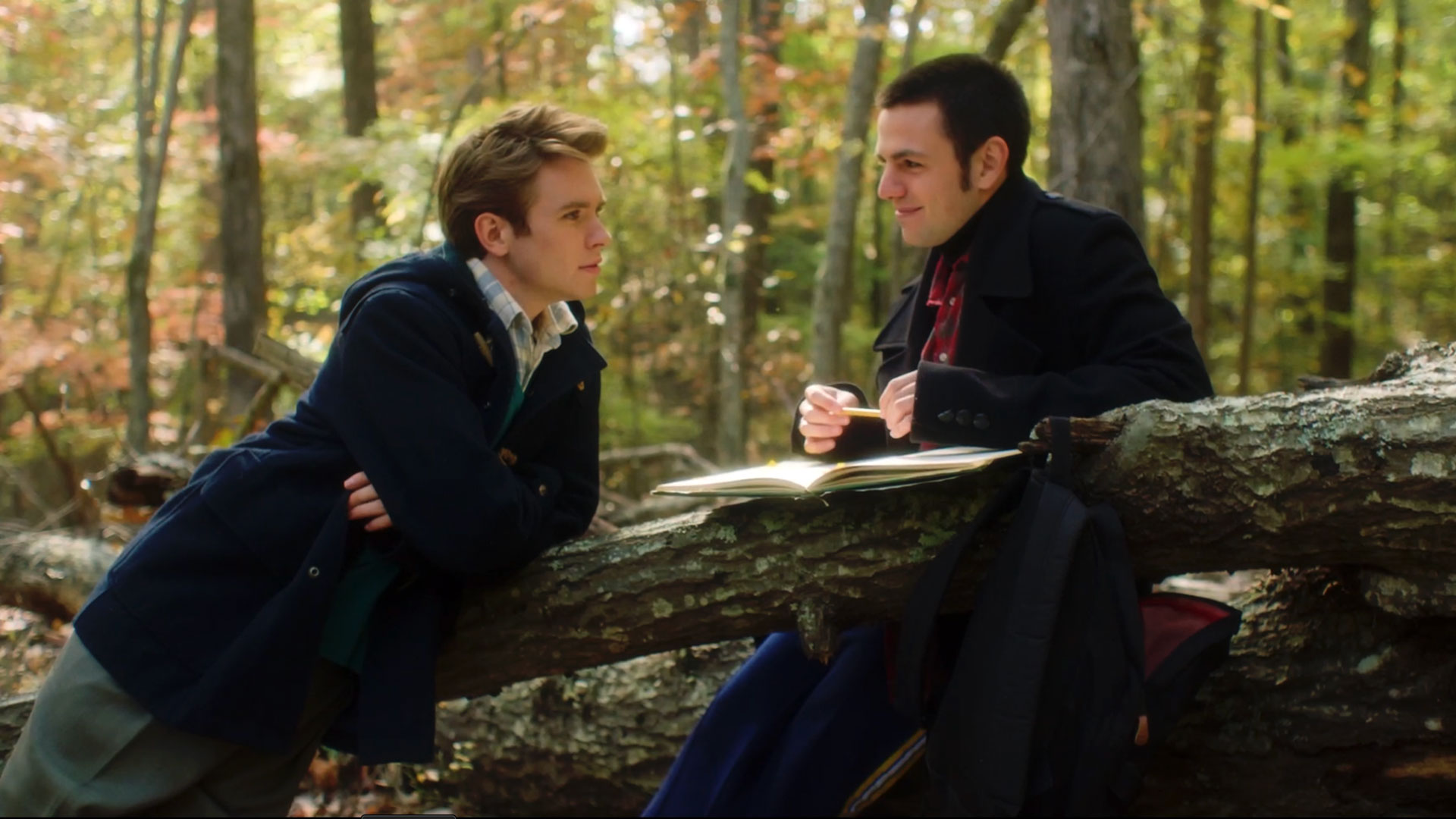
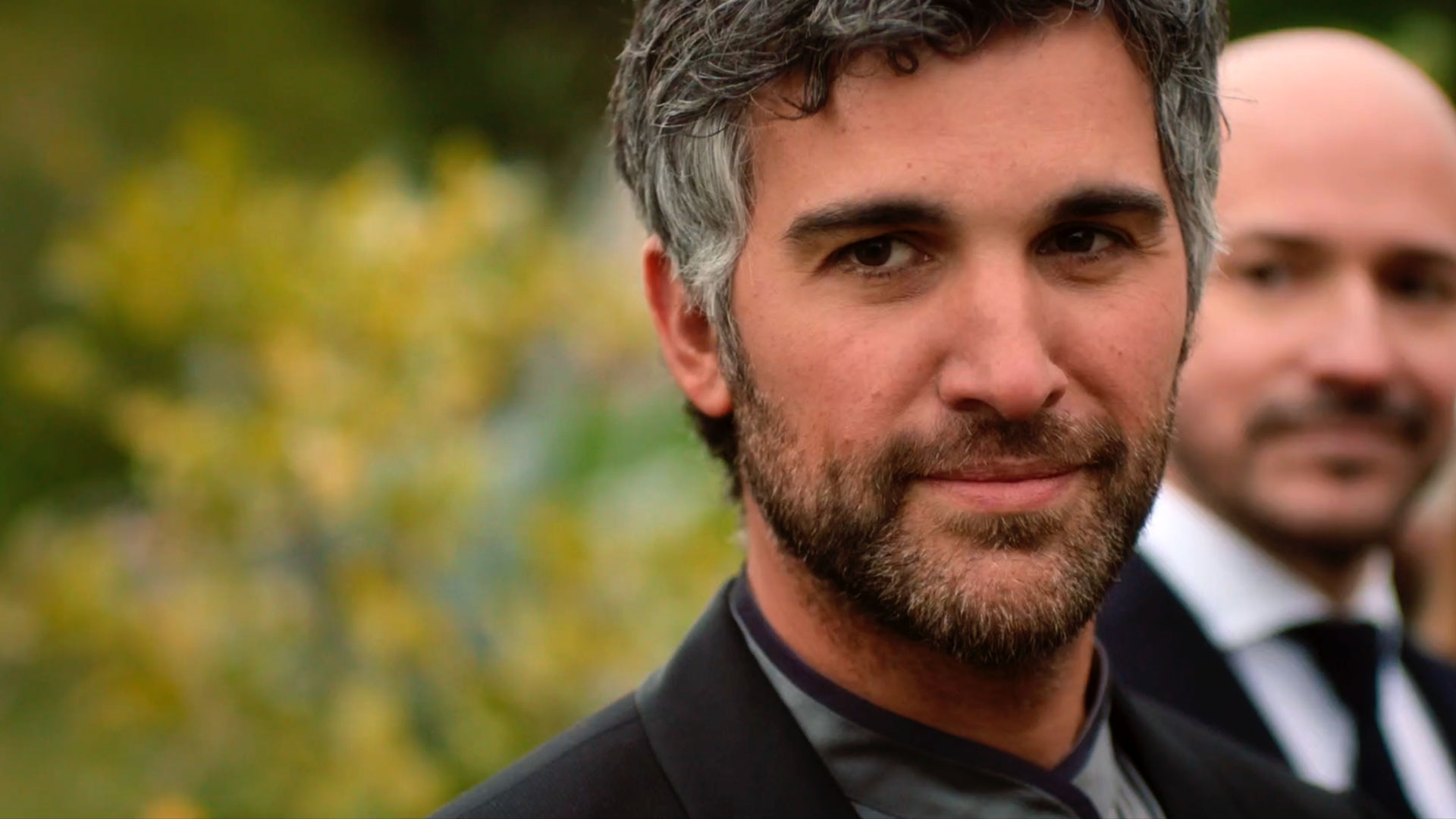
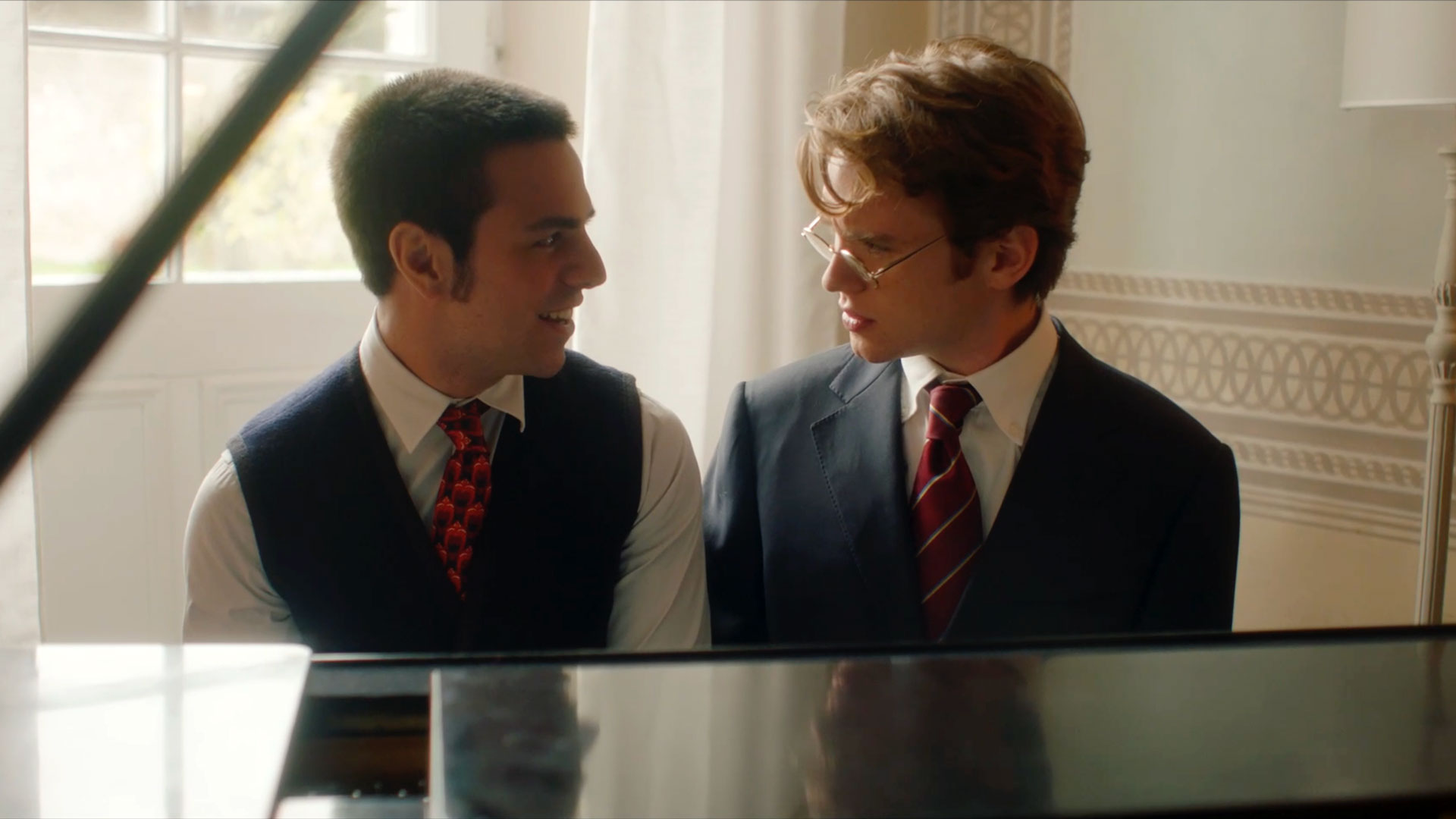
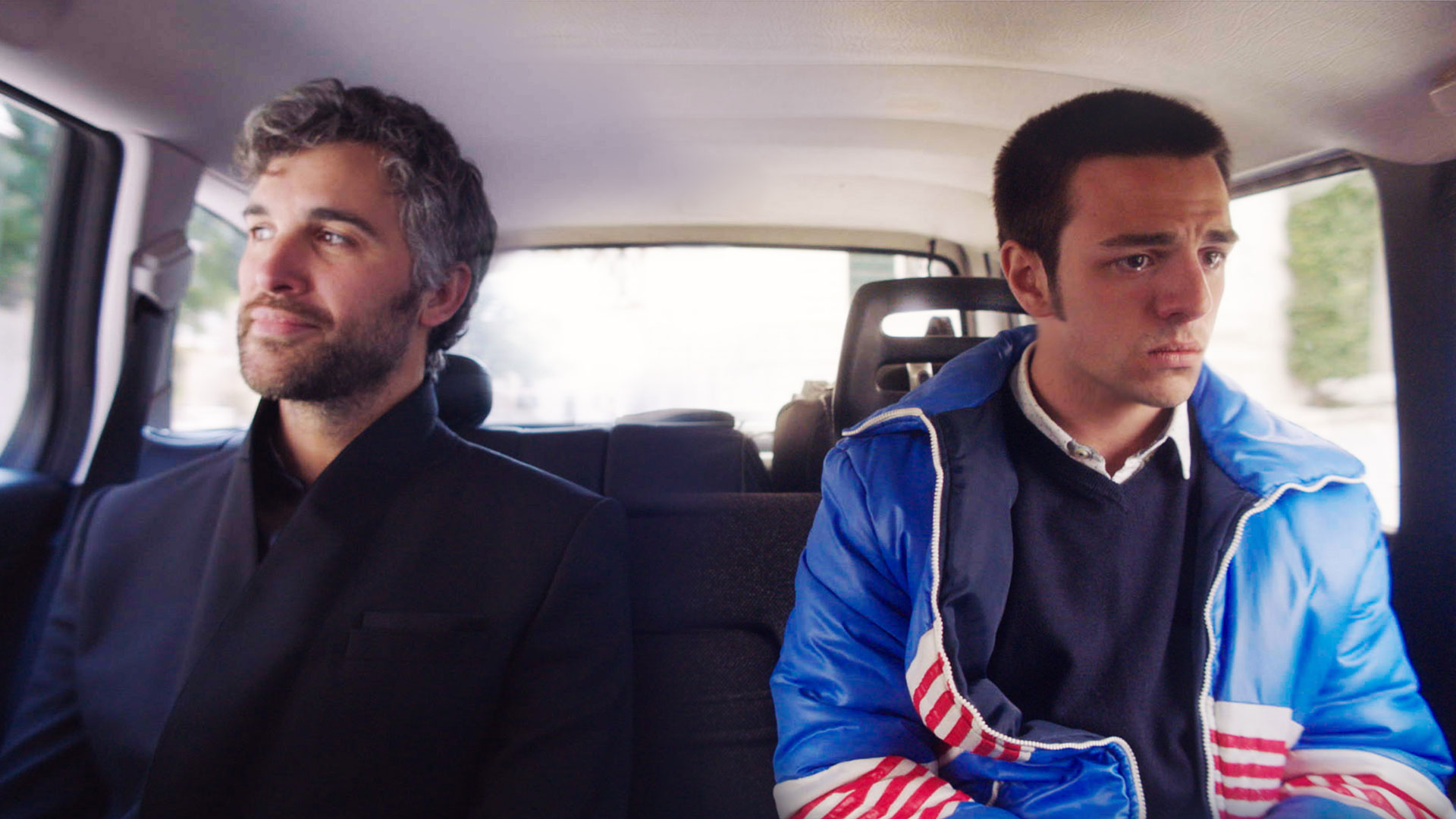
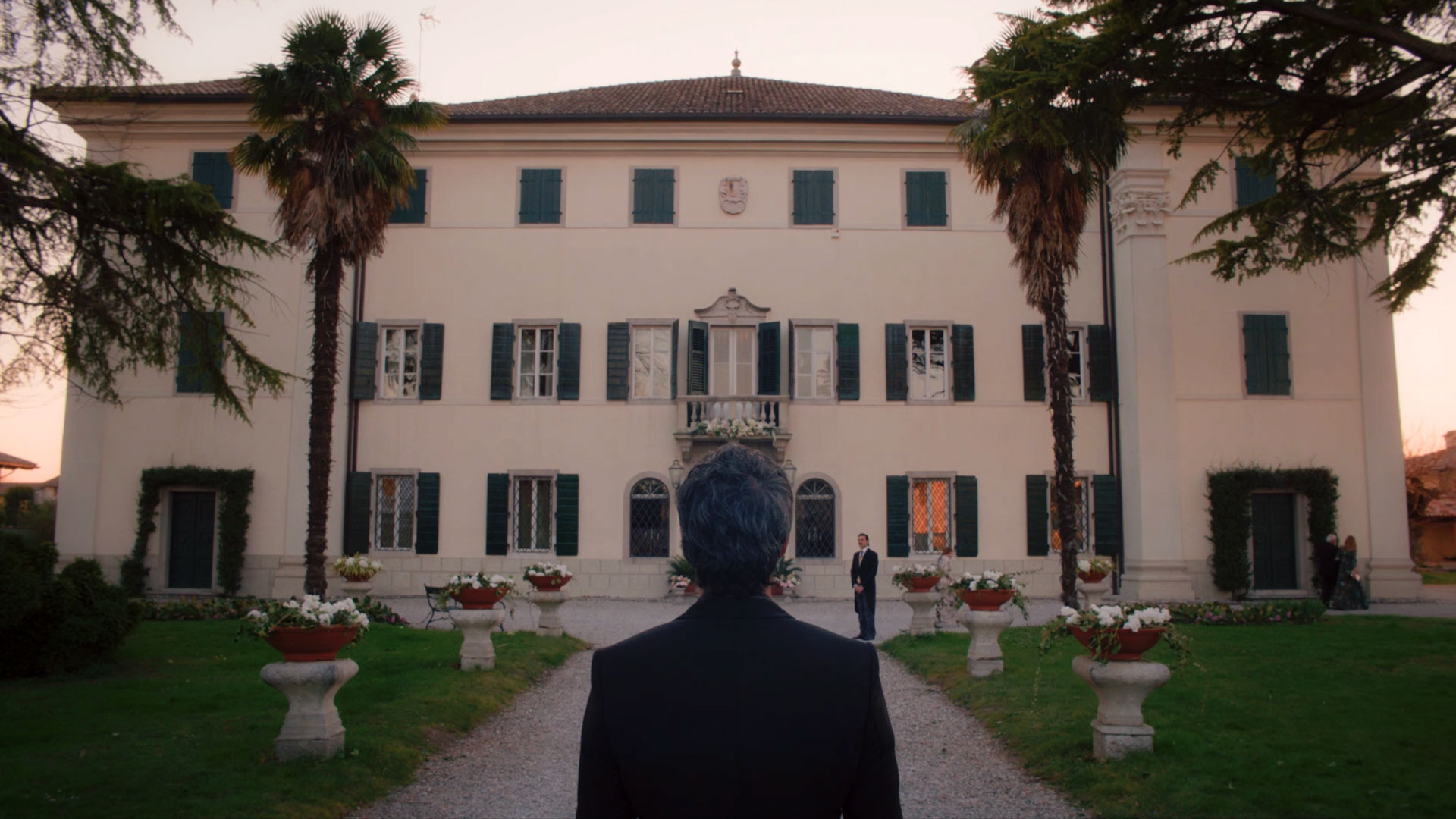
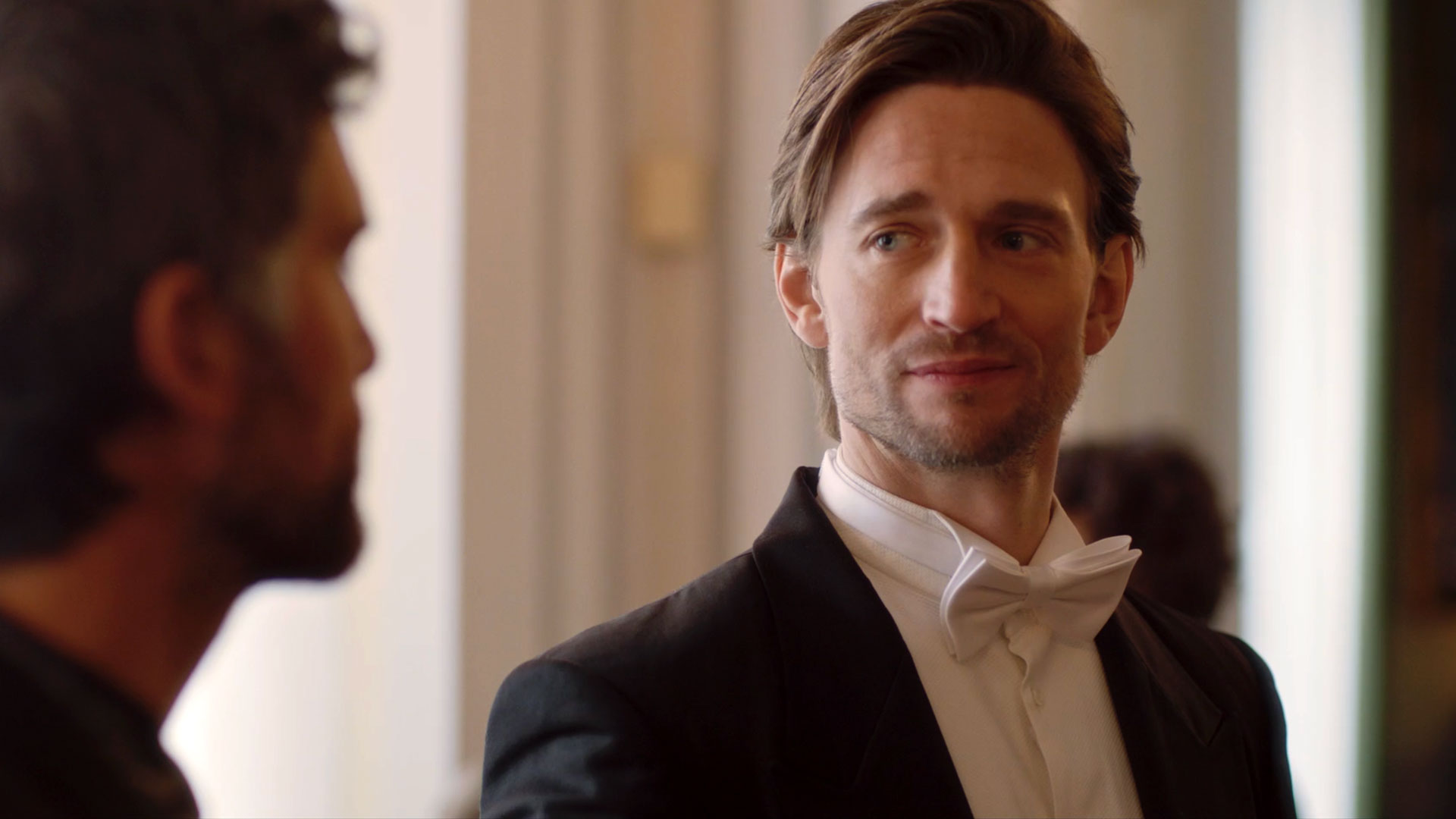
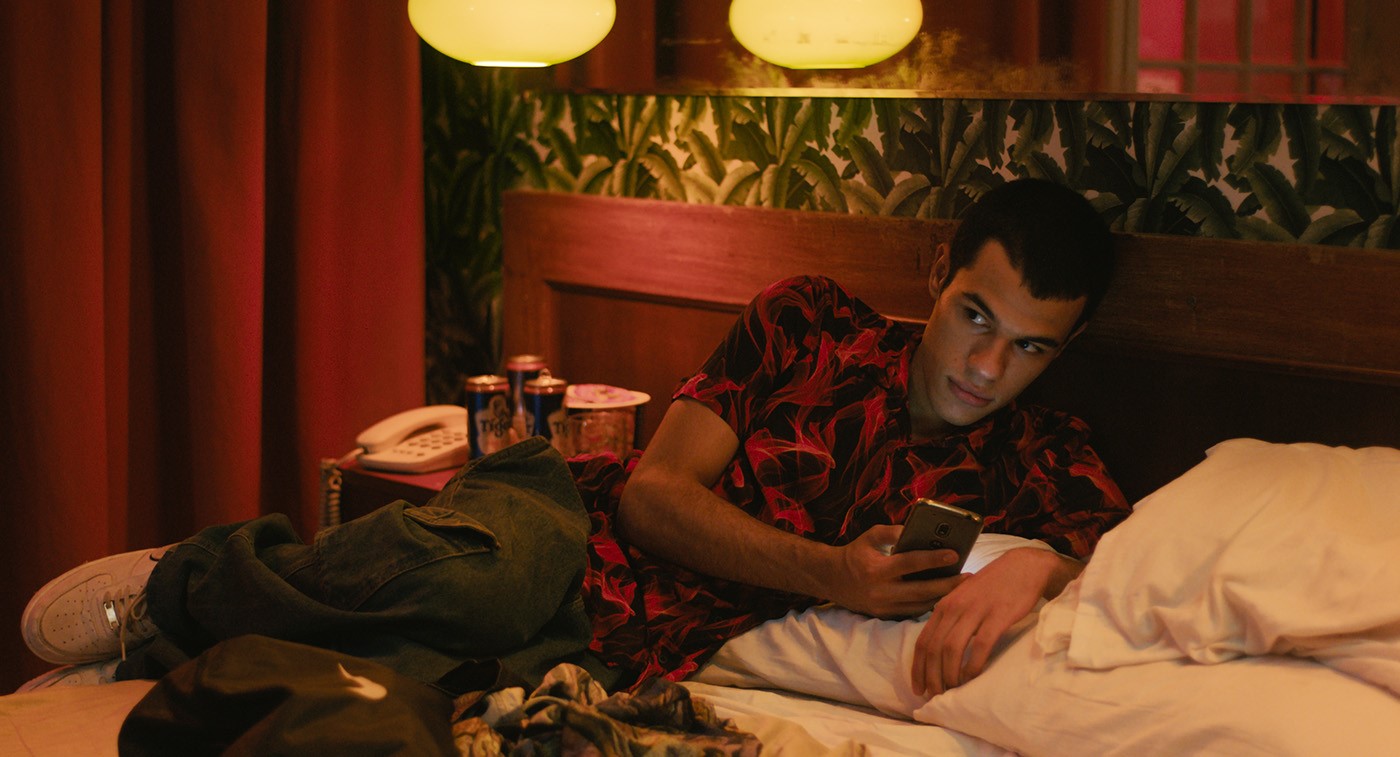
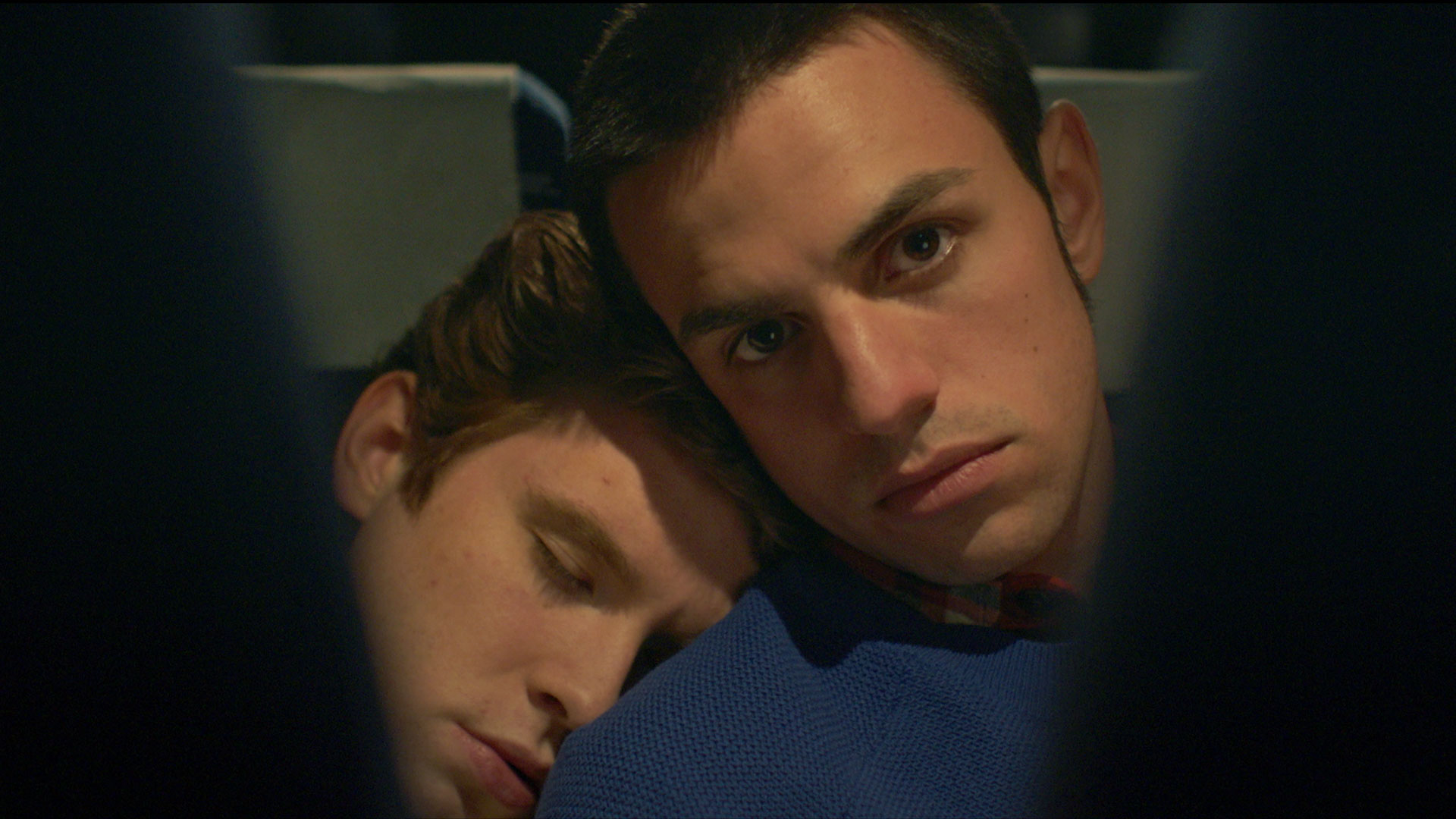
SPANISH • ENGLISH ST | Argentinian filmmaker Matías is an intense perfectionist struggling to shape his autobiographical film as the past wriggles from his grip. Is Alexander—a dashing fabulist from Sweden he met in Italy as a boy—the lost love of his life? Or just a lovely, bittersweet dream? At the United World College of the Adriatic, with its diverse, exuberant student body, young Matías (Santiago Madrussan) finds a freedom he never knew in Argentina. There, he is befriended by Alexander (Oscar Morgan), whose rousing stories and bedroom eyes make the world more magical, and whose family’s vast holiday home becomes a memory palace for all that was left unsaid. In his 40s, Matías (co-writer/director Juan Pablo Di Pace) looks back at this time and, with a festival deadline looming, tries to fathom the sizzling closeness and coded interactions. A key piece of evidence lying dormant for when he least expects it. With its meta intrigues and captivating sweep, Duino is an elegiac masterwork crackling with swoon-worthy chemistry. A film that asks: how far are we willing to go for a proper conclusion, and what, in the end, remains voices in the wind?

Filmmaker Bio

Andres is a Spanish director/composer/editor living in Buenos Aires. He studied Film at the Buenos Aires Film University and in Rome's Cinecittá. Andres edited Santiago Mitre’s Argentina 1985, which recently won the Golden Globes and was nominated for Best Foreign Film at the Academy Awards. Since 2002 he has worked extensively as a film editor in many Latin American staple films. He also worked in the editing team of Tetro by Francis Ford Coppola. Andres’ directorial work includes Big For The City and Admission. Duino is Andres’ debut feature as director with his long time friend Juan Pablo Di Pace.

Filmmaker Bio

Juan Pablo was born in Buenos Aires and has lived in London, Trieste, Madrid and currently resides in the US. A self-proclaimed "storyteller" Juan Pablo dances between music, film and directorial projects. On T.V and film, he is best known for playing the passionate Fernando on Netflix's Emmy nominated Fuller House. As a filmmaker, Juan Pablo has written and directed several short films and is developing three feature films. Prior to joining the big screen, he appeared in Bob Fosse's musical Chicago in London.

Producer

Jim Burba, Kristen Carroll, Juan Pablo Di Pace, Guillermo na, Kent Robert Gibbons, Juan Ignacio Gorelik, Martín Granados, Bob Hayes, Margret H. Huddleston, Norman Lear, Amanda Lenker Doyle, Massimiliano Milic, Brent Miller, Bobby Ralston, Michele Saragoni, Guido Segal, Stephanie Slack, Alvaro R. Valente

Writer

Juan Pablo Di Pace, Andrés Pepe Estrada

Cinematographer

Devin Doyle

Cast

  • an Pablo Di Pace
  • Santiago Madrussan
Image
Image
Image
Image
Image
Image
Image
Image
Image
Image
Image
Image

You might also like

PosterMade au CanadaCompetitionFeature
Made au Canada IconCompetition Icon
We Forgot to Break Up[I+N Connexe]93 minutes

In the vein of the Tony award-winning musical Stereophonic, this must-see drama is a Behind the Music-style glimpse of a 2000s Toronto indie band with Fleetwood Mac-like flare ups. With a trans frontman and queer members, The New Normals break boundaries while breaking one another’s hearts. Building off the source material, the novel Heidegger Stairwell by Kayt Burgess, Karen Knox maintains balletic control of multiple perspectives and aesthetics, following how each of the five core members handles firsts: first music video, first phone sex job, first love triangle. Music saves this close-knit crew from quarrels when it’s not causing them, but it’s the in-fighting, the “threads of connection and tension” that keep their audience hungering for more. Will the trans frontman (Lane Webber) stay with his queer girlfriend and songwriting partner (June Laporte) or find a different tune with Lugh (Daniel Gravelle)? Will the band survive or live on only in tribute? These concerns converge in a film charged with envy, creative friendship, and reckless love, and chock-full of pedigreed talent, including co-writing credits from award-winning Canadian writer, Zoe Whittall and festival alumni, Pat Mills as well as original songs from Stars’ Torquil Campbell.

PosterCompetitionDocumentaryVIRTUAL EXCLUSIVE
Competition Icon
Si je meurs, ce sera de joie (If I die, It'll be of Joy)[COMPETITION]80 minutes

Outspoken Micheline (81) and sensitive artist Yves (68) have “insatiable” longings for sexual and relational intimacy. Francis (70) is a proudly “loudmouth(ed)” activist who wants to ensure that yearnings become reality. All, under the banner of Grey Pride, have no less an ambition than to change the world. Able to detect, as a minority, things that are unjust to all, queer seniors in France are revealing universal truths about the cult of youth and the medicalization of old age. These Grey Priders are combatting indifference, overhauling the nursing home model, and rethinking how spaces for the elderly accommodate libidos. Micheline, Yves, and Francis may have had their sex lives stifled by repression, loneliness, or AIDS, but they are far from ready to enter “The Zone” of societal relegation. They are prepared to take on embedded prejudices, as well as partners and friends with divergent views on death, in their revolutionary intentions. With stirring poeticism—seasons redolent of adaptation; trees symbolizing how bodies bend or break; desire represented by a glowing red sex toy—filmmaker Alexis Taillant shows us what it means to live “a quiet, wild life.”

PosterCompetitionFeature
Competition Icon
Duino (FR)[COMPETITION]108 minutes

SPANISH • FRENCH ST | Argentinian filmmaker Matías is an intense perfectionist struggling to shape his autobiographical film as the past wriggles from his grip. Is Alexander—a dashing fabulist from Sweden he met in Italy as a boy—the lost love of his life? Or just a lovely, bittersweet dream? At the United World College of the Adriatic, with its diverse, exuberant student body, young Matías (Santiago Madrussan) finds a freedom he never knew in Argentina. There, he is befriended by Alexander (Oscar Morgan), whose rousing stories and bedroom eyes make the world more magical, and whose family’s vast holiday home becomes a memory palace for all that was left unsaid. In his 40s, Matías (co-writer/director Juan Pablo Di Pace) looks back at this time and, with a festival deadline looming, tries to fathom the sizzling closeness and coded interactions. A key piece of evidence lying dormant for when he least expects it. With its meta intrigues and captivating sweep, Duino is an elegiac masterwork crackling with swoon-worthy chemistry. A film that asks: how far are we willing to go for a proper conclusion, and what, in the end, remains voices in the wind?

PosterCompetitionFeatureVIRTUAL EXCLUSIVE
Competition Icon
Out (FR)[ZEITGEIST]95 minutes

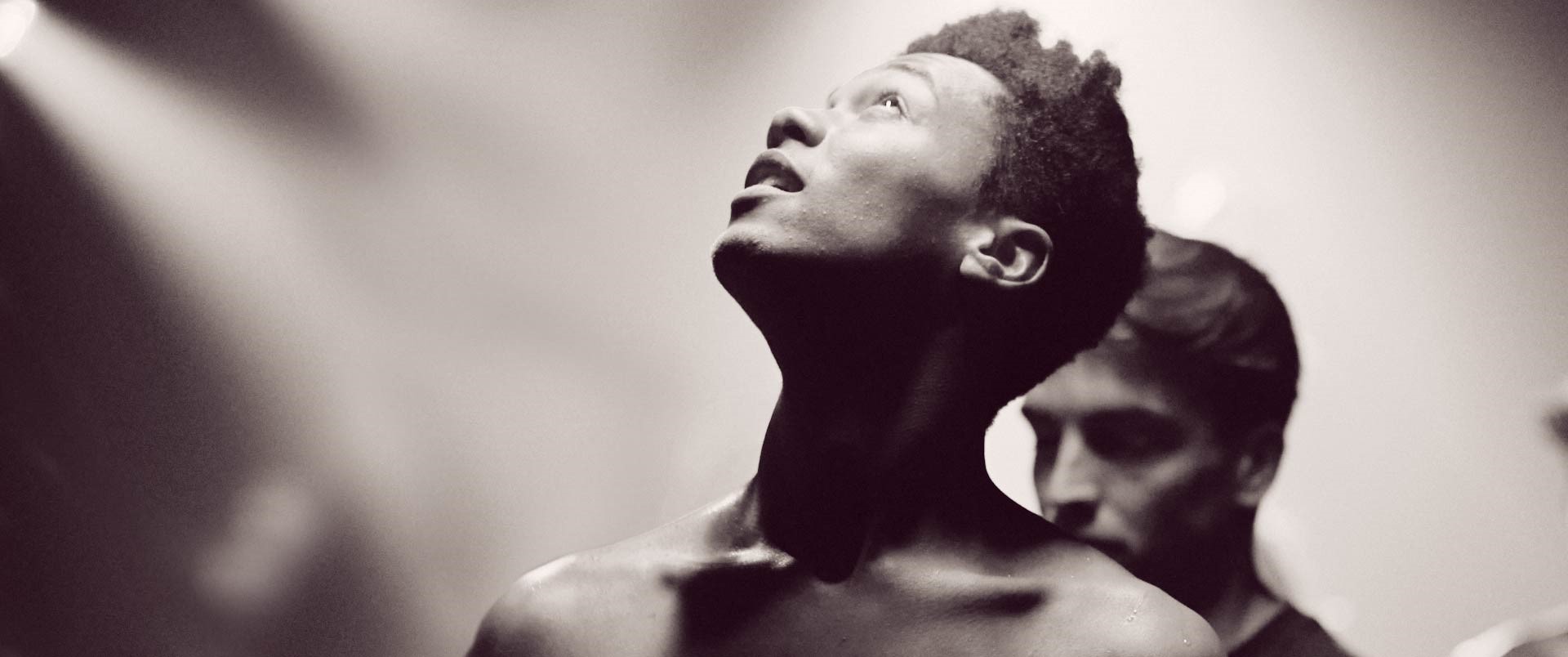
DUTCH • FRENCH ST | Capturing the recklessness of youth and the excitement of newfound sexual liberties in sensuous black-and-white cinematography, Dennis Alink’s Out offers up a vivid and tender tale of being young and gay. Tom (Bas Keizer, in a star-making performance) and Ajani (an effervescent Jefferson Yaw Frempong-Manson) are closeted secondary school sweethearts who yearn for life outside of their small-minded, rural community in the Netherlands. Their solution is Amsterdam, where the queer scene is thriving and they can work at their dreams of becoming filmmakers. Quickly falling into the Dutch capital’s gay nightlife offers the pair some initial thrills: cheeky games of Never Have I Ever, limo rides across the city, eye-opening trips to the bathhouse. But the challenges quickly follow, pushing them to separately question: “Who am I, and where do I fit in?” Recalling such classic monochromatic films about wayward youth as The Last Picture Show and Gus Van Sant’s Mala Noche, Alink and his queer collaborators present a lived-in, piercing portrait that proves coming out isn’t just a pronouncement of one’s sexuality, it’s a simultaneously joyous and heartbreaking journey of self-discovery.

PosterCompetitionShort
Competition Icon
La Rivière[COMPETITION]15 minutes

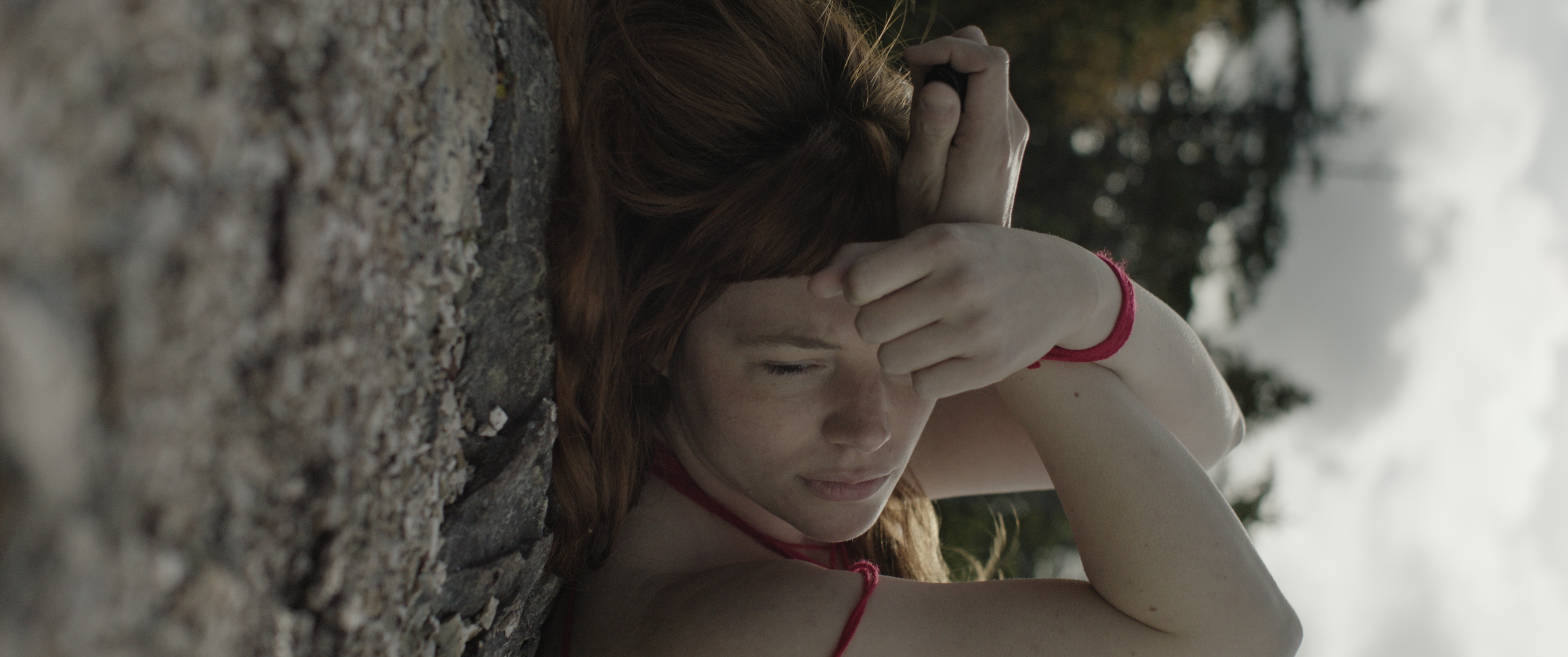
One afternoon, three high school students sneak out of their all-girls Catholic boarding school. Sunny, the new girl, has gone for a swim in the river. Sarah is eager to join her, even though Clémence disapproves.

PosterCompetitionDocumentaryVIRTUAL EXCLUSIVE
Competition Icon
Nanekawâsis[Indigiqueer]80 minutes

The work of Two-Spirit, nêhiyaw (Cree) artist George Littlechild took the reality of residential schools head-on decades before it would enter the collective Canadian conscience. A Sixties Scoop survivor, Littlechild uses his “whimsical,” improvised technique to unlock colourful exuberance and long-held trauma. Conor McNally, a Métis filmmaker, honours his journey. Littlechild was given his great grandfather’s name, nanekawâsis, at a Powwow in 2001. Both Littlechild and the eponymously named film embody its meaning: “swift child.” As we pay witness to a childhood shuffled between foster homes and Littlechild’s emergence as a fleet-fingered artist, the documentary makes fluid connections between past and present. Archival footage blends with warmly tinted 16mm interviews of 65-year-old Littlechild, still evolving in his practice, still passing on his deeply felt knowledge of his ancestry and “Rainbow” spirit. Whereas his partner, John Powell, uses art to govern his freewheeling tendencies, Littlechild harnesses paint to break free of his circumscribed daily life, healing himself and his audience through enlightened transcendence. nanekawâsis begins and ends with a sky full of colour, beautifully eliding time, revealing how light and dark, expectancy and reflection are all indispensable parts of life’s circle.

PosterMade au CanadaCompetitionShort
Made au Canada IconCompetition Icon
Hello Stranger [MADE AU CANADA]16 minutes

Between loads of laundry at the corner laundromat, Cooper shares the tumultuous story of her gender reassignment journey.

PosterQueerment QuébecCompetitionShort
Queerment Québec IconCompetition Icon
Le flou des arbres (The Blurring of Trees)[COMPETITION]11 minutes

Two incarcerated women in a secure Northern Québec forest are subjected to the hard labour of reforestation. They enjoy a little area of freedom they’ve managed to create thanks to an empathetic prison guard.

PosterQueerment QuébecCompetitionShort
Queerment Québec IconCompetition Icon
Extras[COMPETITION]15 minutes

EXT. DAY - A sunny Sunday morning on a café terrace: Isabelle, an actor whose career is in a rut, meets Johanne, her agent, who might have a new part for her. Tension mounts both at the table and in the surroundings. Will expectations be met?

PosterMade au CanadaCompetitionFeatureVIRTUAL EXCLUSIVE
Made au Canada IconCompetition Icon
Drive Back Home[MADE AU CANADA]100 minutes

Inspired by true events, in 1970 an unorthodox mother sends her offbeat son from New Brunswick on a wintry cross-country mission past Quebec to retrieve his brother from Toronto after a public sex violation. Antics ensue in the Two-Solitudes atmosphere, bursting with revealing humour about brotherly love and French-English relations. In bravura performances, Alan Cumming plays motormouth Perley—dressed in an ushanka and ascot, taxidermied dog tucked under his arm—and Charlie Creed-Miles is Weldon—a gruff stoic in crooked glasses. These oddball siblings travel through frozen nights and across the language divide as they bicker, break down, and ultimately bond in their journey through central and eastern Canada. Weldon forced to confront the reality of Perley’s homosexuality (and his abject fear of being required to speak French) as he processes a horrific event from their past. After a lifetime of shutting down, a new set of dire circumstances has them opening their ears to hear one another’s stories. Award-winning filmmaker Michael Clowater, a master of wringing humour from pain, never loses sight of Perley and Weldon’s essential humanity among the pratfalls and bigotries, embedding beautiful truths in the film’s engrossing frictions.

PosterMade au CanadaCompetitionFeature
Made au Canada IconCompetition Icon
We Forgot to Break Up[I+N Connexe]93 minutes

In the vein of the Tony award-winning musical Stereophonic, this must-see drama is a Behind the Music-style glimpse of a 2000s Toronto indie band with Fleetwood Mac-like flare ups. With a trans frontman and queer members, The New Normals break boundaries while breaking one another’s hearts. Building off the source material, the novel Heidegger Stairwell by Kayt Burgess, Karen Knox maintains balletic control of multiple perspectives and aesthetics, following how each of the five core members handles firsts: first music video, first phone sex job, first love triangle. Music saves this close-knit crew from quarrels when it’s not causing them, but it’s the in-fighting, the “threads of connection and tension” that keep their audience hungering for more. Will the trans frontman (Lane Webber) stay with his queer girlfriend and songwriting partner (June Laporte) or find a different tune with Lugh (Daniel Gravelle)? Will the band survive or live on only in tribute? These concerns converge in a film charged with envy, creative friendship, and reckless love, and chock-full of pedigreed talent, including co-writing credits from award-winning Canadian writer, Zoe Whittall and festival alumni, Pat Mills as well as original songs from Stars’ Torquil Campbell.

PosterCompetitionDocumentaryVIRTUAL EXCLUSIVE
Competition Icon
Si je meurs, ce sera de joie (If I die, It'll be of Joy)[COMPETITION]80 minutes

Outspoken Micheline (81) and sensitive artist Yves (68) have “insatiable” longings for sexual and relational intimacy. Francis (70) is a proudly “loudmouth(ed)” activist who wants to ensure that yearnings become reality. All, under the banner of Grey Pride, have no less an ambition than to change the world. Able to detect, as a minority, things that are unjust to all, queer seniors in France are revealing universal truths about the cult of youth and the medicalization of old age. These Grey Priders are combatting indifference, overhauling the nursing home model, and rethinking how spaces for the elderly accommodate libidos. Micheline, Yves, and Francis may have had their sex lives stifled by repression, loneliness, or AIDS, but they are far from ready to enter “The Zone” of societal relegation. They are prepared to take on embedded prejudices, as well as partners and friends with divergent views on death, in their revolutionary intentions. With stirring poeticism—seasons redolent of adaptation; trees symbolizing how bodies bend or break; desire represented by a glowing red sex toy—filmmaker Alexis Taillant shows us what it means to live “a quiet, wild life.”

PosterCompetitionFeature
Competition Icon
Duino (FR)[COMPETITION]108 minutes

SPANISH • FRENCH ST | Argentinian filmmaker Matías is an intense perfectionist struggling to shape his autobiographical film as the past wriggles from his grip. Is Alexander—a dashing fabulist from Sweden he met in Italy as a boy—the lost love of his life? Or just a lovely, bittersweet dream? At the United World College of the Adriatic, with its diverse, exuberant student body, young Matías (Santiago Madrussan) finds a freedom he never knew in Argentina. There, he is befriended by Alexander (Oscar Morgan), whose rousing stories and bedroom eyes make the world more magical, and whose family’s vast holiday home becomes a memory palace for all that was left unsaid. In his 40s, Matías (co-writer/director Juan Pablo Di Pace) looks back at this time and, with a festival deadline looming, tries to fathom the sizzling closeness and coded interactions. A key piece of evidence lying dormant for when he least expects it. With its meta intrigues and captivating sweep, Duino is an elegiac masterwork crackling with swoon-worthy chemistry. A film that asks: how far are we willing to go for a proper conclusion, and what, in the end, remains voices in the wind?

PosterCompetitionFeatureVIRTUAL EXCLUSIVE
Competition Icon
Out (FR)[ZEITGEIST]95 minutes

DUTCH • FRENCH ST | Capturing the recklessness of youth and the excitement of newfound sexual liberties in sensuous black-and-white cinematography, Dennis Alink’s Out offers up a vivid and tender tale of being young and gay. Tom (Bas Keizer, in a star-making performance) and Ajani (an effervescent Jefferson Yaw Frempong-Manson) are closeted secondary school sweethearts who yearn for life outside of their small-minded, rural community in the Netherlands. Their solution is Amsterdam, where the queer scene is thriving and they can work at their dreams of becoming filmmakers. Quickly falling into the Dutch capital’s gay nightlife offers the pair some initial thrills: cheeky games of Never Have I Ever, limo rides across the city, eye-opening trips to the bathhouse. But the challenges quickly follow, pushing them to separately question: “Who am I, and where do I fit in?” Recalling such classic monochromatic films about wayward youth as The Last Picture Show and Gus Van Sant’s Mala Noche, Alink and his queer collaborators present a lived-in, piercing portrait that proves coming out isn’t just a pronouncement of one’s sexuality, it’s a simultaneously joyous and heartbreaking journey of self-discovery.

PosterCompetitionShort
Competition Icon
La Rivière[COMPETITION]15 minutes

One afternoon, three high school students sneak out of their all-girls Catholic boarding school. Sunny, the new girl, has gone for a swim in the river. Sarah is eager to join her, even though Clémence disapproves.

PosterCompetitionDocumentaryVIRTUAL EXCLUSIVE
Competition Icon
Nanekawâsis[Indigiqueer]80 minutes

The work of Two-Spirit, nêhiyaw (Cree) artist George Littlechild took the reality of residential schools head-on decades before it would enter the collective Canadian conscience. A Sixties Scoop survivor, Littlechild uses his “whimsical,” improvised technique to unlock colourful exuberance and long-held trauma. Conor McNally, a Métis filmmaker, honours his journey. Littlechild was given his great grandfather’s name, nanekawâsis, at a Powwow in 2001. Both Littlechild and the eponymously named film embody its meaning: “swift child.” As we pay witness to a childhood shuffled between foster homes and Littlechild’s emergence as a fleet-fingered artist, the documentary makes fluid connections between past and present. Archival footage blends with warmly tinted 16mm interviews of 65-year-old Littlechild, still evolving in his practice, still passing on his deeply felt knowledge of his ancestry and “Rainbow” spirit. Whereas his partner, John Powell, uses art to govern his freewheeling tendencies, Littlechild harnesses paint to break free of his circumscribed daily life, healing himself and his audience through enlightened transcendence. nanekawâsis begins and ends with a sky full of colour, beautifully eliding time, revealing how light and dark, expectancy and reflection are all indispensable parts of life’s circle.

PosterMade au CanadaCompetitionShort
Made au Canada IconCompetition Icon
Hello Stranger [MADE AU CANADA]16 minutes

Between loads of laundry at the corner laundromat, Cooper shares the tumultuous story of her gender reassignment journey.

PosterQueerment QuébecCompetitionShort
Queerment Québec IconCompetition Icon
Le flou des arbres (The Blurring of Trees)[COMPETITION]11 minutes

Two incarcerated women in a secure Northern Québec forest are subjected to the hard labour of reforestation. They enjoy a little area of freedom they’ve managed to create thanks to an empathetic prison guard.

PosterQueerment QuébecCompetitionShort
Queerment Québec IconCompetition Icon
Extras[COMPETITION]15 minutes

EXT. DAY - A sunny Sunday morning on a café terrace: Isabelle, an actor whose career is in a rut, meets Johanne, her agent, who might have a new part for her. Tension mounts both at the table and in the surroundings. Will expectations be met?

PosterMade au CanadaCompetitionFeatureVIRTUAL EXCLUSIVE
Made au Canada IconCompetition Icon
Drive Back Home[MADE AU CANADA]100 minutes

Inspired by true events, in 1970 an unorthodox mother sends her offbeat son from New Brunswick on a wintry cross-country mission past Quebec to retrieve his brother from Toronto after a public sex violation. Antics ensue in the Two-Solitudes atmosphere, bursting with revealing humour about brotherly love and French-English relations. In bravura performances, Alan Cumming plays motormouth Perley—dressed in an ushanka and ascot, taxidermied dog tucked under his arm—and Charlie Creed-Miles is Weldon—a gruff stoic in crooked glasses. These oddball siblings travel through frozen nights and across the language divide as they bicker, break down, and ultimately bond in their journey through central and eastern Canada. Weldon forced to confront the reality of Perley’s homosexuality (and his abject fear of being required to speak French) as he processes a horrific event from their past. After a lifetime of shutting down, a new set of dire circumstances has them opening their ears to hear one another’s stories. Award-winning filmmaker Michael Clowater, a master of wringing humour from pain, never loses sight of Perley and Weldon’s essential humanity among the pratfalls and bigotries, embedding beautiful truths in the film’s engrossing frictions.