Image+Nation
Baby

Baby

MARCELO CAETANO | BRAZIL | 2024 | 107 MIN | PORTUGUESE FST

MARCELO CAETANO | BRAZIL | 2024 | 107 MIN | PORTUGUESE FST

IN CINEMAFeatureCOMPETITION

Presented by

Fugues
NOV 23 / 21:15Concordia University | Sir George Williams Alumni Auditorium (H110) 1455 boulevard De Maisonneuve O. Montréal QC H3G 1M8 (métro Guy-Concordia)

Synopsis

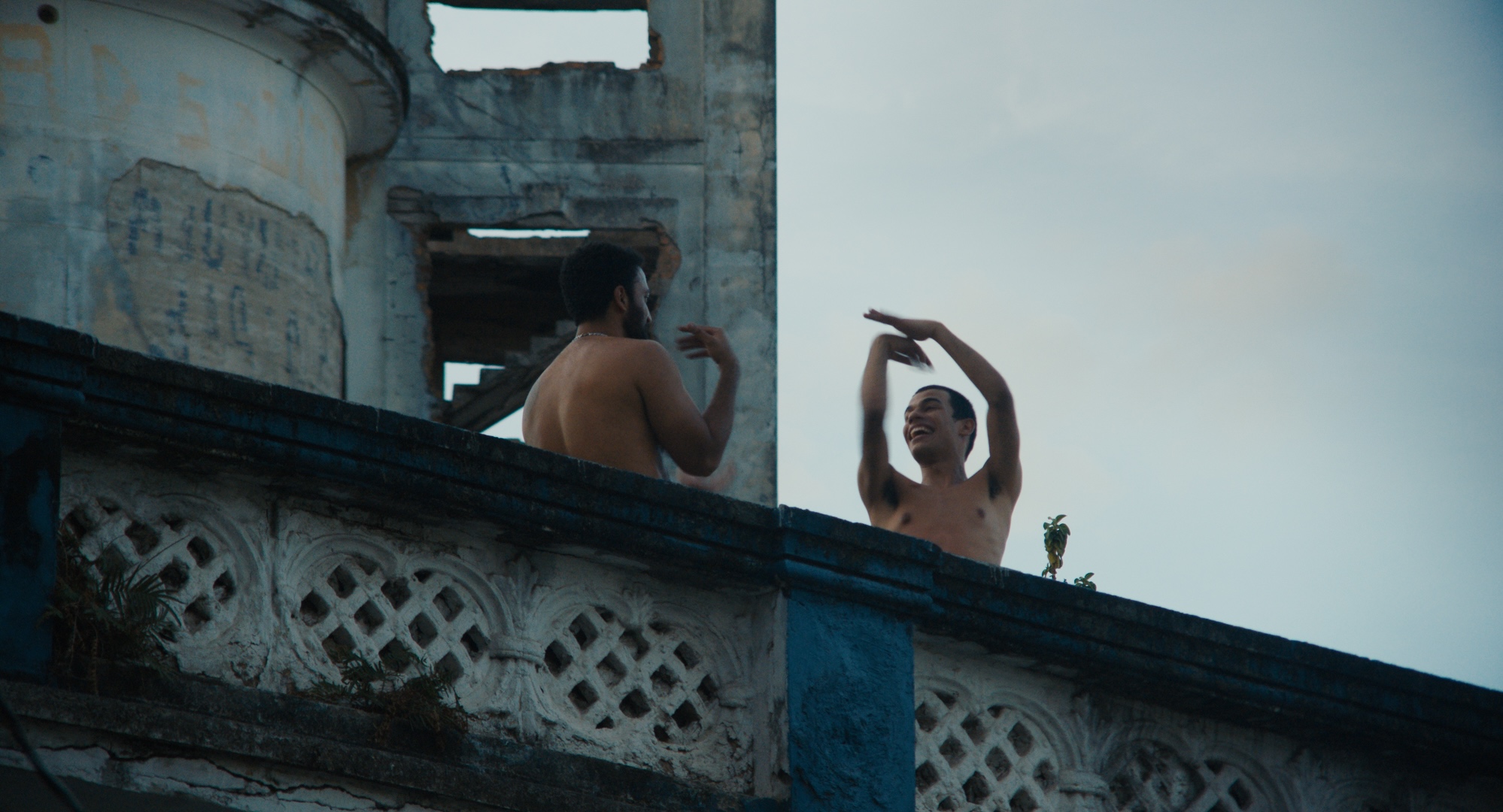
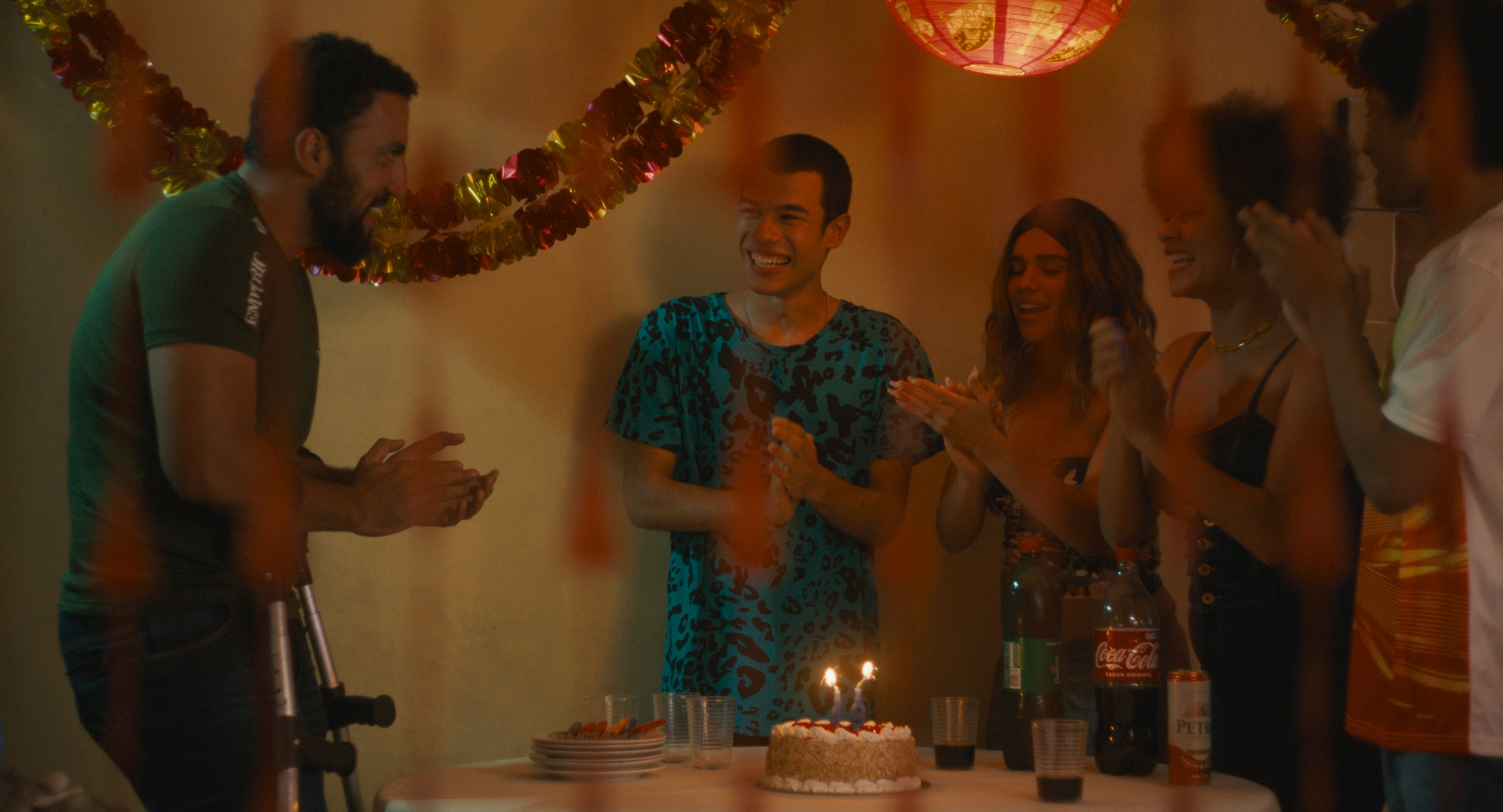
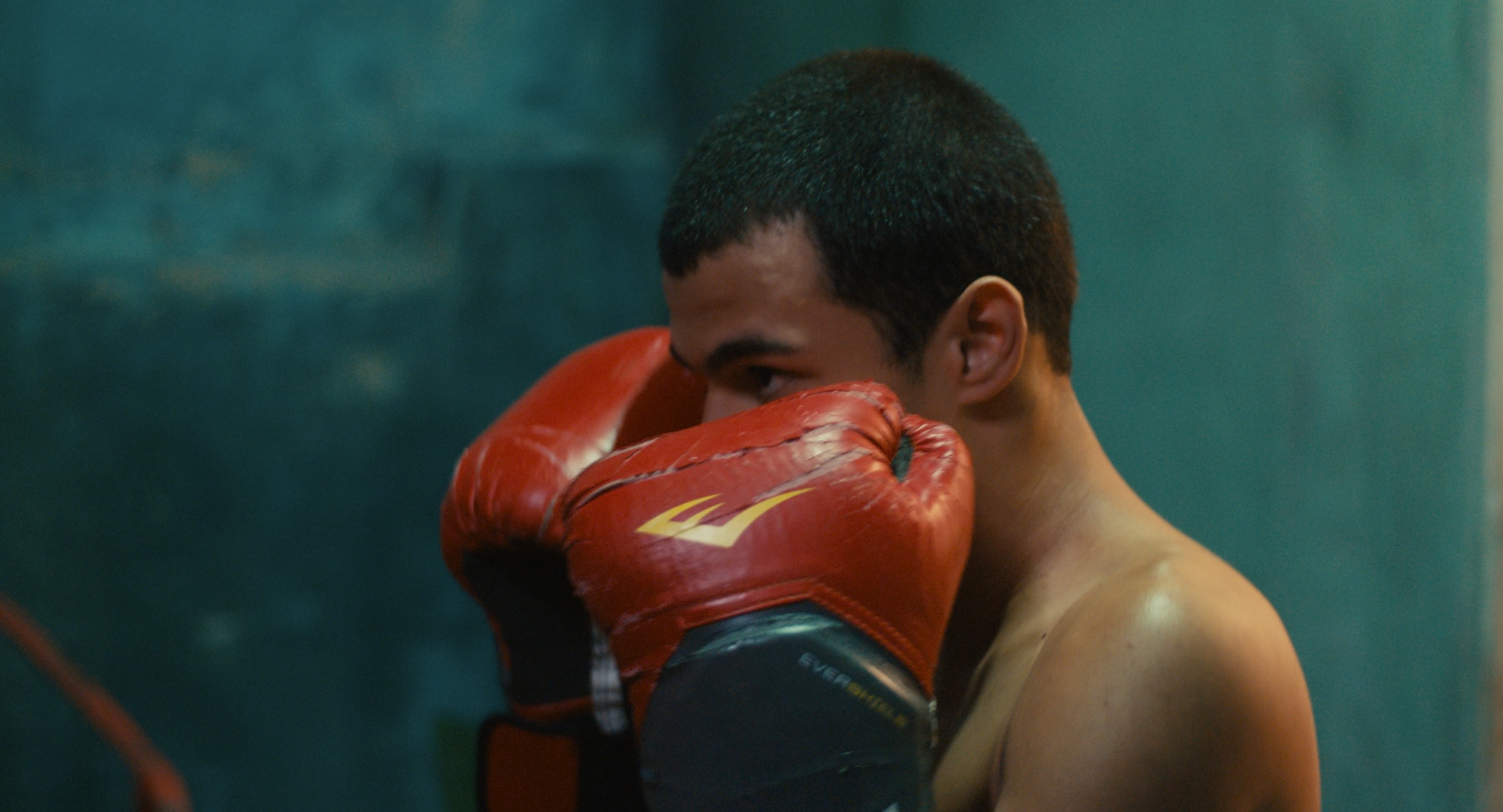
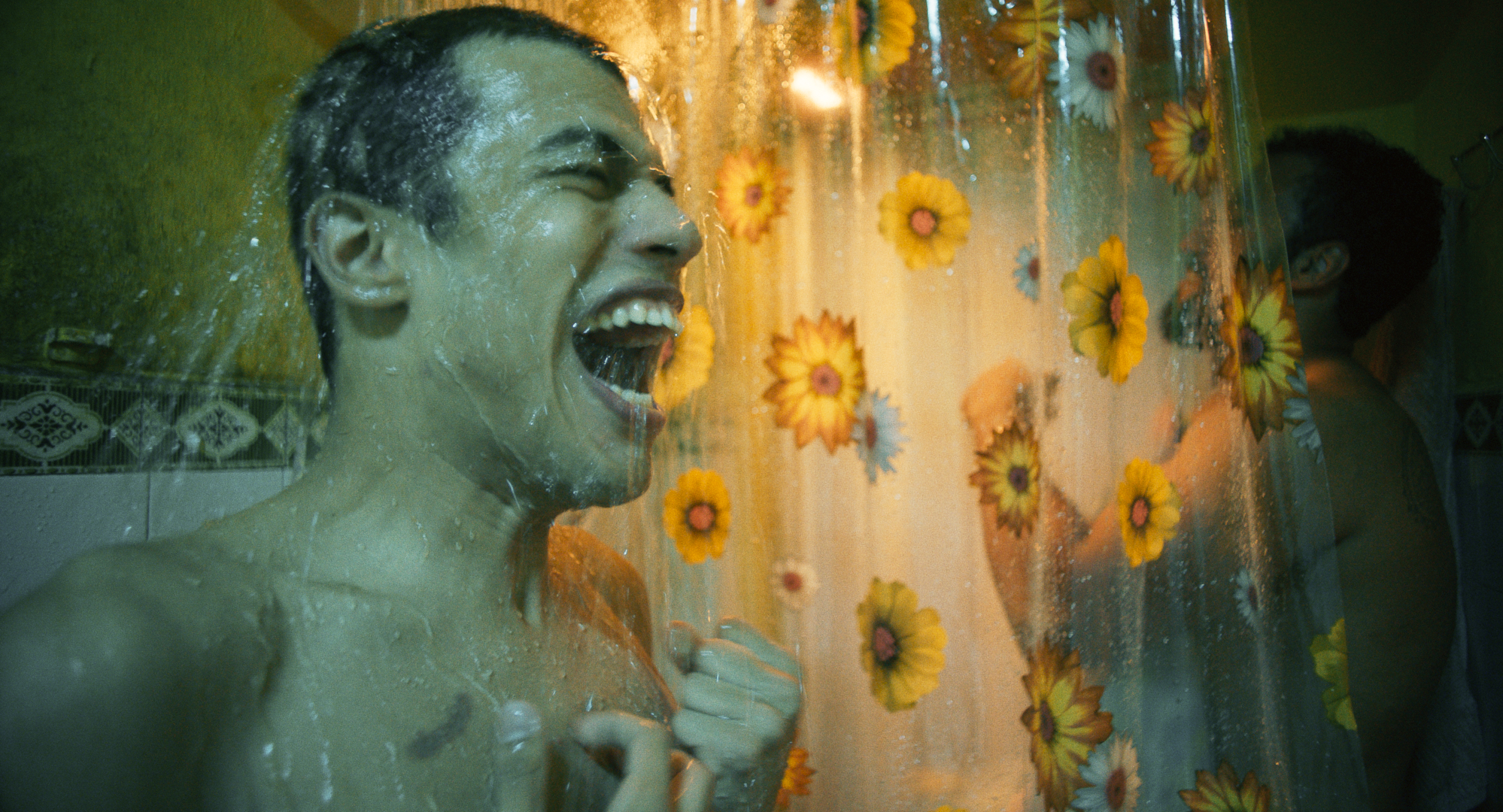
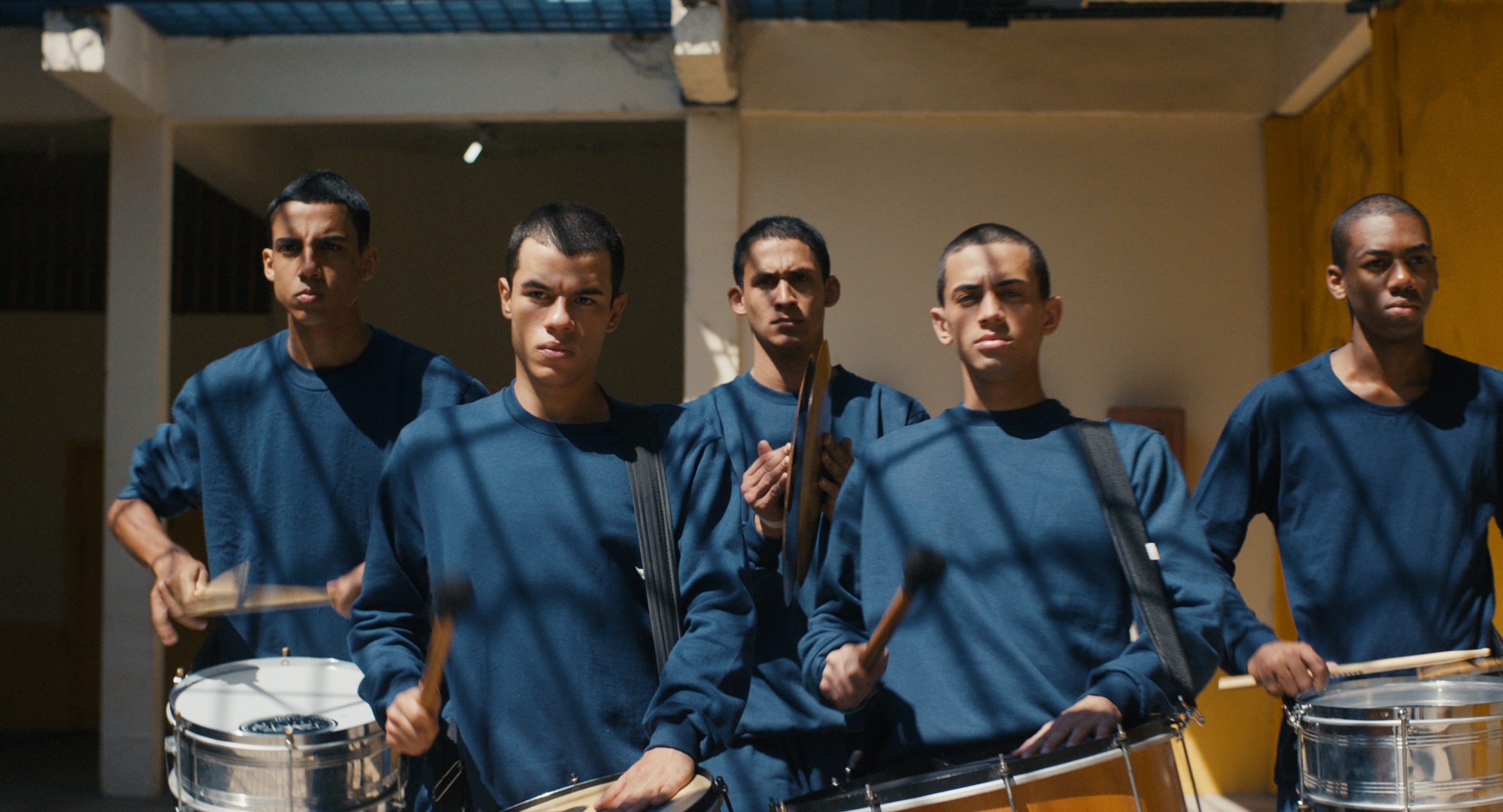
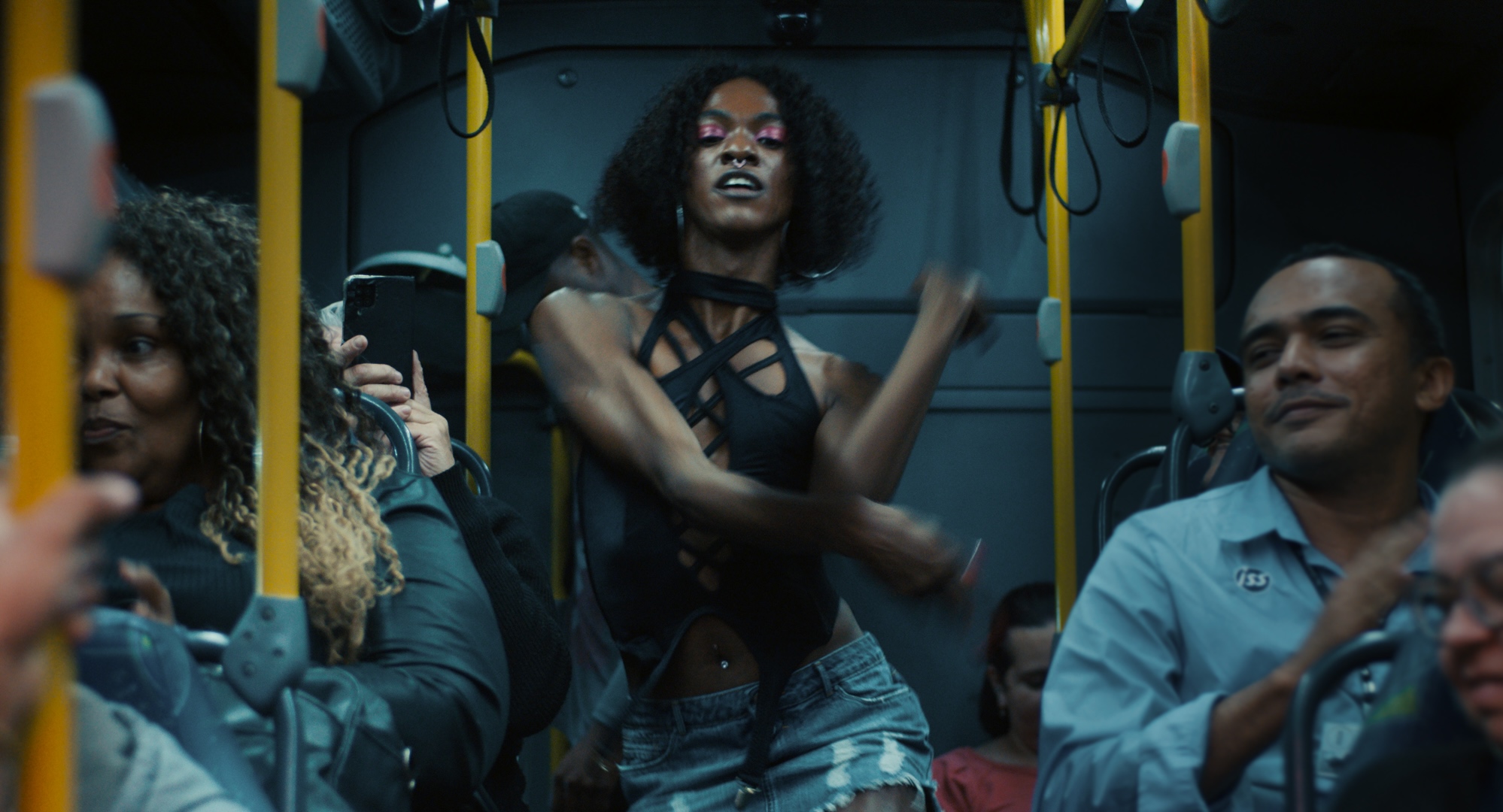
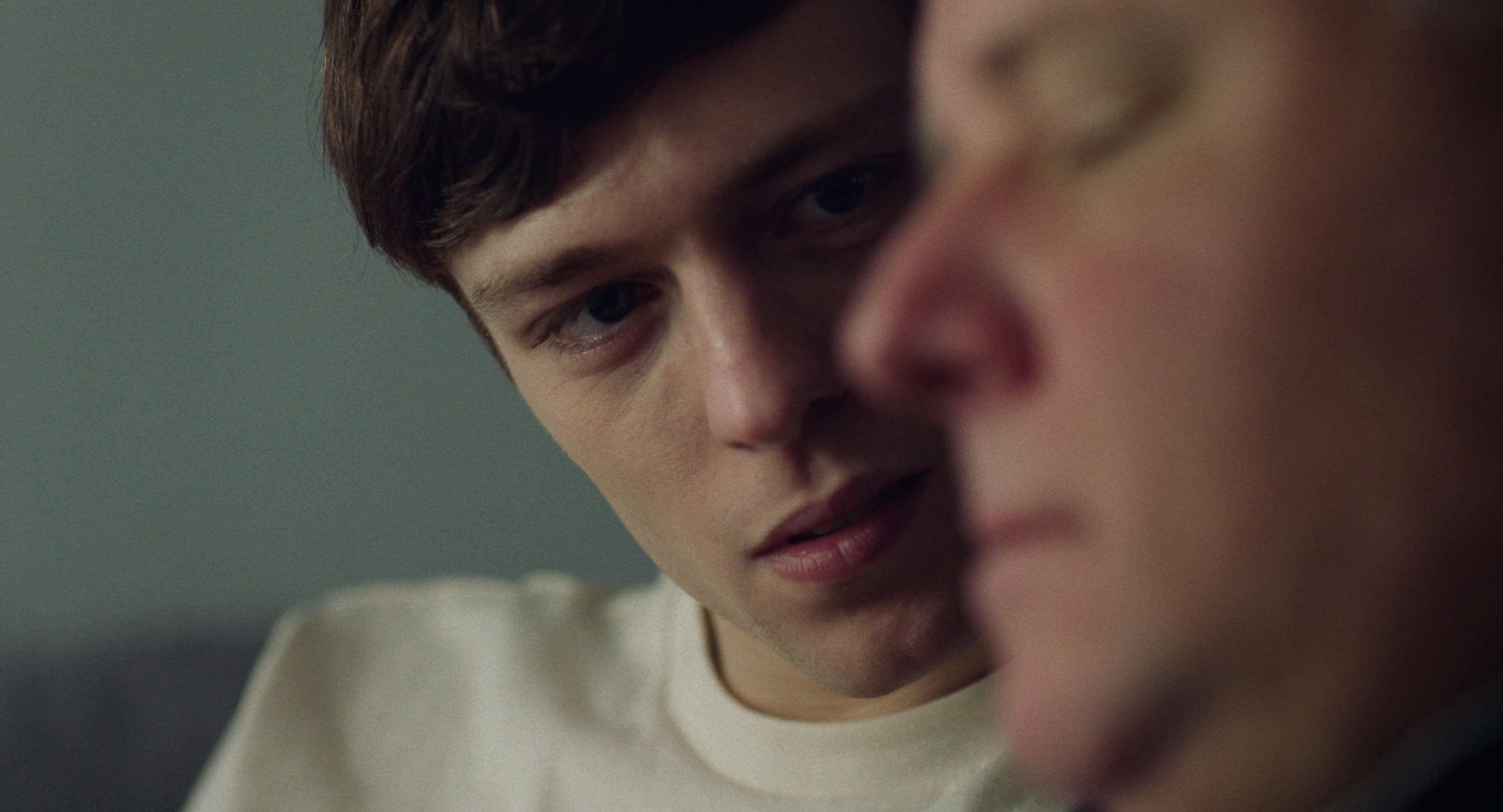
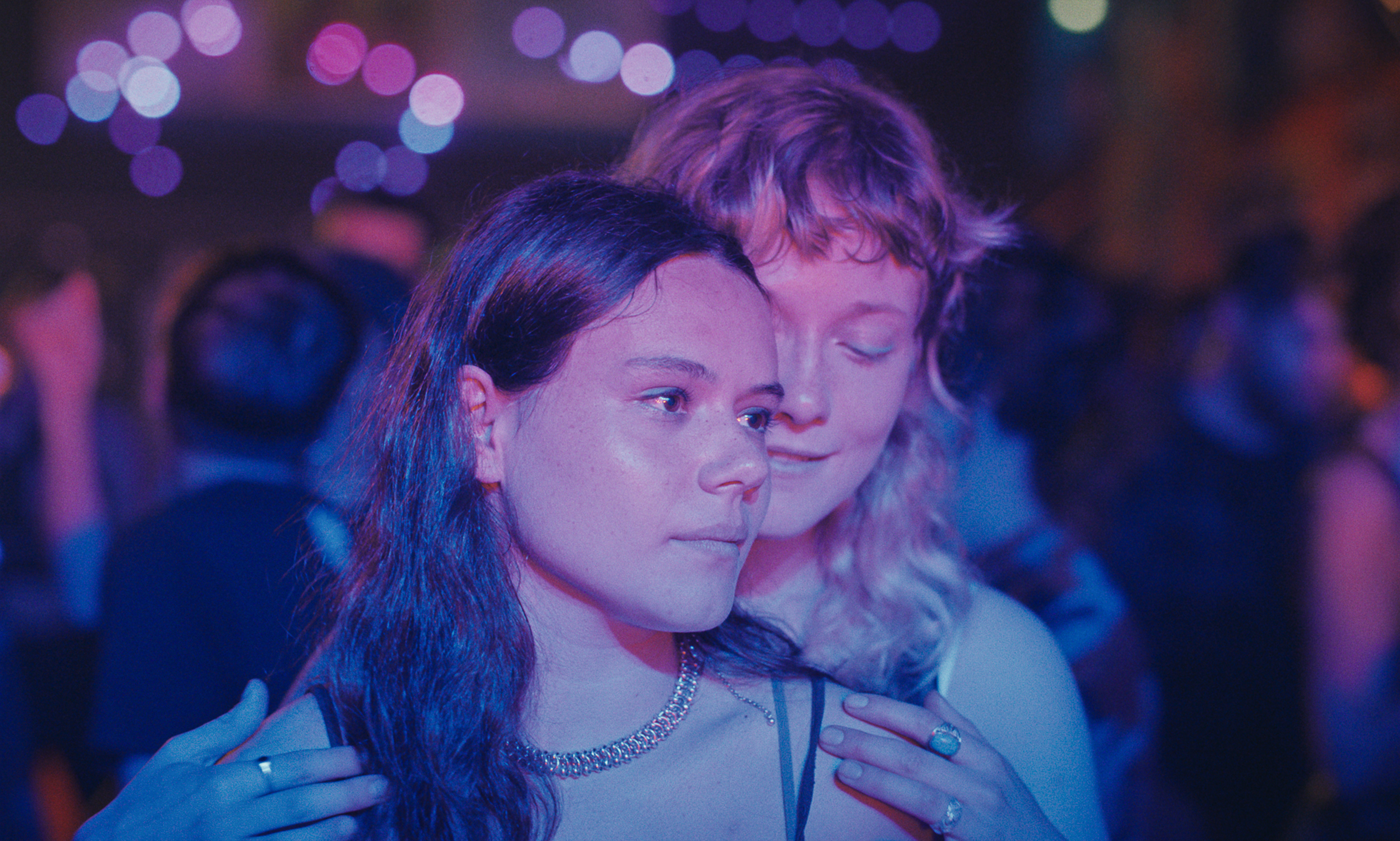
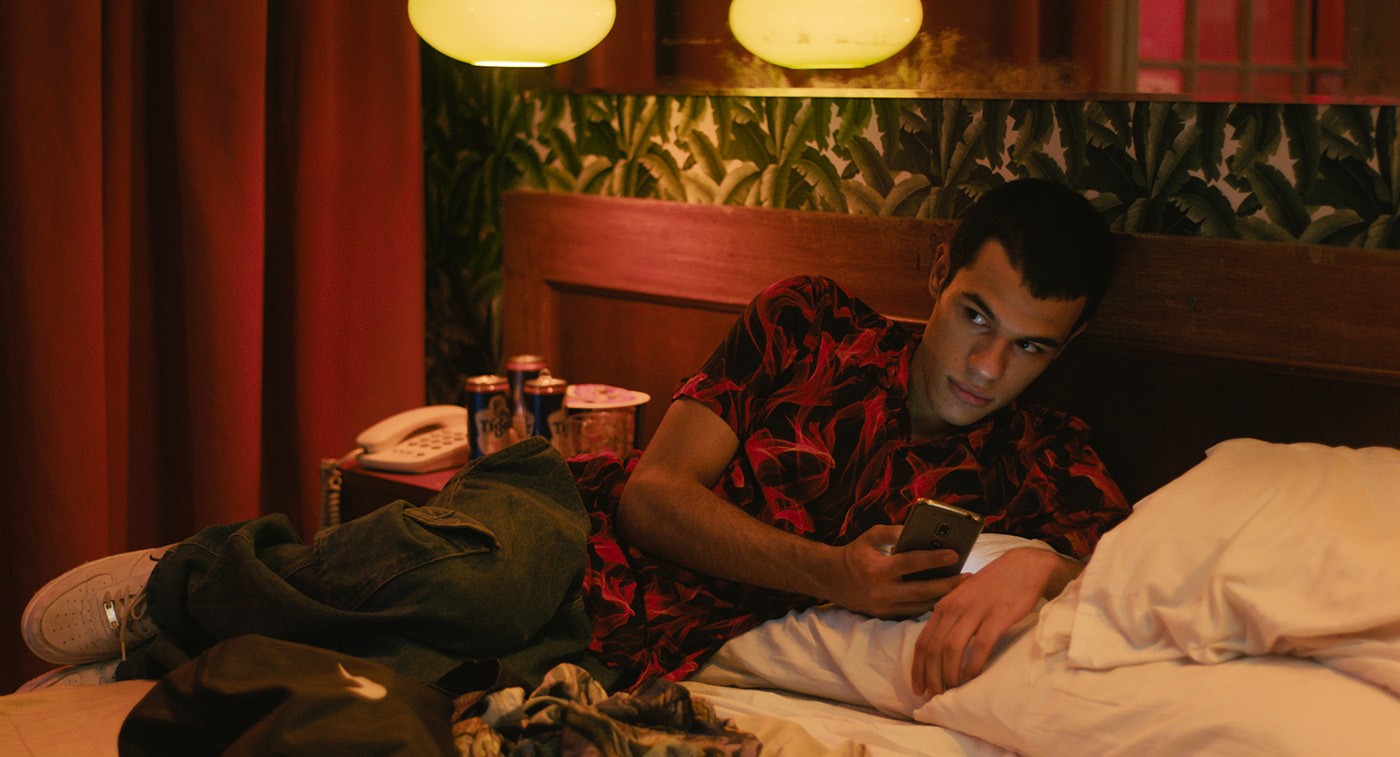
PORTUGUESE • FRENCH ST | Wellington (defiantly nicknamed Baby) trades his detention centre cell for the streets of São Paulo, absorbed into the life of an in-demand “escort” with old school methods. Torn between this erotic father figure, two chosen families, and the mother who left him, Wellington must discern which link is the strongest. Against a backdrop of corrupt cops, vengeful kingpins, and Brazilian ball culture, maybe-18-year-old Wellington (João Pedro Mariano) falls for 42-year-old sex worker cum drug dealer Ronaldo (Ricardo Teodoro), who has a son not much younger than Wellington being raised by lesbian mothers. The two share a charged, teasing bond with yo-yoing power dynamics. Wellington softens Ronaldo, schooling him in voguing’s ebullience and showing him his battle scars, while Ronaldo grounds his protege, giving him boxing lessons while doling out paternal advice and setting strict boundaries. Boundaries that Ronaldo is desperate to maintain and Wellington comes to resent when youthful potential and a biological parent draw him away. Propelled by Marcelo Caetano’s stylish direction, this gritty coming-of-age tale wrestles with themes of love and coercion, considering what’s still possible for a restless heart when a ‘baby’ becomes a man.

Trailer

Filmmaker Bio

Marcelo Caetano, born in the State of Minas Gerais but now based in São Paulo, directed the feature film Body Electric which premiered in Rotterdam in 2017. He also directed the TV series Hit Parade and Noticias Populares both broadcasted on Canal Brasil. He has worked on various productions as an assistant director and casting producer. In 2009, Marcelo co-founded Desbun Filmes.

Producer

Stienette Bosklopper, Marcelo Caetano, Juliette Lepoutre, Ivan Melo, Pierre Menahem, Ana Rabelo, Maarten Swart, Beto Tibiriça

Writer

Marcelo Caetano, Gabriel Domingues

Cinematographer

Joana Luz, Pedro Sotero

Cast

  • João Pedro Mariano
  • Ricardo Teodoro
  • Ana Flavia Cavalcanti
  • Bruna Linzmeyer
  • Luiz Bertazzo
  • Marcela Varzea
  • Patrick Coelho
  • Kyra Reis
Image
Image
Image
Image
Image
Image
Image
Image
Image
Image
Image
Image

PARTNERS

Fugues

You might also like

PosterMade au CanadaQueerment QuébecCompetitionShort
Made au Canada IconQueerment Québec IconCompetition Icon
Legacy of Joe Rose: Queer, Bars and Police Brutality[MADE AU CANADA]4 minutes

A short queer history of violent police raids on queer bars between the 70s and 2000s, and the rise of LGBTQ+ communities fighting back. Tribute to Joe Rose.

PosterCompetitionFeature
Competition Icon
Langue étrangère[ZEITGEIST]101 minutes

In a fraught exchange between Leipzig and Strasbourg, Fanny and Lena warm to each other while the situation around them heats up. As it gets harder to parse fact from fiction, too much trust and not enough, they look to protest movements to teach them what out-of-control adults cannot. Writer-director Claire Burger’s nuanced drama is bracingly of-the-moment, capturing topical issues with a foreboding sense of longing and imminent disaster, and inspiring fiery performances from her leads, including Nina Hoss as a mother undone. After an initially cold reception from Lena (Josefa Heinsius) when she arrives in Germany, 17-year-old Fanny (Lilith Grasmug) will do anything to ingratiate herself with her prickly pen pal. Chocolate-covered shrooms, sexual experimentation, bonding over Antifa and black bloc protest movements—each attempt at connection becomes more daring than the one before, their “Franco-German friendship” mirroring the heated clashes of our time. When the school exchange is flipped, and Lena is now the fish out of water in France, giving into the attraction sizzling under her animosity will mean coming to terms with a world tearing apart at the seams and the fantasies built up to survive it.

PosterCompetitionDocumentaryVIRTUAL EXCLUSIVE
Competition Icon
Si je meurs, ce sera de joie (If I die, It'll be of Joy)[COMPETITION]80 minutes

Outspoken Micheline (81) and sensitive artist Yves (68) have “insatiable” longings for sexual and relational intimacy. Francis (70) is a proudly “loudmouth(ed)” activist who wants to ensure that yearnings become reality. All, under the banner of Grey Pride, have no less an ambition than to change the world. Able to detect, as a minority, things that are unjust to all, queer seniors in France are revealing universal truths about the cult of youth and the medicalization of old age. These Grey Priders are combatting indifference, overhauling the nursing home model, and rethinking how spaces for the elderly accommodate libidos. Micheline, Yves, and Francis may have had their sex lives stifled by repression, loneliness, or AIDS, but they are far from ready to enter “The Zone” of societal relegation. They are prepared to take on embedded prejudices, as well as partners and friends with divergent views on death, in their revolutionary intentions. With stirring poeticism—seasons redolent of adaptation; trees symbolizing how bodies bend or break; desire represented by a glowing red sex toy—filmmaker Alexis Taillant shows us what it means to live “a quiet, wild life.”

PosterMade au CanadaCompetitionDocumentary
Made au Canada IconCompetition Icon
Bulletproof: A Lesbian's Guide to Surviving the Plot[I+N Connexe]105 minutes

Spoiler alert: chances are if you were watching television in spring 2016, you witnessed the startling peak of the Bury Your Gays trope. LGBTQ+ females from Buffy’s Tara to The 100’s Lexa have gotten the axe and this wry exposé investigates the dismaying trend and ensuing sea change. Bouncing back and forth from Toronto to culture hubs like L.A. and London, Bulletproof unfolds like the plot of a great mystery. There are the victims: queer female characters. The murderers: harried television writers, showrunners, and producers who, for a myriad of reasons that the doc unpacks, have chosen to kill off fan-favourites. And then there are the detectives: a “rainbow network” of journalists, media psychologists, fan community leaders, and many more who dissect the catalysts and impacts of shifting queer depictions. Not to mention the documentarian themself, “gay as hell” TV junkie Regan Latimer on year six of what was supposed to be a one year project, uncovering personal, societal, and scientific revelations alongside their wise-cracking on-screen surrogate, Lindy Zucker. Through clever references and animation, Bulletproof proves that representation has life-or-death stakes and fantasy can be as essential as reality.

PosterMade au CanadaCompetitionFeatureVIRTUAL EXCLUSIVE
Made au Canada IconCompetition Icon
Drive Back Home[MADE AU CANADA]100 minutes

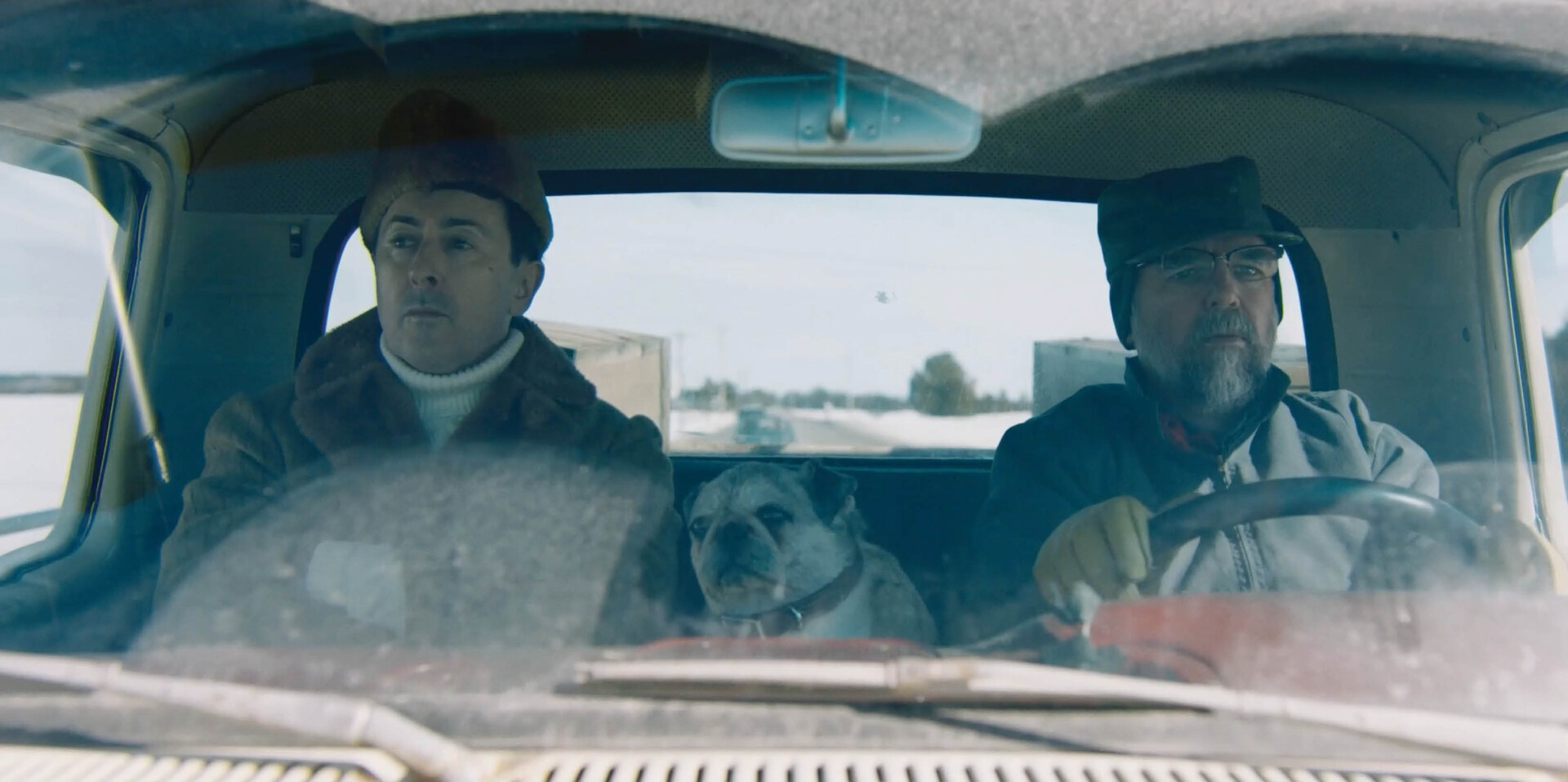
Inspired by true events, in 1970 an unorthodox mother sends her offbeat son from New Brunswick on a wintry cross-country mission past Quebec to retrieve his brother from Toronto after a public sex violation. Antics ensue in the Two-Solitudes atmosphere, bursting with revealing humour about brotherly love and French-English relations. In bravura performances, Alan Cumming plays motormouth Perley—dressed in an ushanka and ascot, taxidermied dog tucked under his arm—and Charlie Creed-Miles is Weldon—a gruff stoic in crooked glasses. These oddball siblings travel through frozen nights and across the language divide as they bicker, break down, and ultimately bond in their journey through central and eastern Canada. Weldon forced to confront the reality of Perley’s homosexuality (and his abject fear of being required to speak French) as he processes a horrific event from their past. After a lifetime of shutting down, a new set of dire circumstances has them opening their ears to hear one another’s stories. Award-winning filmmaker Michael Clowater, a master of wringing humour from pain, never loses sight of Perley and Weldon’s essential humanity among the pratfalls and bigotries, embedding beautiful truths in the film’s engrossing frictions.

PosterCompetitionShort
Competition Icon
Queen Size[COMPETITION]20 minutes

This morning, Marina has an appointment with Charlie to sell her a mattress. This evening, she will cancel her plane for Reunion. But they don't know that yet.

PosterQueerment QuébecCompetitionShort
Queerment Québec IconCompetition Icon
Le flou des arbres (The Blurring of Trees)[COMPETITION]11 minutes

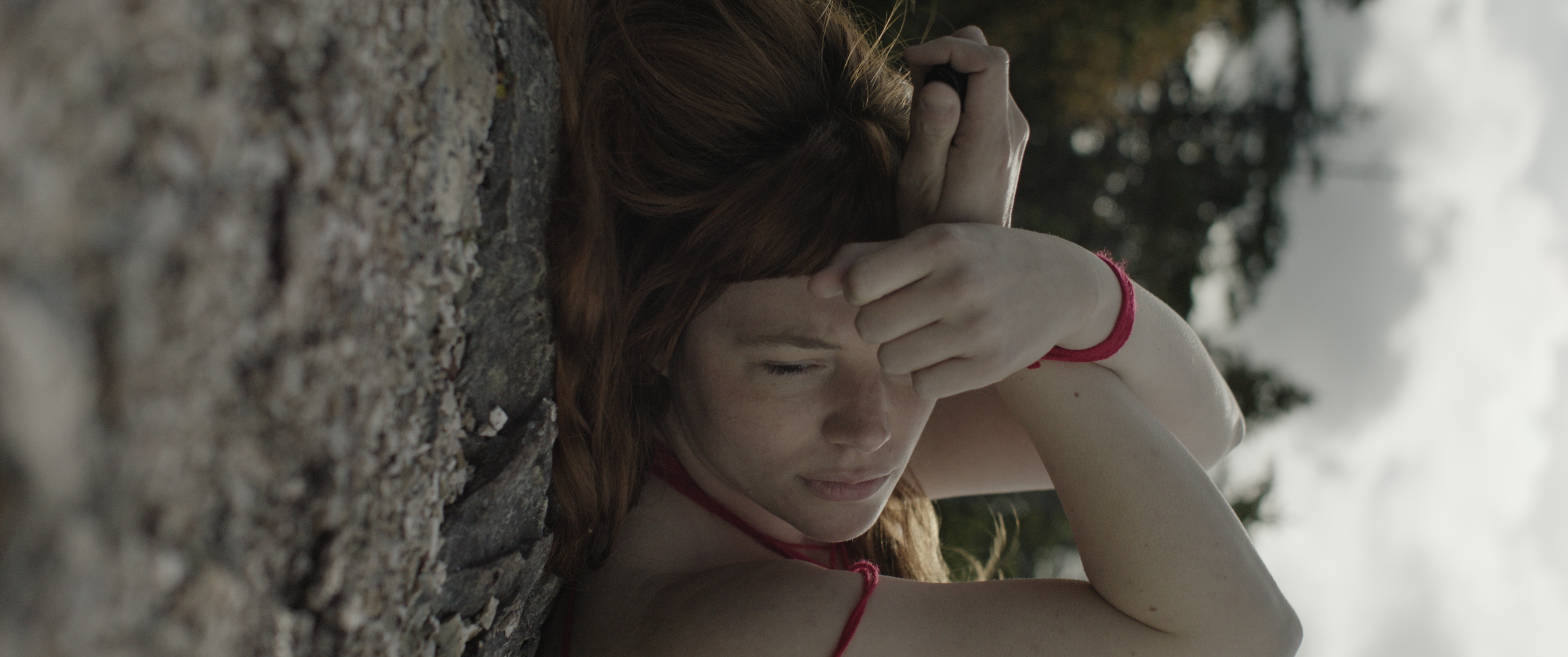
Two incarcerated women in a secure Northern Québec forest are subjected to the hard labour of reforestation. They enjoy a little area of freedom they’ve managed to create thanks to an empathetic prison guard.

PosterCompetitionDocumentaryVIRTUAL EXCLUSIVE
Competition Icon
Nanekawâsis[Indigiqueer]80 minutes

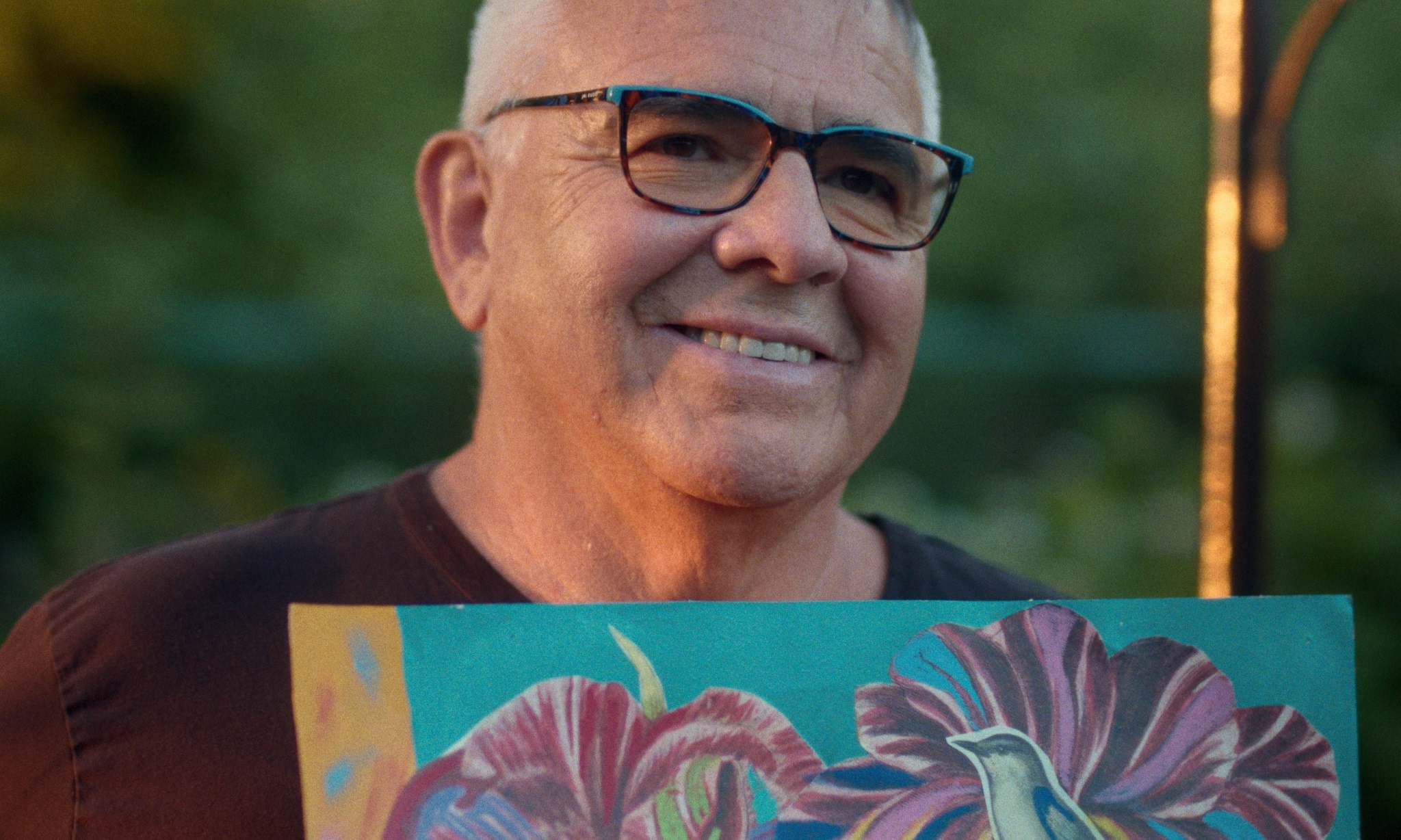
The work of Two-Spirit, nêhiyaw (Cree) artist George Littlechild took the reality of residential schools head-on decades before it would enter the collective Canadian conscience. A Sixties Scoop survivor, Littlechild uses his “whimsical,” improvised technique to unlock colourful exuberance and long-held trauma. Conor McNally, a Métis filmmaker, honours his journey. Littlechild was given his great grandfather’s name, nanekawâsis, at a Powwow in 2001. Both Littlechild and the eponymously named film embody its meaning: “swift child.” As we pay witness to a childhood shuffled between foster homes and Littlechild’s emergence as a fleet-fingered artist, the documentary makes fluid connections between past and present. Archival footage blends with warmly tinted 16mm interviews of 65-year-old Littlechild, still evolving in his practice, still passing on his deeply felt knowledge of his ancestry and “Rainbow” spirit. Whereas his partner, John Powell, uses art to govern his freewheeling tendencies, Littlechild harnesses paint to break free of his circumscribed daily life, healing himself and his audience through enlightened transcendence. nanekawâsis begins and ends with a sky full of colour, beautifully eliding time, revealing how light and dark, expectancy and reflection are all indispensable parts of life’s circle.

PosterQueerment QuébecCompetitionShort
Queerment Québec IconCompetition Icon
Landfill[COMPETITION]18 minutes

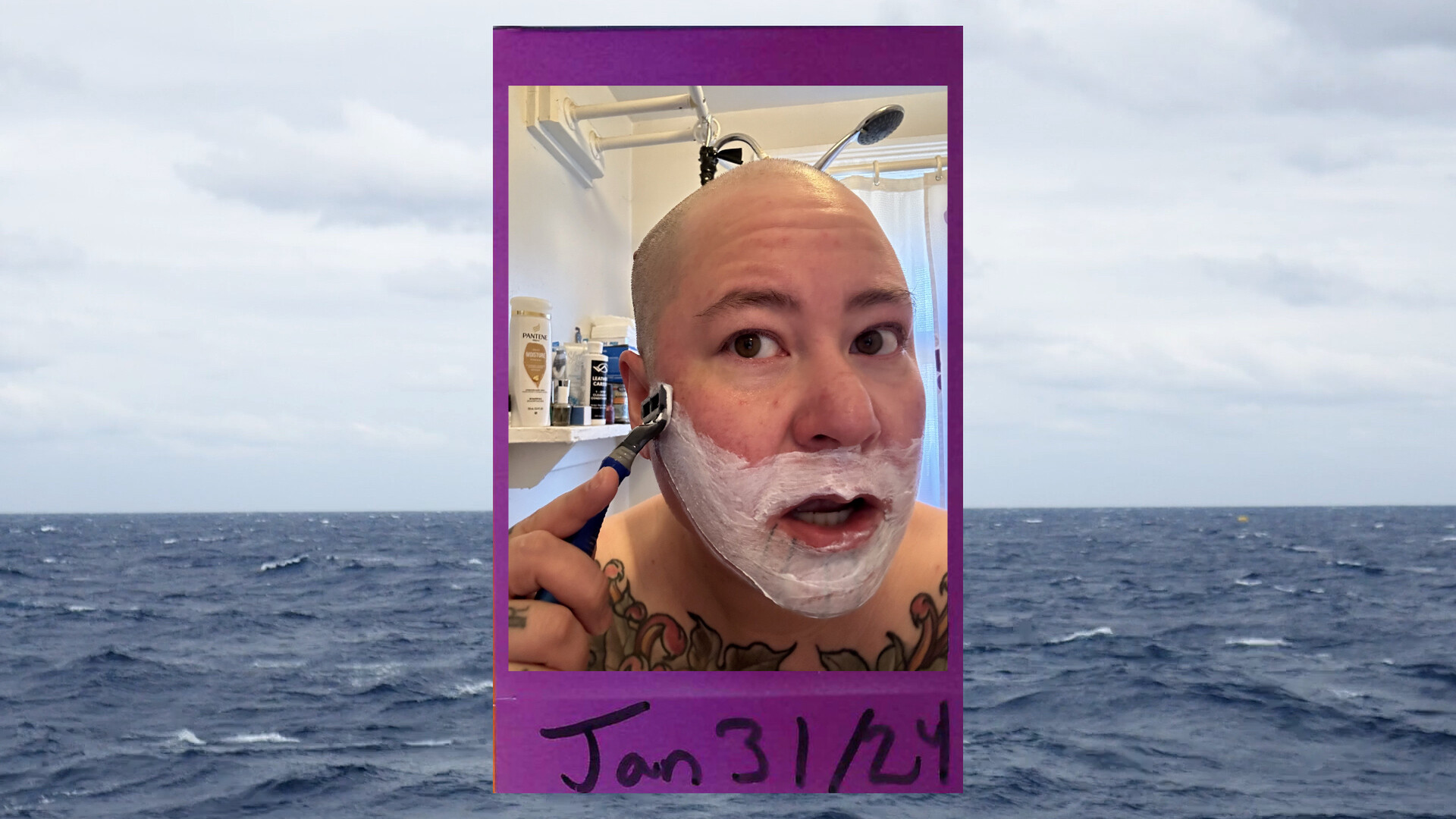
Five thousand twenty five walks. Fifty-two miles of floors mopped. Seventy hours watching movie stars kiss. Alice, a headstrong elder dyke, navigates environmentally induced illness while she contends with her unique notion of legacy.

PosterCompetitionFeature
Competition Icon
Baby (EN)[COMPETITION]107 minutes

PORTUGUESE • ENGLISH ST | Wellington (defiantly nicknamed Baby) trades his detention centre cell for the streets of São Paulo, absorbed into the life of an in-demand “escort” with old school methods. Torn between this erotic father figure, two chosen families, and the mother who left him, Wellington must discern which link is the strongest. Against a backdrop of corrupt cops, vengeful kingpins, and Brazilian ball culture, maybe-18-year-old Wellington (João Pedro Mariano) falls for 42-year-old sex worker cum drug dealer Ronaldo (Ricardo Teodoro), who has a son not much younger than Wellington being raised by lesbian mothers. The two share a charged, teasing bond with yo-yoing power dynamics. Wellington softens Ronaldo, schooling him in voguing’s ebullience and showing him his battle scars, while Ronaldo grounds his protege, giving him boxing lessons while doling out paternal advice and setting strict boundaries. Boundaries that Ronaldo is desperate to maintain and Wellington comes to resent when youthful potential and a biological parent draw him away. Propelled by Marcelo Caetano’s stylish direction, this gritty coming-of-age tale wrestles with themes of love and coercion, considering what’s still possible for a restless heart when a ‘baby’ becomes a man.

PosterMade au CanadaQueerment QuébecCompetitionShort
Made au Canada IconQueerment Québec IconCompetition Icon
Legacy of Joe Rose: Queer, Bars and Police Brutality[MADE AU CANADA]4 minutes

A short queer history of violent police raids on queer bars between the 70s and 2000s, and the rise of LGBTQ+ communities fighting back. Tribute to Joe Rose.

PosterCompetitionFeature
Competition Icon
Langue étrangère[ZEITGEIST]101 minutes

In a fraught exchange between Leipzig and Strasbourg, Fanny and Lena warm to each other while the situation around them heats up. As it gets harder to parse fact from fiction, too much trust and not enough, they look to protest movements to teach them what out-of-control adults cannot. Writer-director Claire Burger’s nuanced drama is bracingly of-the-moment, capturing topical issues with a foreboding sense of longing and imminent disaster, and inspiring fiery performances from her leads, including Nina Hoss as a mother undone. After an initially cold reception from Lena (Josefa Heinsius) when she arrives in Germany, 17-year-old Fanny (Lilith Grasmug) will do anything to ingratiate herself with her prickly pen pal. Chocolate-covered shrooms, sexual experimentation, bonding over Antifa and black bloc protest movements—each attempt at connection becomes more daring than the one before, their “Franco-German friendship” mirroring the heated clashes of our time. When the school exchange is flipped, and Lena is now the fish out of water in France, giving into the attraction sizzling under her animosity will mean coming to terms with a world tearing apart at the seams and the fantasies built up to survive it.

PosterCompetitionDocumentaryVIRTUAL EXCLUSIVE
Competition Icon
Si je meurs, ce sera de joie (If I die, It'll be of Joy)[COMPETITION]80 minutes

Outspoken Micheline (81) and sensitive artist Yves (68) have “insatiable” longings for sexual and relational intimacy. Francis (70) is a proudly “loudmouth(ed)” activist who wants to ensure that yearnings become reality. All, under the banner of Grey Pride, have no less an ambition than to change the world. Able to detect, as a minority, things that are unjust to all, queer seniors in France are revealing universal truths about the cult of youth and the medicalization of old age. These Grey Priders are combatting indifference, overhauling the nursing home model, and rethinking how spaces for the elderly accommodate libidos. Micheline, Yves, and Francis may have had their sex lives stifled by repression, loneliness, or AIDS, but they are far from ready to enter “The Zone” of societal relegation. They are prepared to take on embedded prejudices, as well as partners and friends with divergent views on death, in their revolutionary intentions. With stirring poeticism—seasons redolent of adaptation; trees symbolizing how bodies bend or break; desire represented by a glowing red sex toy—filmmaker Alexis Taillant shows us what it means to live “a quiet, wild life.”

PosterMade au CanadaCompetitionDocumentary
Made au Canada IconCompetition Icon
Bulletproof: A Lesbian's Guide to Surviving the Plot[I+N Connexe]105 minutes

Spoiler alert: chances are if you were watching television in spring 2016, you witnessed the startling peak of the Bury Your Gays trope. LGBTQ+ females from Buffy’s Tara to The 100’s Lexa have gotten the axe and this wry exposé investigates the dismaying trend and ensuing sea change. Bouncing back and forth from Toronto to culture hubs like L.A. and London, Bulletproof unfolds like the plot of a great mystery. There are the victims: queer female characters. The murderers: harried television writers, showrunners, and producers who, for a myriad of reasons that the doc unpacks, have chosen to kill off fan-favourites. And then there are the detectives: a “rainbow network” of journalists, media psychologists, fan community leaders, and many more who dissect the catalysts and impacts of shifting queer depictions. Not to mention the documentarian themself, “gay as hell” TV junkie Regan Latimer on year six of what was supposed to be a one year project, uncovering personal, societal, and scientific revelations alongside their wise-cracking on-screen surrogate, Lindy Zucker. Through clever references and animation, Bulletproof proves that representation has life-or-death stakes and fantasy can be as essential as reality.

PosterMade au CanadaCompetitionFeatureVIRTUAL EXCLUSIVE
Made au Canada IconCompetition Icon
Drive Back Home[MADE AU CANADA]100 minutes

Inspired by true events, in 1970 an unorthodox mother sends her offbeat son from New Brunswick on a wintry cross-country mission past Quebec to retrieve his brother from Toronto after a public sex violation. Antics ensue in the Two-Solitudes atmosphere, bursting with revealing humour about brotherly love and French-English relations. In bravura performances, Alan Cumming plays motormouth Perley—dressed in an ushanka and ascot, taxidermied dog tucked under his arm—and Charlie Creed-Miles is Weldon—a gruff stoic in crooked glasses. These oddball siblings travel through frozen nights and across the language divide as they bicker, break down, and ultimately bond in their journey through central and eastern Canada. Weldon forced to confront the reality of Perley’s homosexuality (and his abject fear of being required to speak French) as he processes a horrific event from their past. After a lifetime of shutting down, a new set of dire circumstances has them opening their ears to hear one another’s stories. Award-winning filmmaker Michael Clowater, a master of wringing humour from pain, never loses sight of Perley and Weldon’s essential humanity among the pratfalls and bigotries, embedding beautiful truths in the film’s engrossing frictions.

PosterCompetitionShort
Competition Icon
Queen Size[COMPETITION]20 minutes

This morning, Marina has an appointment with Charlie to sell her a mattress. This evening, she will cancel her plane for Reunion. But they don't know that yet.

PosterQueerment QuébecCompetitionShort
Queerment Québec IconCompetition Icon
Le flou des arbres (The Blurring of Trees)[COMPETITION]11 minutes

Two incarcerated women in a secure Northern Québec forest are subjected to the hard labour of reforestation. They enjoy a little area of freedom they’ve managed to create thanks to an empathetic prison guard.

PosterCompetitionDocumentaryVIRTUAL EXCLUSIVE
Competition Icon
Nanekawâsis[Indigiqueer]80 minutes

The work of Two-Spirit, nêhiyaw (Cree) artist George Littlechild took the reality of residential schools head-on decades before it would enter the collective Canadian conscience. A Sixties Scoop survivor, Littlechild uses his “whimsical,” improvised technique to unlock colourful exuberance and long-held trauma. Conor McNally, a Métis filmmaker, honours his journey. Littlechild was given his great grandfather’s name, nanekawâsis, at a Powwow in 2001. Both Littlechild and the eponymously named film embody its meaning: “swift child.” As we pay witness to a childhood shuffled between foster homes and Littlechild’s emergence as a fleet-fingered artist, the documentary makes fluid connections between past and present. Archival footage blends with warmly tinted 16mm interviews of 65-year-old Littlechild, still evolving in his practice, still passing on his deeply felt knowledge of his ancestry and “Rainbow” spirit. Whereas his partner, John Powell, uses art to govern his freewheeling tendencies, Littlechild harnesses paint to break free of his circumscribed daily life, healing himself and his audience through enlightened transcendence. nanekawâsis begins and ends with a sky full of colour, beautifully eliding time, revealing how light and dark, expectancy and reflection are all indispensable parts of life’s circle.

PosterQueerment QuébecCompetitionShort
Queerment Québec IconCompetition Icon
Landfill[COMPETITION]18 minutes

Five thousand twenty five walks. Fifty-two miles of floors mopped. Seventy hours watching movie stars kiss. Alice, a headstrong elder dyke, navigates environmentally induced illness while she contends with her unique notion of legacy.

PosterCompetitionFeature
Competition Icon
Baby (EN)[COMPETITION]107 minutes

PORTUGUESE • ENGLISH ST | Wellington (defiantly nicknamed Baby) trades his detention centre cell for the streets of São Paulo, absorbed into the life of an in-demand “escort” with old school methods. Torn between this erotic father figure, two chosen families, and the mother who left him, Wellington must discern which link is the strongest. Against a backdrop of corrupt cops, vengeful kingpins, and Brazilian ball culture, maybe-18-year-old Wellington (João Pedro Mariano) falls for 42-year-old sex worker cum drug dealer Ronaldo (Ricardo Teodoro), who has a son not much younger than Wellington being raised by lesbian mothers. The two share a charged, teasing bond with yo-yoing power dynamics. Wellington softens Ronaldo, schooling him in voguing’s ebullience and showing him his battle scars, while Ronaldo grounds his protege, giving him boxing lessons while doling out paternal advice and setting strict boundaries. Boundaries that Ronaldo is desperate to maintain and Wellington comes to resent when youthful potential and a biological parent draw him away. Propelled by Marcelo Caetano’s stylish direction, this gritty coming-of-age tale wrestles with themes of love and coercion, considering what’s still possible for a restless heart when a ‘baby’ becomes a man.