Image+Nation
LONDON

LONDON

VICTOR DI MARCO + MÁRCIO PICOLI | BRAZIL | 2026 | 90 MIN | PORTUGUESE FST

VICTOR DI MARCO + MÁRCIO PICOLI | BRAZIL | 2026 | 90 MIN | PORTUGUESE FST

IN-CINEMAFeatureCOMPETITION

Subtitles: French

NOV 28 / 17:15Cinéma JA de Sève (LB-125) | Concordia University 1400 Boul. de Maisonneuve O. Montréal, QC H3G 1M8 (métro Guy-Concordia)

Synopsis

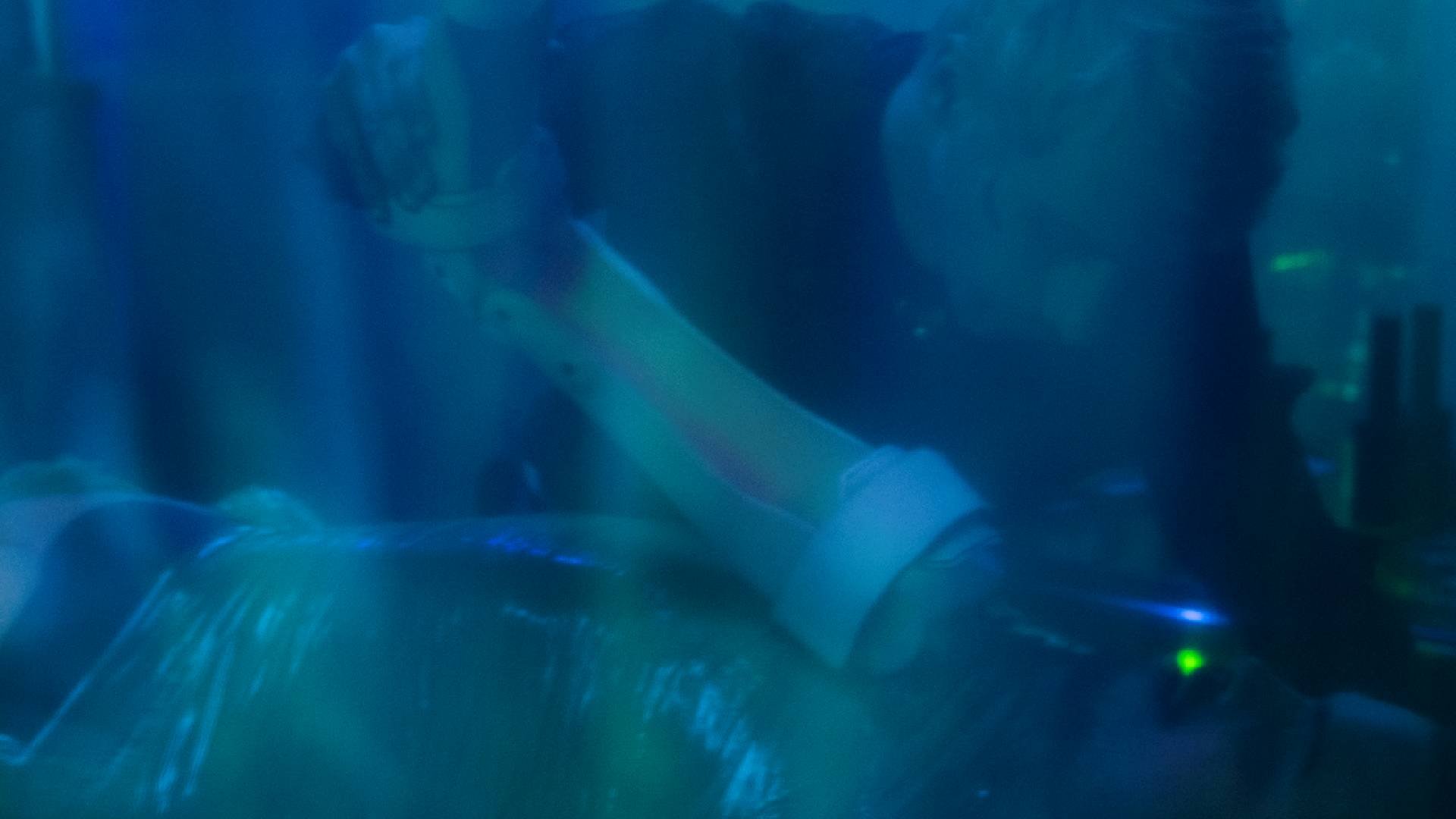
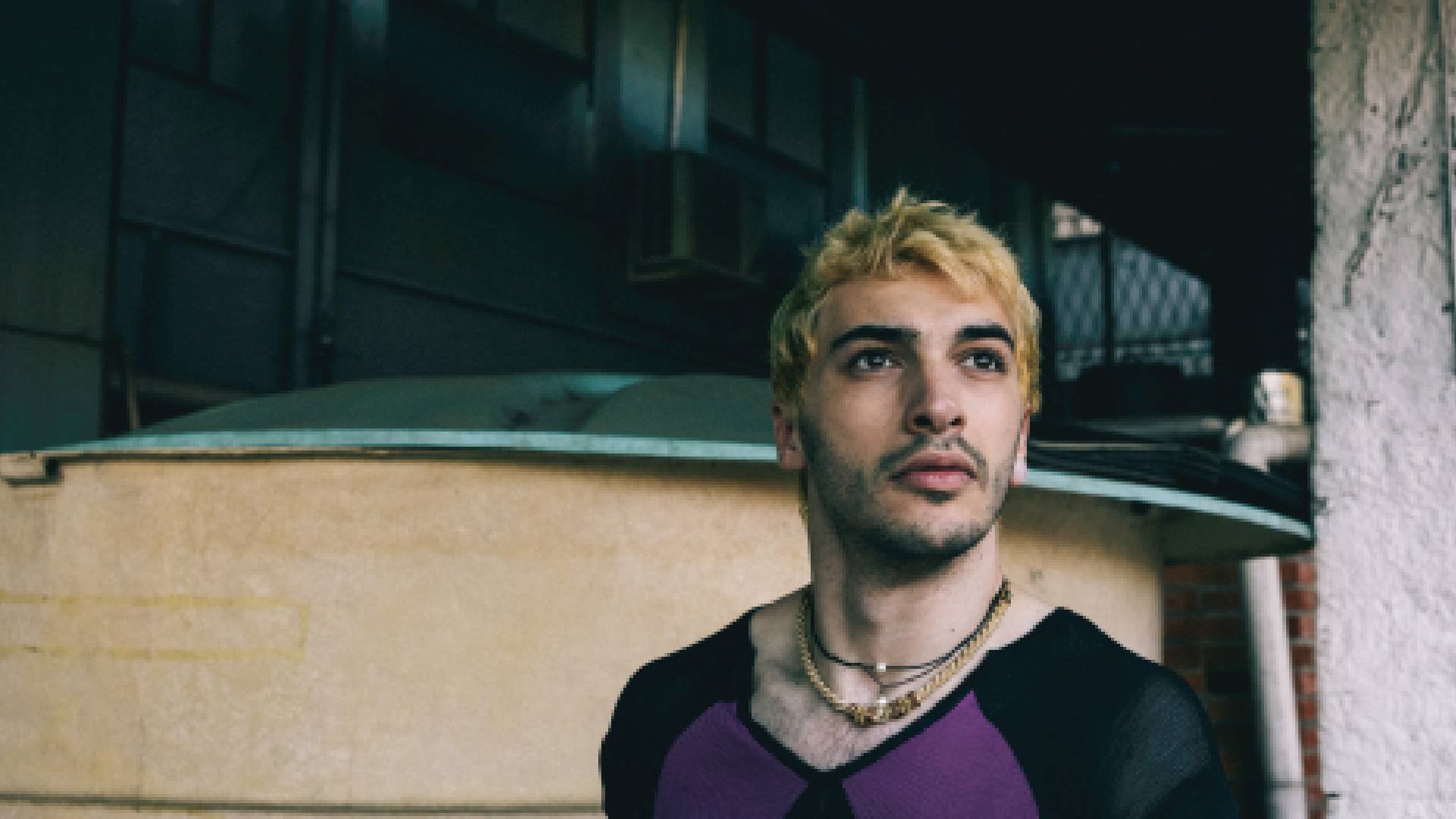
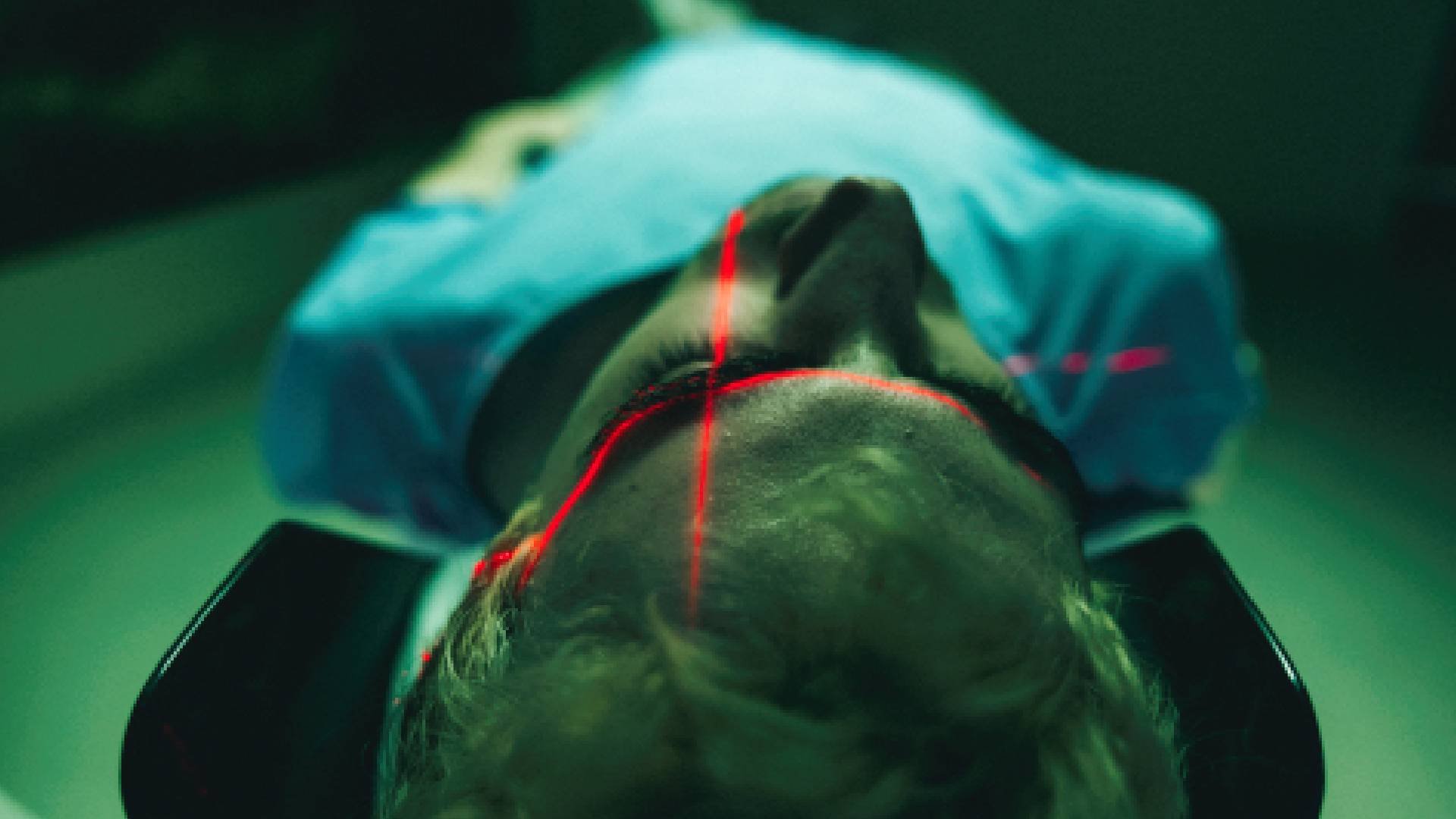
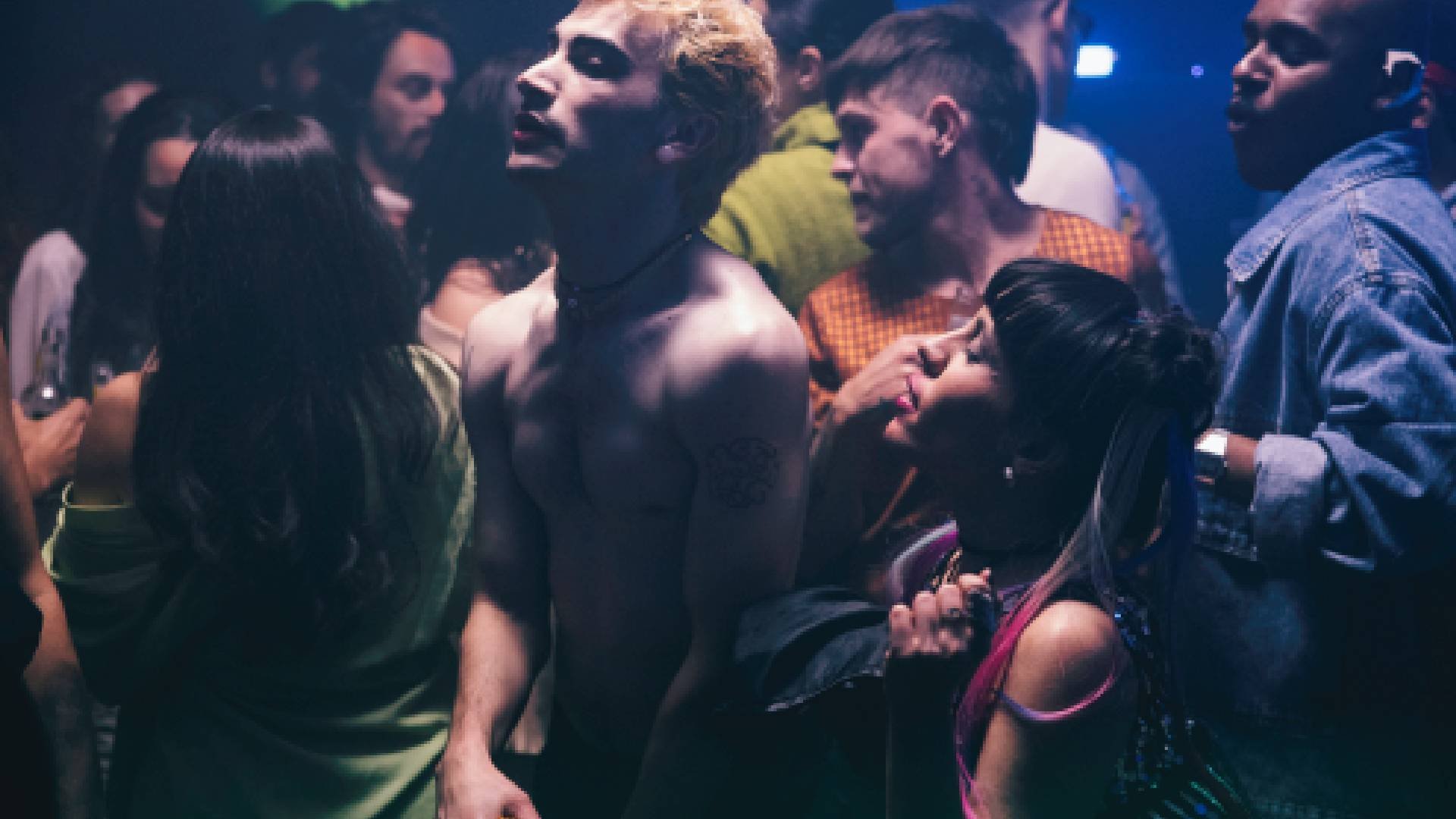
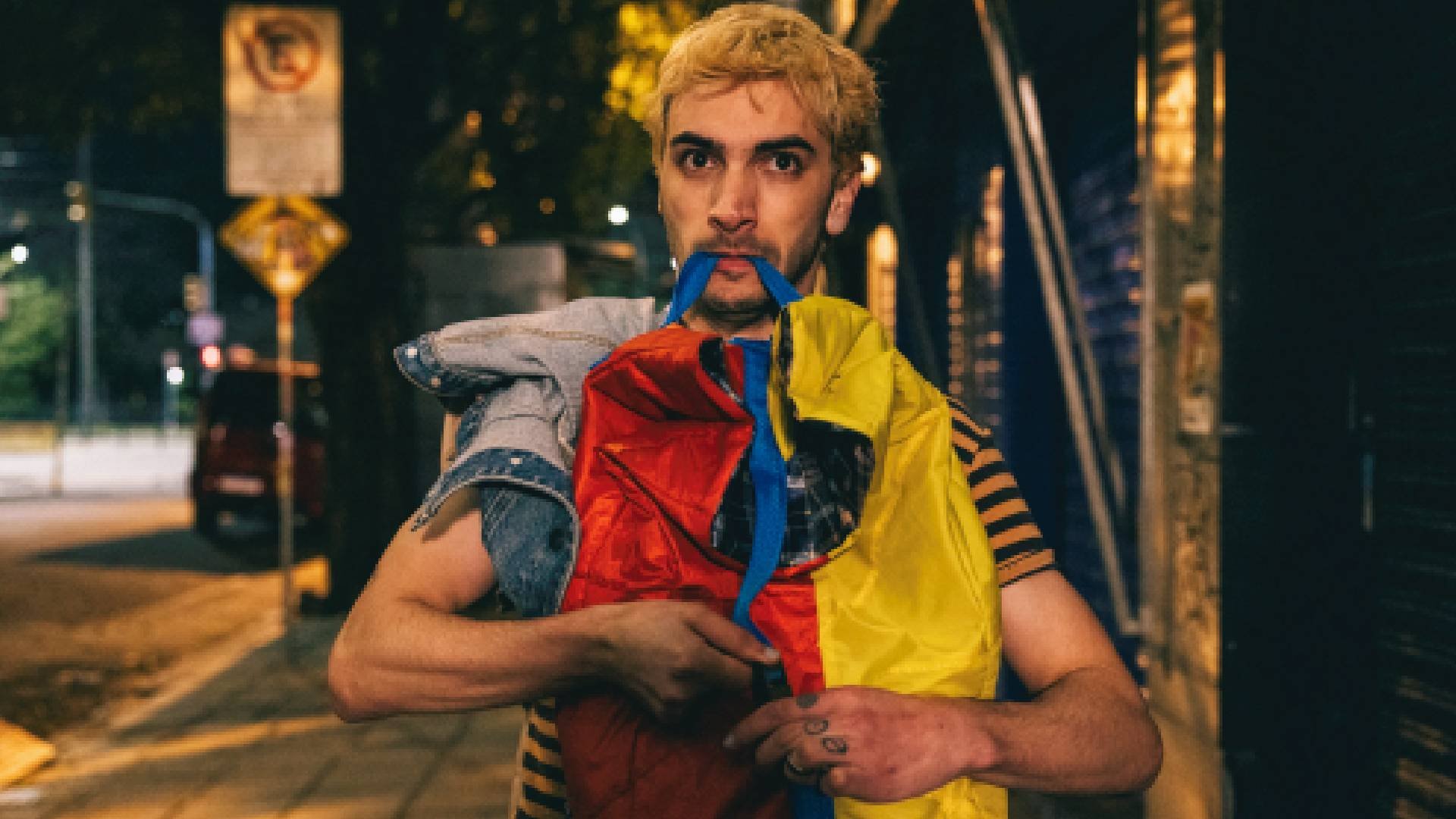
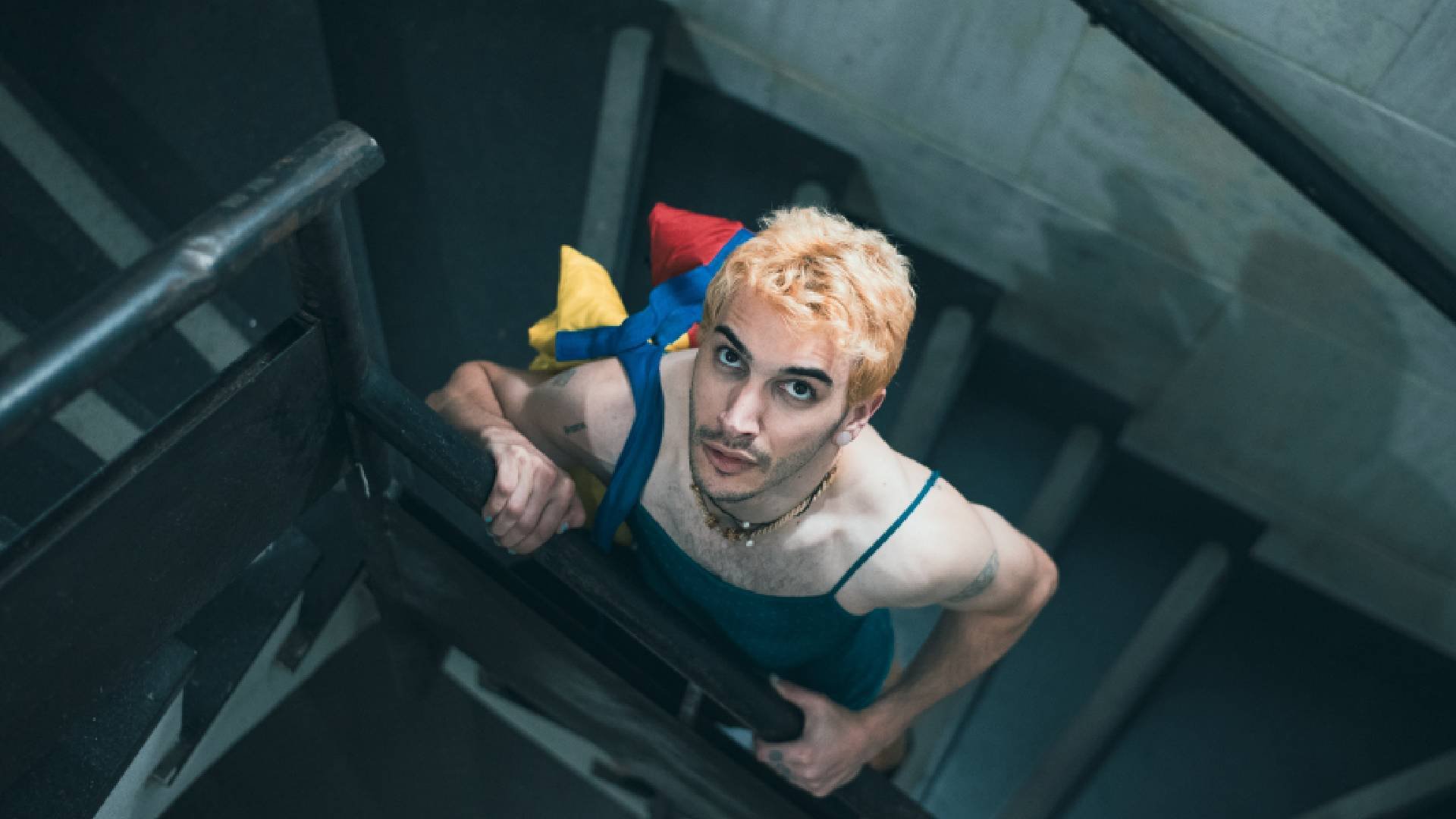
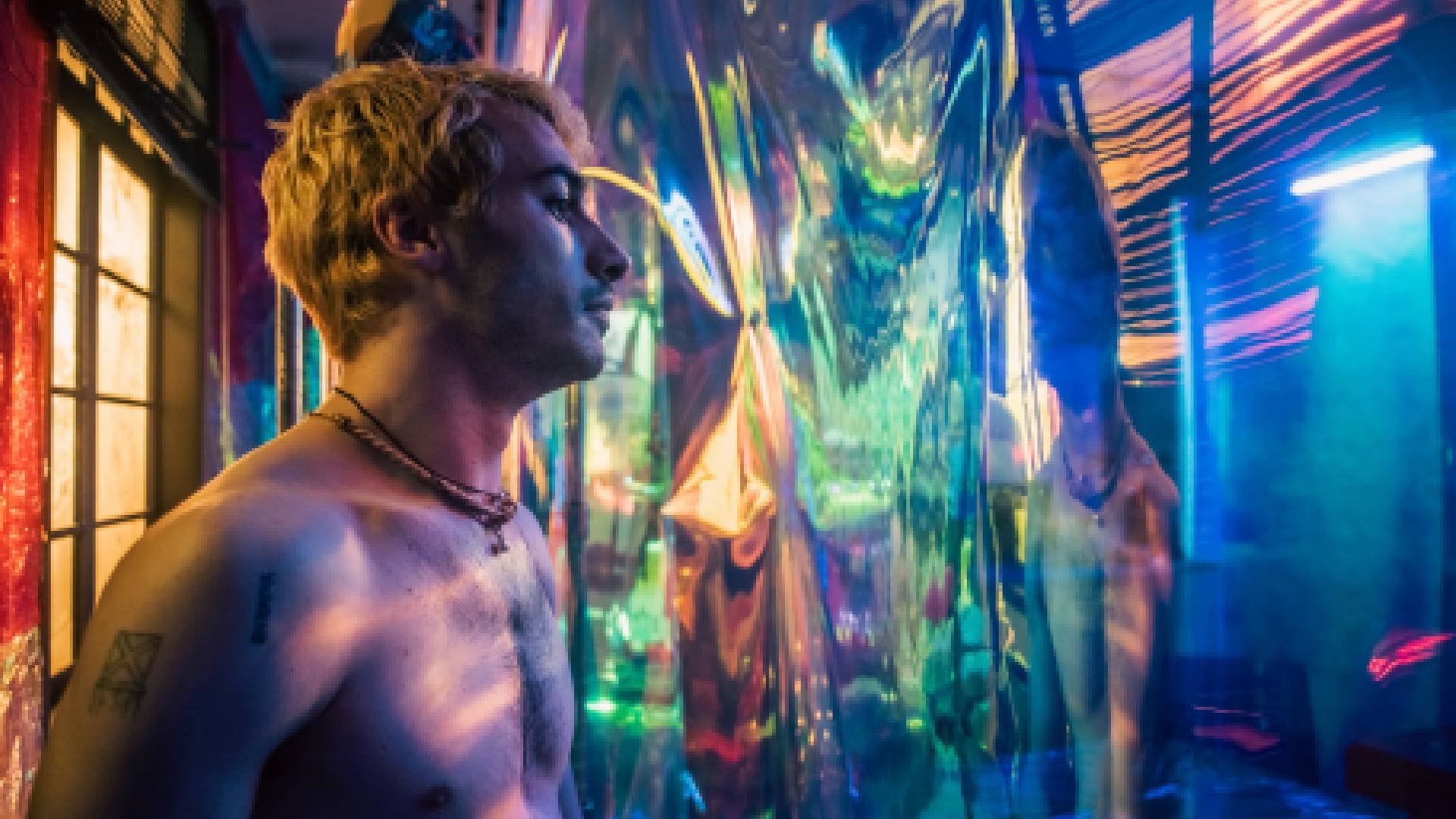
The life of a young queer Brazilian man living with a degenerative neurological condition, who works nights as a fetish master in an S&M club. Raw and unflinching yet unexpectedly tender, this debut feature explores marginalisation, the fierce will to live, and the search for one’s true self. London moves between the S&M club where he works as a fetish master, the hospital he visits reluctantly, and occasional visits to his mother and younger sister, who lives with the same condition. He finds a sense of kinship with a disabled colleague and, from time to time, connects with men and women, sexually or otherwise. Following a series of short films, directing duo Victor di Marco and Márcio Picoli deliver a deeply affecting debut feature, awarded the Queer Lion at the Venice Film Festival. Eschewing sentimentality, the camera stays close to its anti-hero as he struggles to understand who he is, driven by a restless, almost desperate energy. Di Marco, who shares London’s condition, gives a powerful, nuanced performance in the title role. A striking portrait of creativity, freedom, and resilience.

Trailer

Filmmaker Bio

Victor Di Marco (1996) is a queer, disabled Brazilian actor, director and screenwriter, and Márcio Picoli (1994) is a queer Brazilian director, screenwriter and producer. Both were born and raised in Porto Alegre and began their film careers in 2019. Their shorts Victor's Body (2020), Bittersweet Power (2022) and ZAGÉRO (2024) have earned over 70 awards across more than 200 festivals. Longtime creative and romantic partners, they wrote and directed four shorts before making London, their debut feature, which premiered at Venice’s Settimana Internazionale della Critica in 2026.

Director's Statement

Victor Di Marco: “I wanted to create a physical language on screen, too, where my body had this particular intelligence and way of living in this world that belonged to me only. […] I wanted to cause a friction in the audience. […] Desire is a very open thing; it is uncontrollable, it doesn’t respond to how we might want to label it.” Márcio Picoli : « London est un projet qui dialogue directement avec un thème central de notre carrière : remettre en question la manière dont les personnes en situation de handicap sont perçues dans la société comme des corps à réparer. […] »

Producer

Laura Moglia, Márcio Picoli, Victor Di Marco, Aline Gutierres

Writer

Victor Di Marco, Márcio Picoli

Cast

  • Victor Di Marco
  • Jéssica Teixeira
  • Pedro Bertoldi
  • Carla Cassapo
  • Priscilla Colombi
  • Emilio Farias
  • Manu Thedy
Image
Image
Image
Image
Image
Image
Image
Image
Image
Image
Image
Image

You might also like

PosterShort
BAD DAD[FRISSONS QUEER: FANTASIA x IMAGE+NATION]11 minutes

Recently divorced, Warren retreats to a quiet lake house with his young son. When a stranger named David appears asking for help, an ordinary evening becomes a tense psychological confrontation, exposing secrets, shifting power, and an unexpected connection between them.

PosterShort
C'EST MA SOEUR (THAT'S MY SISTER)[COMPETITION]14 minutes

Camille, a teenager with Down syndrome, dreams of dancing in a semi-professional dance troupe. On the day of the audition, her sister Agathe witnesses how the world still stumbles over difference. Love and rage find their own choreography.

PosterFeatureIN-CINEMAVIRTUAL
A SECOND LIFE[COMPETITION]77 minutesNOV 28 / 19:00

A Second Life follows a day in the life of Elisabeth as she scrambles to meet Airbnb guests visiting Paris for the Summer Olympic Games. Battling both depression and hearing loss, she makes for a rather inhospitable host, but also meets a new and most unexpected friend at exactly the right moment in time. Agathe Rousselle and Alex Lawther glow as a platonic duo, riffing off of each other’s polar opposite personalities on screen. The urban rumblings of Paris are swathed in—and then stripped of—sound, plunging us deep into the protagonist’s plight of impaired hearing, as well as work visa precarity, with the constant feeling of uneven ground captured through handheld camera techniques and the crowded visual frames of a hurried city. A theme of escape permeates the film, whether by the removal of hearing aids, the contemplation of too many pills, or a spontaneous night out, blowing off steam with friends and beer. A sudden sapphic kiss under watchful eyes and a panic attack in the metro are just a few small moments of an eventful evening that culminate in poignant memories of connection alongside the Olympics opening ceremony.

PosterShort
THE FRUIT MACHINE: A SPACE OPERA[COMPETITION]6 minutesNOV 27 / 19:00

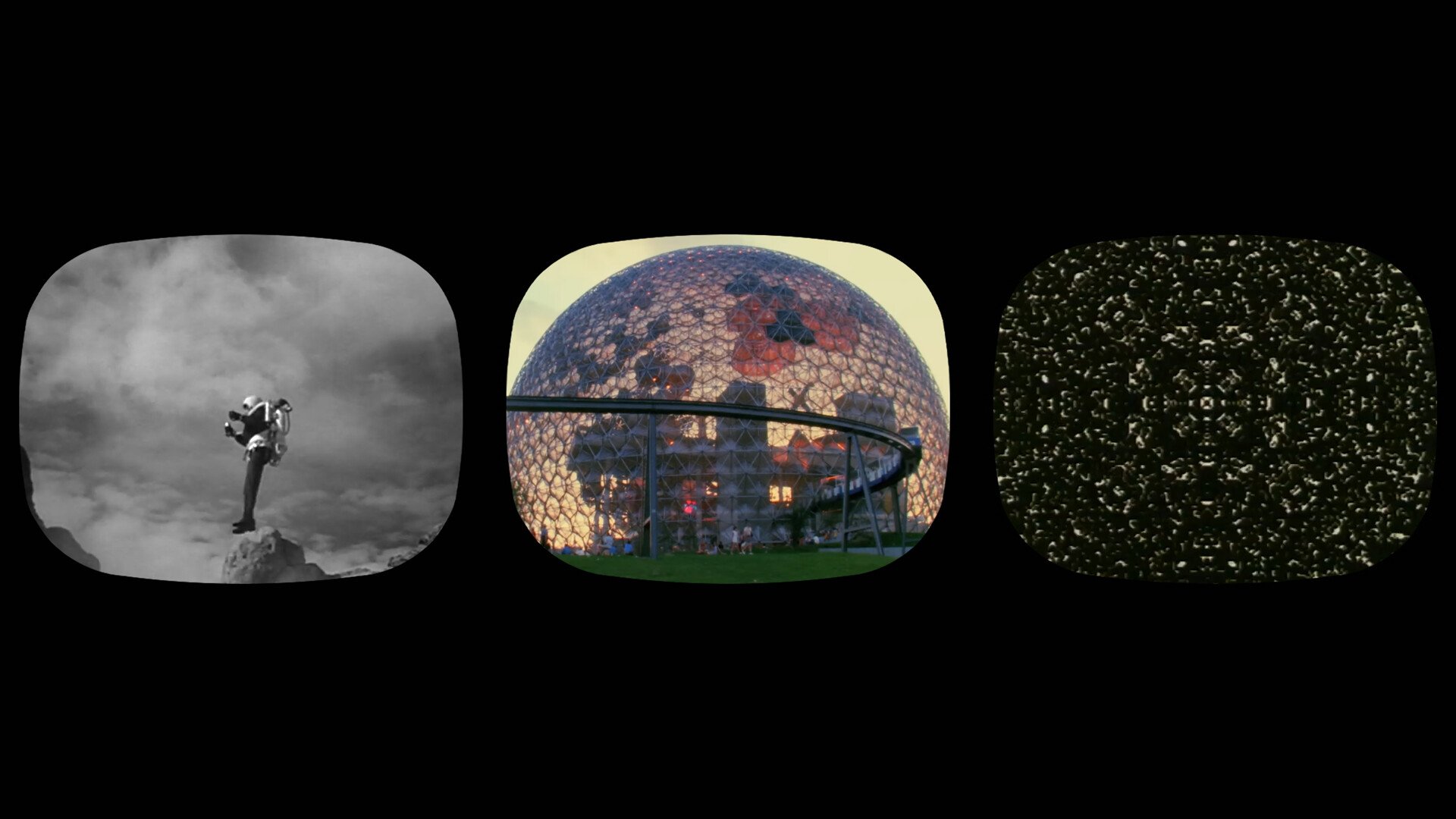
A queer little space alien crashes to Earth and looks to television for survival advice, finding a guide to twentieth-century conformity. Her journey unfolds alongside the true history of Canada's "Fruit Machine," developed in the 1960s to identify homosexuality.

PosterFeatureIN-CINEMA
I COME HOME[COMPETITION]96 minutesNOV 28 / 15:00

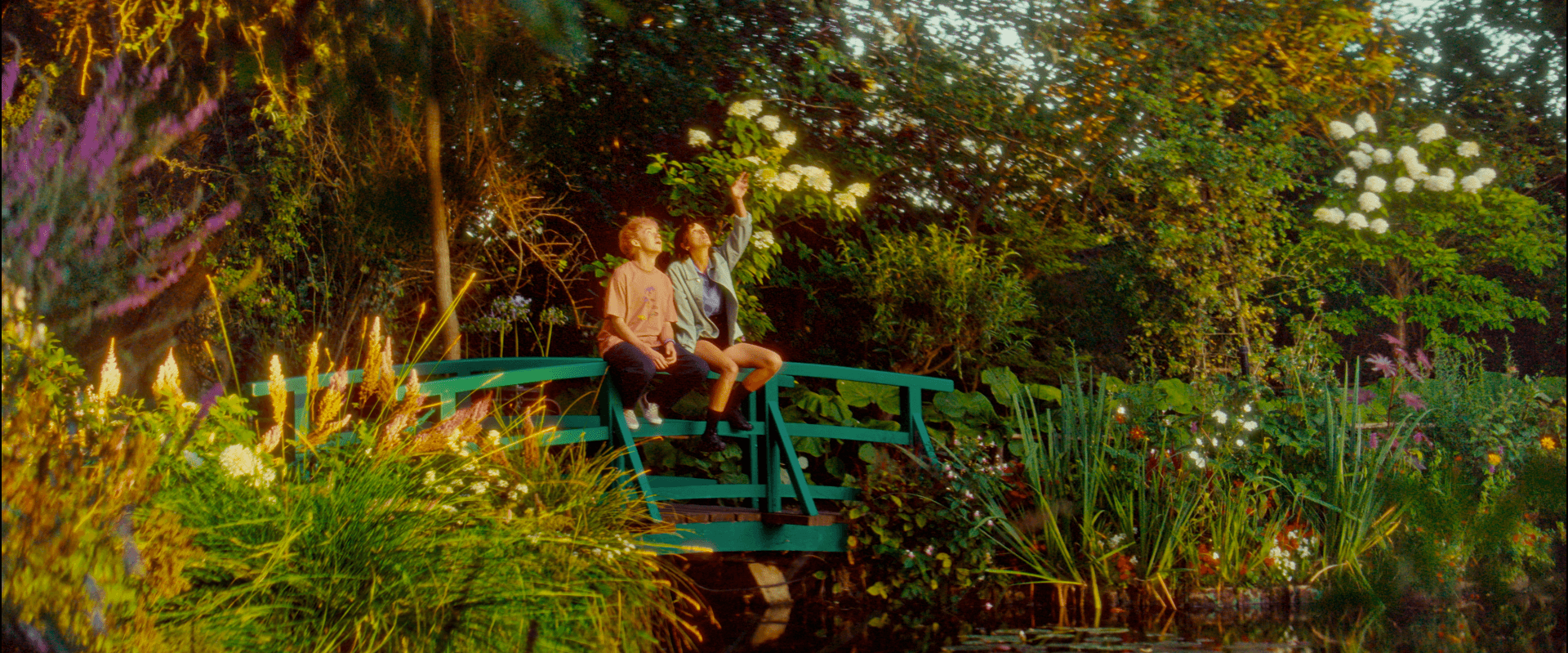
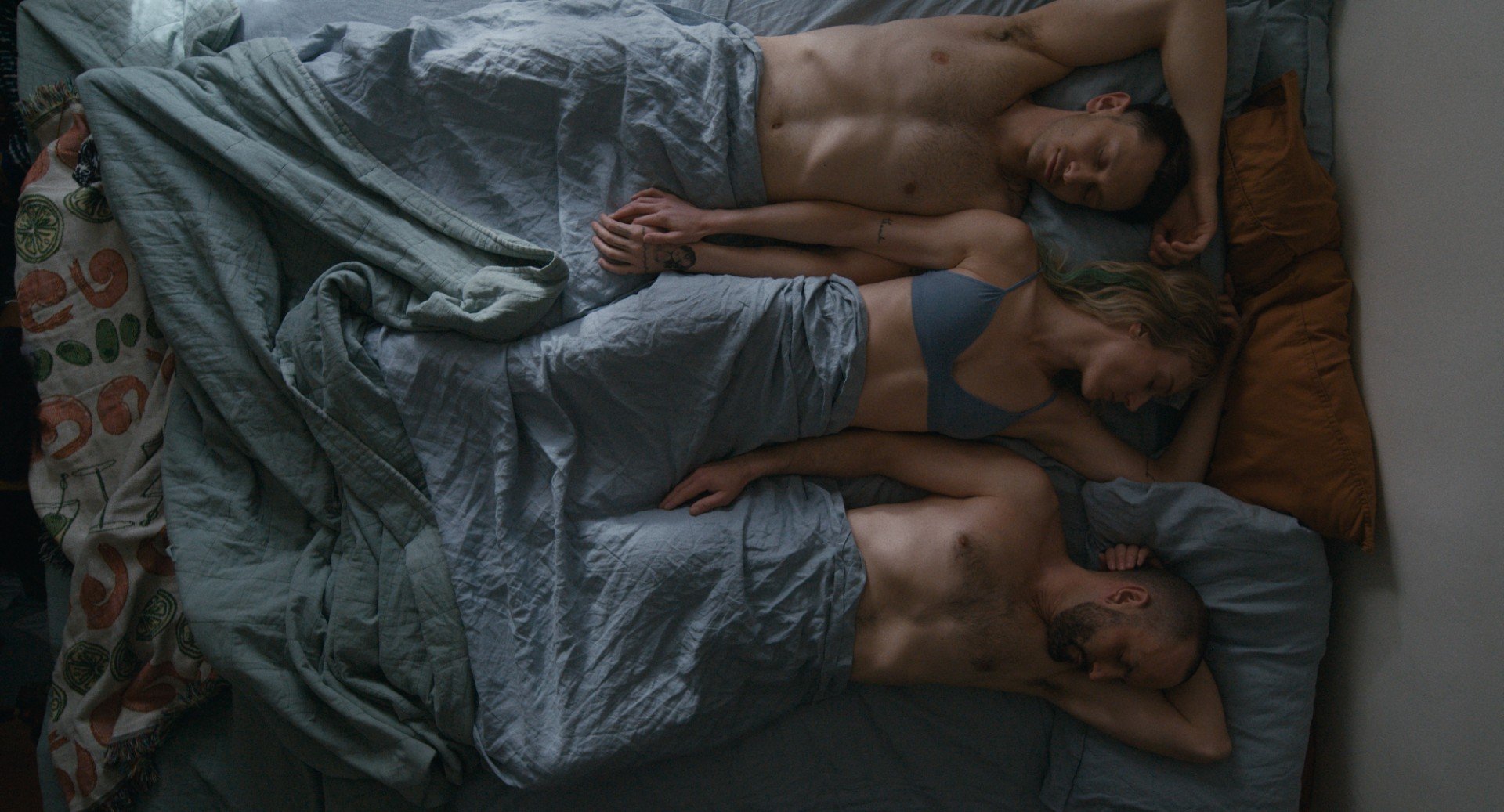
Christine, Alexander, and Stéphane are a polyamorous, bisexual throuple who live in downtown Toronto. Before long, their unconventional relationship with its ever-shifting dynamics, is threatened by the heteronormative foils of marriage and pregnancy. Can the three of them stand stronger than two would be able to? Glenn Wood presents a film that looks at alternative relationships in a novel way. I Come Home is tender and fearless in its portrayal of the fragility of human relationships, with support, loyalty, and communication—all required three-fold for this queer polyamorous couple—working hard to outweigh the judgementalness of conventional society. An invitation to Christine’s sister’s wedding, in her small hometown nearby, then puts the three to the ultimate test as they navigate an environment that (barely) tolerates their lifestyle. Questions of parenthood and accountability also come into play alongside the cold shoulder treatment that eventually erupts into outbursts of long-held resentments. In the aftermath, and all throughout the film, bird’s-eye view angles capture quiet moments of ‘coming home’ to oneself, and to one another in the enduring acts of choosing, trusting, and showing up.

PosterShort
In Too Deep[COMPETITION]6 minutes

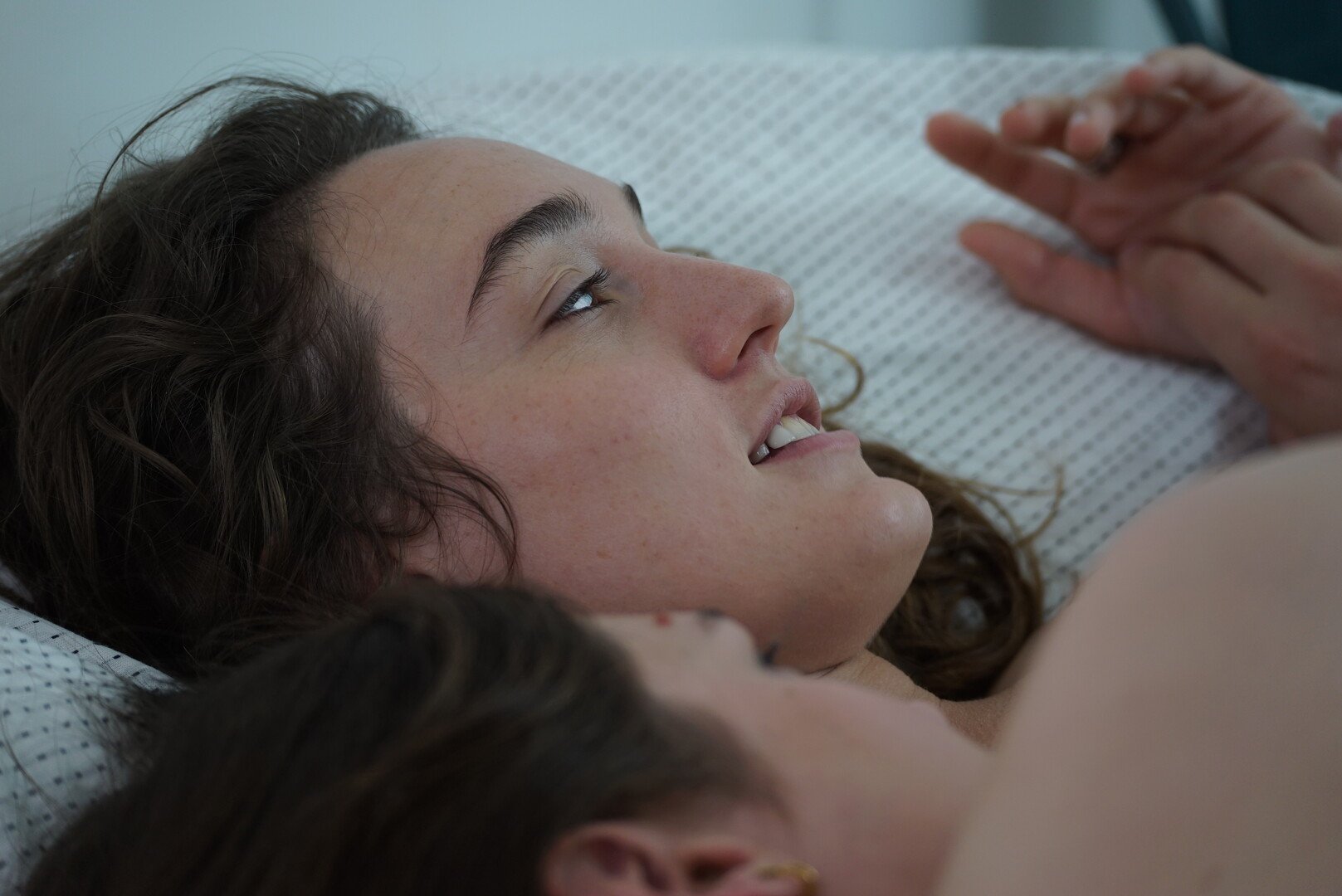
Pillow talk becomes increasingly anxious between emotionally constipated Sophie and her lover Val, who has the opposite problem: she lets absolutely everything out.

PosterFeature
TRIAL OF HEIN (DER HEIMATLOSE)[FIRST FILMS]122 minutes

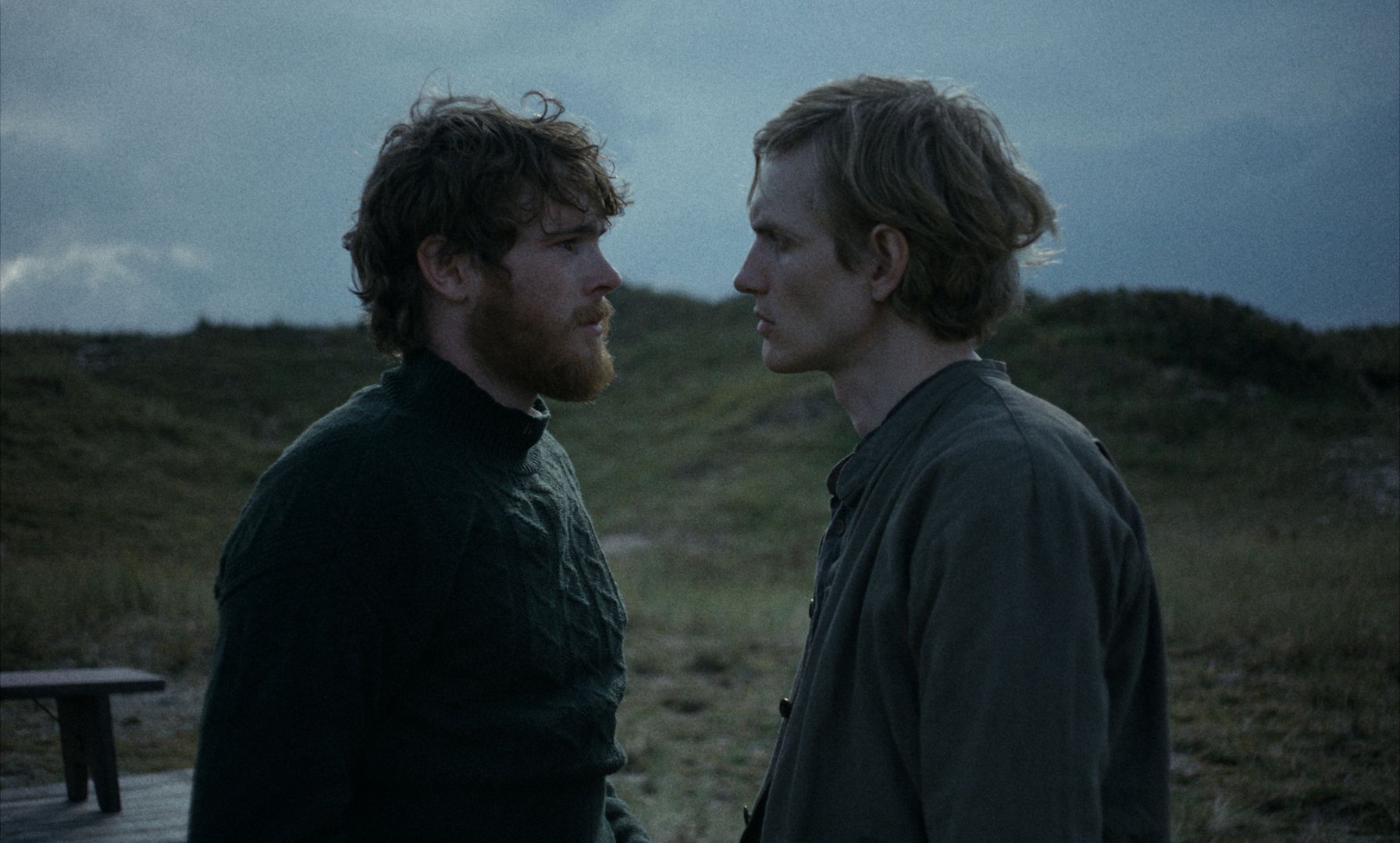
14 years later, Hein returns to a wind-scraped island in the North Sea. Its eerie, Brechtian settlement of half-built houses guarded by a community prone to paranoia. Hein plunged into a dark scheme to prove his identity and the true nature of a once great love. Though he once called the tiny island home, Hein (Paul Boche) is unrecognizable even to his closest confidants, Greta (Emilia Schüle) and the forlorn Friedemann (Philip Froissant). Is Hein as devious as the villagers imply? Or is their ignorance some slippery plot hatched against him? Armed with a locket meant to unseal his relationship with Friedemann, Hein is determined to be taken for who he says he is and to allow others this same grace. His insistence leading to a trial presided over by an imperious leader (Julika Jenkins), the community’s goodwill dependent on its outcome. A trial where competing memories are judged, and Hein and Friedemann are compelled to remaster their childhood game of “Lies.” Writer-director Kai Stänicke’s tense psychodrama is an engaging allegory of how conformity shuns queerness in all its forms, and how one must insist fiercely on one’s own dignity.

PosterDocumentary
JARIPEO[COMPETITION]71 minutes

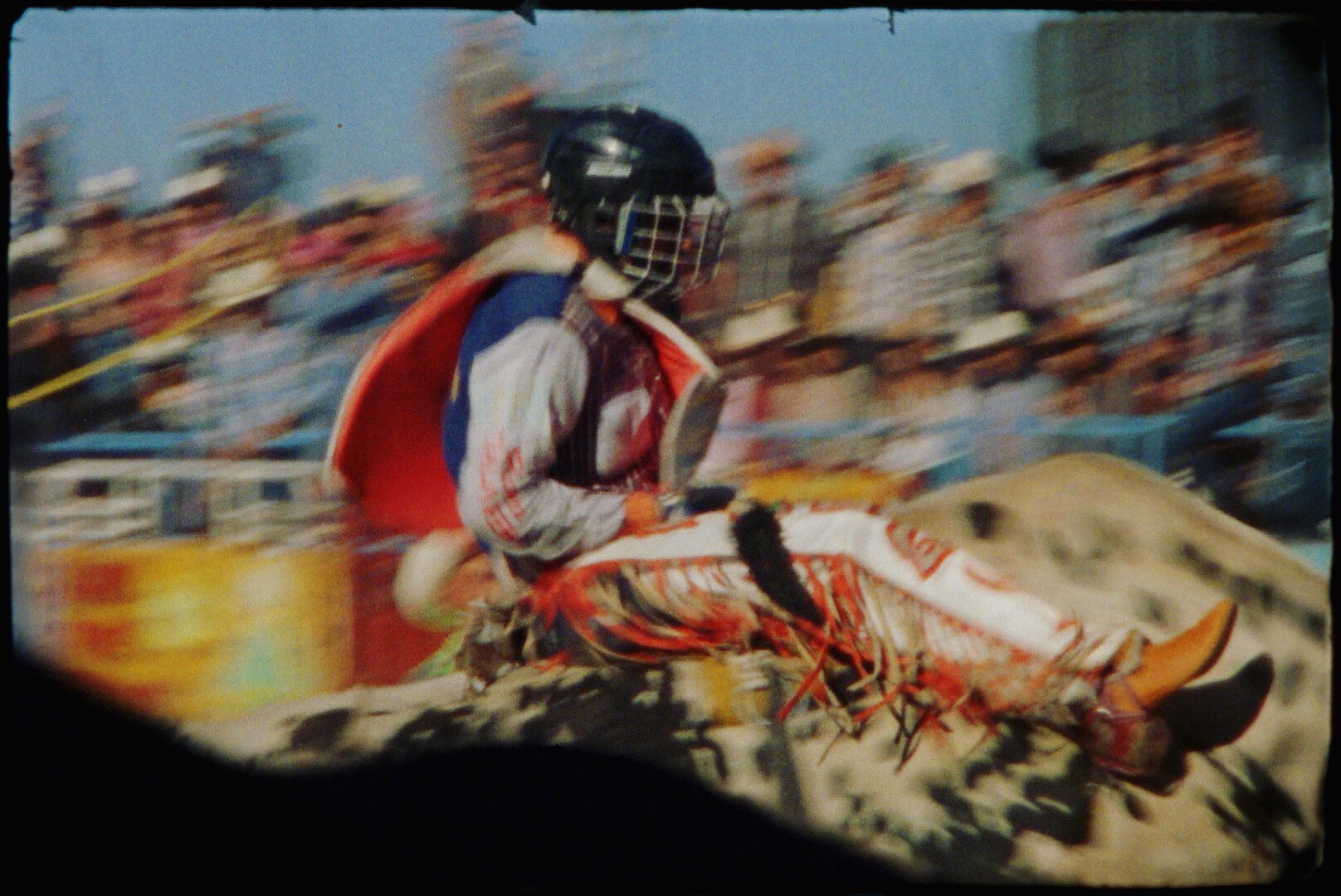
Furtive glances, sexy fashion, the alcohol-fuelled excuse to flirt, dance and sneak past the fences: rodeo culture offers more than bull riding. In intimate profiles of queer Michoacáns—from a free and femme church leader to a hypermasculine cowboy—Efraín Mojica attempts to deconstruct the traditions and contradictions of their roots. For as long as Mojica can remember, Mexico’s jaripeo bull-riding events have been part of their life—from bored childhood trips to teen cowboy fantasies to the present, lost in the packed crowd on a hot Christmas Day. The masculinized events are seeped in religion and booze, but within and often because of the strict codes, queer subcultures flourish. Mojica and Rebecca Zweig’s documentary lassos together these complexities, doing so in kinetic and sensual ways, fingers slipping down ropes, hips bucking on top of a bull. Together, the two directors maximize the filmic medium, combining frank, beautifully lensed conversations with mesmeric Super 8 footage, pulse-pounding music, and dreamy sequences: red lights flashing among dried corn stalks; a red-eyed mechanical bull, nose steaming. The film acting as a bridge between the vivid external and internal lives of a region and its defining rituals.

PosterFeatureIN-CINEMA
ON THE ROAD (EN EL CAMINO)[COMPETITION]94 minutesNOV 28 / 17:15

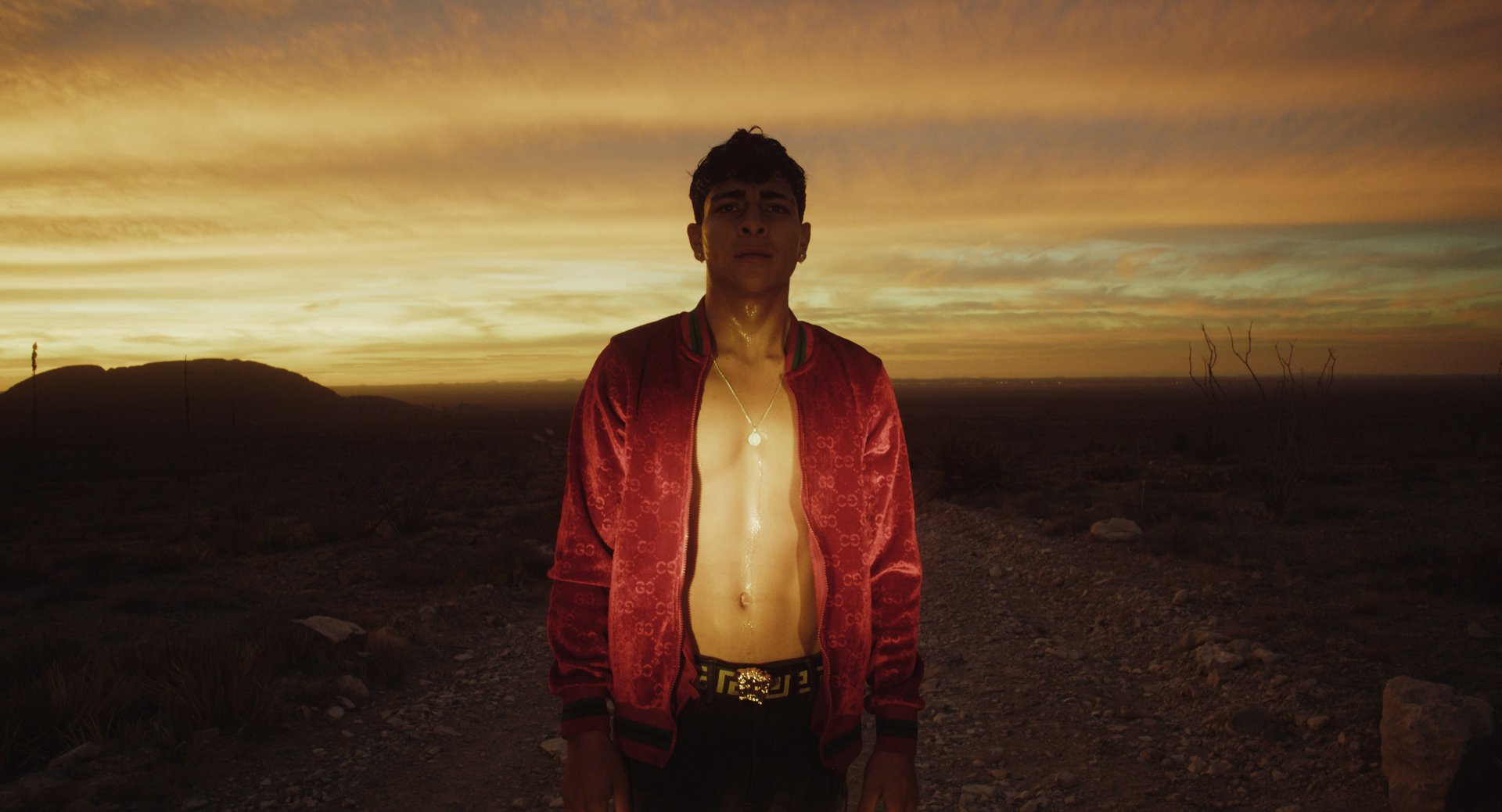
With smoldering toughness, Veneno navigates sexual exchanges and drug deals in the harsh desert truck stops of Northern Mexico. He melts only for the enigmatic Muñeco, who alternates between fatherly and flirty, and promises protection for Veneno’s drug-running—for a price. Though neither are prepared for the coming menace. An exchange gone awry brings Veneno (Victor Prieto Simental) under the wing of the adamantly straight Eduardo (Osvaldo Sanchez), a truck driver nicknamed Muñeco. This term of endearment also implies ‘pawn’ or ‘puppet,’ which is a fitting resonance when it is clear both men are in over their heads. Flashes of Veneno doused in gasoline and an ominous, smoky shadow underscore how they are at the whims of an insidious power. Like the Kerouac novel whose title it borrows, and which culminates in Mexico, writer-director David Pablos’ dusty, dangerous road movie chronicles an episodic cross-country journey, centering a nomadic lifestyle punctuated by drugs and self-discovery—the battered sedan switched for a tractor-trailer and Kerouac’s oblique references to gay sex traded for Pablos’ lingering, no-holds-barred sequences. Visually dazzling, this heated thriller (Mexico’s official Oscars selection) offers tendernesses and twists you will never see coming.

PosterShort
BORN KICKING[COMPETITION]29 minutes

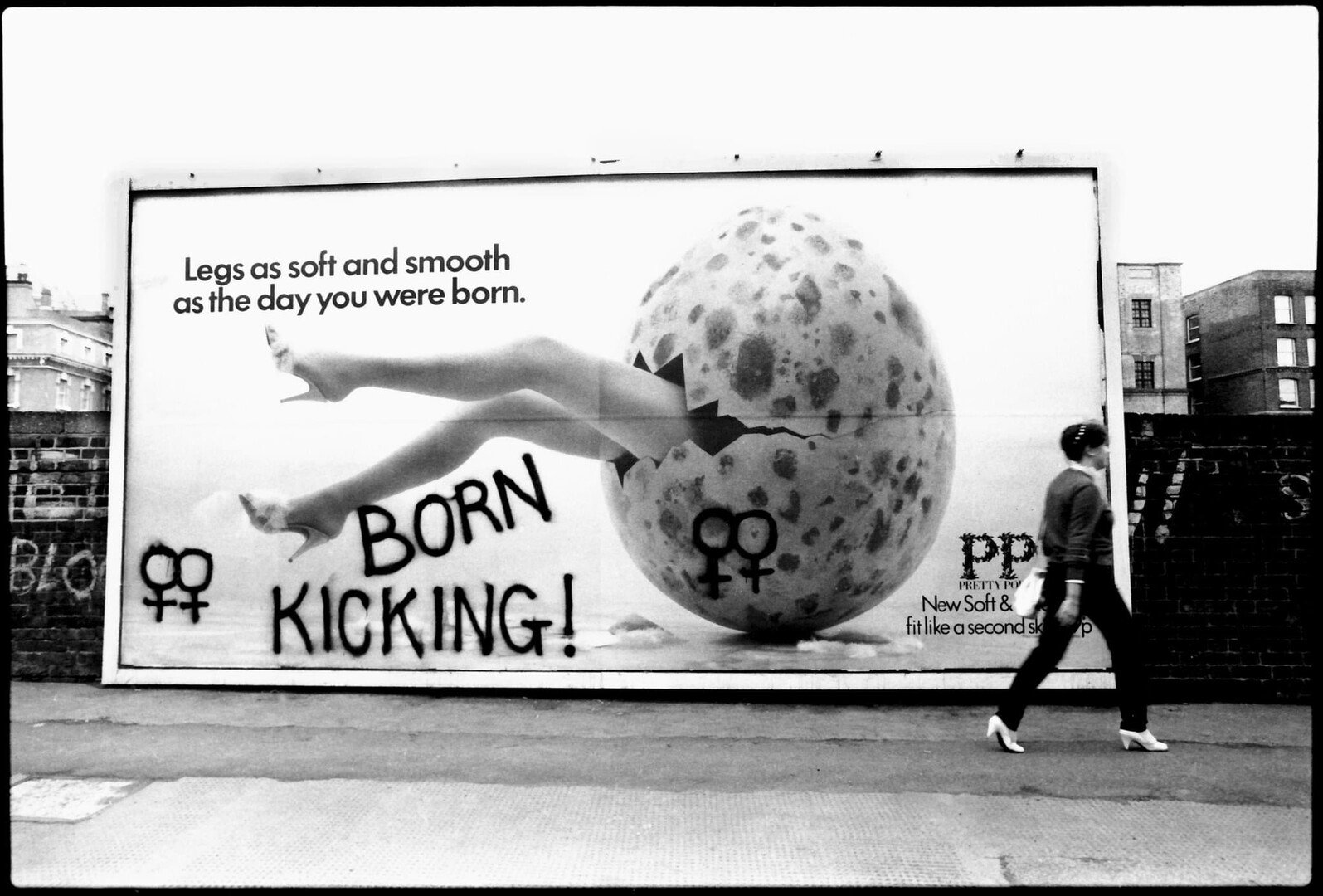
Queer photographer Jill Posener's lifelong compulsion to document offers intimate glimpses of radical feminist London, 1990s Bay Area lesbian culture, and contemporary unhoused communities. A lifelong rebel, she now considers where she might belong in the final chapter of her life.

PosterShort
BAD DAD[FRISSONS QUEER: FANTASIA x IMAGE+NATION]11 minutes

Recently divorced, Warren retreats to a quiet lake house with his young son. When a stranger named David appears asking for help, an ordinary evening becomes a tense psychological confrontation, exposing secrets, shifting power, and an unexpected connection between them.

PosterShort
C'EST MA SOEUR (THAT'S MY SISTER)[COMPETITION]14 minutes

Camille, a teenager with Down syndrome, dreams of dancing in a semi-professional dance troupe. On the day of the audition, her sister Agathe witnesses how the world still stumbles over difference. Love and rage find their own choreography.

PosterFeatureIN-CINEMAVIRTUAL
A SECOND LIFE[COMPETITION]77 minutesNOV 28 / 19:00

A Second Life follows a day in the life of Elisabeth as she scrambles to meet Airbnb guests visiting Paris for the Summer Olympic Games. Battling both depression and hearing loss, she makes for a rather inhospitable host, but also meets a new and most unexpected friend at exactly the right moment in time. Agathe Rousselle and Alex Lawther glow as a platonic duo, riffing off of each other’s polar opposite personalities on screen. The urban rumblings of Paris are swathed in—and then stripped of—sound, plunging us deep into the protagonist’s plight of impaired hearing, as well as work visa precarity, with the constant feeling of uneven ground captured through handheld camera techniques and the crowded visual frames of a hurried city. A theme of escape permeates the film, whether by the removal of hearing aids, the contemplation of too many pills, or a spontaneous night out, blowing off steam with friends and beer. A sudden sapphic kiss under watchful eyes and a panic attack in the metro are just a few small moments of an eventful evening that culminate in poignant memories of connection alongside the Olympics opening ceremony.

PosterShort
THE FRUIT MACHINE: A SPACE OPERA[COMPETITION]6 minutesNOV 27 / 19:00

A queer little space alien crashes to Earth and looks to television for survival advice, finding a guide to twentieth-century conformity. Her journey unfolds alongside the true history of Canada's "Fruit Machine," developed in the 1960s to identify homosexuality.

PosterFeatureIN-CINEMA
I COME HOME[COMPETITION]96 minutesNOV 28 / 15:00

Christine, Alexander, and Stéphane are a polyamorous, bisexual throuple who live in downtown Toronto. Before long, their unconventional relationship with its ever-shifting dynamics, is threatened by the heteronormative foils of marriage and pregnancy. Can the three of them stand stronger than two would be able to? Glenn Wood presents a film that looks at alternative relationships in a novel way. I Come Home is tender and fearless in its portrayal of the fragility of human relationships, with support, loyalty, and communication—all required three-fold for this queer polyamorous couple—working hard to outweigh the judgementalness of conventional society. An invitation to Christine’s sister’s wedding, in her small hometown nearby, then puts the three to the ultimate test as they navigate an environment that (barely) tolerates their lifestyle. Questions of parenthood and accountability also come into play alongside the cold shoulder treatment that eventually erupts into outbursts of long-held resentments. In the aftermath, and all throughout the film, bird’s-eye view angles capture quiet moments of ‘coming home’ to oneself, and to one another in the enduring acts of choosing, trusting, and showing up.

PosterShort
In Too Deep[COMPETITION]6 minutes

Pillow talk becomes increasingly anxious between emotionally constipated Sophie and her lover Val, who has the opposite problem: she lets absolutely everything out.

PosterFeature
TRIAL OF HEIN (DER HEIMATLOSE)[FIRST FILMS]122 minutes

14 years later, Hein returns to a wind-scraped island in the North Sea. Its eerie, Brechtian settlement of half-built houses guarded by a community prone to paranoia. Hein plunged into a dark scheme to prove his identity and the true nature of a once great love. Though he once called the tiny island home, Hein (Paul Boche) is unrecognizable even to his closest confidants, Greta (Emilia Schüle) and the forlorn Friedemann (Philip Froissant). Is Hein as devious as the villagers imply? Or is their ignorance some slippery plot hatched against him? Armed with a locket meant to unseal his relationship with Friedemann, Hein is determined to be taken for who he says he is and to allow others this same grace. His insistence leading to a trial presided over by an imperious leader (Julika Jenkins), the community’s goodwill dependent on its outcome. A trial where competing memories are judged, and Hein and Friedemann are compelled to remaster their childhood game of “Lies.” Writer-director Kai Stänicke’s tense psychodrama is an engaging allegory of how conformity shuns queerness in all its forms, and how one must insist fiercely on one’s own dignity.

PosterDocumentary
JARIPEO[COMPETITION]71 minutes

Furtive glances, sexy fashion, the alcohol-fuelled excuse to flirt, dance and sneak past the fences: rodeo culture offers more than bull riding. In intimate profiles of queer Michoacáns—from a free and femme church leader to a hypermasculine cowboy—Efraín Mojica attempts to deconstruct the traditions and contradictions of their roots. For as long as Mojica can remember, Mexico’s jaripeo bull-riding events have been part of their life—from bored childhood trips to teen cowboy fantasies to the present, lost in the packed crowd on a hot Christmas Day. The masculinized events are seeped in religion and booze, but within and often because of the strict codes, queer subcultures flourish. Mojica and Rebecca Zweig’s documentary lassos together these complexities, doing so in kinetic and sensual ways, fingers slipping down ropes, hips bucking on top of a bull. Together, the two directors maximize the filmic medium, combining frank, beautifully lensed conversations with mesmeric Super 8 footage, pulse-pounding music, and dreamy sequences: red lights flashing among dried corn stalks; a red-eyed mechanical bull, nose steaming. The film acting as a bridge between the vivid external and internal lives of a region and its defining rituals.

PosterFeatureIN-CINEMA
ON THE ROAD (EN EL CAMINO)[COMPETITION]94 minutesNOV 28 / 17:15

With smoldering toughness, Veneno navigates sexual exchanges and drug deals in the harsh desert truck stops of Northern Mexico. He melts only for the enigmatic Muñeco, who alternates between fatherly and flirty, and promises protection for Veneno’s drug-running—for a price. Though neither are prepared for the coming menace. An exchange gone awry brings Veneno (Victor Prieto Simental) under the wing of the adamantly straight Eduardo (Osvaldo Sanchez), a truck driver nicknamed Muñeco. This term of endearment also implies ‘pawn’ or ‘puppet,’ which is a fitting resonance when it is clear both men are in over their heads. Flashes of Veneno doused in gasoline and an ominous, smoky shadow underscore how they are at the whims of an insidious power. Like the Kerouac novel whose title it borrows, and which culminates in Mexico, writer-director David Pablos’ dusty, dangerous road movie chronicles an episodic cross-country journey, centering a nomadic lifestyle punctuated by drugs and self-discovery—the battered sedan switched for a tractor-trailer and Kerouac’s oblique references to gay sex traded for Pablos’ lingering, no-holds-barred sequences. Visually dazzling, this heated thriller (Mexico’s official Oscars selection) offers tendernesses and twists you will never see coming.

PosterShort
BORN KICKING[COMPETITION]29 minutes

Queer photographer Jill Posener's lifelong compulsion to document offers intimate glimpses of radical feminist London, 1990s Bay Area lesbian culture, and contemporary unhoused communities. A lifelong rebel, she now considers where she might belong in the final chapter of her life.