Image+Nation

L’ÉMERGENCE DU VILLAGE GAI (MONTRÉAL 1974–1990)

L’Émergence du Village gai (Montréal 1974–1990) chronicles the pivotal years when Montréal’s gay community migrated east, giving rise to what became Le Village gai—now simply Le Village.Through archival footage and personal stories, the series captures the political, cultural, and social forces that shaped this pivotal era—when visibility, activism, and community transformed the city’s landscape and laid the groundwork for LGBTQ+ life in Québec today.
PosterShort
FACE AU VIH, LA RÉSILIENCE (1983-1995)                  [I+N CONNEXE]16 minutesThis programme includes 3 filmsL’ÉMERGENCE DU VILLAGE GAI (MONTRÉAL 1974–1990) 48 minutes

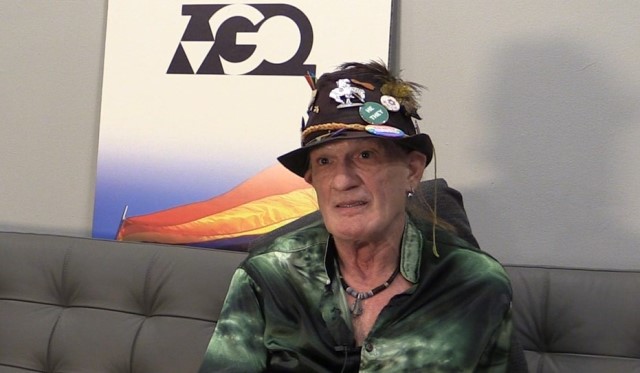
Interview with Gregory Rowe, who came from Western Canada to settle in Montreal in 1983. In addition to his comments on his experience in the English-speaking part of the gay movement, he gives a poignant account of his resilience in the face of the HIV crisis (which he has been carrying for 37 years), and his involvement in organizations that support HIV-positive people.

PosterShort
LA MILITANCE GAIE À MONTRÉAL (1976-1984) [I+N CONNEXE]16 minutesThis programme includes 3 filmsL’ÉMERGENCE DU VILLAGE GAI (MONTRÉAL 1974–1990) 48 minutes

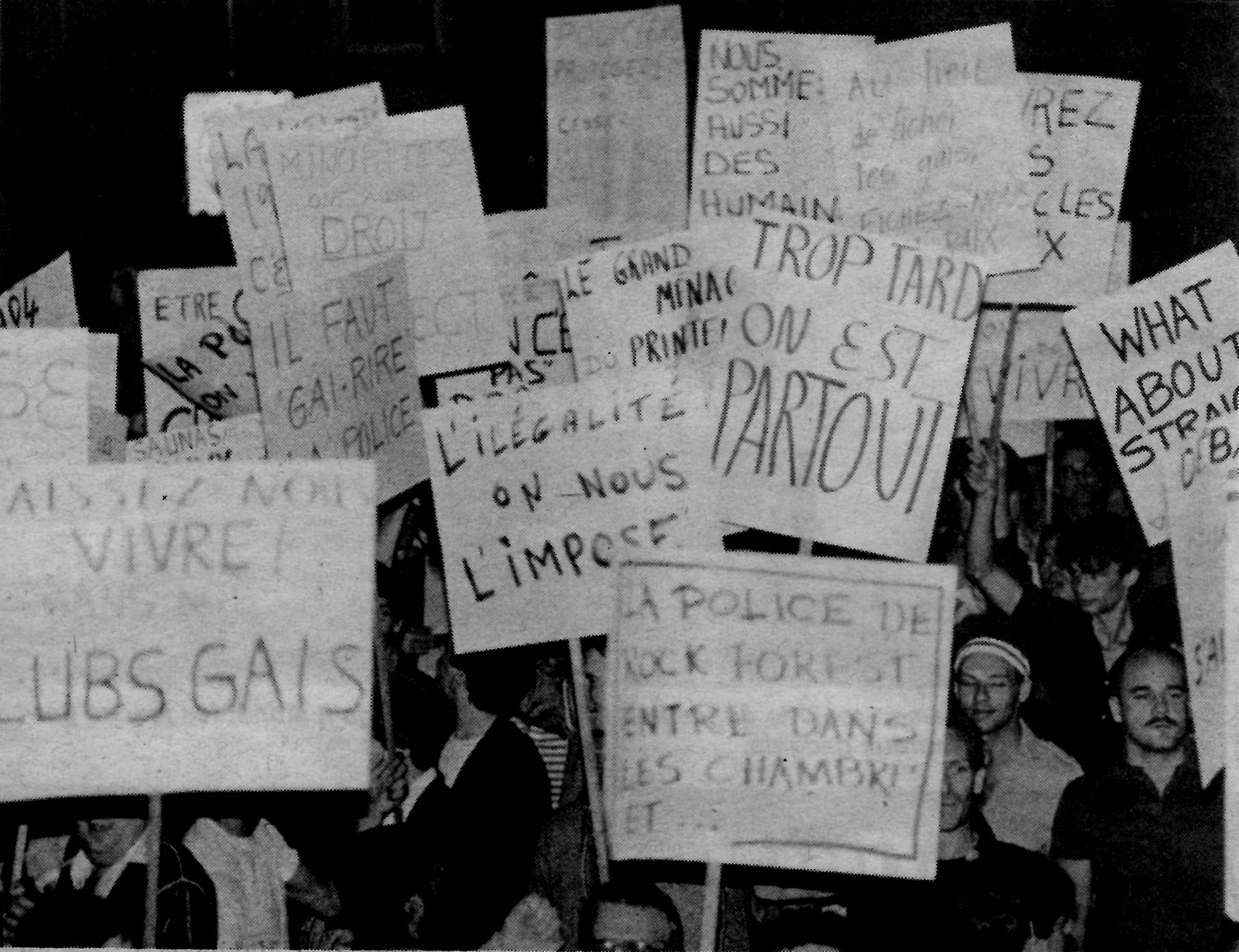
Interview with Denis B. Lapointe (formerly known as Denis Levesque) about the associative movement of the gay community in Montreal — among others, at the ADGQ — during the years leading to the establishment of what was first called Le Village de l’Est (in contrast to the gay bar sector west of downtown), then Le Village gai, and now simply Le Village. The third of the documentary series L'émergence du Village gai.

PosterShort
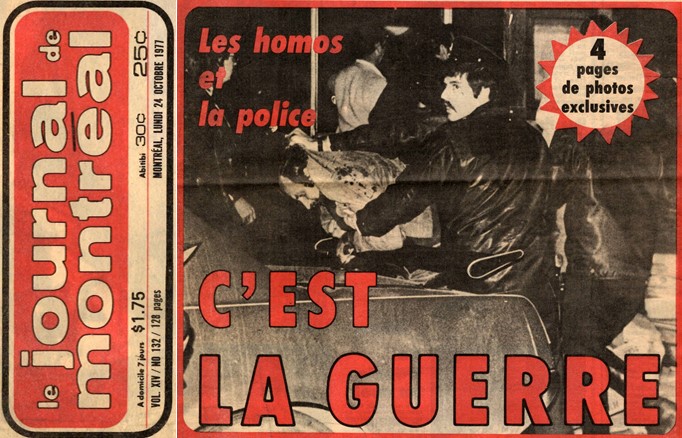
LA RAFLE DU TRUXX – 22 OCTOBRE 1977                  [I+N CONNEXE]16 minutesThis programme includes 3 filmsL’ÉMERGENCE DU VILLAGE GAI (MONTRÉAL 1974–1990) 48 minutes

Interview with Gilbert Higgins, one of the 146 victims of the police raid on the Truxx, a gay bar on Stanley Street in Montreal, on the night of October 22, 1977. The reaction it triggered became one of the precursor events to the creation of what was first called Le Village de l’Est (in contrast to the gay bar sector west of downtown), then Le Village gai, and now simply Le Village.