LITTLE TRAGEDIES (PEQUENAS TRAGÉDIAS)
DANIEL NOLASCO | BRAZIL | 2026 | 119 MIN | PORTUGUESE EST
DANIEL NOLASCO | BRAZIL | 2026 | 119 MIN | PORTUGUESE EST
Subtitles: English
Synopsis
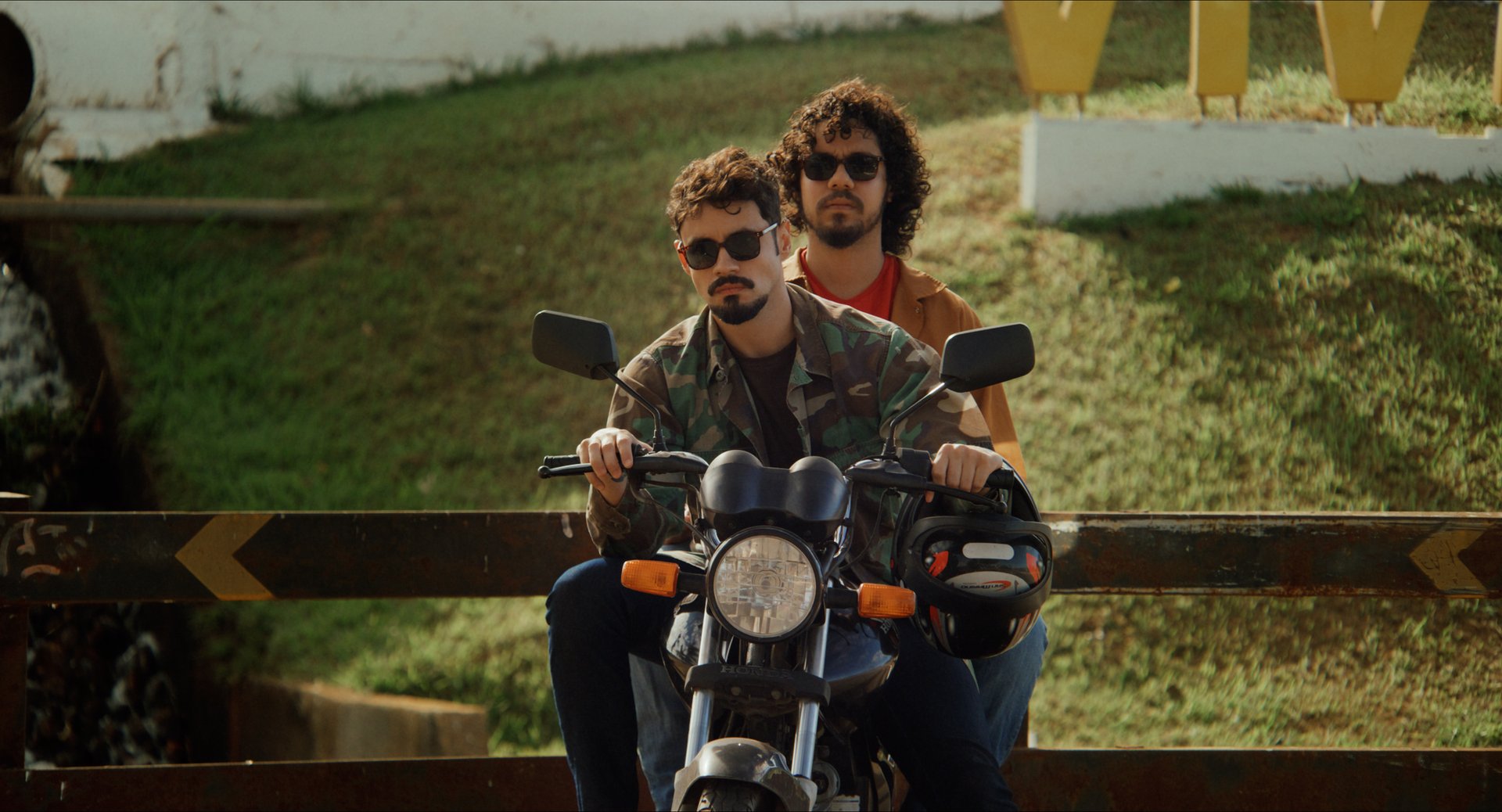
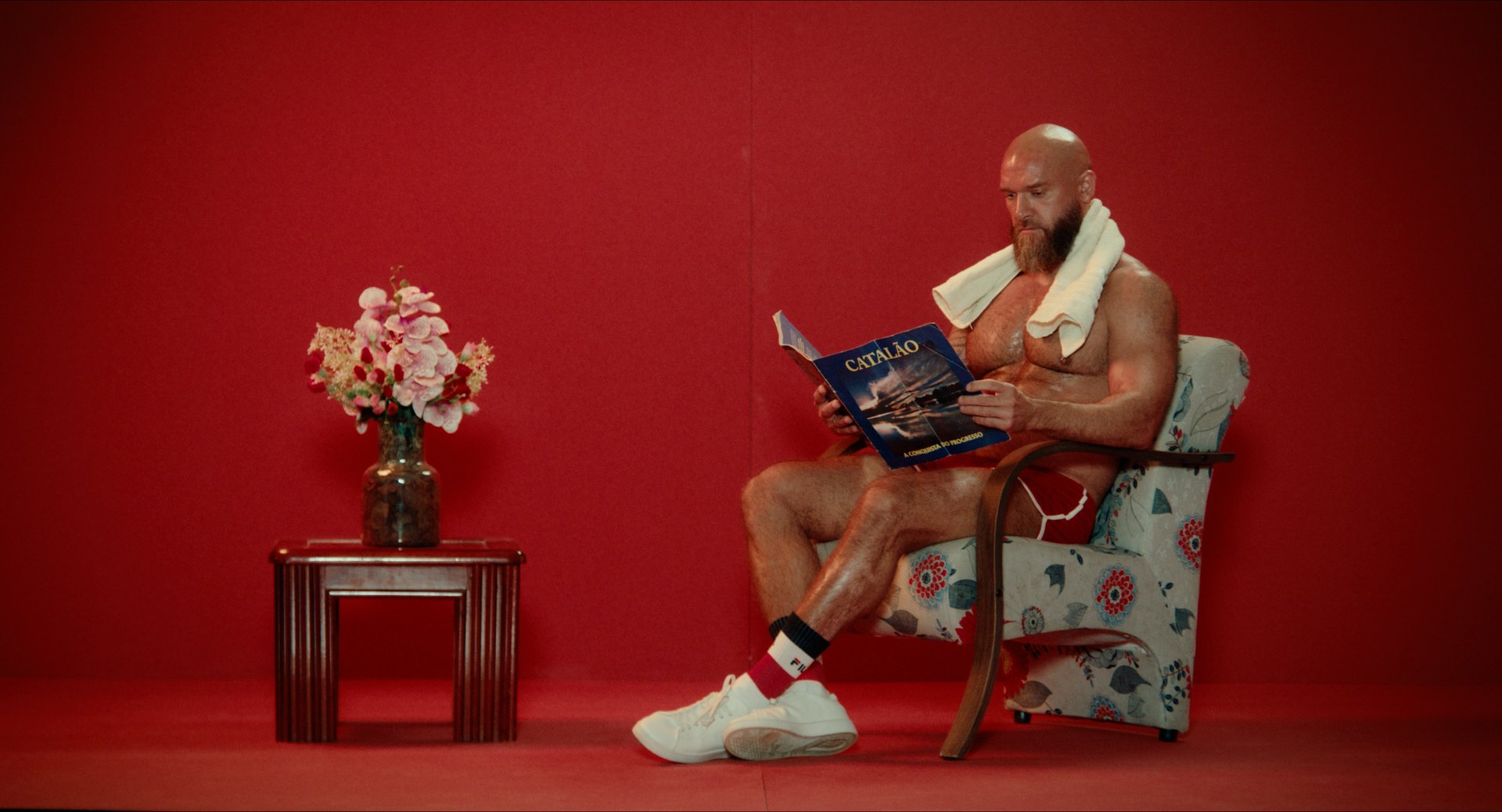
When his investigation into the buried queer histories of Catalão comes up against censorship, Brazilian director Daniel Nolasco (Only Good Things, I+N38; Dry Wind, I+N32) embraces the playfulness and eroticism of fictionalized memoir. Moments of injustice and trauma transformed into revelries of kink, crotch-grabbing, and show-stopping ballads. This is a film about a Brazilian town on the cusp of being too big and too small. About a gay bar that’s now a bike shop. About “ordinary” men left uncharged for hideous crimes. About a singular instance of allyship in the midst of bystanders who refuse to speak. About an elder trans woman holding court at the Mona Lisa gas station. It’s also a manual for “How Homosexuals Live in Country Towns” (hint: it involves cruising, cottaging, and skimpy dress codes) and a requiem for a friend whose pursuit of beauty has complicated consequences. In all, this hybrid feature is a radical restoration with a sly, winking tone; a tragic life put through a Tom of Finland filter. And those Nolasco has loved and lost given the proper send-offs they were denied by a society choked by silence.
Trailer
Filmmaker Bio
Daniel Nolasco is a Brazilian filmmaker and screenwriter born in Catalão. He studied Cinema and Audiovisual at Fluminense Federal University and History at the Federal University of Goiás. He has written and directed more than ten short films shown and awarded internationally. His first documentary feature, Paulistas (2017), was followed by Mr. Leather (2019). His fiction debut, Dry Wind (2020), premiered at the Berlinale and screened at more than 80 festivals. He later directed Only Good Things (2025). Little Tragedies is his third fiction feature.
Director's Statement
Daniel Nolasco conceived Little Tragedies as a deeply personal film about himself, but above all about his hometown of Catalão and the queer lives shaped by its conservative and homophobic environment. Drawing on his own move from Catalão to Rio de Janeiro, he returned to the memory of friends who had gradually disappeared from the city, some leaving, others dying. Through autobiographical experiences and memories, Nolasco wanted to revisit the place he came from and confront the intolerance and violence that marked what it meant to grow up gay there.
Producer
Cecília Brito, Daniel Nolasco
Writer
Daniel Nolasco
Cast
- Guilherme Théo
- Geovaldo Souza
- Lucas Drummond